About Tiananmen

Description

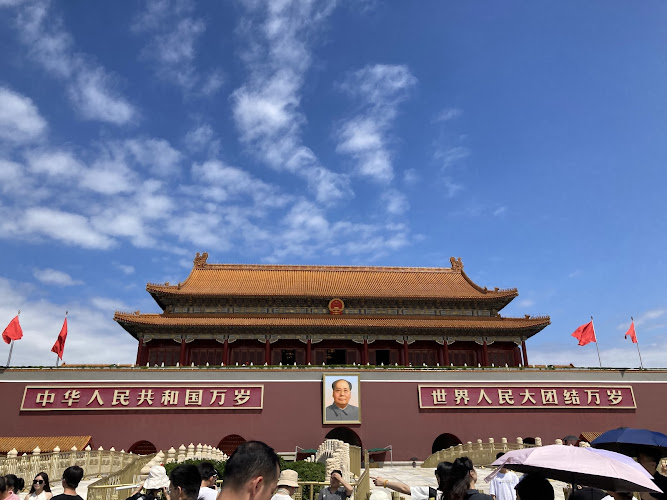
Standing as one of Beijing's most recognizable monuments, Tiananmen serves as the grand gateway to the Forbidden City and represents centuries of Chinese imperial history. This massive structure has witnessed more historical moments than most buildings could dream of, and honestly, when you first lay eyes on it, the sheer scale takes your breath away. I remember my first visit – I'd seen it in photographs countless times, but nothing quite prepares you for that moment when you round the corner and there it is, this enormous red wall stretching before you with Chairman Mao's portrait gazing down. The structure dates back to the 15th century during the Ming Dynasty, though what visitors see today is actually the result of numerous reconstructions over the centuries. And that's something people don't always realize – this isn't some perfectly preserved ancient artifact. It's been rebuilt, restored, and renovated many times throughout its life, which in a way makes it even more fascinating because it's a living piece of architecture that's evolved alongside China's tumultuous history. What makes Tiananmen special isn't just its historical significance or architectural grandeur. It's the atmosphere, the weight of everything that's happened here. This gateway has seen emperors, revolutions, celebrations, and moments that changed the course of an entire nation. Walking through the area, you're literally following in the footsteps of millions who've passed through over five hundred years. The square in front holds up to one million people, and during important events, it fills with crowds that create an energy you won't find anywhere else in the world.

Key Features

The gateway itself showcases several remarkable elements that travelers should take time to appreciate:
  • Five arched entrances through the massive red wall, with the central passage historically reserved for emperors only
  • Chairman Mao's iconic portrait hanging above the central entrance, measuring six meters tall and regularly maintained and replaced
  • Two large stone lions guarding the gateway, traditional symbols of power and protection in Chinese culture
  • The golden roof tiles gleaming in sunlight, characteristic of imperial Chinese architecture
  • Inscription boards on either side of Mao's portrait with political slogans visible from great distances
  • The elevated viewing platform on top where major announcements have been made throughout history
  • Wheelchair accessible entrance making it possible for all visitors to experience this landmark
  • Security checkpoints that, while necessary, remind you of the site's continued political importance
  • Flag raising and lowering ceremonies that draw massive crowds each day at sunrise and sunset
  • The transition from the modern square to the ancient Forbidden City just beyond the gate
But beyond these physical features, there's something intangible here. The way light hits the red walls during golden hour, the sound of multiple languages swirling around you as tourists from every corner of the globe gather, the contrast between ancient imperial symbolism and modern political imagery – it all creates this unique experience you won't find replicated anywhere else.

Best Time to Visit

Timing your visit to Tiananmen requires some strategic thinking if you want to avoid the worst crowds. Spring months, particularly April and May, offer pleasant weather with temperatures ranging from 15-25°C and the city looking its best with blooming flowers. The skies tend to be clearer during this period too, which makes for better photographs and visibility. Autumn, specifically September and October, rivals spring as an ideal visiting season. The summer heat has broken, the air quality typically improves, and you get those crisp, comfortable days perfect for spending hours exploring. I've visited during both seasons and honestly can't pick a favorite – spring has that fresh energy while autumn brings this golden quality to everything. Summer brings intense heat and humidity that can be pretty brutal, especially when you're standing in an open square with limited shade. July and August see temperatures soaring above 35°C, and you'll be sweating through your clothes within minutes. Plus, this coincides with peak domestic tourism season, so you're dealing with larger crowds alongside the uncomfortable weather. Winter visits have their own charm, though you need to bundle up properly. January and February can be bitterly cold with temperatures dropping below freezing, but the upside is significantly fewer tourists. If you can handle the cold and don't mind gray skies, you might actually prefer this quieter experience. Regarding time of day, early morning visits reward you with two benefits: smaller crowds and the opportunity to witness the flag raising ceremony. This happens at sunrise daily, with precise timing that changes throughout the year. Thousands gather to watch soldiers march in perfect formation to raise the national flag, and it's quite a spectacle. Just know you'll need to arrive very early to secure a good viewing spot. Late afternoon into early evening also works well, especially during summer when temperatures cool slightly. The flag lowering ceremony at sunset offers another ceremonial experience, though typically with smaller crowds than morning.

How to Get There

Beijing's excellent public transportation system makes reaching Tiananmen remarkably straightforward, even for first-time visitors who don't speak Chinese. The Beijing Metro represents your best option – it's affordable, efficient, and air-conditioned. Line 1 has a Tiananmen East station and Tiananmen West station, both literally just steps from the square. You'll exit the station and boom, there you are. Taking a taxi works too, though traffic in Beijing can be absolutely maddening during rush hours. What should be a fifteen-minute ride might take an hour if you hit it wrong. Taxi drivers generally know Tiananmen, but having your destination written in Chinese characters helps avoid confusion. The name is 天安门 if you need to show it. Many travelers staying in central Beijing actually walk to Tiananmen from their hotels, which I'd recommend if you're within reasonable distance. The approach on foot lets you absorb the neighborhood atmosphere and stumble upon little discoveries along the way. Plus you avoid the underground metro stations which, while functional, don't offer much in terms of scenic routes. Tour buses frequently include Tiananmen as part of broader Beijing itineraries, which simplifies logistics if you prefer structured tours. These typically combine the gateway with the Forbidden City and sometimes other nearby attractions. The downside is you're on someone else's schedule and might feel rushed. Whatever transportation method you choose, security screenings are mandatory for entering the square area, so allow extra time. You'll pass through metal detectors and bag checks similar to airport security. This isn't a quick process when crowds are heavy, so patience is required.

Tips for Visiting

Getting tickets in advance is strongly recommended for the Forbidden City portion of your visit, and this cannot be stressed enough. They cap daily visitor numbers, and tickets sell out, particularly during peak seasons and holidays. Book online several days ahead to avoid disappointment. Tiananmen itself doesn't require tickets for viewing from the square, but if you want to climb up onto the gate structure, that requires separate tickets. Bring valid identification because security checks are thorough and non-negotiable. Foreign visitors need passports. Don't try to bring banned items like lighters, large bags, or anything remotely controversial – security takes their job seriously here, and there's zero tolerance. Dress comfortably and practically. You'll be doing considerable walking, often in direct sun with minimal shade. Comfortable shoes are essential. During summer, sun protection including hats, sunglasses, and sunscreen isn't optional unless you enjoy sunburn. Winter visits demand warm layers because that wind whipping across the open square cuts right through light jackets. The public restrooms near the square exist but aren't always the cleanest facilities you'll encounter. Use your hotel bathroom before heading out, or duck into a nearby shopping center if needed. Photography is generally permitted in the square and of the gateway exterior, but be mindful of where you point your camera. Don't photograph security personnel or military installations. When in doubt, observe what other tourists are doing or ask a guide. Hydration matters, especially during warmer months. Vendors sell drinks around the perimeter of the square, though prices reflect the tourist location. Bringing your own water bottle saves money and ensures you stay hydrated during your exploration. If you're visiting with children, the wide open spaces work well for young travelers who can stretch their legs. That said, keep close watch because crowds can be intense and it's easy to get separated. The flag ceremonies particularly fascinate kids, giving them something engaging to experience beyond just looking at old buildings. Plan to spend at least an hour here if you're just viewing Tiananmen and the square, longer if you're also entering the Forbidden City. Trying to rush through diminishes the experience. Sit for a bit, watch the other visitors, let the historical significance sink in. These moments of pause often become the most memorable parts of travel, more than frantically checking items off a list.

Key Features

  • Five arched entrances through the massive red wall, with the central passage historically reserved for emperors only
  • Chairman Mao's iconic portrait hanging above the central entrance, measuring six meters tall and regularly maintained and replaced
  • Two large stone lions guarding the gateway, traditional symbols of power and protection in Chinese culture
  • The golden roof tiles gleaming in sunlight, characteristic of imperial Chinese architecture
  • Inscription boards on either side of Mao's portrait with political slogans visible from great distances
  • The elevated viewing platform on top where major announcements have been made throughout history
  • Wheelchair accessible entrance making it possible for all visitors to experience this landmark
  • Security checkpoints that, while necessary, remind you of the site's continued political importance

More Details

Updated March 30, 2026

Description

Standing as one of Beijing’s most recognizable monuments, Tiananmen serves as the grand gateway to the Forbidden City and represents centuries of Chinese imperial history. This massive structure has witnessed more historical moments than most buildings could dream of, and honestly, when you first lay eyes on it, the sheer scale takes your breath away. I remember my first visit – I’d seen it in photographs countless times, but nothing quite prepares you for that moment when you round the corner and there it is, this enormous red wall stretching before you with Chairman Mao’s portrait gazing down.

The structure dates back to the 15th century during the Ming Dynasty, though what visitors see today is actually the result of numerous reconstructions over the centuries. And that’s something people don’t always realize – this isn’t some perfectly preserved ancient artifact. It’s been rebuilt, restored, and renovated many times throughout its life, which in a way makes it even more fascinating because it’s a living piece of architecture that’s evolved alongside China’s tumultuous history.

What makes Tiananmen special isn’t just its historical significance or architectural grandeur. It’s the atmosphere, the weight of everything that’s happened here. This gateway has seen emperors, revolutions, celebrations, and moments that changed the course of an entire nation. Walking through the area, you’re literally following in the footsteps of millions who’ve passed through over five hundred years. The square in front holds up to one million people, and during important events, it fills with crowds that create an energy you won’t find anywhere else in the world.

Key Features

The gateway itself showcases several remarkable elements that travelers should take time to appreciate:

  • Five arched entrances through the massive red wall, with the central passage historically reserved for emperors only
  • Chairman Mao’s iconic portrait hanging above the central entrance, measuring six meters tall and regularly maintained and replaced
  • Two large stone lions guarding the gateway, traditional symbols of power and protection in Chinese culture
  • The golden roof tiles gleaming in sunlight, characteristic of imperial Chinese architecture
  • Inscription boards on either side of Mao’s portrait with political slogans visible from great distances
  • The elevated viewing platform on top where major announcements have been made throughout history
  • Wheelchair accessible entrance making it possible for all visitors to experience this landmark
  • Security checkpoints that, while necessary, remind you of the site’s continued political importance
  • Flag raising and lowering ceremonies that draw massive crowds each day at sunrise and sunset
  • The transition from the modern square to the ancient Forbidden City just beyond the gate

But beyond these physical features, there’s something intangible here. The way light hits the red walls during golden hour, the sound of multiple languages swirling around you as tourists from every corner of the globe gather, the contrast between ancient imperial symbolism and modern political imagery – it all creates this unique experience you won’t find replicated anywhere else.

Best Time to Visit

Timing your visit to Tiananmen requires some strategic thinking if you want to avoid the worst crowds. Spring months, particularly April and May, offer pleasant weather with temperatures ranging from 15-25°C and the city looking its best with blooming flowers. The skies tend to be clearer during this period too, which makes for better photographs and visibility.

Autumn, specifically September and October, rivals spring as an ideal visiting season. The summer heat has broken, the air quality typically improves, and you get those crisp, comfortable days perfect for spending hours exploring. I’ve visited during both seasons and honestly can’t pick a favorite – spring has that fresh energy while autumn brings this golden quality to everything.

Summer brings intense heat and humidity that can be pretty brutal, especially when you’re standing in an open square with limited shade. July and August see temperatures soaring above 35°C, and you’ll be sweating through your clothes within minutes. Plus, this coincides with peak domestic tourism season, so you’re dealing with larger crowds alongside the uncomfortable weather.

Winter visits have their own charm, though you need to bundle up properly. January and February can be bitterly cold with temperatures dropping below freezing, but the upside is significantly fewer tourists. If you can handle the cold and don’t mind gray skies, you might actually prefer this quieter experience.

Regarding time of day, early morning visits reward you with two benefits: smaller crowds and the opportunity to witness the flag raising ceremony. This happens at sunrise daily, with precise timing that changes throughout the year. Thousands gather to watch soldiers march in perfect formation to raise the national flag, and it’s quite a spectacle. Just know you’ll need to arrive very early to secure a good viewing spot.

Late afternoon into early evening also works well, especially during summer when temperatures cool slightly. The flag lowering ceremony at sunset offers another ceremonial experience, though typically with smaller crowds than morning.

How to Get There

Beijing’s excellent public transportation system makes reaching Tiananmen remarkably straightforward, even for first-time visitors who don’t speak Chinese. The Beijing Metro represents your best option – it’s affordable, efficient, and air-conditioned. Line 1 has a Tiananmen East station and Tiananmen West station, both literally just steps from the square. You’ll exit the station and boom, there you are.

Taking a taxi works too, though traffic in Beijing can be absolutely maddening during rush hours. What should be a fifteen-minute ride might take an hour if you hit it wrong. Taxi drivers generally know Tiananmen, but having your destination written in Chinese characters helps avoid confusion. The name is 天安门 if you need to show it.

Many travelers staying in central Beijing actually walk to Tiananmen from their hotels, which I’d recommend if you’re within reasonable distance. The approach on foot lets you absorb the neighborhood atmosphere and stumble upon little discoveries along the way. Plus you avoid the underground metro stations which, while functional, don’t offer much in terms of scenic routes.

Tour buses frequently include Tiananmen as part of broader Beijing itineraries, which simplifies logistics if you prefer structured tours. These typically combine the gateway with the Forbidden City and sometimes other nearby attractions. The downside is you’re on someone else’s schedule and might feel rushed.

Whatever transportation method you choose, security screenings are mandatory for entering the square area, so allow extra time. You’ll pass through metal detectors and bag checks similar to airport security. This isn’t a quick process when crowds are heavy, so patience is required.

Tips for Visiting

Getting tickets in advance is strongly recommended for the Forbidden City portion of your visit, and this cannot be stressed enough. They cap daily visitor numbers, and tickets sell out, particularly during peak seasons and holidays. Book online several days ahead to avoid disappointment. Tiananmen itself doesn’t require tickets for viewing from the square, but if you want to climb up onto the gate structure, that requires separate tickets.

Bring valid identification because security checks are thorough and non-negotiable. Foreign visitors need passports. Don’t try to bring banned items like lighters, large bags, or anything remotely controversial – security takes their job seriously here, and there’s zero tolerance.

Dress comfortably and practically. You’ll be doing considerable walking, often in direct sun with minimal shade. Comfortable shoes are essential. During summer, sun protection including hats, sunglasses, and sunscreen isn’t optional unless you enjoy sunburn. Winter visits demand warm layers because that wind whipping across the open square cuts right through light jackets.

The public restrooms near the square exist but aren’t always the cleanest facilities you’ll encounter. Use your hotel bathroom before heading out, or duck into a nearby shopping center if needed.

Photography is generally permitted in the square and of the gateway exterior, but be mindful of where you point your camera. Don’t photograph security personnel or military installations. When in doubt, observe what other tourists are doing or ask a guide.

Hydration matters, especially during warmer months. Vendors sell drinks around the perimeter of the square, though prices reflect the tourist location. Bringing your own water bottle saves money and ensures you stay hydrated during your exploration.

If you’re visiting with children, the wide open spaces work well for young travelers who can stretch their legs. That said, keep close watch because crowds can be intense and it’s easy to get separated. The flag ceremonies particularly fascinate kids, giving them something engaging to experience beyond just looking at old buildings.

Plan to spend at least an hour here if you’re just viewing Tiananmen and the square, longer if you’re also entering the Forbidden City. Trying to rush through diminishes the experience. Sit for a bit, watch the other visitors, let the historical significance sink in. These moments of pause often become the most memorable parts of travel, more than frantically checking items off a list.

Key Highlights

  • Five arched entrances through the massive red wall, with the central passage historically reserved for emperors only
  • Chairman Mao's iconic portrait hanging above the central entrance, measuring six meters tall and regularly maintained and replaced
  • Two large stone lions guarding the gateway, traditional symbols of power and protection in Chinese culture
  • The golden roof tiles gleaming in sunlight, characteristic of imperial Chinese architecture
  • Inscription boards on either side of Mao's portrait with political slogans visible from great distances
  • The elevated viewing platform on top where major announcements have been made throughout history
  • Wheelchair accessible entrance making it possible for all visitors to experience this landmark
  • Security checkpoints that, while necessary, remind you of the site's continued political importance

Location

Places to Stay Near Tiananmen

Find and Book a Tour

Explore More Travel Guides

No reviews found! Be the first to review!

Tiananmen is a prominent attractions located in Dongcheng.

Visit us at: W95W+FXQ, Dongcheng, Chine, 100051.

Traveler Reviews for Tiananmen

There are no reviews yet. Be the first one to write one.

Share Your Experience

Have you visited Tiananmen? Help other travelers by sharing your review.

Find Accommodations Nearby

Recommended Tours & Activities

Visitor Reviews

There are no reviews yet. Be the first one to write one.

Share Your Experience

Have you visited Tiananmen? Help other travelers by leaving a review.