Xiandongyan Zuisheng Temple
About Xiandongyan Zuisheng Temple
Description
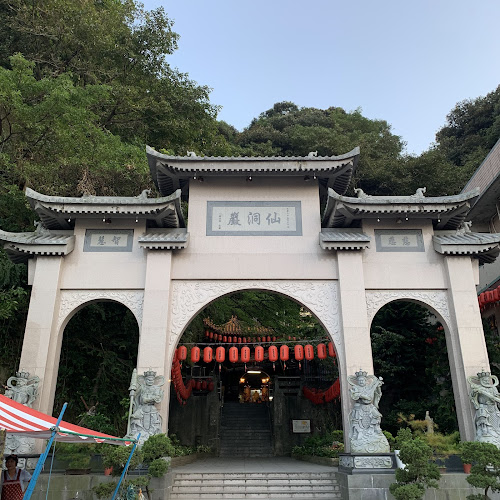
Xiandongyan Zuisheng Temple is one of those places that doesn’t shout for attention. It kind of waits for you to slow down enough to notice it. Set inside a cave system and shaped by centuries of Taoist and Buddhist practice, the temple feels more like an experience than a simple sightseeing stop. You walk in expecting incense and statues (which, yes, are there), but you leave remembering the damp stone walls, the echo of footsteps, and the odd calm that sneaks up on you when you weren’t looking.
The temple functions as both a Taoist and Buddhist place of worship, which is not unusual in parts of China, but here it feels especially organic. Shrines are tucked into rock alcoves, candles flicker against uneven stone, and the air smells faintly of incense mixed with cool cave air. It’s not polished or overly curated. Some areas are dim, some are uneven underfoot, and that’s honestly part of the appeal. It feels lived-in, still used, still respected.
Historically, Xiandongyan Zuisheng Temple has been a spiritual retreat for monks, hermits, and locals seeking blessings or quiet reflection. Over time, travelers found their way here too. These days it’s considered a historical landmark and tourist attraction, but it hasn’t lost its devotional side. You’ll often see locals lighting incense, whispering prayers, or just sitting quietly. When I visited, an elderly man spent a solid ten minutes adjusting candles, completely ignoring everyone else. That kind of focus is contagious.
The cave itself plays a huge role in the atmosphere. Natural rock formations form corridors and chambers, some narrow enough that you instinctively pull your shoulders in. Water drips somewhere deep inside, though you may never see where. And then suddenly you come upon a shrine glowing warmly in the dark. It’s dramatic without trying to be dramatic, which I appreciate. No flashing signs, no loud explanations. You’re trusted to feel your way through it.
Travelers tend to walk away with mixed but thoughtful impressions. Some expect a grand temple complex and are surprised by its rough edges. Others come in curious and leave impressed by the quiet authenticity. That balance, the fact that it’s not perfect or overly restored, is what makes Xiandongyan Zuisheng Temple memorable. It asks a bit of patience from you. But it gives something back, too.
Key Features
- Dual Taoist and Buddhist worship spaces within a natural cave environment
- Ancient stone formations integrated directly into temple architecture
- Multiple shrines dedicated to different deities and spiritual traditions
- Cool cave interior that offers relief during warmer months
- Active place of worship with incense rituals and local devotees
- Restroom facilities available on-site (a small but important detail)
- Uneven paths and stairs that add character, but require attention while walking
- Quiet corners ideal for reflection, photography, or just standing still for a minute
Best Time to Visit
The best time to visit Xiandongyan Zuisheng Temple really depends on what kind of experience you want. If you enjoy calm and space to wander at your own pace, weekdays are your friend. Early mornings are especially peaceful, when the cave is cool and the incense smoke hangs low. I went once just after opening time, and for a while it felt like I had accidentally arrived before the world woke up.
Seasonally, spring and autumn are the sweet spots. Spring brings mild temperatures and a feeling of renewal that fits the spiritual tone of the place. Autumn is cooler and drier, making the walk through the cave more comfortable. Summer can be hot outside, but the cave stays refreshingly cool, which sounds great until you realize the humidity makes stone steps a bit slippery. Not a dealbreaker, just something to keep in mind.
During traditional festivals or auspicious dates, the temple sees more local visitors. That can be a plus if you’re interested in observing real religious practices. But it also means more smoke, more noise, and less room to linger. And winter? It’s quieter, sometimes chilly inside the cave, but also atmospheric in a moody, introspective way. I actually liked it in winter, though my fingers didn’t.
How to Get There
Getting to Xiandongyan Zuisheng Temple usually involves a mix of public transport and a bit of walking. Most travelers start from the nearest city or town and take a bus or taxi toward the general area. From there, signs typically guide you toward the cave entrance, though they’re not always flashy or in perfect English. This is one of those times when asking a local, with a smile and a phone map, works wonders.
The final approach is often on foot, along a path that gradually transitions from everyday surroundings into something quieter and more natural. That shift is part of the journey, and honestly, I’d hate to skip it. Wear decent shoes, because the path and the temple interior both have uneven surfaces. If you’re carrying a lot of stuff, you’ll regret it. Travel light here. Trust me.
Private transport can get you closer, but not all the way inside. The temple area isn’t designed for heavy traffic, which helps preserve its atmosphere. Once you’re there, everything is walkable. Just don’t rush. This isn’t a box-to-tick kind of place.
Tips for Visiting
First tip: slow down. Xiandongyan Zuisheng Temple rewards patience. If you rush through in twenty minutes, you’ll see the sights but miss the feeling. Give yourself at least an hour, more if you like to linger or take photos. And speaking of photos, low light inside the cave can be tricky. Bring a phone or camera that handles dim conditions well, but please be respectful. Flash photography near shrines is a no.
Dress comfortably and modestly. This is still a functioning place of worship, not just a historical display. Comfortable shoes are essential, because stone steps can be worn smooth from centuries of use. I once watched a guy in slick dress shoes nearly test gravity’s patience. Don’t be that guy.
Accessibility is limited. There are stairs, uneven ground, and narrow passages. If mobility is a concern, plan accordingly and don’t force it. Restrooms are available, which is more useful than it sounds, especially if you’ve been walking for a while.
Bring small cash if you plan to light incense or make a donation. It’s not mandatory, but it’s customary and supports maintenance of the site. And when you see locals praying, give them space. Observing quietly is always appreciated more than hovering.
Finally, keep your expectations flexible. Xiandongyan Zuisheng Temple isn’t about grand spectacle. It’s about texture, history, and atmosphere. Some parts may feel weathered or dim. But that’s the point. It’s real, still breathing in its own slow way. And if you let it, it might just slow you down too. Which, if you ask me, is a pretty rare souvenir to bring home.
Key Features
- Dual Taoist and Buddhist worship spaces within a natural cave environment
- Ancient stone formations integrated directly into temple architecture
- Multiple shrines dedicated to different deities and spiritual traditions
- Cool cave interior that offers relief during warmer months
- Active place of worship with incense rituals and local devotees
- Restroom facilities available on-site (a small but important detail)
- Uneven paths and stairs that add character, but require attention while walking
- Quiet corners ideal for reflection, photography, or just standing still for a minute
More Details
Updated December 31, 2025
Table of Contents
Description
Xiandongyan Zuisheng Temple is one of those places that doesn’t shout for attention. It kind of waits for you to slow down enough to notice it. Set inside a cave system and shaped by centuries of Taoist and Buddhist practice, the temple feels more like an experience than a simple sightseeing stop. You walk in expecting incense and statues (which, yes, are there), but you leave remembering the damp stone walls, the echo of footsteps, and the odd calm that sneaks up on you when you weren’t looking.
The temple functions as both a Taoist and Buddhist place of worship, which is not unusual in parts of China, but here it feels especially organic. Shrines are tucked into rock alcoves, candles flicker against uneven stone, and the air smells faintly of incense mixed with cool cave air. It’s not polished or overly curated. Some areas are dim, some are uneven underfoot, and that’s honestly part of the appeal. It feels lived-in, still used, still respected.
Historically, Xiandongyan Zuisheng Temple has been a spiritual retreat for monks, hermits, and locals seeking blessings or quiet reflection. Over time, travelers found their way here too. These days it’s considered a historical landmark and tourist attraction, but it hasn’t lost its devotional side. You’ll often see locals lighting incense, whispering prayers, or just sitting quietly. When I visited, an elderly man spent a solid ten minutes adjusting candles, completely ignoring everyone else. That kind of focus is contagious.
The cave itself plays a huge role in the atmosphere. Natural rock formations form corridors and chambers, some narrow enough that you instinctively pull your shoulders in. Water drips somewhere deep inside, though you may never see where. And then suddenly you come upon a shrine glowing warmly in the dark. It’s dramatic without trying to be dramatic, which I appreciate. No flashing signs, no loud explanations. You’re trusted to feel your way through it.
Travelers tend to walk away with mixed but thoughtful impressions. Some expect a grand temple complex and are surprised by its rough edges. Others come in curious and leave impressed by the quiet authenticity. That balance, the fact that it’s not perfect or overly restored, is what makes Xiandongyan Zuisheng Temple memorable. It asks a bit of patience from you. But it gives something back, too.
Key Features
- Dual Taoist and Buddhist worship spaces within a natural cave environment
- Ancient stone formations integrated directly into temple architecture
- Multiple shrines dedicated to different deities and spiritual traditions
- Cool cave interior that offers relief during warmer months
- Active place of worship with incense rituals and local devotees
- Restroom facilities available on-site (a small but important detail)
- Uneven paths and stairs that add character, but require attention while walking
- Quiet corners ideal for reflection, photography, or just standing still for a minute
Best Time to Visit
The best time to visit Xiandongyan Zuisheng Temple really depends on what kind of experience you want. If you enjoy calm and space to wander at your own pace, weekdays are your friend. Early mornings are especially peaceful, when the cave is cool and the incense smoke hangs low. I went once just after opening time, and for a while it felt like I had accidentally arrived before the world woke up.
Seasonally, spring and autumn are the sweet spots. Spring brings mild temperatures and a feeling of renewal that fits the spiritual tone of the place. Autumn is cooler and drier, making the walk through the cave more comfortable. Summer can be hot outside, but the cave stays refreshingly cool, which sounds great until you realize the humidity makes stone steps a bit slippery. Not a dealbreaker, just something to keep in mind.
During traditional festivals or auspicious dates, the temple sees more local visitors. That can be a plus if you’re interested in observing real religious practices. But it also means more smoke, more noise, and less room to linger. And winter? It’s quieter, sometimes chilly inside the cave, but also atmospheric in a moody, introspective way. I actually liked it in winter, though my fingers didn’t.
How to Get There
Getting to Xiandongyan Zuisheng Temple usually involves a mix of public transport and a bit of walking. Most travelers start from the nearest city or town and take a bus or taxi toward the general area. From there, signs typically guide you toward the cave entrance, though they’re not always flashy or in perfect English. This is one of those times when asking a local, with a smile and a phone map, works wonders.
The final approach is often on foot, along a path that gradually transitions from everyday surroundings into something quieter and more natural. That shift is part of the journey, and honestly, I’d hate to skip it. Wear decent shoes, because the path and the temple interior both have uneven surfaces. If you’re carrying a lot of stuff, you’ll regret it. Travel light here. Trust me.
Private transport can get you closer, but not all the way inside. The temple area isn’t designed for heavy traffic, which helps preserve its atmosphere. Once you’re there, everything is walkable. Just don’t rush. This isn’t a box-to-tick kind of place.
Tips for Visiting
First tip: slow down. Xiandongyan Zuisheng Temple rewards patience. If you rush through in twenty minutes, you’ll see the sights but miss the feeling. Give yourself at least an hour, more if you like to linger or take photos. And speaking of photos, low light inside the cave can be tricky. Bring a phone or camera that handles dim conditions well, but please be respectful. Flash photography near shrines is a no.
Dress comfortably and modestly. This is still a functioning place of worship, not just a historical display. Comfortable shoes are essential, because stone steps can be worn smooth from centuries of use. I once watched a guy in slick dress shoes nearly test gravity’s patience. Don’t be that guy.
Accessibility is limited. There are stairs, uneven ground, and narrow passages. If mobility is a concern, plan accordingly and don’t force it. Restrooms are available, which is more useful than it sounds, especially if you’ve been walking for a while.
Bring small cash if you plan to light incense or make a donation. It’s not mandatory, but it’s customary and supports maintenance of the site. And when you see locals praying, give them space. Observing quietly is always appreciated more than hovering.
Finally, keep your expectations flexible. Xiandongyan Zuisheng Temple isn’t about grand spectacle. It’s about texture, history, and atmosphere. Some parts may feel weathered or dim. But that’s the point. It’s real, still breathing in its own slow way. And if you let it, it might just slow you down too. Which, if you ask me, is a pretty rare souvenir to bring home.

Key Highlights
- Dual Taoist and Buddhist worship spaces within a natural cave environment
- Ancient stone formations integrated directly into temple architecture
- Multiple shrines dedicated to different deities and spiritual traditions
- Cool cave interior that offers relief during warmer months
- Active place of worship with incense rituals and local devotees
- Restroom facilities available on-site (a small but important detail)
- Uneven paths and stairs that add character, but require attention while walking
- Quiet corners ideal for reflection, photography, or just standing still for a minute
Location
Places to Stay Near Xiandongyan Zuisheng Temple
Find and Book a Tour
Explore More Travel Guides
No reviews found! Be the first to review!
Traveler Reviews for Xiandongyan Zuisheng Temple
There are no reviews yet. Be the first one to write one.
Have you visited Xiandongyan Zuisheng Temple? Help other travelers by sharing your review.
Find Accommodations Nearby
Recommended Tours & Activities
Visitor Reviews
There are no reviews yet. Be the first one to write one.
Share Your Experience
Have you visited Xiandongyan Zuisheng Temple? Help other travelers by leaving a review.