Description
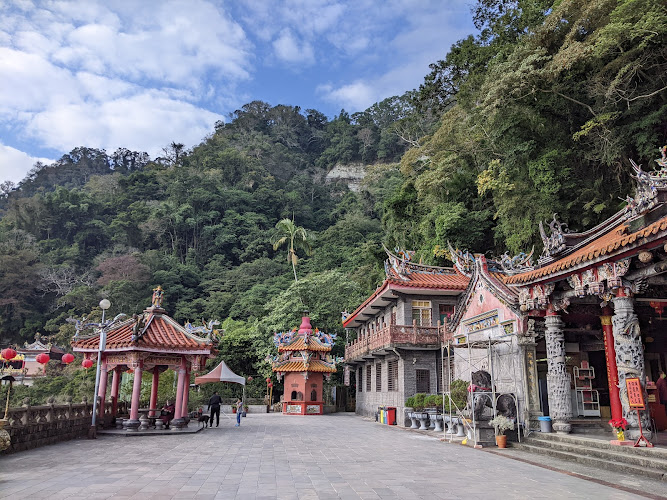
Shitoushan Quanhua Temple stands as one of Taiwan’s most remarkable spiritual destinations, carved right into the rugged foothill caves during the 19th century. I’ve always been fascinated by places where nature and human craftsmanship merge so seamlessly, and this temple complex absolutely delivers on that front. The moment you approach the site, you’ll notice the intricate dragon carvings that wind their way through the stone surfaces – these aren’t just decorative touches but rather masterful works of art that took skilled artisans years to complete.
What makes this temple truly special is its dual religious significance. It serves both Taoist and Buddhist worshippers, creating this unique spiritual atmosphere where two ancient Eastern philosophies coexist peacefully. And honestly, that’s something you don’t see every day. The temple complex has grown from its humble cave origins into a sprawling sacred site that attracts thousands of visitors annually, both pilgrims seeking spiritual enlightenment and travelers like yourself who appreciate architectural marvels set against stunning natural backdrops.
The caves themselves tell a story of devotion and determination. Building anything into solid rock is no small feat, but to create something this ornate and detailed? That’s a whole different level of commitment. Walking through the caverns, you’ll experience temperature changes and hear the echo of your footsteps bouncing off ancient stone walls – it’s an immersive experience that modern buildings just can’t replicate.
Key Features
The temple offers several distinctive elements that make it worth the journey:
• Elaborate dragon carvings etched directly into the cave walls and rock surfaces, showcasing traditional Chinese artistry at its finest
• Multiple cave chambers interconnected through pathways carved into the mountain, each serving different ceremonial purposes
• Ancient Buddhist and Taoist shrines housed within naturally formed grottos, creating an ethereal worship environment
• Mountaineering opportunities for the more adventurous visitors who want to explore the surrounding peaks and trails
• Ornate altar pieces and religious artifacts spanning different dynasties and historical periods
• Natural ventilation systems within the caves that maintain surprisingly comfortable temperatures year-round
• Viewing platforms offering panoramic vistas of the surrounding valleys and distant mountain ranges
• Traditional incense burners and ceremonial spaces where active worship still takes place daily
• Historical inscriptions and calligraphy preserved on cave walls, some dating back to the temple’s founding era
• Meditation chambers tucked into quieter sections of the cave network for those seeking contemplative solitude
• Architectural elements blending seamlessly with natural rock formations, demonstrating remarkable engineering from the 19th century
Best Time to Visit
Timing your visit to Shitoushan Quanhua Temple can make a significant difference in your experience. Spring months from March through May bring comfortable weather conditions perfect for exploring both the temple grounds and surrounding mountain trails. The temperatures hover in that sweet spot where you won’t overheat during your climb but won’t need heavy layers either.
Fall, particularly October and November, rivals spring as the ideal visiting season. The foliage around the temple transforms into gorgeous autumn colors, and the air quality tends to be excellent during these months. I remember reading accounts from visitors who described the morning mist rolling through the mountains during fall – apparently it creates this almost mystical atmosphere around the cave temples that’s absolutely worth experiencing.
Summer can get quite hot and humid, which makes the cave portions of the temple especially appealing since they stay naturally cool. But be prepared for potential afternoon thunderstorms between June and August. The caves do provide shelter, though, so you won’t be completely at the mercy of the weather.
Winter visits have their own charm, particularly for those who don’t mind cooler temperatures. The crowds thin out considerably from December through February, giving you more intimate access to the temple spaces. Just bundle up appropriately since the caves can feel even chillier than the outside air during these months.
Weekdays generally see fewer visitors than weekends, regardless of season. And here’s a tip I picked up – try to arrive early morning around 8 or 9 AM. You’ll beat the tour groups and have those magnificent dragon carvings almost to yourself for photography and quiet contemplation.
Religious festivals and ceremonies do draw larger crowds but offer unique cultural experiences. The atmosphere during these events is something special, with chanting, traditional music, and ceremonial activities you wouldn’t witness during regular visiting hours.
How to Get There
Reaching Shitoushan Quanhua Temple requires some planning, but it’s definitely manageable for independent travelers. Most visitors base themselves in nearby cities and make a day trip to the temple. Public transportation options exist, though they’re not as straightforward as you might hope.
If you’re comfortable navigating Taiwan’s bus system, regional buses do service the area, though schedules can be infrequent depending on the day of week. You’ll want to check current timetables before committing to this option because missing the last bus back could leave you stranded – and trust me, that’s not a situation you want to find yourself in.
Renting a car or scooter gives you the most flexibility for visiting the temple. The roads leading to Shitoushan are generally well-maintained, though they do wind through mountainous terrain with some steep sections and sharp curves. If you’re not experienced with mountain driving, take it slow and don’t let other vehicles pressure you into going faster than you’re comfortable with.
Taxi services and ride-sharing apps can get you there, but you’ll need to arrange your return trip carefully. The remote location means you can’t just hail a ride whenever you’re ready to leave. Some visitors negotiate with their driver to wait for them or return at a specified time – this costs more but eliminates the stress of being stranded.
Tour groups from major cities often include Shitoushan Quanhua Temple in their itineraries. While you’ll have less control over your schedule, the convenience factor is undeniable. Plus, you’ll have a guide explaining the historical and religious significance of what you’re seeing, which really enhances the experience.
The final approach to the temple involves some walking and stair climbing. The path is clearly marked, but wear appropriate footwear because the steps can be uneven in places, and moisture from the caves occasionally makes surfaces slippery.
Tips for Visiting
Preparing properly for your temple visit will make the experience much more enjoyable. First things first – wear comfortable walking shoes with good tread. Those ornate stairs carved into the rock may look beautiful, but they weren’t designed with modern safety standards in mind. I can’t stress this enough because one wrong step on smooth stone could really ruin your day.
Dress modestly out of respect for the active place of worship. This means covering shoulders and knees at minimum. Some visitors bring a light scarf or shawl to throw over tank tops or shorts if needed. The temple is still used for daily religious activities, and showing cultural sensitivity goes a long way.
Unfortunately, the temple doesn’t have wheelchair accessible entrances due to its cave construction and historical nature. The uneven terrain and numerous stairs make it challenging for visitors with mobility limitations. It’s worth knowing this upfront to avoid disappointment.
Restroom facilities are available on site, which is definitely appreciated given the remote location. However, they’re fairly basic, so adjust your expectations accordingly and perhaps bring some tissues just in case.
Photography is generally permitted in most areas, but always check for posted signs and be respectful during active ceremonies. Flash photography might be restricted in certain sections to preserve ancient artworks and carvings. The lighting inside caves can be tricky, so if you’re serious about photography, bring a camera that handles low light well.
Bring water and maybe some snacks, especially if you plan to explore the mountain trails. There aren’t restaurants or convenience stores right at the temple complex. Staying hydrated is crucial, particularly if you’re visiting during warmer months or planning to do some mountaineering.
The temperature difference between outside and inside the caves can be significant. Layer your clothing so you can adjust as needed. Even on hot summer days, the cave interiors stay surprisingly cool – pleasant for sure, but potentially chilly if you’re in there for extended periods.
If you’re interested in the religious aspects, consider bringing small denominations of cash for offerings or incense. Participating in these rituals isn’t required for visitors, but it can deepen your connection to the spiritual atmosphere of the place.
Respect the worshippers who come here for genuine religious purposes. Keep noise levels down, don’t interrupt ceremonies, and remember that you’re essentially a guest in someone else’s sacred space. A little cultural awareness makes everyone’s experience better.
The dragon carvings are the temple’s showpiece, but don’t rush through just to check them off your list. Take time to really observe the craftsmanship and artistry involved. Think about the dedication required to carve these intricate designs into solid rock using 19th century tools – it puts our modern conveniences into perspective.
Check weather forecasts before visiting, especially during typhoon season. Mountain weather can change rapidly, and being caught in a severe storm while exploring caves and cliff-side pathways isn’t ideal. When in doubt, postpone your visit for safer conditions.
Consider hiring a local guide if you want deeper insights into the temple’s history and religious significance. They can point out details you’d otherwise miss and explain the stories behind various carvings and shrines. The added context transforms the visit from simple sightseeing into genuine cultural education.