
Xhamia e Llapit
About Xhamia e Llapit
Description
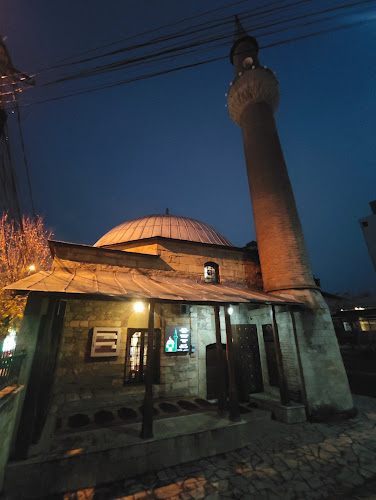
Xhamia e Llapit, also known as the Llapi Mosque or Ramadan Mosque, is one of those places that quietly pulls you in without needing to shout about its importance. Built back in the 15th century during the Ottoman era, it has stood for centuries as both a house of worship and a living reminder of Pristina’s layered history. You don’t need to be religious to appreciate it—though if you are, you’ll feel the spiritual weight the moment you step inside. The mosque carries that rare combination of simplicity and elegance, with Ottoman-style arches, a tall minaret, and delicate interior calligraphy that has survived the test of time.
Walking into the mosque, you’ll notice how the light filters through small windows, creating patterns that shift with the day. It’s not grand in a flashy way, but it’s beautiful in that understated, slightly worn way that makes you feel like you’re stepping into a story. Some visitors find it calming, others are fascinated by its architecture, and a few might walk away underwhelmed if they’re expecting a huge, ornate landmark. But that’s kind of the charm—it’s not trying to impress, it just is what it is. And that authenticity, in my opinion, makes it worth a stop.
The mosque sits in the northern part of Pristina’s old city center, surrounded by the bustle of daily life. Inside, though, it’s quiet, almost like time slows down a bit. It’s also practical for travelers: there’s a restroom on site, and the entrance is wheelchair accessible, which isn’t always the case with historic buildings in this region. For anyone curious about Kosovo’s cultural and religious heritage, this mosque is a great place to start because it bridges history, faith, and everyday life in one spot.
Key Features
- Built in the 15th century during the Ottoman Empire, making it one of the oldest mosques in Pristina
- Features traditional Ottoman architectural design with a tall minaret and a prayer hall
- Interior decorated with calligraphy and natural light that creates a serene atmosphere
- Located in the old city center, close to other attractions and local markets
- Wheelchair accessible entrance and on-site restrooms for convenience
- Functions both as an active place of worship and a cultural heritage site
Best Time to Visit
If you’re planning to visit, mornings are usually the best. The mosque feels especially peaceful early in the day, and the light through the windows is softer, almost golden. Fridays can be busier because of the main prayer service, so unless you want to experience the energy of a packed prayer hall, you might prefer another day of the week. Summer afternoons can get hot in Pristina, and while the mosque offers shade, it’s more comfortable to explore in the cooler hours. Personally, I think spring and autumn are the sweet spots—the weather is mild, and the city feels alive without being overwhelming.
And a little tip from my own experience: if you’re the type who enjoys photography, late afternoon light can make the exterior glow in a way that’s hard to capture at any other time. Just be mindful of prayer times and people’s privacy.
How to Get There
Reaching Xhamia e Llapit is pretty straightforward if you’re already in Pristina. The mosque is located in the old part of the city, which means you can easily walk there if you’re staying near the center. The streets around it are lively, with shops, cafés, and local vendors, so the walk itself becomes part of the experience. If walking isn’t your thing, taxis are affordable and will drop you nearby. Public transport can also get you close, though it might take a bit of navigating if you’re new to the city.
I remember the first time I tried to find it—I ended up taking a wrong turn and stumbled into a little bakery where the owner insisted I try a piece of warm burek before pointing me in the right direction. Honestly, that detour was just as memorable as the mosque itself. So don’t stress too much if you get a bit lost; in Pristina, those small moments often turn into the highlights of your trip.
Tips for Visiting
Visiting a mosque, especially an active one, comes with a bit of etiquette. Dress modestly—long trousers for men, and women might want to bring a scarf to cover their hair. Shoes need to come off before entering, so wearing socks is a good idea. If you’re unsure about timing, try to avoid visiting during prayer hours, especially the Friday midday prayer, when the mosque is busiest.
Photography is usually fine outside, but always ask before taking pictures inside. Some visitors can be disappointed if they expect a grand, ornate interior like you’d find in Istanbul or Cairo, but the beauty here is in its simplicity and authenticity. Take a moment to sit quietly, even if you’re not religious—it’s surprising how grounding it can feel.
One more tip: combine your visit with a stroll through the old bazaar nearby. It gives you a fuller sense of Pristina’s history and daily rhythm. And if you’re like me, you’ll probably end up chatting with locals who are more than happy to share stories about the mosque and what it means to them. That human connection is what makes places like Xhamia e Llapit more than just another stop on your travel list.
Key Features
- Built in the 15th century during the Ottoman Empire, making it one of the oldest mosques in Pristina
- Features traditional Ottoman architectural design with a tall minaret and a prayer hall
- Interior decorated with calligraphy and natural light that creates a serene atmosphere
- Located in the old city center, close to other attractions and local markets
- Wheelchair accessible entrance and on-site restrooms for convenience
- Functions both as an active place of worship and a cultural heritage site
More Details
Updated October 1, 2025
Description
Xhamia e Llapit, also known as the Llapi Mosque or Ramadan Mosque, is one of those places that quietly pulls you in without needing to shout about its importance. Built back in the 15th century during the Ottoman era, it has stood for centuries as both a house of worship and a living reminder of Pristina’s layered history. You don’t need to be religious to appreciate it—though if you are, you’ll feel the spiritual weight the moment you step inside. The mosque carries that rare combination of simplicity and elegance, with Ottoman-style arches, a tall minaret, and delicate interior calligraphy that has survived the test of time.
Walking into the mosque, you’ll notice how the light filters through small windows, creating patterns that shift with the day. It’s not grand in a flashy way, but it’s beautiful in that understated, slightly worn way that makes you feel like you’re stepping into a story. Some visitors find it calming, others are fascinated by its architecture, and a few might walk away underwhelmed if they’re expecting a huge, ornate landmark. But that’s kind of the charm—it’s not trying to impress, it just is what it is. And that authenticity, in my opinion, makes it worth a stop.
The mosque sits in the northern part of Pristina’s old city center, surrounded by the bustle of daily life. Inside, though, it’s quiet, almost like time slows down a bit. It’s also practical for travelers: there’s a restroom on site, and the entrance is wheelchair accessible, which isn’t always the case with historic buildings in this region. For anyone curious about Kosovo’s cultural and religious heritage, this mosque is a great place to start because it bridges history, faith, and everyday life in one spot.
Key Features
- Built in the 15th century during the Ottoman Empire, making it one of the oldest mosques in Pristina
- Features traditional Ottoman architectural design with a tall minaret and a prayer hall
- Interior decorated with calligraphy and natural light that creates a serene atmosphere
- Located in the old city center, close to other attractions and local markets
- Wheelchair accessible entrance and on-site restrooms for convenience
- Functions both as an active place of worship and a cultural heritage site
Best Time to Visit
If you’re planning to visit, mornings are usually the best. The mosque feels especially peaceful early in the day, and the light through the windows is softer, almost golden. Fridays can be busier because of the main prayer service, so unless you want to experience the energy of a packed prayer hall, you might prefer another day of the week. Summer afternoons can get hot in Pristina, and while the mosque offers shade, it’s more comfortable to explore in the cooler hours. Personally, I think spring and autumn are the sweet spots—the weather is mild, and the city feels alive without being overwhelming.
And a little tip from my own experience: if you’re the type who enjoys photography, late afternoon light can make the exterior glow in a way that’s hard to capture at any other time. Just be mindful of prayer times and people’s privacy.
How to Get There
Reaching Xhamia e Llapit is pretty straightforward if you’re already in Pristina. The mosque is located in the old part of the city, which means you can easily walk there if you’re staying near the center. The streets around it are lively, with shops, cafés, and local vendors, so the walk itself becomes part of the experience. If walking isn’t your thing, taxis are affordable and will drop you nearby. Public transport can also get you close, though it might take a bit of navigating if you’re new to the city.
I remember the first time I tried to find it—I ended up taking a wrong turn and stumbled into a little bakery where the owner insisted I try a piece of warm burek before pointing me in the right direction. Honestly, that detour was just as memorable as the mosque itself. So don’t stress too much if you get a bit lost; in Pristina, those small moments often turn into the highlights of your trip.
Tips for Visiting
Visiting a mosque, especially an active one, comes with a bit of etiquette. Dress modestly—long trousers for men, and women might want to bring a scarf to cover their hair. Shoes need to come off before entering, so wearing socks is a good idea. If you’re unsure about timing, try to avoid visiting during prayer hours, especially the Friday midday prayer, when the mosque is busiest.
Photography is usually fine outside, but always ask before taking pictures inside. Some visitors can be disappointed if they expect a grand, ornate interior like you’d find in Istanbul or Cairo, but the beauty here is in its simplicity and authenticity. Take a moment to sit quietly, even if you’re not religious—it’s surprising how grounding it can feel.
One more tip: combine your visit with a stroll through the old bazaar nearby. It gives you a fuller sense of Pristina’s history and daily rhythm. And if you’re like me, you’ll probably end up chatting with locals who are more than happy to share stories about the mosque and what it means to them. That human connection is what makes places like Xhamia e Llapit more than just another stop on your travel list.
Key Highlights
- Built in the 15th century during the Ottoman Empire, making it one of the oldest mosques in Pristina
- Features traditional Ottoman architectural design with a tall minaret and a prayer hall
- Interior decorated with calligraphy and natural light that creates a serene atmosphere
- Located in the old city center, close to other attractions and local markets
- Wheelchair accessible entrance and on-site restrooms for convenience
- Functions both as an active place of worship and a cultural heritage site
Location
Places to Stay Near Xhamia e Llapit
Find and Book a Tour
Explore More Travel Guides
No reviews found! Be the first to review!
Traveler Reviews for Xhamia e Llapit
There are no reviews yet. Be the first one to write one.
Have you visited Xhamia e Llapit? Help other travelers by sharing your review.
You Might Also Like

The Great Mosque
Prishtina Glamping
Ibrahim Rugova Statue
Find Accommodations Nearby
Recommended Tours & Activities
Visitor Reviews
There are no reviews yet. Be the first one to write one.
Share Your Experience
Have you visited Xhamia e Llapit? Help other travelers by leaving a review.