
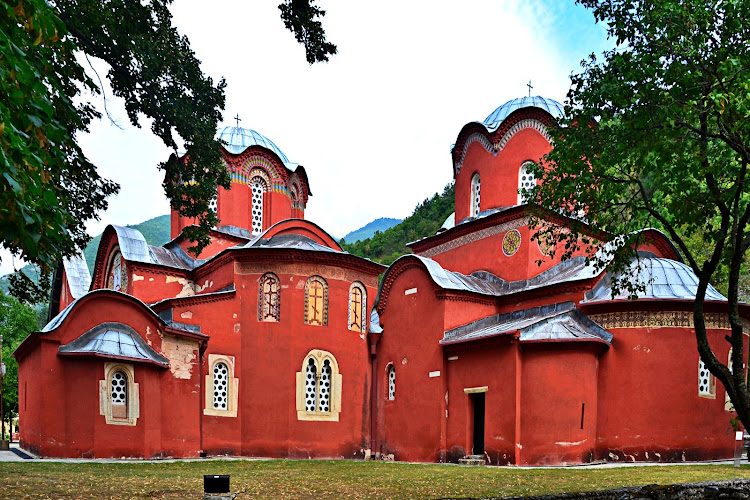
Patrikana e Pejës (Albanian Orthodox monastery)
About Patrikana e Pejës (Albanian Orthodox monastery)
Description
The Patrikana e Pejës, often referred to as the Patriarchate of Peć, is one of those places that feels like it carries centuries of whispers in its walls. Dating back to the 13th century, this Orthodox monastery is more than just a religious site—it’s a living archive of Balkan history, faith, and artistry. Travelers who walk through its gates often remark on the sense of calm that settles over them, even if they’re not particularly religious. It’s not just about the frescoes or the stonework (though those are breathtaking), but about the way time seems to slow down here.
The monastery complex has been a spiritual seat for Serbian Orthodox archbishops and patriarchs for generations, and at the same time, it holds a deep cultural resonance for the wider region. Its architecture blends Byzantine and Romanesque elements, and the frescoes inside are considered masterpieces of medieval art. Some areas show the wear and tear of centuries, but that imperfection is part of the charm—it feels authentic, not overly polished. Visitors often describe the site as both solemn and beautiful, a place where history and spirituality intertwine naturally.
While most people leave with glowing impressions, a few note that the site can feel crowded during peak pilgrimage times, or that the facilities aren’t as modern as they expected. Still, the overwhelming consensus is that this monastery is a treasure worth experiencing. Whether you’re drawn by faith, history, or just curiosity, Patrikana e Pejës offers an encounter with a past that still feels alive today.
Key Features
- 13th-century Orthodox monastery and former seat of the Serbian Patriarchate
- UNESCO World Heritage recognition for cultural and historical significance
- Complex of multiple churches with unique Byzantine-Romanesque architecture
- Intricate medieval frescoes depicting biblical scenes and saints
- Spiritual pilgrimage site still active with religious services
- Wheelchair accessible entrances, parking, and restrooms
- Restroom facilities available on-site
- Peaceful grounds surrounded by natural landscapes near Peja
Best Time to Visit
If you ask locals, they’ll tell you spring and autumn are the sweet spots for visiting Patrikana e Pejës. During these seasons, the weather is mild, the surrounding hills are either bursting with wildflowers or glowing with autumn leaves, and the monastery grounds feel especially serene. Summer can get hot, and while the stone walls offer some relief, the crowds tend to swell during holidays and festivals. Winter has its own charm—snow dusting the red roofs and quiet courtyards—but it’s definitely less convenient for those not used to Balkan winters.
Personally, I found late September to be perfect. The light had that golden hue that photographers chase, and the air was crisp enough to make walking around comfortable without being chilly. If you’re someone who loves avoiding the tourist rush, weekdays outside of major Orthodox feast days are your best bet.
How to Get There
Reaching Patrikana e Pejës isn’t complicated, but it does require a bit of planning depending on where you’re starting. The monastery sits just outside the city of Peja, which is well-connected by road to other parts of Kosovo. From Pristina, the capital, it’s about a two-hour drive through scenic countryside and mountain views that make the journey part of the experience. Buses run regularly between Pristina and Peja, and from the Peja bus station you can take a short taxi ride to the monastery itself.
For those traveling from Montenegro or Albania, Peja is often the first major stop after crossing the border, making the monastery an easy addition to your itinerary. Driving is straightforward, though parking near the site can get tight during busy times, so arriving earlier in the day is smart. And if you’re like me and enjoy walking, the short stroll from central Peja to the monastery is doable, giving you a chance to soak in the city’s atmosphere before stepping into a completely different world.
Tips for Visiting
Visiting Patrikana e Pejës is a rewarding experience, but a little preparation goes a long way. Here are a few tips I’ve picked up, both from my own visit and from chatting with other travelers:
- Dress respectfully: This is an active religious site, so modest clothing is expected. Covering shoulders and knees is a good rule of thumb.
- Photography rules: While the exterior is fair game for photos, inside the churches it’s often restricted. Always ask before snapping pictures of frescoes or services.
- Timing matters: Arrive early in the morning or later in the afternoon to avoid the heaviest crowds, especially on weekends or religious holidays.
- Bring cash: Donations are appreciated, and small purchases like candles or souvenirs are usually cash-only.
- Accessibility: The site has wheelchair accessible entrances, restrooms, and parking, which makes it more inclusive than many other medieval monasteries in the region.
- Take your time: Don’t rush. The frescoes deserve more than a quick glance, and the quiet gardens are perfect for just sitting and soaking in the atmosphere.
And one last thing—don’t be surprised if you find yourself lingering longer than planned. I remember thinking I’d spend maybe an hour here, but I ended up staying the better part of an afternoon, just wandering, sketching, and people-watching. It’s that kind of place: it pulls you in, gently, and makes you forget about your schedule. If you let it, Patrikana e Pejës can be more than just a stop on your trip—it can be a memory that stays with you long after you’ve left.
Key Features
- 13th-century Orthodox monastery and former seat of the Serbian Patriarchate
- UNESCO World Heritage recognition for cultural and historical significance
- Complex of multiple churches with unique Byzantine-Romanesque architecture
- Intricate medieval frescoes depicting biblical scenes and saints
- Spiritual pilgrimage site still active with religious services
- Wheelchair accessible entrances, parking, and restrooms
- Restroom facilities available on-site
- Peaceful grounds surrounded by natural landscapes near Peja
More Details
Updated October 1, 2025
Description
The Patrikana e Pejës, often referred to as the Patriarchate of Peć, is one of those places that feels like it carries centuries of whispers in its walls. Dating back to the 13th century, this Orthodox monastery is more than just a religious site—it’s a living archive of Balkan history, faith, and artistry. Travelers who walk through its gates often remark on the sense of calm that settles over them, even if they’re not particularly religious. It’s not just about the frescoes or the stonework (though those are breathtaking), but about the way time seems to slow down here.
The monastery complex has been a spiritual seat for Serbian Orthodox archbishops and patriarchs for generations, and at the same time, it holds a deep cultural resonance for the wider region. Its architecture blends Byzantine and Romanesque elements, and the frescoes inside are considered masterpieces of medieval art. Some areas show the wear and tear of centuries, but that imperfection is part of the charm—it feels authentic, not overly polished. Visitors often describe the site as both solemn and beautiful, a place where history and spirituality intertwine naturally.
While most people leave with glowing impressions, a few note that the site can feel crowded during peak pilgrimage times, or that the facilities aren’t as modern as they expected. Still, the overwhelming consensus is that this monastery is a treasure worth experiencing. Whether you’re drawn by faith, history, or just curiosity, Patrikana e Pejës offers an encounter with a past that still feels alive today.
Key Features
- 13th-century Orthodox monastery and former seat of the Serbian Patriarchate
- UNESCO World Heritage recognition for cultural and historical significance
- Complex of multiple churches with unique Byzantine-Romanesque architecture
- Intricate medieval frescoes depicting biblical scenes and saints
- Spiritual pilgrimage site still active with religious services
- Wheelchair accessible entrances, parking, and restrooms
- Restroom facilities available on-site
- Peaceful grounds surrounded by natural landscapes near Peja
Best Time to Visit
If you ask locals, they’ll tell you spring and autumn are the sweet spots for visiting Patrikana e Pejës. During these seasons, the weather is mild, the surrounding hills are either bursting with wildflowers or glowing with autumn leaves, and the monastery grounds feel especially serene. Summer can get hot, and while the stone walls offer some relief, the crowds tend to swell during holidays and festivals. Winter has its own charm—snow dusting the red roofs and quiet courtyards—but it’s definitely less convenient for those not used to Balkan winters.
Personally, I found late September to be perfect. The light had that golden hue that photographers chase, and the air was crisp enough to make walking around comfortable without being chilly. If you’re someone who loves avoiding the tourist rush, weekdays outside of major Orthodox feast days are your best bet.
How to Get There
Reaching Patrikana e Pejës isn’t complicated, but it does require a bit of planning depending on where you’re starting. The monastery sits just outside the city of Peja, which is well-connected by road to other parts of Kosovo. From Pristina, the capital, it’s about a two-hour drive through scenic countryside and mountain views that make the journey part of the experience. Buses run regularly between Pristina and Peja, and from the Peja bus station you can take a short taxi ride to the monastery itself.
For those traveling from Montenegro or Albania, Peja is often the first major stop after crossing the border, making the monastery an easy addition to your itinerary. Driving is straightforward, though parking near the site can get tight during busy times, so arriving earlier in the day is smart. And if you’re like me and enjoy walking, the short stroll from central Peja to the monastery is doable, giving you a chance to soak in the city’s atmosphere before stepping into a completely different world.
Tips for Visiting
Visiting Patrikana e Pejës is a rewarding experience, but a little preparation goes a long way. Here are a few tips I’ve picked up, both from my own visit and from chatting with other travelers:
- Dress respectfully: This is an active religious site, so modest clothing is expected. Covering shoulders and knees is a good rule of thumb.
- Photography rules: While the exterior is fair game for photos, inside the churches it’s often restricted. Always ask before snapping pictures of frescoes or services.
- Timing matters: Arrive early in the morning or later in the afternoon to avoid the heaviest crowds, especially on weekends or religious holidays.
- Bring cash: Donations are appreciated, and small purchases like candles or souvenirs are usually cash-only.
- Accessibility: The site has wheelchair accessible entrances, restrooms, and parking, which makes it more inclusive than many other medieval monasteries in the region.
- Take your time: Don’t rush. The frescoes deserve more than a quick glance, and the quiet gardens are perfect for just sitting and soaking in the atmosphere.
And one last thing—don’t be surprised if you find yourself lingering longer than planned. I remember thinking I’d spend maybe an hour here, but I ended up staying the better part of an afternoon, just wandering, sketching, and people-watching. It’s that kind of place: it pulls you in, gently, and makes you forget about your schedule. If you let it, Patrikana e Pejës can be more than just a stop on your trip—it can be a memory that stays with you long after you’ve left.
Key Highlights
- 13th-century Orthodox monastery and former seat of the Serbian Patriarchate
- UNESCO World Heritage recognition for cultural and historical significance
- Complex of multiple churches with unique Byzantine-Romanesque architecture
- Intricate medieval frescoes depicting biblical scenes and saints
- Spiritual pilgrimage site still active with religious services
- Wheelchair accessible entrances, parking, and restrooms
- Restroom facilities available on-site
- Peaceful grounds surrounded by natural landscapes near Peja
Location
Places to Stay Near Patrikana e Pejës (Albanian Orthodox monastery)
Find and Book a Tour
Explore More Travel Guides
No reviews found! Be the first to review!
Traveler Reviews for Patrikana e Pejës (Albanian Orthodox monastery)
There are no reviews yet. Be the first one to write one.
Have you visited Patrikana e Pejës (Albanian Orthodox monastery)? Help other travelers by sharing your review.
You Might Also Like

Find Accommodations Nearby
Recommended Tours & Activities
Visitor Reviews
There are no reviews yet. Be the first one to write one.
Share Your Experience
Have you visited Patrikana e Pejës (Albanian Orthodox monastery)? Help other travelers by leaving a review.