

Pećka Patrijaršija
About Pećka Patrijaršija
Description
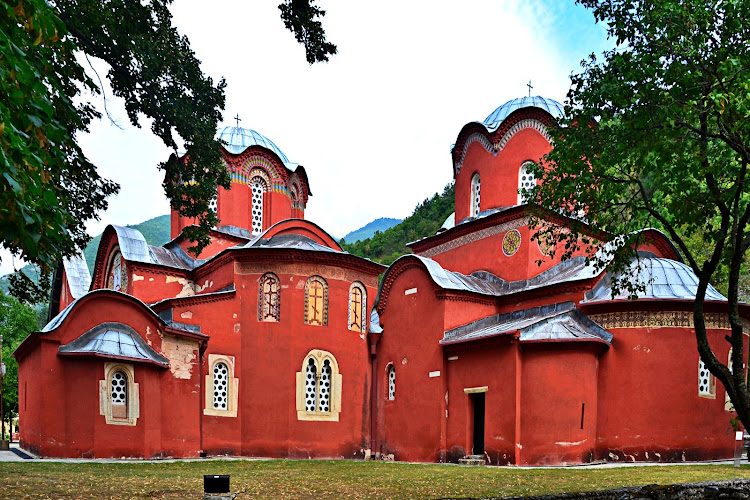
The Pećka Patrijaršija stands as one of Serbia's most remarkable spiritual landmarks, a place where centuries of Orthodox Christian heritage come alive through stunning frescoes and medieval architecture. I'll never forget my first glimpse of its red-roofed churches against the dramatic backdrop of the Rugova Canyon - it literally took my breath away! This 13th-century monastery complex served as the historic seat of the Serbian Orthodox Church and continues to be an active center of spiritual life today. What really sets this place apart is its collection of four interconnected churches, each with its own unique character and artistic treasures. The main church, dedicated to the Holy Apostles, showcases some of the finest examples of medieval Serbian art I've ever encountered. And trust me, I've seen quite a few monasteries in my travels! The walls are absolutely covered in colorful frescoes that tell biblical stories and depict Serbian saints - they're incredibly well-preserved considering their age.Key Features
• Four interconnected churches featuring distinct architectural styles • Extraordinarily well-preserved medieval frescoes dating from the 13th to 14th centuries • Original stone walls and architectural elements from its 13th-century construction • Active monastery with resident nuns who maintain traditional practices • Beautiful courtyard garden maintained by the monastery • Stunning location at the entrance of the Rugova Canyon • Treasury containing precious religious artifacts and manuscripts • Unique blend of Byzantine and Serbian medieval architectural elements • Traditional religious services still held regularly • Historic patriarchal throne and other original ecclesiastical furnitureBest Time to Visit
From my experience, late spring (May-June) and early fall (September-October) offer the most pleasant conditions for visiting Pećka Patrijaršija. The weather's usually just right - not too hot or cold - and the surrounding landscape bursts with color. Summer months can get pretty crowded with pilgrims and tourists, though the atmosphere is especially lively during religious festivals. If you're anything like me and prefer a more peaceful experience, try visiting during weekday mornings. That's when you'll find fewer visitors and can really soak in the spiritual atmosphere. But I gotta tell ya, there's something magical about attending a Sunday morning service here - the chanting echoes off those ancient walls in a way that gives me goosebumps every time.How to Get There
Getting to Pećka Patrijaršija isn't exactly a walk in the park, but that's part of what makes it special! The monastery is located just outside the city of Peć/Peja. If you're coming from Belgrade, you can catch a direct bus to Peć - it's about a 6-hour journey. From Pristina, it's much shorter, roughly 1.5 hours by car or bus. Once you're in Peć, you've got options. You can take a local taxi (that's what I did my first time), which is pretty affordable and takes about 10 minutes from the city center. If you're feeling energetic, it's actually a nice walk - about 2 kilometers from town. Just follow the signs, you can't miss it!Tips for Visiting
Y'know what I wish someone had told me before my first visit? Make sure to dress appropriately! This is an active monastery, so modest clothing is a must. Ladies should cover their shoulders and knees (they usually have scarves available if needed), and guys should avoid shorts. Photography is allowed in most areas, but always ask permission first - especially if there's a service going on. The nuns are usually happy to answer questions about the monastery's history, and some speak English. I'd recommend joining one of their guided tours if available - there's so much historical detail you might miss otherwise. Be sure to carry some cash for the small entrance fee and any donations you'd like to make. And here's a pro tip: bring a bottle of water and some snacks if you're planning a longer visit, as there aren't many facilities nearby. Try to set aside at least 2-3 hours for your visit. The first time I came, I rushed through in an hour and totally regretted not having more time to explore the details of those amazing frescoes. Oh, and don't forget to check out the gift shop - they've got some lovely handmade items created by the nuns. One last thing - if you're interested in photography, morning light tends to be best for exterior shots, while midday offers better lighting for viewing the frescoes inside. Just remember that flash photography isn't allowed near the frescoes - they're trying to preserve these incredible artworks for future generations to enjoy.Key Features
- Key Features
- Best Time to Visit
- How to Get There
- Tips for Visiting
More Details
Updated May 15, 2025
Description
The Pećka Patrijaršija stands as one of Serbia’s most remarkable spiritual landmarks, a place where centuries of Orthodox Christian heritage come alive through stunning frescoes and medieval architecture. I’ll never forget my first glimpse of its red-roofed churches against the dramatic backdrop of the Rugova Canyon – it literally took my breath away! This 13th-century monastery complex served as the historic seat of the Serbian Orthodox Church and continues to be an active center of spiritual life today.
What really sets this place apart is its collection of four interconnected churches, each with its own unique character and artistic treasures. The main church, dedicated to the Holy Apostles, showcases some of the finest examples of medieval Serbian art I’ve ever encountered. And trust me, I’ve seen quite a few monasteries in my travels! The walls are absolutely covered in colorful frescoes that tell biblical stories and depict Serbian saints – they’re incredibly well-preserved considering their age.
Key Features
• Four interconnected churches featuring distinct architectural styles
• Extraordinarily well-preserved medieval frescoes dating from the 13th to 14th centuries
• Original stone walls and architectural elements from its 13th-century construction
• Active monastery with resident nuns who maintain traditional practices
• Beautiful courtyard garden maintained by the monastery
• Stunning location at the entrance of the Rugova Canyon
• Treasury containing precious religious artifacts and manuscripts
• Unique blend of Byzantine and Serbian medieval architectural elements
• Traditional religious services still held regularly
• Historic patriarchal throne and other original ecclesiastical furniture
Best Time to Visit
From my experience, late spring (May-June) and early fall (September-October) offer the most pleasant conditions for visiting Pećka Patrijaršija. The weather’s usually just right – not too hot or cold – and the surrounding landscape bursts with color. Summer months can get pretty crowded with pilgrims and tourists, though the atmosphere is especially lively during religious festivals.
If you’re anything like me and prefer a more peaceful experience, try visiting during weekday mornings. That’s when you’ll find fewer visitors and can really soak in the spiritual atmosphere. But I gotta tell ya, there’s something magical about attending a Sunday morning service here – the chanting echoes off those ancient walls in a way that gives me goosebumps every time.
How to Get There
Getting to Pećka Patrijaršija isn’t exactly a walk in the park, but that’s part of what makes it special! The monastery is located just outside the city of Peć/Peja. If you’re coming from Belgrade, you can catch a direct bus to Peć – it’s about a 6-hour journey. From Pristina, it’s much shorter, roughly 1.5 hours by car or bus.
Once you’re in Peć, you’ve got options. You can take a local taxi (that’s what I did my first time), which is pretty affordable and takes about 10 minutes from the city center. If you’re feeling energetic, it’s actually a nice walk – about 2 kilometers from town. Just follow the signs, you can’t miss it!
Tips for Visiting
Y’know what I wish someone had told me before my first visit? Make sure to dress appropriately! This is an active monastery, so modest clothing is a must. Ladies should cover their shoulders and knees (they usually have scarves available if needed), and guys should avoid shorts.
Photography is allowed in most areas, but always ask permission first – especially if there’s a service going on. The nuns are usually happy to answer questions about the monastery’s history, and some speak English. I’d recommend joining one of their guided tours if available – there’s so much historical detail you might miss otherwise.
Be sure to carry some cash for the small entrance fee and any donations you’d like to make. And here’s a pro tip: bring a bottle of water and some snacks if you’re planning a longer visit, as there aren’t many facilities nearby.
Try to set aside at least 2-3 hours for your visit. The first time I came, I rushed through in an hour and totally regretted not having more time to explore the details of those amazing frescoes. Oh, and don’t forget to check out the gift shop – they’ve got some lovely handmade items created by the nuns.
One last thing – if you’re interested in photography, morning light tends to be best for exterior shots, while midday offers better lighting for viewing the frescoes inside. Just remember that flash photography isn’t allowed near the frescoes – they’re trying to preserve these incredible artworks for future generations to enjoy.
Key Highlights
- Key Features
- Best Time to Visit
- How to Get There
- Tips for Visiting
Location
Places to Stay Near Pećka Patrijaršija
Find and Book a Tour
Explore More Travel Guides
No reviews found! Be the first to review!
Traveler Reviews for Pećka Patrijaršija
There are no reviews yet. Be the first one to write one.
Have you visited Pećka Patrijaršija? Help other travelers by sharing your review.
You Might Also Like
Find Accommodations Nearby
Recommended Tours & Activities
Visitor Reviews
There are no reviews yet. Be the first one to write one.
Share Your Experience
Have you visited Pećka Patrijaršija? Help other travelers by leaving a review.