
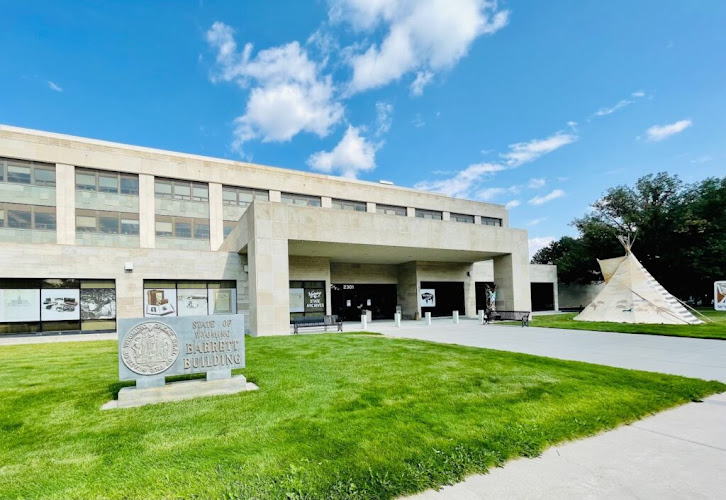
Wyoming State Museum
About Wyoming State Museum
Description
Oh, the Wyoming State Museum. If you’re even a little bit curious about what makes Wyoming, well, Wyoming—this is where you’ll get your answers. I’ll admit, the first time I visited, I wasn’t sure what to expect (museums sometimes have that stuffy reputation, right?), but I think my entire perspective on the Cowboy State sharpened after just an hour or two wandering these halls. There’s this seamless flow, taking you from ancient fossils and bison bones all the way up to present-day stories about the people who call Wyoming home (and, naturally, yes, a cowboy or ten).
It’s a treasure trove for anyone with even the faintest interest in history, wildlife, indigenous cultures, or just how the West came to be. The museum manages to keep things intimate, approachable, even when it’s covering the seriously big stuff like prairies forming or mammoths lumbering through what’s now open range. It’s genuinely kid-friendly, but honestly, I’d go back alone in a heartbeat—no children required. Speaking as someone who likes to know more than what’s on the surface, I appreciated displays that went past the iconic cowboy hats and into the nitty-gritty of Wyoming’s mining and railroads (who knew how wild that could get?).
One thing you’ll pick up on fast is how much care the staff puts into the experience. You get that small-town warmth but with big-city attention to historical detail. There are hands-on exhibits—think fossils you can touch, recreated homesteads, and detailed dioramas—and plenty of artifacts with the kinds of stories you’ll find yourself repeating later. The atmosphere’s less “walk slowly and don’t touch” and more “linger, ask questions, see what you find.” A lot of museums try too hard to be slick or high-tech, but this one gets by on charm, genuine history, and a dash of quirky storytelling. Not every display knocks it out of the park (hey, it’s not the Smithsonian), but for a free museum, it’s surprisingly comprehensive.
What surprised me? How many current Wyoming issues—like conservation and ranching—are explained through personal stories or little surprise corners in the museum. It gives you this sense that Wyoming isn’t just Old West nostalgia, but a place very much alive and evolving. If you’re a planner, go! If you’re a casual wanderer, you’ll find more than you expected. And if you’re wrangling kids (I’ve brought my nephew), know that he was talking about the fossil area for days and still asks when we’re going back.
Key Features
- Permanent and rotating exhibits illustrating Wyoming’s past from prehistoric life to pioneer days right through to the oil booms and today’s environmental challenges
- Expansive fossil collection—yes, even big dinosaur bits, and hands-on fossil activities where you’re not just looking from behind glass
- Authentic Native American cultural artifacts and exhibits, featuring stories and objects from the Eastern Shoshone, Northern Arapaho, and other Wyoming tribes
- Interactive children’s zones—my nephew’s favorite, with touch tables, puzzles, and creative play spaces
- Immersive historical displays: Step into a one-room schoolhouse, peer into a pioneer kitchen, marvel at old mining tools (I never realized how dangerous those jobs were!)
- Free tours with knowledgeable guides who, frankly, love their jobs. Ask them anything—half the fun is the stories they tell
- On-site theater running short films about Wyoming’s landscapes, wildlife, and heritage
- All-ages accessibility: wheelchair rentals, ramps, accessible parking, and restrooms all thoughtfully provided
- No entrance fee—truly one of those precious free museum finds in a capital city
- Compact yet packed gift shop—worry not, you’ll find a quirky Wyoming keepsake or two (last time, I almost bought a plush bison… for myself)
- Free Wi-Fi so you can quickly fact-check that “Did you know?” moment or upload a story to your socials
- Clean, spacious restrooms (look, that matters, especially with kids in tow)
- On-site and easy street parking. No circling for twenty minutes or parallel parking stress
Best Time to Visit
Here’s my honest take—the Wyoming State Museum is solid all year, but a bit of strategy helps. If you’re after a relaxed, crowd-free visit, aim for a weekday morning. Summers can get lively thanks to families road-tripping through, and local school field trips often show up mid-morning during spring and fall (I learned this the hard way—charming, but loud). Winters are surprisingly calm. If you’re inclined toward quiet reflection, bundle up and go in January or February. There’s a cozy hush to the place during those while-the-snow-flies months.
Special events and rotating exhibits tend to drop in spring and early fall—honestly, some of their temporary displays are absolute gold. Want to catch a curator talk or a free tour? Weekends are solid bets, but check ahead (some are small-group, first-come, first-served). And if you’re hoping to pair your museum stop with other downtown Cheyenne events, try timing your visit with summer festivals or Cheyenne Frontier Days for a day full of local color. My advice: if you see a school bus in the lot, grab a coffee nearby and try again in half an hour.
How to Get There
The Wyoming State Museum is right in the heart of Cheyenne’s downtown, making it pretty much a breeze to reach whether you’re driving in off I-80 or staying at a nearby hotel. If you’re coming by car, there’s a handy (and free!) parking lot right outside, plus plenty of street parking that won’t cost you a dime. Believe me, after circling city museums elsewhere for what feels like forever, that alone is a relief.
Cheyenne itself is a straight shot from both Denver and Fort Collins—about a 90-minute drive north from Denver International Airport, putting a quick day-trip well within reach if you’re basing yourself in northern Colorado. And for those hopping around town, the Cheyenne Transit bus system has stops nearby, so public transportation is doable, though walking from most downtown hotels is also super practical (I’ve done it with a suitcase, no sweat).
If you’re cycling, Cheyenne is surprisingly bike-friendly, at least in the downtown core. Just remember, the wind blows hard more days than not. (Bring a hair tie or a hat—you’ve been warned.) Once you’re on the grounds, everything’s accessible and well-signed. I once arrived with a group of six, stroller-and-wheelchair in tow, and we all got around just fine. Major win.
Tips for Visiting
Let’s talk insider tips. First off—don’t rush. You might think, “It’s a relatively small museum. I’ll breeze through in forty minutes.” But I daresay you’d miss so many hidden gems if you don’t poke into every corner, read a few longer placards, or strike up a chat with the docents. The volunteers bring exhibits to life in a way no printed sign can.
If you have kiddos, hit the children’s discovery area early on—energy wears out quicker than you think, and it gives adults a moment to catch their breath. Keep snacks handy for the little ones, though there isn’t an on-site cafe or restaurant. You can always picnic at nearby parks, but I’ve learned the hard way: a hungry child turns even the friendliest museum into an Olympic sprint.
Photography is generally welcomed (sans flash), so snap away—and don’t forget shots of the quirky taxidermy! There’s free Wi-Fi, so sharing in real time is a breeze. Wear comfy shoes; the museum isn’t massive, but the urge to double back for a second look is real (I must’ve circled the fossil exhibit three times before I was satisfied).
Accessibility is something the staff clearly cares about. Wheelchairs are available for use, and there are plenty of ramps, so anyone in your group should feel welcome. If you’re traveling with older adults or folks with mobility issues, this is one stop where you won’t need to fret.
My last suggestion—make time for the gift shop. I know, every museum says theirs is worth a stop, but with affordable, Wyoming-inspired souvenirs, it’s low-pressure and generally features some local artists and writers. I always snag a postcard or two. And, if you’re lucky enough to chat with a staffer about their favorite hidden exhibit, you may just get a mini-tour with stories that aren’t on any sign.
One final thought: take the chance to slow down and really soak in the way Wyoming’s history is told here—warts and all, joys and struggles, the real lives beyond the legends. You’ll walk out not just knowing more, but feeling a bit of that old western grit and warmth. And hey, even if the dinosaurs don’t win you over, those stories from frontier days probably will.
Key Features
- Permanent and rotating exhibits illustrating Wyoming’s past from prehistoric life to pioneer days right through to the oil booms and today’s environmental challenges
- Expansive fossil collection—yes, even big dinosaur bits, and hands-on fossil activities where you’re not just looking from behind glass
- Authentic Native American cultural artifacts and exhibits, featuring stories and objects from the Eastern Shoshone, Northern Arapaho, and other Wyoming tribes
- Interactive children’s zones—my nephew’s favorite, with touch tables, puzzles, and creative play spaces
- Immersive historical displays: Step into a one-room schoolhouse, peer into a pioneer kitchen, marvel at old mining tools (I never realized how dangerous those jobs were!)
- Free tours with knowledgeable guides who, frankly, love their jobs. Ask them anything—half the fun is the stories they tell
- On-site theater running short films about Wyoming’s landscapes, wildlife, and heritage
- All-ages accessibility: wheelchair rentals, ramps, accessible parking, and restrooms all thoughtfully provided
More Details
Updated July 1, 2025
Table of Contents
Description
Oh, the Wyoming State Museum. If you’re even a little bit curious about what makes Wyoming, well, Wyoming—this is where you’ll get your answers. I’ll admit, the first time I visited, I wasn’t sure what to expect (museums sometimes have that stuffy reputation, right?), but I think my entire perspective on the Cowboy State sharpened after just an hour or two wandering these halls. There’s this seamless flow, taking you from ancient fossils and bison bones all the way up to present-day stories about the people who call Wyoming home (and, naturally, yes, a cowboy or ten).
It’s a treasure trove for anyone with even the faintest interest in history, wildlife, indigenous cultures, or just how the West came to be. The museum manages to keep things intimate, approachable, even when it’s covering the seriously big stuff like prairies forming or mammoths lumbering through what’s now open range. It’s genuinely kid-friendly, but honestly, I’d go back alone in a heartbeat—no children required. Speaking as someone who likes to know more than what’s on the surface, I appreciated displays that went past the iconic cowboy hats and into the nitty-gritty of Wyoming’s mining and railroads (who knew how wild that could get?).
One thing you’ll pick up on fast is how much care the staff puts into the experience. You get that small-town warmth but with big-city attention to historical detail. There are hands-on exhibits—think fossils you can touch, recreated homesteads, and detailed dioramas—and plenty of artifacts with the kinds of stories you’ll find yourself repeating later. The atmosphere’s less “walk slowly and don’t touch” and more “linger, ask questions, see what you find.” A lot of museums try too hard to be slick or high-tech, but this one gets by on charm, genuine history, and a dash of quirky storytelling. Not every display knocks it out of the park (hey, it’s not the Smithsonian), but for a free museum, it’s surprisingly comprehensive.
What surprised me? How many current Wyoming issues—like conservation and ranching—are explained through personal stories or little surprise corners in the museum. It gives you this sense that Wyoming isn’t just Old West nostalgia, but a place very much alive and evolving. If you’re a planner, go! If you’re a casual wanderer, you’ll find more than you expected. And if you’re wrangling kids (I’ve brought my nephew), know that he was talking about the fossil area for days and still asks when we’re going back.
Key Features
- Permanent and rotating exhibits illustrating Wyoming’s past from prehistoric life to pioneer days right through to the oil booms and today’s environmental challenges
- Expansive fossil collection—yes, even big dinosaur bits, and hands-on fossil activities where you’re not just looking from behind glass
- Authentic Native American cultural artifacts and exhibits, featuring stories and objects from the Eastern Shoshone, Northern Arapaho, and other Wyoming tribes
- Interactive children’s zones—my nephew’s favorite, with touch tables, puzzles, and creative play spaces
- Immersive historical displays: Step into a one-room schoolhouse, peer into a pioneer kitchen, marvel at old mining tools (I never realized how dangerous those jobs were!)
- Free tours with knowledgeable guides who, frankly, love their jobs. Ask them anything—half the fun is the stories they tell
- On-site theater running short films about Wyoming’s landscapes, wildlife, and heritage
- All-ages accessibility: wheelchair rentals, ramps, accessible parking, and restrooms all thoughtfully provided
- No entrance fee—truly one of those precious free museum finds in a capital city
- Compact yet packed gift shop—worry not, you’ll find a quirky Wyoming keepsake or two (last time, I almost bought a plush bison… for myself)
- Free Wi-Fi so you can quickly fact-check that “Did you know?” moment or upload a story to your socials
- Clean, spacious restrooms (look, that matters, especially with kids in tow)
- On-site and easy street parking. No circling for twenty minutes or parallel parking stress
Best Time to Visit
Here’s my honest take—the Wyoming State Museum is solid all year, but a bit of strategy helps. If you’re after a relaxed, crowd-free visit, aim for a weekday morning. Summers can get lively thanks to families road-tripping through, and local school field trips often show up mid-morning during spring and fall (I learned this the hard way—charming, but loud). Winters are surprisingly calm. If you’re inclined toward quiet reflection, bundle up and go in January or February. There’s a cozy hush to the place during those while-the-snow-flies months.
Special events and rotating exhibits tend to drop in spring and early fall—honestly, some of their temporary displays are absolute gold. Want to catch a curator talk or a free tour? Weekends are solid bets, but check ahead (some are small-group, first-come, first-served). And if you’re hoping to pair your museum stop with other downtown Cheyenne events, try timing your visit with summer festivals or Cheyenne Frontier Days for a day full of local color. My advice: if you see a school bus in the lot, grab a coffee nearby and try again in half an hour.
How to Get There
The Wyoming State Museum is right in the heart of Cheyenne’s downtown, making it pretty much a breeze to reach whether you’re driving in off I-80 or staying at a nearby hotel. If you’re coming by car, there’s a handy (and free!) parking lot right outside, plus plenty of street parking that won’t cost you a dime. Believe me, after circling city museums elsewhere for what feels like forever, that alone is a relief.
Cheyenne itself is a straight shot from both Denver and Fort Collins—about a 90-minute drive north from Denver International Airport, putting a quick day-trip well within reach if you’re basing yourself in northern Colorado. And for those hopping around town, the Cheyenne Transit bus system has stops nearby, so public transportation is doable, though walking from most downtown hotels is also super practical (I’ve done it with a suitcase, no sweat).
If you’re cycling, Cheyenne is surprisingly bike-friendly, at least in the downtown core. Just remember, the wind blows hard more days than not. (Bring a hair tie or a hat—you’ve been warned.) Once you’re on the grounds, everything’s accessible and well-signed. I once arrived with a group of six, stroller-and-wheelchair in tow, and we all got around just fine. Major win.
Tips for Visiting
Let’s talk insider tips. First off—don’t rush. You might think, “It’s a relatively small museum. I’ll breeze through in forty minutes.” But I daresay you’d miss so many hidden gems if you don’t poke into every corner, read a few longer placards, or strike up a chat with the docents. The volunteers bring exhibits to life in a way no printed sign can.
If you have kiddos, hit the children’s discovery area early on—energy wears out quicker than you think, and it gives adults a moment to catch their breath. Keep snacks handy for the little ones, though there isn’t an on-site cafe or restaurant. You can always picnic at nearby parks, but I’ve learned the hard way: a hungry child turns even the friendliest museum into an Olympic sprint.
Photography is generally welcomed (sans flash), so snap away—and don’t forget shots of the quirky taxidermy! There’s free Wi-Fi, so sharing in real time is a breeze. Wear comfy shoes; the museum isn’t massive, but the urge to double back for a second look is real (I must’ve circled the fossil exhibit three times before I was satisfied).
Accessibility is something the staff clearly cares about. Wheelchairs are available for use, and there are plenty of ramps, so anyone in your group should feel welcome. If you’re traveling with older adults or folks with mobility issues, this is one stop where you won’t need to fret.
My last suggestion—make time for the gift shop. I know, every museum says theirs is worth a stop, but with affordable, Wyoming-inspired souvenirs, it’s low-pressure and generally features some local artists and writers. I always snag a postcard or two. And, if you’re lucky enough to chat with a staffer about their favorite hidden exhibit, you may just get a mini-tour with stories that aren’t on any sign.
One final thought: take the chance to slow down and really soak in the way Wyoming’s history is told here—warts and all, joys and struggles, the real lives beyond the legends. You’ll walk out not just knowing more, but feeling a bit of that old western grit and warmth. And hey, even if the dinosaurs don’t win you over, those stories from frontier days probably will.
Key Highlights
- Permanent and rotating exhibits illustrating Wyoming’s past from prehistoric life to pioneer days right through to the oil booms and today’s environmental challenges
- Expansive fossil collection—yes, even big dinosaur bits, and hands-on fossil activities where you’re not just looking from behind glass
- Authentic Native American cultural artifacts and exhibits, featuring stories and objects from the Eastern Shoshone, Northern Arapaho, and other Wyoming tribes
- Interactive children’s zones—my nephew’s favorite, with touch tables, puzzles, and creative play spaces
- Immersive historical displays: Step into a one-room schoolhouse, peer into a pioneer kitchen, marvel at old mining tools (I never realized how dangerous those jobs were!)
- Free tours with knowledgeable guides who, frankly, love their jobs. Ask them anything—half the fun is the stories they tell
- On-site theater running short films about Wyoming’s landscapes, wildlife, and heritage
- All-ages accessibility: wheelchair rentals, ramps, accessible parking, and restrooms all thoughtfully provided
Location
Places to Stay Near Wyoming State Museum
Find and Book a Tour
Explore More Travel Guides
No reviews found! Be the first to review!
Traveler Reviews for Wyoming State Museum
There are no reviews yet. Be the first one to write one.
Have you visited Wyoming State Museum? Help other travelers by sharing your review.
You Might Also Like
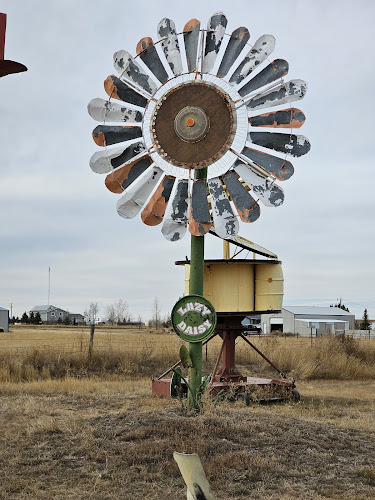
Wyoming Metal Art Roadside Attraction
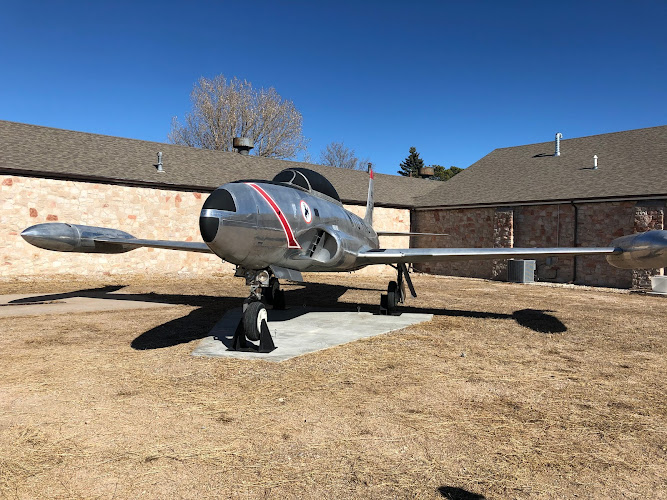
Wyoming National Guard Museum
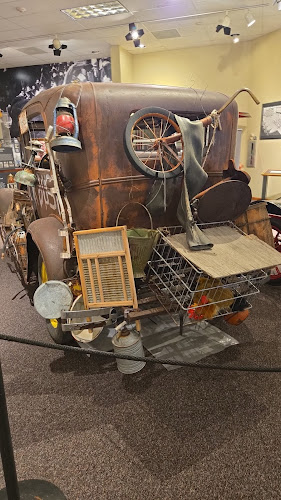
Cheyenne Frontier Days Old Museum
Find Accommodations Nearby
Recommended Tours & Activities
Visitor Reviews
There are no reviews yet. Be the first one to write one.
Share Your Experience
Have you visited Wyoming State Museum? Help other travelers by leaving a review.