
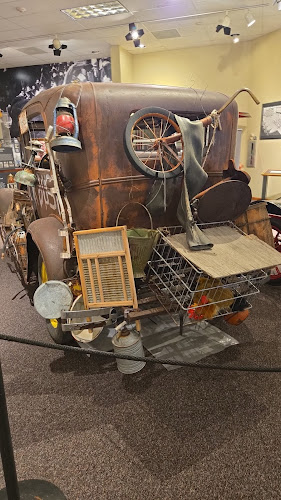
Cheyenne Frontier Days Old Museum
About Cheyenne Frontier Days Old Museum
Description
If you’re searching for that true Wild West experience that’s authentic but not overrun with crowds, the Cheyenne Frontier Days Old Museum hits just right. This isn’t your high-gloss, hands-off museum—it’s a throwback in every sense, a place where you can almost hear the echoes of cowboy boots on old wood floors and picture stagecoaches rolling in. I’ve wandered a lot of “history” museums, but this one has a special vibe. It kinda bridges that gap between an active community hub and a treasure trove for anyone who’s even a little bit into rodeos, cowboys, or Cheyenne’s quirky history.
Step inside and you’ll notice the atmosphere right away. There’s a mix of historic artifacts, local lore, and enough stories to keep your mind buzzing long after you leave. You’ll spot everything from rodeo memorabilia and art to funky relics of frontier engineering—stuff that feels personal, like you’re peeking into a real slice of the past. Unlike bigger museums, there’s an intimacy here, almost like the place is letting you in on a secret. The displays aren’t buried behind thick glass or roped off—many have little notes tucked alongside, and the volunteers love sharing inside scoops that never make the guidebooks.
Interestingly, the Cheyenne Frontier Days Old Museum straddles a few different purposes. It is a museum, sure, but you’ve got a gift shop on-site, and—something that takes most visitors by surprise—they dabble in some general contracting too. Non-profit at heart, every dollar plunked down for tickets or that souvenir bandana goes right back into the community. Even the entryways and parking are set up to be wheelchair-friendly, which (in my humble opinion) says a lot about the values underpinning this place. Accessibility here feels more than just a checkmark on a form.
Honestly, walking through, I get the sense this spot is more than just a time capsule or a roadside stop—it’s where locals and travelers both pause, slow down, and feel a connection with Cheyenne’s living history. The vibe is relaxed, the place is well-cared-for, and the stories? They feel, well, real. If you’ve ever wanted to touch the fabric of the Wild West (or just escape a cookie-cutter tourist trap), this is my recommendation.
Key Features
- Authentic Western Artifacts: Genuine rodeo gear, tack, costumes, and memorabilia take you deep into Cheyenne’s rodeo roots. There’s no fake aging here—everything has its own tale, often with hand-written cards that make you pause a little longer.
- Historic Photos & Exhibits: See vivid photo collections from decades of Frontier Days, some going way back before color film. They let you piece together not just history, but actual lives lived right here. One photo of a grizzled cowboy in his prime says more than a textbook ever could.
- Gift Shop Goodies: Not just your usual T-shirts and magnets—expect quirky western trinkets, thoughtful books, even handmade crafts that make great gifts. I found the cutest lasso keychain for my nephew. It’s the kind of stuff that feels like a real find.
- Community-Driven Events: The museum sometimes hosts workshops, talks, and hands-on projects. While these are often low-key, they’re gold if you love getting off the beaten path and chatting with true locals.
- Wheelchair Accessible: Thoughtful layouts for those using assisted mobility—parking and entry are a breeze, and aisles aren’t jammed. Take it from someone who’s wrangled a stroller through tight museum corners: the extra space here genuinely matters.
- Friendly Staff & Volunteers: Not to overhype it, but the folks here seem born to be hosts. Enthusiastic, always up for a chat or a deep dive into Cheyenne trivia—ask about that quirky artifact in the corner, you’ll get an earful in the best way possible.
- Non-Profit Mission: Every ticket and trinket helps support the museum and its programming, so you feel good spending your dollars here, knowing you’re part of the story.
Best Time to Visit
Picking the “best” time for a visit is half strategy, half luck—Cheyenne weather does its own thing. If you want the museum at its liveliest, swing by during the famous Cheyenne Frontier Days festival (late July). Yes, that’s when the town practically explodes with rodeo fever, and summer sun lights up the city. Exhibits spill over with extra displays, and you’ll see locals in their best western duds. It’s also when you’ll catch those rare pop-up events and maybe snag a behind-the-scenes tour.
But know this—peak rodeo season draws crowds. If you’re more of the contemplative type (no shame, I’m right there with you), visiting in spring or early fall gives you breathing room. Temperatures are less extreme (Wyoming can roast in August, trust me), and volunteers have a little more time to share stories. In winter, things do slow down—a perfect excuse for a snug, quiet afternoon indoors poking through old photographs.
In other words? Big energy in July; chill, personal experiences the rest of the year. Bring a sweater (Wyoming winds are no joke) and always check ahead for any holiday closures or special programs.
How to Get There
Getting yourself to the Cheyenne Frontier Days Old Museum isn’t rocket science, but I’ve got a few thoughts from my own meanderings. If you’re flying in, the Cheyenne Regional Airport is just a short cab ride away—super convenient. From downtown Cheyenne, it’s an easy few minutes by car (plus, parking is rarely a hassle here). I honestly prefer driving, especially because you want the freedom to explore nearby sights, too—Wyoming is made for road tripping.
For those without wheels, local taxis and ride-shares do the job, but just know public transit isn’t Wyoming’s strong suit. Cyclists sometimes make the trek, especially in pleasant weather, but be prepared for a few gusty stretches (the wind is relentless some days). The signs for Frontier Park are clear; keep an eye out as you approach, since the museum is tucked just slightly off a main drag—blink and you could miss it. Definitely worth popping the location in your phone’s GPS, just in case you get distracted by the big blue sky or a herd of pronghorns sauntering across the road (I only wish I was joking).
When you arrive, you’ll appreciate the designated parking, including accessible spaces close to the entrance, so no marathon hikes from your car. Always feels like a small win to me to snag a good spot.
Tips for Visiting
Here’s the honest scoop for getting the most out of your visit, from someone who’s learned a trick or two after more than a few trips:
- Spend More Time Than You Think: I know, it looks small from the outside—but the stories inside are rich. Two hours breeze by without you realizing. Let yourself meander and linger over oddities; some of the best nuggets are in the details.
- Chat Up the Staff: Don’t be shy! They love questions, and you’ll likely walk away with anecdotes you won’t find in any brochure. I once got the backstory on a pair of battered boots from the 1920s—still think about their journey!
- Snag Souvenirs Early: The gift shop is more unique than you’d expect, but on busy days, stock disappears fast. Found something cool? Don’t wait—it might not be there later.
- Check for Events: While the museum is always solid, special workshops and guest talks kick things up a notch. Call ahead or peek at posted notices near the entrance. Some events are surprisingly hands-on and family-friendly.
- Accessibility Matters: If you or someone in your party needs wheelchair access, relax: it’s thoughtfully designed here, from parking to restrooms. Walkers and strollers work well too.
- Photos? Go for It—Within Reason: Snap away, but be mindful of signs asking for no photos on certain artifacts. And definitely ask about the stories behind displays; sometimes you’ll get a staff-led “tour” entirely off the cuff.
- Dress for the Weather: Wyoming is unpredictable. Layer up so you’re comfortable inside and out. And believe me, even in summer, a stray cloud can bring a temperature drop.
- Pair Your Visit: If you’ve got time, combine the museum with a stroll around Frontier Park or other nearby Cheyenne landmarks. Makes the whole afternoon feel complete.
Last thought—don’t just rush through for a history fix. The Cheyenne Frontier Days Old Museum is a chance to press pause, hear tall tales, and imagine what Cheyenne once was. Plus, it’s pretty fun when
Key Features
- Key Features
- Best Time to Visit
- How to Get There
- Tips for Visiting
More Details
Updated July 1, 2025
Table of Contents
Description
If you’re searching for that true Wild West experience that’s authentic but not overrun with crowds, the Cheyenne Frontier Days Old Museum hits just right. This isn’t your high-gloss, hands-off museum—it’s a throwback in every sense, a place where you can almost hear the echoes of cowboy boots on old wood floors and picture stagecoaches rolling in. I’ve wandered a lot of “history” museums, but this one has a special vibe. It kinda bridges that gap between an active community hub and a treasure trove for anyone who’s even a little bit into rodeos, cowboys, or Cheyenne’s quirky history.
Step inside and you’ll notice the atmosphere right away. There’s a mix of historic artifacts, local lore, and enough stories to keep your mind buzzing long after you leave. You’ll spot everything from rodeo memorabilia and art to funky relics of frontier engineering—stuff that feels personal, like you’re peeking into a real slice of the past. Unlike bigger museums, there’s an intimacy here, almost like the place is letting you in on a secret. The displays aren’t buried behind thick glass or roped off—many have little notes tucked alongside, and the volunteers love sharing inside scoops that never make the guidebooks.
Interestingly, the Cheyenne Frontier Days Old Museum straddles a few different purposes. It is a museum, sure, but you’ve got a gift shop on-site, and—something that takes most visitors by surprise—they dabble in some general contracting too. Non-profit at heart, every dollar plunked down for tickets or that souvenir bandana goes right back into the community. Even the entryways and parking are set up to be wheelchair-friendly, which (in my humble opinion) says a lot about the values underpinning this place. Accessibility here feels more than just a checkmark on a form.
Honestly, walking through, I get the sense this spot is more than just a time capsule or a roadside stop—it’s where locals and travelers both pause, slow down, and feel a connection with Cheyenne’s living history. The vibe is relaxed, the place is well-cared-for, and the stories? They feel, well, real. If you’ve ever wanted to touch the fabric of the Wild West (or just escape a cookie-cutter tourist trap), this is my recommendation.
Key Features
- Authentic Western Artifacts: Genuine rodeo gear, tack, costumes, and memorabilia take you deep into Cheyenne’s rodeo roots. There’s no fake aging here—everything has its own tale, often with hand-written cards that make you pause a little longer.
- Historic Photos & Exhibits: See vivid photo collections from decades of Frontier Days, some going way back before color film. They let you piece together not just history, but actual lives lived right here. One photo of a grizzled cowboy in his prime says more than a textbook ever could.
- Gift Shop Goodies: Not just your usual T-shirts and magnets—expect quirky western trinkets, thoughtful books, even handmade crafts that make great gifts. I found the cutest lasso keychain for my nephew. It’s the kind of stuff that feels like a real find.
- Community-Driven Events: The museum sometimes hosts workshops, talks, and hands-on projects. While these are often low-key, they’re gold if you love getting off the beaten path and chatting with true locals.
- Wheelchair Accessible: Thoughtful layouts for those using assisted mobility—parking and entry are a breeze, and aisles aren’t jammed. Take it from someone who’s wrangled a stroller through tight museum corners: the extra space here genuinely matters.
- Friendly Staff & Volunteers: Not to overhype it, but the folks here seem born to be hosts. Enthusiastic, always up for a chat or a deep dive into Cheyenne trivia—ask about that quirky artifact in the corner, you’ll get an earful in the best way possible.
- Non-Profit Mission: Every ticket and trinket helps support the museum and its programming, so you feel good spending your dollars here, knowing you’re part of the story.
Best Time to Visit
Picking the “best” time for a visit is half strategy, half luck—Cheyenne weather does its own thing. If you want the museum at its liveliest, swing by during the famous Cheyenne Frontier Days festival (late July). Yes, that’s when the town practically explodes with rodeo fever, and summer sun lights up the city. Exhibits spill over with extra displays, and you’ll see locals in their best western duds. It’s also when you’ll catch those rare pop-up events and maybe snag a behind-the-scenes tour.
But know this—peak rodeo season draws crowds. If you’re more of the contemplative type (no shame, I’m right there with you), visiting in spring or early fall gives you breathing room. Temperatures are less extreme (Wyoming can roast in August, trust me), and volunteers have a little more time to share stories. In winter, things do slow down—a perfect excuse for a snug, quiet afternoon indoors poking through old photographs.
In other words? Big energy in July; chill, personal experiences the rest of the year. Bring a sweater (Wyoming winds are no joke) and always check ahead for any holiday closures or special programs.
How to Get There
Getting yourself to the Cheyenne Frontier Days Old Museum isn’t rocket science, but I’ve got a few thoughts from my own meanderings. If you’re flying in, the Cheyenne Regional Airport is just a short cab ride away—super convenient. From downtown Cheyenne, it’s an easy few minutes by car (plus, parking is rarely a hassle here). I honestly prefer driving, especially because you want the freedom to explore nearby sights, too—Wyoming is made for road tripping.
For those without wheels, local taxis and ride-shares do the job, but just know public transit isn’t Wyoming’s strong suit. Cyclists sometimes make the trek, especially in pleasant weather, but be prepared for a few gusty stretches (the wind is relentless some days). The signs for Frontier Park are clear; keep an eye out as you approach, since the museum is tucked just slightly off a main drag—blink and you could miss it. Definitely worth popping the location in your phone’s GPS, just in case you get distracted by the big blue sky or a herd of pronghorns sauntering across the road (I only wish I was joking).
When you arrive, you’ll appreciate the designated parking, including accessible spaces close to the entrance, so no marathon hikes from your car. Always feels like a small win to me to snag a good spot.
Tips for Visiting
Here’s the honest scoop for getting the most out of your visit, from someone who’s learned a trick or two after more than a few trips:
- Spend More Time Than You Think: I know, it looks small from the outside—but the stories inside are rich. Two hours breeze by without you realizing. Let yourself meander and linger over oddities; some of the best nuggets are in the details.
- Chat Up the Staff: Don’t be shy! They love questions, and you’ll likely walk away with anecdotes you won’t find in any brochure. I once got the backstory on a pair of battered boots from the 1920s—still think about their journey!
- Snag Souvenirs Early: The gift shop is more unique than you’d expect, but on busy days, stock disappears fast. Found something cool? Don’t wait—it might not be there later.
- Check for Events: While the museum is always solid, special workshops and guest talks kick things up a notch. Call ahead or peek at posted notices near the entrance. Some events are surprisingly hands-on and family-friendly.
- Accessibility Matters: If you or someone in your party needs wheelchair access, relax: it’s thoughtfully designed here, from parking to restrooms. Walkers and strollers work well too.
- Photos? Go for It—Within Reason: Snap away, but be mindful of signs asking for no photos on certain artifacts. And definitely ask about the stories behind displays; sometimes you’ll get a staff-led “tour” entirely off the cuff.
- Dress for the Weather: Wyoming is unpredictable. Layer up so you’re comfortable inside and out. And believe me, even in summer, a stray cloud can bring a temperature drop.
- Pair Your Visit: If you’ve got time, combine the museum with a stroll around Frontier Park or other nearby Cheyenne landmarks. Makes the whole afternoon feel complete.
Last thought—don’t just rush through for a history fix. The Cheyenne Frontier Days Old Museum is a chance to press pause, hear tall tales, and imagine what Cheyenne once was. Plus, it’s pretty fun when
Key Highlights
- Key Features
- Best Time to Visit
- How to Get There
- Tips for Visiting
Location
Places to Stay Near Cheyenne Frontier Days Old Museum
Find and Book a Tour
Explore More Travel Guides
No reviews found! Be the first to review!
Traveler Reviews for Cheyenne Frontier Days Old Museum
There are no reviews yet. Be the first one to write one.
Have you visited Cheyenne Frontier Days Old Museum? Help other travelers by sharing your review.
You Might Also Like

307 Hatchet House
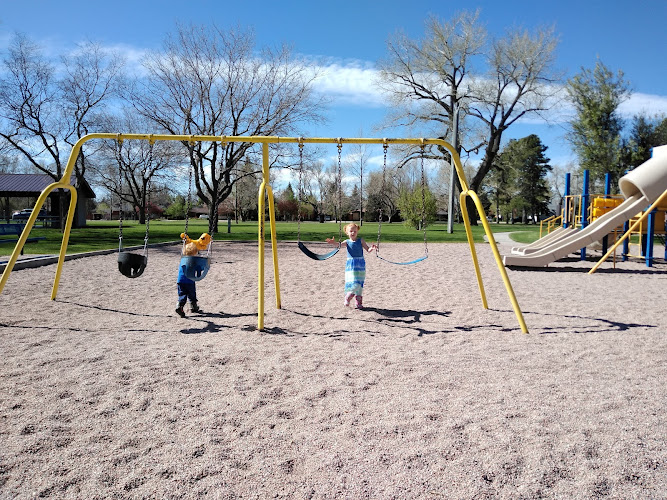
Lions Park
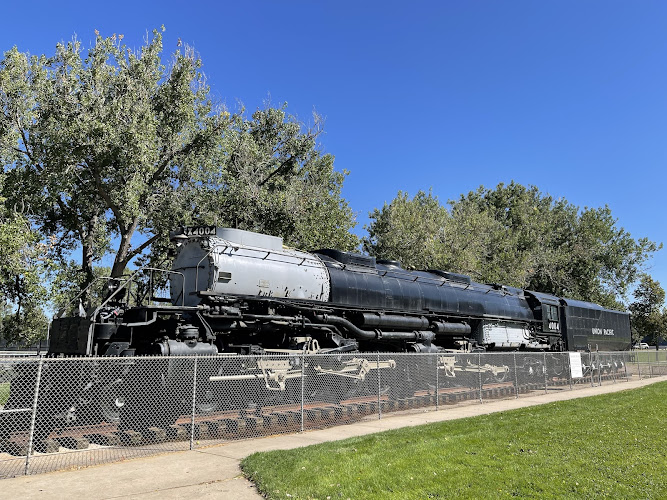
Big Boy Steam Engine 4004
Find Accommodations Nearby
Recommended Tours & Activities
Visitor Reviews
There are no reviews yet. Be the first one to write one.
Share Your Experience
Have you visited Cheyenne Frontier Days Old Museum? Help other travelers by leaving a review.