
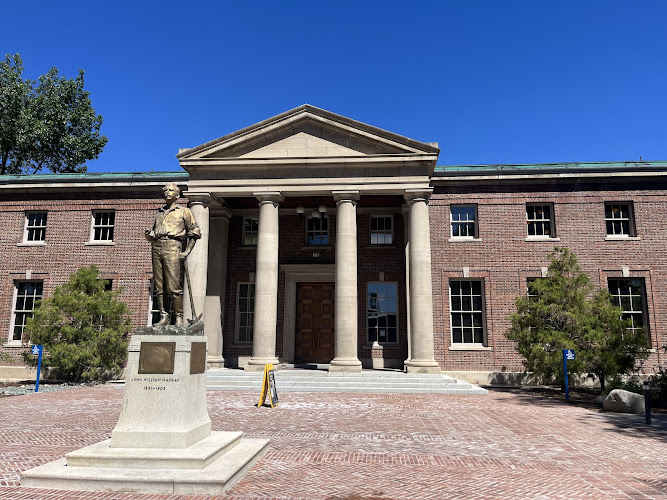
W. M Keck Earth Science And Mineral Engineering Museum
About W. M Keck Earth Science And Mineral Engineering Museum
Description
The W. M. Keck Earth Science and Mineral Engineering Museum offers visitors something you don't find every day – a completely free window into Nevada's geological heritage and mining history. Located on the University of Nevada campus, this museum manages to pack an impressive collection of minerals, fossils, ores, and historic mining equipment into a space that feels both educational and genuinely exciting to explore. I've visited plenty of university museums over the years, and what strikes me about the Keck Museum is how it doesn't talk down to visitors. Whether you're a geology enthusiast who can tell the difference between quartz variants or someone who just thinks rocks look pretty, there's real substance here. The museum showcases specimens that tell the story of Nevada's mineral wealth and the engineering innovations that helped extract it from the earth. And honestly, when you see some of these minerals up close – the colors, the crystal formations, the sheer variety – you start to understand why people dedicate their lives to studying them. The museum serves as both a teaching facility for students and a tourist destination for families, rockhounds, and anyone curious about what lies beneath their feet. It's not pretending to be the Smithsonian, but it doesn't need to be. What it does offer is an authentic look at the geological forces that shaped Nevada and the human ingenuity that transformed those rocks into economic prosperity.Key Features
The museum presents several distinctive elements that make it worth adding to your Nevada itinerary: • An extensive mineral collection featuring specimens from Nevada and around the world, including rare examples that even seasoned collectors might not have encountered • Historic mining equipment and relics that bring Nevada's silver and gold rush era to life in tangible ways • Fossil displays showing what ancient Nevada looked like millions of years ago, back when the landscape was completely different • Ore samples that demonstrate the various forms minerals take before processing and refinement • An on-site theater where visitors can watch educational presentations about geology, mining, and earth sciences • Interactive displays designed to make geological concepts accessible to younger visitors without dumbing down the science • Free admission to all visitors, making it an excellent budget-friendly activity for families and solo travelers alike • A cafe on the premises where you can grab refreshments while contemplating what you've learned • Guided tours that provide deeper context and stories behind the collection pieces • Full wheelchair accessibility throughout the facility, including entrance, parking, and restrooms • Educational materials that connect Nevada's geological past to its present and futureBest Time to Visit
Here's where planning gets pretty straightforward. Since the Keck Museum is an indoor facility, weather doesn't really factor into your decision the way it might with outdoor Nevada attractions. That said, there are definitely smarter times to go than others. Weekday mornings, particularly Tuesday through Thursday, tend to be quieter. You'll have more space to examine the displays without crowds, and if you're interested in asking detailed questions, staff and volunteers usually have more time to chat. I always prefer museum visits when I can actually read the placards without someone standing in my way, and weekday mornings deliver that experience. The academic calendar does impact your visit somewhat. During the university's summer break (typically June through August), the museum sees fewer student groups, which means more breathing room for casual visitors. But don't avoid the fall and spring semesters entirely – sometimes witnessing geology students geeking out over specimens adds to the atmosphere. Avoid visiting during major university events or football game days if possible. The campus gets congested, parking becomes a nightmare, and the museum itself might see irregular hours. Check the university calendar before planning your trip. Winter months from November through February actually work quite well. Las Vegas tourists and road-trippers often skip Reno during colder months, so you'll encounter smaller crowds. Plus, it's a perfect indoor activity when Nevada's high desert weather turns chilly. The museum typically operates during standard business hours on weekdays, with limited weekend availability. Always verify current hours before making the drive, because university museums sometimes adjust schedules around academic breaks and holidays.How to Get There
The museum sits on the University of Nevada, Reno campus, which means navigating a college environment with all its quirks. If you're driving from downtown Reno, you're looking at roughly a 10-minute trip depending on traffic. The campus has multiple entrances, and first-time visitors sometimes get turned around among the various academic buildings. Parking can be tricky, I won't sugarcoat it. The museum offers wheelchair-accessible parking, and visitor parking is available on campus, but you might need to walk a bit depending on where you snag a spot. During academic sessions, parking fills up quickly, especially mid-morning through early afternoon. Arriving earlier in the day improves your odds considerably. For those staying in Reno hotels without cars, rideshare services like Uber and Lyft provide convenient options. The campus is also serviced by RTC (Regional Transportation Commission) buses, though you'll want to check current routes and schedules since they change periodically. Bus route numbers and stops tend to shift, so I'd recommend using the RTC's trip planner rather than relying on outdated information. If you're road-tripping through Nevada, Reno sits along Interstate 80, making it accessible from both California to the west and points east. The city is about 30 miles from Lake Tahoe, so you could easily combine a museum visit with mountain scenery in the same day trip. From the Reno-Tahoe International Airport, you're about 15 minutes away by car. That makes the museum a viable option even if you've got just a few hours between flights and want to see something uniquely Nevada.Tips for Visiting
Let me share some practical wisdom that'll make your visit smoother and more rewarding. First off, don't rush through. I've seen people blow through the museum in 20 minutes, and they're missing the point entirely. Budget at least an hour, preferably ninety minutes if you actually want to read the information and appreciate what you're seeing. The best museum experiences come when you slow down. Bring a camera or make sure your phone is charged. Photography is allowed, and some of these mineral specimens photograph beautifully. The crystal structures and color variations make for genuinely striking images. But please, for the love of geology, turn off your flash – it bothers other visitors and doesn't improve your photos anyway. If you're traveling with kids, the museum works well for children who can handle a "look but don't touch" environment. It's family-friendly and good for kids, but toddlers who are in a grabby phase might find it frustrating. Elementary-age children and older typically engage well with the displays, especially if you make it interactive by asking them to find specific colors or shapes among the minerals. Take advantage of the guided tours if they're available during your visit. The difference between wandering alone and having a knowledgeable guide is substantial. You'll learn stories and context that the placards can't convey, and guides often know which specimens have particularly interesting backstories. The cafe provides a convenient spot for a break, though don't expect gourmet dining. It's perfectly adequate for coffee and a snack, which is sometimes all you need. Wear comfortable shoes. You'll be standing and walking on hard floors, and even though the museum isn't enormous, your feet will feel it after an hour of standing while reading displays. Check if the theater has any presentations scheduled during your visit. These educational films add dimension to what you're seeing in the collection and usually run 20-30 minutes. Don't be afraid to ask questions. Museum staff and volunteers are typically enthusiasts themselves, and they genuinely enjoy sharing knowledge. I've had some fascinating conversations about Nevada's geology just by expressing curiosity. Consider visiting the museum as part of a larger Reno exploration rather than making it your sole destination. The combination of this museum with other Reno attractions creates a fuller experience of what the city offers beyond casinos. Since admission is free, there's no financial loss if you discover museums aren't your thing after 20 minutes. But most visitors find themselves surprisingly engaged once they start noticing the incredible diversity in the collection. Finally, remember this is an active university facility. Students might be working on projects, researchers might be accessing collections, and academic life continues around you. That's part of the charm, honestly – you're not in some sterile tourist-only space but rather a living educational environment.Key Features
- Key Features
- Best Time to Visit
- How to Get There
- Tips for Visiting
More Details
Updated January 17, 2026
Table of Contents
- Description
- Key Features
- Best Time to Visit
- How to Get There
- Tips for Visiting
- Key Highlights
- Location
- Places to Stay Near W. M Keck Earth Science And Mineral Engineering Museum
- Find and Book a Tour
- Explore More Travel Guides
- Nearby Places You Might Like
- Traveler Reviews for W. M Keck Earth Science And Mineral Engineering Museum
- Share Your Experience
Description
The W. M. Keck Earth Science and Mineral Engineering Museum offers visitors something you don’t find every day – a completely free window into Nevada’s geological heritage and mining history. Located on the University of Nevada campus, this museum manages to pack an impressive collection of minerals, fossils, ores, and historic mining equipment into a space that feels both educational and genuinely exciting to explore.
I’ve visited plenty of university museums over the years, and what strikes me about the Keck Museum is how it doesn’t talk down to visitors. Whether you’re a geology enthusiast who can tell the difference between quartz variants or someone who just thinks rocks look pretty, there’s real substance here. The museum showcases specimens that tell the story of Nevada’s mineral wealth and the engineering innovations that helped extract it from the earth. And honestly, when you see some of these minerals up close – the colors, the crystal formations, the sheer variety – you start to understand why people dedicate their lives to studying them.
The museum serves as both a teaching facility for students and a tourist destination for families, rockhounds, and anyone curious about what lies beneath their feet. It’s not pretending to be the Smithsonian, but it doesn’t need to be. What it does offer is an authentic look at the geological forces that shaped Nevada and the human ingenuity that transformed those rocks into economic prosperity.
Key Features
The museum presents several distinctive elements that make it worth adding to your Nevada itinerary:
• An extensive mineral collection featuring specimens from Nevada and around the world, including rare examples that even seasoned collectors might not have encountered
• Historic mining equipment and relics that bring Nevada’s silver and gold rush era to life in tangible ways
• Fossil displays showing what ancient Nevada looked like millions of years ago, back when the landscape was completely different
• Ore samples that demonstrate the various forms minerals take before processing and refinement
• An on-site theater where visitors can watch educational presentations about geology, mining, and earth sciences
• Interactive displays designed to make geological concepts accessible to younger visitors without dumbing down the science
• Free admission to all visitors, making it an excellent budget-friendly activity for families and solo travelers alike
• A cafe on the premises where you can grab refreshments while contemplating what you’ve learned
• Guided tours that provide deeper context and stories behind the collection pieces
• Full wheelchair accessibility throughout the facility, including entrance, parking, and restrooms
• Educational materials that connect Nevada’s geological past to its present and future
Best Time to Visit
Here’s where planning gets pretty straightforward. Since the Keck Museum is an indoor facility, weather doesn’t really factor into your decision the way it might with outdoor Nevada attractions. That said, there are definitely smarter times to go than others.
Weekday mornings, particularly Tuesday through Thursday, tend to be quieter. You’ll have more space to examine the displays without crowds, and if you’re interested in asking detailed questions, staff and volunteers usually have more time to chat. I always prefer museum visits when I can actually read the placards without someone standing in my way, and weekday mornings deliver that experience.
The academic calendar does impact your visit somewhat. During the university’s summer break (typically June through August), the museum sees fewer student groups, which means more breathing room for casual visitors. But don’t avoid the fall and spring semesters entirely – sometimes witnessing geology students geeking out over specimens adds to the atmosphere.
Avoid visiting during major university events or football game days if possible. The campus gets congested, parking becomes a nightmare, and the museum itself might see irregular hours. Check the university calendar before planning your trip.
Winter months from November through February actually work quite well. Las Vegas tourists and road-trippers often skip Reno during colder months, so you’ll encounter smaller crowds. Plus, it’s a perfect indoor activity when Nevada’s high desert weather turns chilly.
The museum typically operates during standard business hours on weekdays, with limited weekend availability. Always verify current hours before making the drive, because university museums sometimes adjust schedules around academic breaks and holidays.
How to Get There
The museum sits on the University of Nevada, Reno campus, which means navigating a college environment with all its quirks. If you’re driving from downtown Reno, you’re looking at roughly a 10-minute trip depending on traffic. The campus has multiple entrances, and first-time visitors sometimes get turned around among the various academic buildings.
Parking can be tricky, I won’t sugarcoat it. The museum offers wheelchair-accessible parking, and visitor parking is available on campus, but you might need to walk a bit depending on where you snag a spot. During academic sessions, parking fills up quickly, especially mid-morning through early afternoon. Arriving earlier in the day improves your odds considerably.
For those staying in Reno hotels without cars, rideshare services like Uber and Lyft provide convenient options. The campus is also serviced by RTC (Regional Transportation Commission) buses, though you’ll want to check current routes and schedules since they change periodically. Bus route numbers and stops tend to shift, so I’d recommend using the RTC’s trip planner rather than relying on outdated information.
If you’re road-tripping through Nevada, Reno sits along Interstate 80, making it accessible from both California to the west and points east. The city is about 30 miles from Lake Tahoe, so you could easily combine a museum visit with mountain scenery in the same day trip.
From the Reno-Tahoe International Airport, you’re about 15 minutes away by car. That makes the museum a viable option even if you’ve got just a few hours between flights and want to see something uniquely Nevada.
Tips for Visiting
Let me share some practical wisdom that’ll make your visit smoother and more rewarding.
First off, don’t rush through. I’ve seen people blow through the museum in 20 minutes, and they’re missing the point entirely. Budget at least an hour, preferably ninety minutes if you actually want to read the information and appreciate what you’re seeing. The best museum experiences come when you slow down.
Bring a camera or make sure your phone is charged. Photography is allowed, and some of these mineral specimens photograph beautifully. The crystal structures and color variations make for genuinely striking images. But please, for the love of geology, turn off your flash – it bothers other visitors and doesn’t improve your photos anyway.
If you’re traveling with kids, the museum works well for children who can handle a “look but don’t touch” environment. It’s family-friendly and good for kids, but toddlers who are in a grabby phase might find it frustrating. Elementary-age children and older typically engage well with the displays, especially if you make it interactive by asking them to find specific colors or shapes among the minerals.
Take advantage of the guided tours if they’re available during your visit. The difference between wandering alone and having a knowledgeable guide is substantial. You’ll learn stories and context that the placards can’t convey, and guides often know which specimens have particularly interesting backstories.
The cafe provides a convenient spot for a break, though don’t expect gourmet dining. It’s perfectly adequate for coffee and a snack, which is sometimes all you need.
Wear comfortable shoes. You’ll be standing and walking on hard floors, and even though the museum isn’t enormous, your feet will feel it after an hour of standing while reading displays.
Check if the theater has any presentations scheduled during your visit. These educational films add dimension to what you’re seeing in the collection and usually run 20-30 minutes.
Don’t be afraid to ask questions. Museum staff and volunteers are typically enthusiasts themselves, and they genuinely enjoy sharing knowledge. I’ve had some fascinating conversations about Nevada’s geology just by expressing curiosity.
Consider visiting the museum as part of a larger Reno exploration rather than making it your sole destination. The combination of this museum with other Reno attractions creates a fuller experience of what the city offers beyond casinos.
Since admission is free, there’s no financial loss if you discover museums aren’t your thing after 20 minutes. But most visitors find themselves surprisingly engaged once they start noticing the incredible diversity in the collection.
Finally, remember this is an active university facility. Students might be working on projects, researchers might be accessing collections, and academic life continues around you. That’s part of the charm, honestly – you’re not in some sterile tourist-only space but rather a living educational environment.
Key Highlights
- Key Features
- Best Time to Visit
- How to Get There
- Tips for Visiting
Location
Places to Stay Near W. M Keck Earth Science And Mineral Engineering Museum
Find and Book a Tour
Explore More Travel Guides
No reviews found! Be the first to review!
Traveler Reviews for W. M Keck Earth Science And Mineral Engineering Museum
There are no reviews yet. Be the first one to write one.
Have you visited W. M Keck Earth Science And Mineral Engineering Museum? Help other travelers by sharing your review.
You Might Also Like
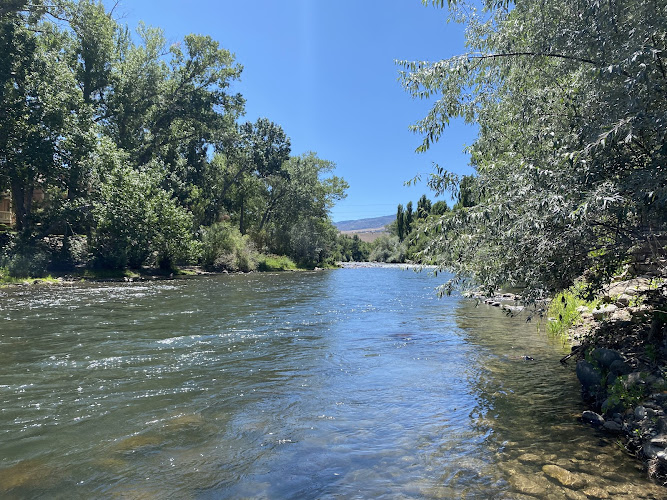
Oxbow Nature Study Area

McKinley Arts & Culture Center
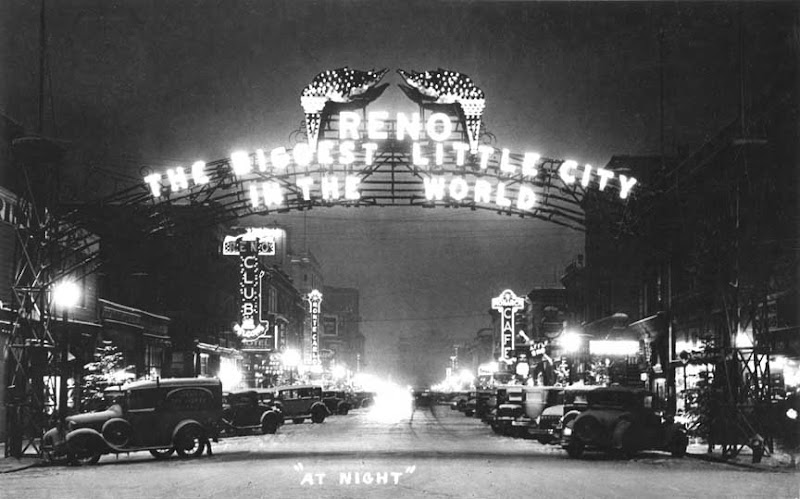
Nevada Historical Society
Find Accommodations Nearby
Recommended Tours & Activities
Visitor Reviews
There are no reviews yet. Be the first one to write one.
Share Your Experience
Have you visited W. M Keck Earth Science And Mineral Engineering Museum? Help other travelers by leaving a review.