
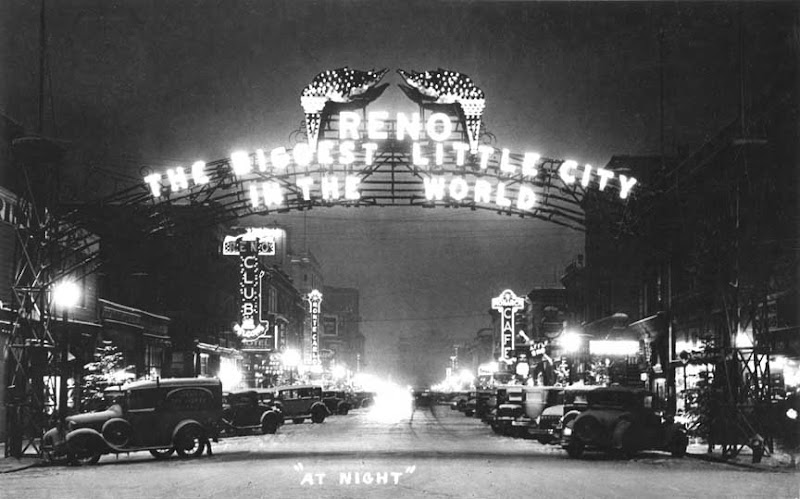
Nevada Historical Society
About Nevada Historical Society
Description
The Nevada Historical Society stands as the oldest museum in the entire state, and honestly, that alone tells you something about how seriously this place takes its mission. For travelers who want to understand Nevada beyond the slot machines and neon lights, this institution offers a genuine deep dive into the fascinating history that shaped the Silver State. And trust me, there's way more to Nevada's story than most people realize. Walking through these halls feels different than your typical museum experience. The collection here spans everything from the earliest indigenous peoples who called this harsh landscape home to the mining booms that put Nevada on the map, all the way through to modern times. What really gets me about this place is how it doesn't just focus on the glamorous parts of Nevada history – you'll find exhibits on everyday people, their struggles, their triumphs, and the gritty reality of building communities in one of America's most unforgiving environments. The Nevada Historical Society functions as more than just a museum where you stare at artifacts behind glass. It's also a working research library, which means scholars and genealogy enthusiasts regularly dig through archives here looking for connections to their past. But don't let that intimidate you if you're just a curious traveler. The staff really knows how to make history accessible, and they genuinely seem excited to share Nevada's stories with visitors who might not have a PhD in Western American history. One thing that surprised me when I first learned about this place was how it serves multiple roles in the community. It's an event venue, hosting everything from lectures to live performances. The bookstore on site is actually worth browsing – not just the usual tourist trap souvenirs, but real books about Nevada history written by credible authors. You might walk out with something that completely changes how you see the state you're visiting.Key Features
The Nevada Historical Society offers travelers several distinctive experiences that make it worth carving out time in your itinerary: • Extensive collections documenting Native American history in the Great Basin region, featuring artifacts and cultural materials that predate European contact by thousands of years • Mining-era exhibits that go beyond the typical "gold rush" narrative to explore the actual day-to-day lives of miners and their families • Research library with rare photographs, manuscripts, and documents available for public viewing during operating hours • Rotating exhibits that keep the museum fresh even for locals who visit repeatedly throughout the year • On-site bookstore carrying specialized titles about Nevada history, geology, and culture that you won't find at airport gift shops • Live performances and educational programs that bring historical periods to life through storytelling and reenactment • Fully accessible facilities including wheelchair-friendly entrances, parking, and restrooms • Gender-neutral restroom facilities reflecting modern inclusivity standards • Family-friendly programming designed specifically for younger visitors who might find traditional museum formats boring • Archives containing genealogical records useful for travelers researching family connections to Nevada • Special collections focusing on the cultural diversity that built Nevada, including immigrant communities often overlooked in mainstream historical narrativesBest Time to Visit
Here's where I'm gonna level with you about timing your visit to the Nevada Historical Society. Unlike outdoor attractions where weather dictates everything, this indoor museum maintains comfortable conditions year-round. That said, strategic timing can really enhance your experience. Summer months bring families traveling with kids out of school, which means more crowds but also more energy in the space. The museum handles this well since it's explicitly family-friendly, but if you prefer quieter contemplation while reading exhibit plaques, summer might not be your ideal window. I'd personally recommend visiting during spring or fall – specifically April through May or September through October. The weather in Nevada during these shoulder seasons is absolutely perfect for combining your museum visit with other outdoor activities in the area. You can spend a morning absorbing Nevada history, then head out to enjoy comfortable temperatures for whatever else you've planned. Weekday mornings tend to be quietest, especially Tuesday through Thursday. If you're the type who likes having space to really look at exhibits without navigating around tour groups, aim for opening time on a weekday. You'll practically have the place to yourself for that first hour. Winter actually works surprisingly well too, particularly if you're visiting Nevada during the holiday season. The museum often runs special programming during December, and there's something cozy about diving into historical archives while it's chilly outside. Check their calendar before visiting because special events and live performances can either enhance your experience or create crowds depending on what you're after. Some travelers specifically plan visits around these programs, while others prefer the standard museum experience without the extras.How to Get There
Getting to the Nevada Historical Society is straightforward, though you'll want to plan your approach based on where you're staying and how you're getting around. For travelers with rental cars – which honestly describes most people visiting Nevada – the museum is easily accessible from major highways. Parking is available on site and meets accessibility standards, including designated spaces for visitors with mobility needs. I always recommend arriving with a GPS queued up because while the location isn't complicated, it's easy to overshoot your turn if you're unfamiliar with the area. Public transportation works too, though you'll need to research current bus routes since these can change. Nevada's public transit systems vary considerably depending on which part of the state you're exploring. The museum's location makes it reasonably accessible by bus, but expect to build in extra time for connections and walking. Rideshare services like Uber and Lyft operate throughout most of Nevada's urban areas, making them a hassle-free option if you'd rather not deal with parking or navigating unfamiliar streets. Just make sure you've got the app downloaded and payment set up before you need it – cell service can get spotty once you venture into more remote parts of Nevada. Walking or biking might be realistic depending on where your accommodation is located, though Nevada's climate and urban layouts don't always encourage pedestrian travel. Check distances carefully before committing to this approach. The wheelchair accessible entrance makes arrival smooth for visitors with mobility considerations, and accessible parking sits close to the entrance so you won't face a long roll or walk from your vehicle.Tips for Visiting
After thinking about what would have been helpful to know before visiting museums like this, here's my practical advice for making the most of your time at the Nevada Historical Society. Budget more time than you think you'll need. Seriously. Most travelers underestimate how much there is to see here. You might think "oh, it's a state history museum, I'll breeze through in 45 minutes," but two hours can disappear easily if you're actually reading and absorbing the exhibits. And if you want to dig into the research library at all, plan for even more time. The bookstore deserves its own dedicated browsing session. Don't just glance at it on your way out. Some of the specialized titles they carry could genuinely transform the rest of your Nevada travels by giving you context for landscapes and towns you'll encounter. I picked up a book about Nevada ghost towns once that made every subsequent drive through the desert way more interesting. Ask staff questions. The people working here aren't just taking tickets – they're genuinely knowledgeable about Nevada history and often have stories that never made it into formal exhibits. Museum professionals sometimes know the best local restaurants too, which is always valuable insider information. Check if any live performances or special programs coincide with your visit. These scheduled events can provide entertainment value beyond standard exhibits, though they also mean busier crowds. Decide what kind of experience you're after. Bring something to take notes if you're at all interested in following up on what you learn. Whether that's your phone or an actual notebook, you'll encounter names, dates, and topics worth remembering. I've stood in museums mentally promising myself I'll remember something interesting, only to completely forget it by dinner time. The gender-neutral restroom facilities mean you won't waste time in unnecessarily long lines, which might seem like a minor detail but becomes relevant during busy periods. If you're traveling with kids, prep them beforehand about museum etiquette but also prime their curiosity with questions. "Let's find out what kids your age did for fun 150 years ago in Nevada" works better than "behave yourself in the museum." The space is explicitly good for kids, so don't feel anxious about bringing them – just set everyone up for success. For LGBTQ+ travelers, it's worth noting this is designated as a transgender safe space and LGBTQ+ friendly. That matters for visitors who want to know they can explore comfortably without concern. Photography policies vary by exhibit, so check signage or ask rather than assuming you can snap photos of everything. Some historical materials can't tolerate flash photography, while other areas might welcome documentation. Consider visiting the Nevada Historical Society early in your trip rather than at the end. The context you gain here will enrich everything else you see throughout Nevada, from understanding the architecture in small towns to recognizing historical markers along highways. It's like getting a decoder ring for the entire state.Key Features
- Historic museum with artifacts spanning prehistoric to modern Nevada
- Research library and archives with photographs, documents, and newspapers
- Rotating and permanent exhibits focused on mining, Reno history, and gaming culture
- Educational programs, school tours, and community events
- On-site museum store and staff able to assist research inquiries and reproductions (contact for services)
More Details
Updated January 17, 2026
Table of Contents
Description
The Nevada Historical Society stands as the oldest museum in the entire state, and honestly, that alone tells you something about how seriously this place takes its mission. For travelers who want to understand Nevada beyond the slot machines and neon lights, this institution offers a genuine deep dive into the fascinating history that shaped the Silver State. And trust me, there’s way more to Nevada’s story than most people realize.
Walking through these halls feels different than your typical museum experience. The collection here spans everything from the earliest indigenous peoples who called this harsh landscape home to the mining booms that put Nevada on the map, all the way through to modern times. What really gets me about this place is how it doesn’t just focus on the glamorous parts of Nevada history – you’ll find exhibits on everyday people, their struggles, their triumphs, and the gritty reality of building communities in one of America’s most unforgiving environments.
The Nevada Historical Society functions as more than just a museum where you stare at artifacts behind glass. It’s also a working research library, which means scholars and genealogy enthusiasts regularly dig through archives here looking for connections to their past. But don’t let that intimidate you if you’re just a curious traveler. The staff really knows how to make history accessible, and they genuinely seem excited to share Nevada’s stories with visitors who might not have a PhD in Western American history.
One thing that surprised me when I first learned about this place was how it serves multiple roles in the community. It’s an event venue, hosting everything from lectures to live performances. The bookstore on site is actually worth browsing – not just the usual tourist trap souvenirs, but real books about Nevada history written by credible authors. You might walk out with something that completely changes how you see the state you’re visiting.
Key Features
The Nevada Historical Society offers travelers several distinctive experiences that make it worth carving out time in your itinerary:
• Extensive collections documenting Native American history in the Great Basin region, featuring artifacts and cultural materials that predate European contact by thousands of years
• Mining-era exhibits that go beyond the typical “gold rush” narrative to explore the actual day-to-day lives of miners and their families
• Research library with rare photographs, manuscripts, and documents available for public viewing during operating hours
• Rotating exhibits that keep the museum fresh even for locals who visit repeatedly throughout the year
• On-site bookstore carrying specialized titles about Nevada history, geology, and culture that you won’t find at airport gift shops
• Live performances and educational programs that bring historical periods to life through storytelling and reenactment
• Fully accessible facilities including wheelchair-friendly entrances, parking, and restrooms
• Gender-neutral restroom facilities reflecting modern inclusivity standards
• Family-friendly programming designed specifically for younger visitors who might find traditional museum formats boring
• Archives containing genealogical records useful for travelers researching family connections to Nevada
• Special collections focusing on the cultural diversity that built Nevada, including immigrant communities often overlooked in mainstream historical narratives
Best Time to Visit
Here’s where I’m gonna level with you about timing your visit to the Nevada Historical Society. Unlike outdoor attractions where weather dictates everything, this indoor museum maintains comfortable conditions year-round. That said, strategic timing can really enhance your experience.
Summer months bring families traveling with kids out of school, which means more crowds but also more energy in the space. The museum handles this well since it’s explicitly family-friendly, but if you prefer quieter contemplation while reading exhibit plaques, summer might not be your ideal window.
I’d personally recommend visiting during spring or fall – specifically April through May or September through October. The weather in Nevada during these shoulder seasons is absolutely perfect for combining your museum visit with other outdoor activities in the area. You can spend a morning absorbing Nevada history, then head out to enjoy comfortable temperatures for whatever else you’ve planned.
Weekday mornings tend to be quietest, especially Tuesday through Thursday. If you’re the type who likes having space to really look at exhibits without navigating around tour groups, aim for opening time on a weekday. You’ll practically have the place to yourself for that first hour.
Winter actually works surprisingly well too, particularly if you’re visiting Nevada during the holiday season. The museum often runs special programming during December, and there’s something cozy about diving into historical archives while it’s chilly outside.
Check their calendar before visiting because special events and live performances can either enhance your experience or create crowds depending on what you’re after. Some travelers specifically plan visits around these programs, while others prefer the standard museum experience without the extras.
How to Get There
Getting to the Nevada Historical Society is straightforward, though you’ll want to plan your approach based on where you’re staying and how you’re getting around.
For travelers with rental cars – which honestly describes most people visiting Nevada – the museum is easily accessible from major highways. Parking is available on site and meets accessibility standards, including designated spaces for visitors with mobility needs. I always recommend arriving with a GPS queued up because while the location isn’t complicated, it’s easy to overshoot your turn if you’re unfamiliar with the area.
Public transportation works too, though you’ll need to research current bus routes since these can change. Nevada’s public transit systems vary considerably depending on which part of the state you’re exploring. The museum’s location makes it reasonably accessible by bus, but expect to build in extra time for connections and walking.
Rideshare services like Uber and Lyft operate throughout most of Nevada’s urban areas, making them a hassle-free option if you’d rather not deal with parking or navigating unfamiliar streets. Just make sure you’ve got the app downloaded and payment set up before you need it – cell service can get spotty once you venture into more remote parts of Nevada.
Walking or biking might be realistic depending on where your accommodation is located, though Nevada’s climate and urban layouts don’t always encourage pedestrian travel. Check distances carefully before committing to this approach.
The wheelchair accessible entrance makes arrival smooth for visitors with mobility considerations, and accessible parking sits close to the entrance so you won’t face a long roll or walk from your vehicle.
Tips for Visiting
After thinking about what would have been helpful to know before visiting museums like this, here’s my practical advice for making the most of your time at the Nevada Historical Society.
Budget more time than you think you’ll need. Seriously. Most travelers underestimate how much there is to see here. You might think “oh, it’s a state history museum, I’ll breeze through in 45 minutes,” but two hours can disappear easily if you’re actually reading and absorbing the exhibits. And if you want to dig into the research library at all, plan for even more time.
The bookstore deserves its own dedicated browsing session. Don’t just glance at it on your way out. Some of the specialized titles they carry could genuinely transform the rest of your Nevada travels by giving you context for landscapes and towns you’ll encounter. I picked up a book about Nevada ghost towns once that made every subsequent drive through the desert way more interesting.
Ask staff questions. The people working here aren’t just taking tickets – they’re genuinely knowledgeable about Nevada history and often have stories that never made it into formal exhibits. Museum professionals sometimes know the best local restaurants too, which is always valuable insider information.
Check if any live performances or special programs coincide with your visit. These scheduled events can provide entertainment value beyond standard exhibits, though they also mean busier crowds. Decide what kind of experience you’re after.
Bring something to take notes if you’re at all interested in following up on what you learn. Whether that’s your phone or an actual notebook, you’ll encounter names, dates, and topics worth remembering. I’ve stood in museums mentally promising myself I’ll remember something interesting, only to completely forget it by dinner time.
The gender-neutral restroom facilities mean you won’t waste time in unnecessarily long lines, which might seem like a minor detail but becomes relevant during busy periods.
If you’re traveling with kids, prep them beforehand about museum etiquette but also prime their curiosity with questions. “Let’s find out what kids your age did for fun 150 years ago in Nevada” works better than “behave yourself in the museum.” The space is explicitly good for kids, so don’t feel anxious about bringing them – just set everyone up for success.
For LGBTQ+ travelers, it’s worth noting this is designated as a transgender safe space and LGBTQ+ friendly. That matters for visitors who want to know they can explore comfortably without concern.
Photography policies vary by exhibit, so check signage or ask rather than assuming you can snap photos of everything. Some historical materials can’t tolerate flash photography, while other areas might welcome documentation.
Consider visiting the Nevada Historical Society early in your trip rather than at the end. The context you gain here will enrich everything else you see throughout Nevada, from understanding the architecture in small towns to recognizing historical markers along highways. It’s like getting a decoder ring for the entire state.
Key Highlights
- Historic museum with artifacts spanning prehistoric to modern Nevada
- Research library and archives with photographs, documents, and newspapers
- Rotating and permanent exhibits focused on mining, Reno history, and gaming culture
- Educational programs, school tours, and community events
- On-site museum store and staff able to assist research inquiries and reproductions (contact for services)
Location
Places to Stay Near Nevada Historical Society
Find and Book a Tour
Explore More Travel Guides
No reviews found! Be the first to review!
Traveler Reviews for Nevada Historical Society
There are no reviews yet. Be the first one to write one.
Have you visited Nevada Historical Society? Help other travelers by sharing your review.
Nearby Attractions
You Might Also Like
W. M Keck Earth Science And Mineral Engineering Museum
Virginia St Bridge
City Plaza
Find Accommodations Nearby
Recommended Tours & Activities
Visitor Reviews
There are no reviews yet. Be the first one to write one.
Share Your Experience
Have you visited Nevada Historical Society? Help other travelers by leaving a review.