

Wilbur D. May Center
About Wilbur D. May Center
Description
The Wilbur D. May Center stands as one of those rare places where natural beauty meets cultural exploration in ways that honestly surprise most first-time visitors. This year-round destination brings together a fascinating museum filled with artifacts from around the globe, sprawling arboretum grounds, and meticulously maintained botanical gardens all in one location. What makes this place genuinely special is how it manages to blend indoor and outdoor experiences without feeling forced or artificial. I've always believed that the best museums are the ones that don't feel like homework, and this center definitely falls into that category. The collection inside showcases exotic artifacts that May himself gathered during his extensive world travels - we're talking everything from shrunken heads to African masks to Asian ceremonial objects. It's the kind of eclectic mix you'd find in a wealthy adventurer's private collection, which makes sense because that's exactly what it started as. But here's where things get interesting. Step outside the museum and you're immediately surrounded by acres of themed gardens and an arboretum that changes personality with every season. The contrast between viewing centuries-old artifacts inside and then walking through living botanical collections outside creates this really unique visitor experience that you don't get at your typical museum or garden. The center has grown into a proper event venue too, hosting everything from weddings to corporate gatherings to live performances. And yeah, there's a gift shop - but it's actually worth browsing instead of just being another place selling generic postcards and magnets.Key Features
The Wilbur D. May Center packs quite a bit into its grounds, and knowing what's available helps travelers make the most of their visit:- Museum housing Wilbur May's personal collection of artifacts from his worldwide travels, including items from Africa, Asia, and the Pacific Islands
- Expansive arboretum featuring labeled tree specimens and walking paths that wind through different landscape zones
- Botanical gardens divided into themed sections showcasing regional and specialty plant collections
- On-site theater space that regularly hosts live performances, educational programs, and community events
- Full wheelchair accessibility throughout the facility including entrance, parking areas, restrooms, and seating areas
- Wheelchair rental service available for visitors who need mobility assistance
- On-site cafe providing refreshments without requiring visitors to leave the grounds
- Free parking in dedicated lots plus additional street parking options
- Guided tour offerings that provide deeper context about both the collections and the gardens
- Gift shop featuring unique items that actually relate to the collection and gardens
- Free Wi-Fi access throughout the facility
- Family-friendly programming designed specifically for children's engagement and learning
- Inclusive atmosphere welcoming LGBTQ+ visitors and families
Best Time to Visit
Timing your visit to the Wilbur D. May Center really depends on what kind of experience you're after, and I'll be honest - each season offers something completely different. Spring brings the botanical gardens to life in ways that'll make your Instagram followers jealous. We're talking tulips, flowering trees, and that fresh green growth that makes everything look newly painted. The arboretum becomes especially photogenic during April and May when blooming cycles hit their peak. Temperatures are comfortable for extended outdoor walking, usually ranging from the 50s to 70s Fahrenheit. If you're someone who loves gardens primarily for the flowers and colors, spring should be your target window. Summer sees the heaviest visitor traffic, which makes sense because families are traveling and school's out. The gardens are in full lush mode, though you'll want to plan your outdoor exploration for morning or late afternoon hours since midday can get pretty warm. The upside? The museum's climate-controlled spaces offer perfect refuge during the hottest parts of the day. Summer also brings the most robust schedule of live performances and special events to the theater space. Fall might actually be my personal favorite time here. The arboretum transforms into this spectacular display of autumn colors - reds, oranges, yellows that rival any New England foliage tour. Crowds thin out considerably after Labor Day, meaning you'll have more space to explore at your own pace. The weather's reliably pleasant, usually in the 60s and 70s, perfect for spending hours wandering the outdoor areas without getting uncomfortable. Winter shouldn't be written off entirely. Yes, the gardens are dormant and the trees are bare, but that's exactly when the museum portion really shines. You can take your time with the artifact collections without feeling like you're missing out on the outdoor elements. Plus, if you appreciate architectural bones of gardens and the skeletal beauty of trees without leaves, winter offers a completely different aesthetic. The center stays open year-round precisely because the indoor experiences hold up regardless of season. Weekday mornings generally offer the quietest experience if you're someone who prefers contemplative visits without crowds. Weekends and school holidays bring more families, which changes the energy but also means more scheduled programming and activities.How to Get There
Getting to the Wilbur D. May Center is straightforward enough that you won't need a geology degree to figure it out, which is always appreciated when you're traveling. For those driving - and let's be real, that's probably most visitors to this area - the center sits in a location that's accessible from major roadways. The facility provides ample free parking in dedicated lots right on-site, which eliminates one of those annoying travel headaches where you find the place but then spend twenty minutes hunting for somewhere to leave your car. There's also free street parking available if the lots happen to be full during special events. If you're staying somewhere in the general vicinity, rideshare services like Uber and Lyft work perfectly fine for getting there and back. The clearly marked entrance makes pickup and dropoff simple for drivers who might not be familiar with the area. Public transportation options exist but aren't necessarily the most convenient route depending on where you're starting from. You'll want to check current bus schedules and routes beforehand to see if the timing works with your plans. Some travelers rent bikes and enjoy the ride to the center as part of their overall outdoor experience, though you'll want to verify current bicycle parking options when you arrive. The wheelchair accessible entrance and parking make arrival genuinely accessible rather than just technically compliant. I've noticed this actually matters quite a bit - some places claim accessibility but then make you work for it in practice.Tips for Visiting
After spending time at the Wilbur D. May Center and talking to other visitors, I've picked up some practical wisdom worth passing along. Start outside and finish inside, especially during warmer months. This strategy means you tackle the arboretum and gardens while you're fresh and energetic, then retreat to the climate-controlled museum when you're ready for a more relaxed pace. Your feet will thank you. Wear actual walking shoes, not those cute sandals you packed. The grounds cover enough territory that fashion-over-function footwear will leave you hobbling. And bring layers - even in summer, the museum can feel chilly after you've been outside in the sun. The cafe is there, but it's pretty basic. If you're particular about food or have dietary restrictions, consider eating before you arrive or bringing snacks. That said, having some refreshment available on-site beats nothing, and you won't lose your parking spot. Take advantage of the guided tours if they're running during your visit. The extra context about Wilbur May's collecting adventures and the stories behind specific artifacts adds depth you'd completely miss wandering through on your own. Same goes for the garden tours - knowing which plants are rare or why certain specimens were chosen enriches the whole experience. Don't skip the gift shop just because gift shops are usually skippable. This one actually stocks items connected to the collection rather than generic tourist stuff you could buy anywhere. If you're visiting with kids, check the schedule ahead of time for family-friendly programming. The center designs specific activities that keep younger visitors engaged rather than bored, which dramatically improves everyone's experience. Photography is generally allowed throughout the facility, but be respectful with flash usage around delicate artifacts. The gardens are obviously fair game for photo sessions. Plan for at least three hours if you want to properly experience both the indoor and outdoor elements. Rushing through defeats the purpose. You can easily spend an entire afternoon here if you're the type who likes to read every placard and identify every plant. The theater programming adds another dimension if you're interested in live performances. Check what's scheduled during your visit - sometimes you can catch a show that complements your museum and garden exploration. Accessibility features here actually work well in practice. If you or someone in your group needs wheelchair rental, they've got you covered. The paths through the outdoor areas are designed to accommodate mobility devices without turning into an obstacle course. Visit during off-peak hours on weekdays if you prefer a quieter, more contemplative experience. The place takes on a completely different character when you're not navigating around school groups and tour buses.Key Features
- Eclectic museum collection featuring artifacts from Wilbur D. May’s travels (African, Asian, Egyptian, and more)
- Wilbur D. May Arboretum & Botanical Garden with themed plantings and walking paths
- Rotating and special exhibitions highlighting regional history and world cultures
- Event-friendly spaces and community programming (lectures, workshops, seasonal events)
- Family-oriented interpretation and educational displays suitable for children
More Details
Updated January 17, 2026
Table of Contents
Description
The Wilbur D. May Center stands as one of those rare places where natural beauty meets cultural exploration in ways that honestly surprise most first-time visitors. This year-round destination brings together a fascinating museum filled with artifacts from around the globe, sprawling arboretum grounds, and meticulously maintained botanical gardens all in one location. What makes this place genuinely special is how it manages to blend indoor and outdoor experiences without feeling forced or artificial.
I’ve always believed that the best museums are the ones that don’t feel like homework, and this center definitely falls into that category. The collection inside showcases exotic artifacts that May himself gathered during his extensive world travels – we’re talking everything from shrunken heads to African masks to Asian ceremonial objects. It’s the kind of eclectic mix you’d find in a wealthy adventurer’s private collection, which makes sense because that’s exactly what it started as.
But here’s where things get interesting. Step outside the museum and you’re immediately surrounded by acres of themed gardens and an arboretum that changes personality with every season. The contrast between viewing centuries-old artifacts inside and then walking through living botanical collections outside creates this really unique visitor experience that you don’t get at your typical museum or garden.
The center has grown into a proper event venue too, hosting everything from weddings to corporate gatherings to live performances. And yeah, there’s a gift shop – but it’s actually worth browsing instead of just being another place selling generic postcards and magnets.
Key Features
The Wilbur D. May Center packs quite a bit into its grounds, and knowing what’s available helps travelers make the most of their visit:
- Museum housing Wilbur May’s personal collection of artifacts from his worldwide travels, including items from Africa, Asia, and the Pacific Islands
- Expansive arboretum featuring labeled tree specimens and walking paths that wind through different landscape zones
- Botanical gardens divided into themed sections showcasing regional and specialty plant collections
- On-site theater space that regularly hosts live performances, educational programs, and community events
- Full wheelchair accessibility throughout the facility including entrance, parking areas, restrooms, and seating areas
- Wheelchair rental service available for visitors who need mobility assistance
- On-site cafe providing refreshments without requiring visitors to leave the grounds
- Free parking in dedicated lots plus additional street parking options
- Guided tour offerings that provide deeper context about both the collections and the gardens
- Gift shop featuring unique items that actually relate to the collection and gardens
- Free Wi-Fi access throughout the facility
- Family-friendly programming designed specifically for children’s engagement and learning
- Inclusive atmosphere welcoming LGBTQ+ visitors and families
Best Time to Visit
Timing your visit to the Wilbur D. May Center really depends on what kind of experience you’re after, and I’ll be honest – each season offers something completely different.
Spring brings the botanical gardens to life in ways that’ll make your Instagram followers jealous. We’re talking tulips, flowering trees, and that fresh green growth that makes everything look newly painted. The arboretum becomes especially photogenic during April and May when blooming cycles hit their peak. Temperatures are comfortable for extended outdoor walking, usually ranging from the 50s to 70s Fahrenheit. If you’re someone who loves gardens primarily for the flowers and colors, spring should be your target window.
Summer sees the heaviest visitor traffic, which makes sense because families are traveling and school’s out. The gardens are in full lush mode, though you’ll want to plan your outdoor exploration for morning or late afternoon hours since midday can get pretty warm. The upside? The museum’s climate-controlled spaces offer perfect refuge during the hottest parts of the day. Summer also brings the most robust schedule of live performances and special events to the theater space.
Fall might actually be my personal favorite time here. The arboretum transforms into this spectacular display of autumn colors – reds, oranges, yellows that rival any New England foliage tour. Crowds thin out considerably after Labor Day, meaning you’ll have more space to explore at your own pace. The weather’s reliably pleasant, usually in the 60s and 70s, perfect for spending hours wandering the outdoor areas without getting uncomfortable.
Winter shouldn’t be written off entirely. Yes, the gardens are dormant and the trees are bare, but that’s exactly when the museum portion really shines. You can take your time with the artifact collections without feeling like you’re missing out on the outdoor elements. Plus, if you appreciate architectural bones of gardens and the skeletal beauty of trees without leaves, winter offers a completely different aesthetic. The center stays open year-round precisely because the indoor experiences hold up regardless of season.
Weekday mornings generally offer the quietest experience if you’re someone who prefers contemplative visits without crowds. Weekends and school holidays bring more families, which changes the energy but also means more scheduled programming and activities.
How to Get There
Getting to the Wilbur D. May Center is straightforward enough that you won’t need a geology degree to figure it out, which is always appreciated when you’re traveling.
For those driving – and let’s be real, that’s probably most visitors to this area – the center sits in a location that’s accessible from major roadways. The facility provides ample free parking in dedicated lots right on-site, which eliminates one of those annoying travel headaches where you find the place but then spend twenty minutes hunting for somewhere to leave your car. There’s also free street parking available if the lots happen to be full during special events.
If you’re staying somewhere in the general vicinity, rideshare services like Uber and Lyft work perfectly fine for getting there and back. The clearly marked entrance makes pickup and dropoff simple for drivers who might not be familiar with the area.
Public transportation options exist but aren’t necessarily the most convenient route depending on where you’re starting from. You’ll want to check current bus schedules and routes beforehand to see if the timing works with your plans. Some travelers rent bikes and enjoy the ride to the center as part of their overall outdoor experience, though you’ll want to verify current bicycle parking options when you arrive.
The wheelchair accessible entrance and parking make arrival genuinely accessible rather than just technically compliant. I’ve noticed this actually matters quite a bit – some places claim accessibility but then make you work for it in practice.
Tips for Visiting
After spending time at the Wilbur D. May Center and talking to other visitors, I’ve picked up some practical wisdom worth passing along.
Start outside and finish inside, especially during warmer months. This strategy means you tackle the arboretum and gardens while you’re fresh and energetic, then retreat to the climate-controlled museum when you’re ready for a more relaxed pace. Your feet will thank you.
Wear actual walking shoes, not those cute sandals you packed. The grounds cover enough territory that fashion-over-function footwear will leave you hobbling. And bring layers – even in summer, the museum can feel chilly after you’ve been outside in the sun.
The cafe is there, but it’s pretty basic. If you’re particular about food or have dietary restrictions, consider eating before you arrive or bringing snacks. That said, having some refreshment available on-site beats nothing, and you won’t lose your parking spot.
Take advantage of the guided tours if they’re running during your visit. The extra context about Wilbur May’s collecting adventures and the stories behind specific artifacts adds depth you’d completely miss wandering through on your own. Same goes for the garden tours – knowing which plants are rare or why certain specimens were chosen enriches the whole experience.
Don’t skip the gift shop just because gift shops are usually skippable. This one actually stocks items connected to the collection rather than generic tourist stuff you could buy anywhere.
If you’re visiting with kids, check the schedule ahead of time for family-friendly programming. The center designs specific activities that keep younger visitors engaged rather than bored, which dramatically improves everyone’s experience.
Photography is generally allowed throughout the facility, but be respectful with flash usage around delicate artifacts. The gardens are obviously fair game for photo sessions.
Plan for at least three hours if you want to properly experience both the indoor and outdoor elements. Rushing through defeats the purpose. You can easily spend an entire afternoon here if you’re the type who likes to read every placard and identify every plant.
The theater programming adds another dimension if you’re interested in live performances. Check what’s scheduled during your visit – sometimes you can catch a show that complements your museum and garden exploration.
Accessibility features here actually work well in practice. If you or someone in your group needs wheelchair rental, they’ve got you covered. The paths through the outdoor areas are designed to accommodate mobility devices without turning into an obstacle course.
Visit during off-peak hours on weekdays if you prefer a quieter, more contemplative experience. The place takes on a completely different character when you’re not navigating around school groups and tour buses.
Key Highlights
- Eclectic museum collection featuring artifacts from Wilbur D. May’s travels (African, Asian, Egyptian, and more)
- Wilbur D. May Arboretum & Botanical Garden with themed plantings and walking paths
- Rotating and special exhibitions highlighting regional history and world cultures
- Event-friendly spaces and community programming (lectures, workshops, seasonal events)
- Family-oriented interpretation and educational displays suitable for children
Location
Places to Stay Near Wilbur D. May Center
Find and Book a Tour
Explore More Travel Guides
No reviews found! Be the first to review!
Traveler Reviews for Wilbur D. May Center
There are no reviews yet. Be the first one to write one.
Have you visited Wilbur D. May Center? Help other travelers by sharing your review.
Nearby Attractions
You Might Also Like
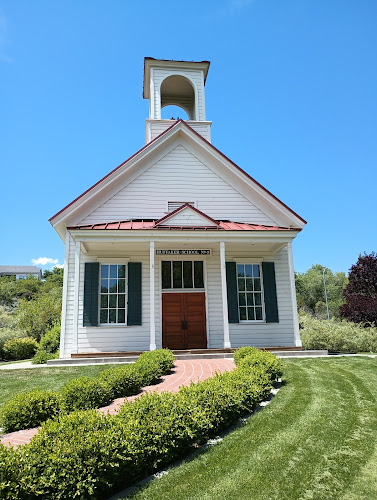
Bartley Ranch Regional Park

Gold Dust West Casino - Reno

Nevada Historical Society
Find Accommodations Nearby
Recommended Tours & Activities
Visitor Reviews
There are no reviews yet. Be the first one to write one.
Share Your Experience
Have you visited Wilbur D. May Center? Help other travelers by leaving a review.