
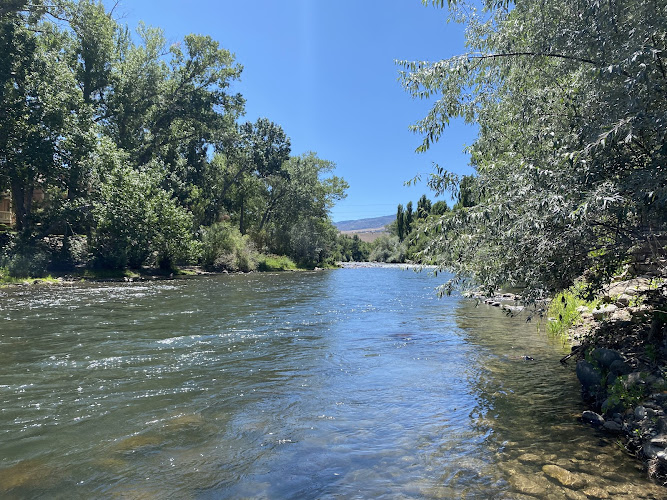
Oxbow Nature Study Area
About Oxbow Nature Study Area
The Oxbow Nature Study Area represents one of those rare places where you can step away from the noise of everyday life without actually having to drive hours into the wilderness. I’ve always believed that the best nature preserves are the ones that manage to feel genuinely wild while still being accessible to people of all abilities, and this place really delivers on that promise.
What makes this nature preserve special is how it balances its role as both a city-managed green space and a legitimate wildlife habitat. You’re not just walking through a manicured park with a few trees – this is an actual functioning ecosystem where you can observe nature doing its thing. The area serves as an important educational resource for the community while providing travelers with an authentic outdoor experience that doesn’t require expensive gear or advanced hiking skills.
The preserve has earned its reputation as a family-friendly destination that doesn’t sacrifice quality for accessibility. And honestly, that’s harder to find than you’d think. Too many nature areas either cater exclusively to serious outdoor enthusiasts or they water down the experience so much that you might as well be walking through a shopping mall. The Oxbow Nature Study Area manages to thread that needle pretty well, offering genuine encounters with local flora and fauna while maintaining facilities that make the visit comfortable for just about everyone.
What struck me most when researching this location was how consistently visitors mention the peaceful atmosphere and the surprising diversity of wildlife they encounter. For a city-managed property, the ecological integrity here is impressive. You’ll find wetland habitats, wooded areas, and open spaces that support a variety of bird species, small mammals, and seasonal wildflowers that change the character of the preserve throughout the year.
Key Features
The Oxbow Nature Study Area offers several distinctive features that set it apart from your typical urban park or nature walk:
• Multiple trail options that wind through different habitat types, allowing you to customize your visit based on time constraints and interests
• Wheelchair accessible entrance and parking facilities, making this preserve genuinely inclusive for visitors with mobility challenges
• Well-maintained picnic areas with tables where you can extend your visit and enjoy a meal surrounded by nature
• Public restroom facilities – something you definitely appreciate after you’ve been to enough remote natural areas without them
• Educational opportunities to observe wetland ecosystems up close, which are becoming increasingly rare in developed areas
• Year-round access that lets you experience seasonal changes in the landscape and wildlife activity
• Kid-friendly trail systems designed with younger hikers in mind, featuring manageable distances and engaging natural features
• Excellent bird watching opportunities, particularly during migration seasons when the wetlands attract diverse species
• Quiet zones away from urban noise where you can actually hear natural sounds like birdsong and wind through the trees
• Native plant communities that provide a snapshot of what the regional landscape looked like before extensive development
Best Time to Visit
Choosing when to visit the Oxbow Nature Study Area really depends on what kind of experience you’re after. Each season brings its own character to the preserve, and honestly, there’s no bad time to go – just different flavors of good.
Spring is probably my personal favorite time for places like this. The preserve comes alive with migrating birds, wildflowers start popping up throughout the trails, and the weather is usually comfortable for hiking without being too hot. You’ll catch the wetland areas at their most active, with amphibians making their presence known and early-season insects providing food for arriving bird species. The mornings in late April and May are particularly special, when the air is still cool and wildlife activity peaks.
Summer offers the fullest expression of the preserve’s plant communities. Everything is green and lush, though you’ll want to visit early in the morning or later in the afternoon to avoid the midday heat. This is prime time for families since kids are out of school and the longer daylight hours give you more flexibility. Just remember to bring water and maybe some bug spray, because those wetlands do support healthy mosquito populations during warmer months.
Fall transforms the preserve into a palette of golds, reds, and browns that make every photo look like a postcard. The cooler temperatures return, making hiking comfortable again, and you’ll often see increased bird activity as species prepare for migration or winter. The fall also tends to bring fewer visitors than spring and summer, so if you prefer a quieter experience, aim for weekday mornings in October or November.
Winter shouldn’t be overlooked either. While some visitors skip cold-weather visits, winter reveals the preserve’s bone structure – you can see through the bare trees into areas that are hidden during leafy seasons. The trails are typically less muddy than during spring thaw, and wildlife that remains active during winter becomes easier to spot against the stark landscape. Plus, there’s something meditative about walking through a quiet winter landscape that you just don’t get during busier seasons.
Weekday mornings generally offer the most peaceful experience regardless of season. Weekends see more families and groups, which is great if you want that community atmosphere but less ideal if you’re seeking solitude.
How to Get There
Getting to the Oxbow Nature Study Area is straightforward enough that you don’t need to be a navigation expert, but there are a few things worth knowing before you set out.
The preserve benefits from its location as a city-managed property, which means it’s generally well-connected to local road networks. If you’re driving, you’ll find designated parking areas with wheelchair accessible spots close to the entrance. The parking situation is usually manageable except during peak weekend hours in spring and fall when you might need to arrive a bit earlier to secure a convenient spot.
For those relying on GPS or smartphone navigation, the preserve should come up easily by name. But here’s a little tip I’ve learned from visiting city-managed natural areas – sometimes these places have multiple access points or nearby facilities with similar names, so double-check that your navigation is taking you to the main entrance with parking and facilities rather than to an administrative building or secondary trailhead.
Public transportation options vary depending on the local transit system, so it’s worth checking current bus routes and schedules if you’re not driving. Some city nature preserves are surprisingly well-served by public transit, while others require a bit more planning. The accessibility features at the preserve itself suggest the managing agency takes visitor access seriously, which often extends to considering public transportation connections.
If you’re visiting from out of town, the preserve makes for an excellent addition to a broader itinerary. You can easily spend a couple hours here and still have time for other activities in the area. It’s the kind of place that works well as a morning activity before moving on to other destinations, or as an afternoon retreat after you’ve done the more touristy things and want something more relaxing.
Tips for Visiting
After researching what makes visits to the Oxbow Nature Study Area most successful, I’ve gathered some practical advice that’ll help you make the most of your time there.
First things first – wear appropriate footwear. This might seem obvious, but you’d be surprised how many people show up to nature preserves in flip-flops and then wonder why they’re uncomfortable. The trails here are generally well-maintained, but this is still a natural area with uneven terrain in places. A good pair of walking shoes or light hiking boots will serve you much better than sandals or dress shoes.
Bring water, especially if you’re visiting during warmer months or planning to spend more than an hour on the trails. While the preserve has public restrooms, you won’t find water fountains or concession stands out on the trail system. Staying hydrated makes everything more enjoyable and safer.
If you’re interested in bird watching or wildlife observation, consider bringing binoculars. The preserve’s diverse habitats attract interesting species, but many of them prefer to keep their distance from humans. A decent pair of binoculars transforms the experience from “I think I saw something move in those bushes” to “Wow, that’s a really cool bird I’ve never seen before.”
For families with young children, the kid-friendly trail options are genuinely kid-friendly, but it still helps to set appropriate expectations. Even easy trails can challenge little legs, so consider bringing snacks for energy boosts and maybe a carrier for very young kids who might tire out partway through. The picnic facilities make this a great place to plan a longer outing with meal breaks built in.
Photography enthusiasts should time their visits for the golden hours around sunrise or sunset when possible. The wetland areas and diverse landscapes photograph beautifully in good light, and you’ll likely encounter more active wildlife during these times too. And speaking of photography, your phone camera will work fine, but if you have a real camera with a decent zoom lens, bring it.
Check the weather before you go and plan accordingly. The preserve is accessible year-round, but conditions on the trails can vary significantly based on recent rainfall or seasonal weather patterns. Muddy trails are manageable with proper footwear but might be frustrating if you’re not prepared for them.
Respect the wildlife and natural features you encounter. This is their home, and we’re just visiting. Keep your distance from animals, stay on designated trails to protect sensitive habitats, and obviously pack out everything you pack in. These preserves only stay beautiful and ecologically healthy when visitors treat them with care.
The accessibility features here are worth taking advantage of even if you don’t strictly need them. The wheelchair accessible entrance and parking make visits easier for everyone, including parents with strollers or visitors who might have temporary mobility limitations.
Finally, give yourself more time than you think you’ll need. The best nature preserve visits happen when you’re not rushed, when you can stop and actually observe what’s happening around you instead of just marching through to check it off your list. The Oxbow Nature Study Area rewards patient, observant visitors with experiences that hurried ones completely miss.
Key Features
- Riparian wetland habitat and oxbow channels along the Truckee River
- Easy, accessible trails and observation points suitable for families
- Rich birdlife and frequent sightings of beavers, river otters and raptors
- Educational programs and field-site use by local schools and conservation groups
- Close proximity to downtown Reno—urban oasis for quick nature escapes
Nearby Attractions
Truckee River Walk / Downtown Reno
Nevada Museum of Art (Reno)
Rancho San Rafael Regional Park
You Might Also Like
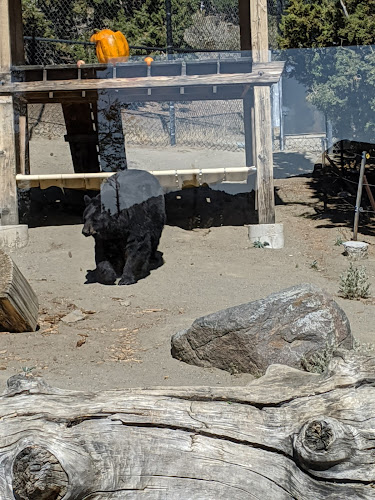
Animal Ark

Artown
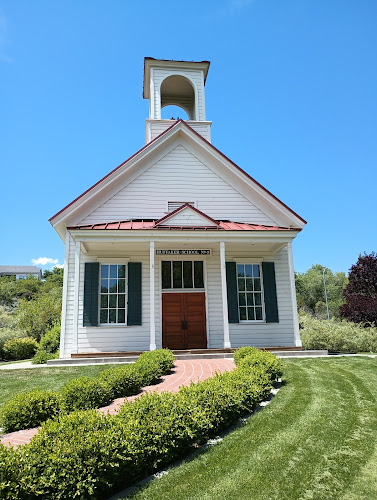
Bartley Ranch Regional Park
Tours & Activities
GetYourGuide provides this tour inventory. We may earn a commission if you book through it; verify current availability, prices, and terms with the provider.
Visitor Reviews
There are no reviews yet. Be the first one to write one.
Share Your Experience
Have you visited Oxbow Nature Study Area? Help other travelers by leaving a review.