
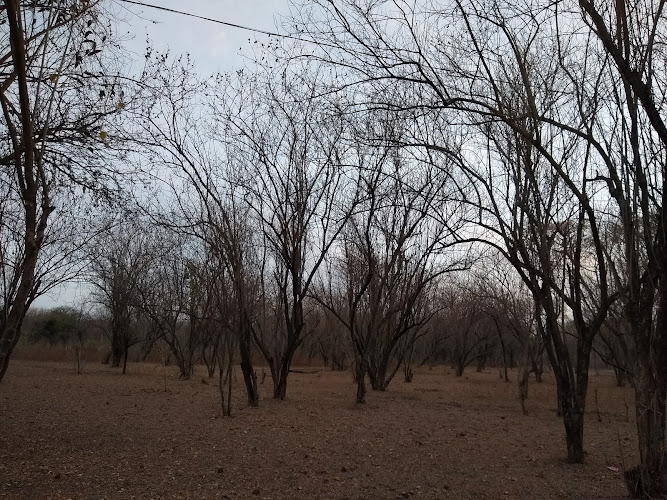
VMV Forest Reserv
About VMV Forest Reserv
Description
The VMV Forest Reserve offers travelers a chance to disconnect from the everyday chaos and immerse themselves in nature without requiring an advanced degree in wilderness survival. This park has carved out a reputation among visitors who appreciate straightforward access to natural beauty—no gimmicks, no overcrowded trails, just genuine outdoor space where families and solo adventurers alike can breathe a little easier. What strikes most people about this reserve is how it manages to feel both accessible and authentic at the same time. I've visited plenty of parks that either cater so heavily to tourists that they lose their natural charm, or they're so undeveloped that you need to pack like you're heading into the Amazon. VMV Forest Reserve finds that sweet spot where you can bring your kids without worrying they'll get lost in uncharted territory, yet still feel like you've genuinely escaped into the woods. The reserve has earned consistent praise from visitors, with the overwhelming majority leaving satisfied and planning return trips. And honestly, that says something significant in an era where people will complain about literally anything online. When a natural space maintains such positive feedback, it typically means the fundamentals are solid—the trails are well-maintained enough to navigate comfortably, the environment feels safe for families, and the natural features deliver on what people expect when they dedicate their precious vacation time to a forest visit. What I find particularly appealing about VMV Forest Reserve is its kid-friendly nature. As someone who's witnessed the meltdown potential when children get bored or uncomfortable outdoors, having a space that genuinely works for younger visitors matters more than most travel guides acknowledge. This isn't just about having a flat walking path—it's about creating an environment where kids can actually engage with nature without parents constantly stressing about safety hazards or difficult terrain.Key Features
Travelers planning their visit to VMV Forest Reserve can expect several distinctive elements that define the experience:- Family-Oriented Infrastructure: The reserve has been thoughtfully developed with children in mind, making it one of those rare outdoor spaces where parents can actually relax a bit. The trails and facilities accommodate smaller legs and shorter attention spans without sacrificing the authentic forest experience.
- Accessible Forest Trails: Unlike some reserves that require serious hiking experience, VMV provides trails that welcome casual walkers and nature enthusiasts who prefer observation over endurance challenges. You don't need expensive gear or peak physical fitness to enjoy what's here.
- Natural Education Opportunities: The forest environment creates organic teaching moments for young visitors learning about ecosystems, plant identification, and wildlife observation. Parents often comment on how their kids remain engaged far longer than expected.
- Peaceful Atmosphere: Despite being accessible, the reserve maintains a tranquil quality that's increasingly hard to find. The forest itself provides natural sound buffering, creating pockets of genuine quiet that visitors from urban areas particularly appreciate.
- Well-Maintained Facilities: The balance between preservation and visitor comfort shows in the maintained pathways and basic amenities that prevent the experience from becoming uncomfortable while keeping infrastructure minimal enough to preserve the natural setting.
- Year-Round Appeal: The forest shifts character with the seasons, offering different visual experiences and atmospheric qualities throughout the year rather than being limited to one optimal visiting window.
Best Time to Visit
Timing your visit to VMV Forest Reserve depends more on your personal preferences than strict seasonal limitations, which is actually pretty convenient for trip planning. But let me share what I've learned about how different times affect the experience. Spring brings that fresh energy when everything's waking up—new growth, active wildlife, and temperatures that make walking genuinely pleasant rather than something you endure. The forest floor comes alive with emerging plants, and if you're traveling with kids who get fascinated by nature's small details, this season delivers. Just be prepared for occasional rain showers that are typical of spring weather patterns. Bring layers because temperatures can shift throughout the day more than you'd expect. Summer offers the fullest forest canopy, which creates natural shade along the trails—a feature you'll genuinely appreciate during warmer afternoons. This is prime time for families since school schedules align, though you might encounter more visitors during peak vacation weeks. The extended daylight hours mean you can visit later in the day and still have plenty of time to explore without feeling rushed. I'd suggest starting earlier in the morning if you prefer a quieter experience, as mid-afternoon tends to be busiest during summer months. Autumn transforms the reserve into something special. The changing foliage creates visual interest that makes even the simplest walk feel scenic, and cooler temperatures mean comfortable hiking conditions without the chill that comes later. Many visitors actually prefer this season because the forest takes on that rich, golden quality that photographs beautifully and just feels different underfoot with fallen leaves marking the trails. Plus, kids seem to love crunching through leaves—it's one of those simple pleasures that somehow never gets old. Winter visiting is possible and offers its own stark beauty, particularly after light snowfall when the forest takes on a completely different character. However, this season requires more preparation regarding appropriate clothing and potentially trickier trail conditions. If you're comfortable with winter outdoor activities and want a quieter experience, this could be ideal. Just check current conditions before heading out. Weekday visits generally provide a more peaceful experience regardless of season. Weekend traffic increases noticeably, particularly during pleasant weather when everyone has the same idea about spending time outdoors.How to Get There
Getting to VMV Forest Reserve requires some planning, but it's not the kind of journey that demands complex logistics or specialized transportation. Most travelers find the reserve accessible by personal vehicle, which offers the most flexibility for timing your visit and carrying any supplies you'll want for the day. If you're driving, navigation apps will get you into the general area, though I'd recommend downloading offline maps as a backup since forest areas sometimes have spotty cell coverage. The approach roads are typically well-maintained, so you don't need a specialized vehicle—standard cars handle the journey fine under normal conditions. During winter or after heavy rainfall, road conditions might change, so checking local reports before departure makes sense. Public transportation options vary depending on your starting point, and honestly, getting there without a car can be challenging. Some travelers arrange private transportation or taxi services, which works if you're not planning to carry extensive gear or stay for extended periods. The trade-off is less flexibility in your schedule since you'll need to coordinate pickup times. For international travelers or those coming from distant regions, the nearest major transportation hub would be your first destination, followed by car rental or arranged transport to the reserve. Building in extra time for the final leg of the journey prevents that rushed feeling that can start a nature visit on the wrong foot. Parking availability at the reserve handles regular visitor volume adequately, though arriving earlier during peak seasons secures better spots and starts your visit more calmly. There's something to be said for not beginning a peaceful nature experience by circling a crowded parking area.Tips for Visiting
After considering what actually makes a forest reserve visit successful versus just adequate, here are practical suggestions that go beyond the obvious "bring water" advice. Footwear matters more than people initially think. You don't necessarily need hardcore hiking boots, but those cute sandals you wore to the beach won't cut it here. Comfortable closed-toe shoes with decent grip prevent the ankle-twisting situations that can end a trip early. I've watched too many visitors hobbling back to parking areas because they prioritized style over function. Pack snacks even if you're not planning a long visit. Something about walking through forests makes everyone hungrier than expected, particularly kids who'll announce their starvation at the least convenient moment. Simple trail mix or fruit keeps energy levels steady and prevents the crankiness that accompanies low blood sugar. Layer your clothing rather than committing to one outfit for the day. Forest microclimates mean shaded trail sections feel noticeably cooler than sunny clearings, and your body temperature shifts as you walk. Being able to adjust keeps everyone comfortable instead of either sweating or shivering through the experience. Bring a basic first aid kit with bandages and antiseptic wipes. Minor scrapes happen, particularly with children who have an impressive ability to find the one sharp branch on any trail. Having supplies means addressing these small issues immediately rather than cutting the visit short. Consider timing around meal schedules if you're visiting with kids. Hungry children and peaceful nature experiences don't mix well. Either plan your visit between meals or bring enough food to handle snack requests without depleting your supplies. Photography enthusiasts should remember that forest lighting is tricky. The canopy creates interesting but challenging light conditions, so adjusting expectations about perfect shots prevents frustration. Sometimes the best forest memories are the ones you just experience rather than trying to capture perfectly. Leave the Bluetooth speaker at home. This should be obvious, but apparently needs stating since some visitors think everyone wants to hear their playlist. The forest provides its own soundtrack—rustling leaves, bird calls, wind through branches—that's part of what people came to experience. Check weather forecasts before leaving, but also understand that forest conditions can differ from general area predictions. The tree cover provides some protection from light rain, though heavy downpours make trails muddy and uncomfortable. Having a flexible schedule allows you to wait out brief showers or reschedule if conditions look genuinely poor. Bring insect repellent during warmer months. Bugs are part of forest ecosystems, and while they're not usually overwhelming at VMV Forest Reserve, being prepared means you'll focus on the surroundings rather than constantly swatting mosquitoes. Finally, give yourself more time than you think you'll need. The best forest visits happen when you're not watching the clock, when you can pause to examine interesting plants or let kids explore side paths without stress about staying on schedule. That unhurried quality transforms a quick nature stop into a genuinely restorative experience.Key Features
- Short, easy walking trails suitable for casual visitors and families
- Dry-deciduous woodland with acacia, bamboo patches and seasonal wildflowers
- Good opportunities for local birdwatching and nature photography
- Close to Amravati city — quick access for half-day visits
- Peaceful, low‑crowd atmosphere ideal for relaxation and short nature breaks
More Details
Updated March 30, 2026
Table of Contents
Description
The VMV Forest Reserve offers travelers a chance to disconnect from the everyday chaos and immerse themselves in nature without requiring an advanced degree in wilderness survival. This park has carved out a reputation among visitors who appreciate straightforward access to natural beauty—no gimmicks, no overcrowded trails, just genuine outdoor space where families and solo adventurers alike can breathe a little easier.
What strikes most people about this reserve is how it manages to feel both accessible and authentic at the same time. I’ve visited plenty of parks that either cater so heavily to tourists that they lose their natural charm, or they’re so undeveloped that you need to pack like you’re heading into the Amazon. VMV Forest Reserve finds that sweet spot where you can bring your kids without worrying they’ll get lost in uncharted territory, yet still feel like you’ve genuinely escaped into the woods.
The reserve has earned consistent praise from visitors, with the overwhelming majority leaving satisfied and planning return trips. And honestly, that says something significant in an era where people will complain about literally anything online. When a natural space maintains such positive feedback, it typically means the fundamentals are solid—the trails are well-maintained enough to navigate comfortably, the environment feels safe for families, and the natural features deliver on what people expect when they dedicate their precious vacation time to a forest visit.
What I find particularly appealing about VMV Forest Reserve is its kid-friendly nature. As someone who’s witnessed the meltdown potential when children get bored or uncomfortable outdoors, having a space that genuinely works for younger visitors matters more than most travel guides acknowledge. This isn’t just about having a flat walking path—it’s about creating an environment where kids can actually engage with nature without parents constantly stressing about safety hazards or difficult terrain.
Key Features
Travelers planning their visit to VMV Forest Reserve can expect several distinctive elements that define the experience:
- Family-Oriented Infrastructure: The reserve has been thoughtfully developed with children in mind, making it one of those rare outdoor spaces where parents can actually relax a bit. The trails and facilities accommodate smaller legs and shorter attention spans without sacrificing the authentic forest experience.
- Accessible Forest Trails: Unlike some reserves that require serious hiking experience, VMV provides trails that welcome casual walkers and nature enthusiasts who prefer observation over endurance challenges. You don’t need expensive gear or peak physical fitness to enjoy what’s here.
- Natural Education Opportunities: The forest environment creates organic teaching moments for young visitors learning about ecosystems, plant identification, and wildlife observation. Parents often comment on how their kids remain engaged far longer than expected.
- Peaceful Atmosphere: Despite being accessible, the reserve maintains a tranquil quality that’s increasingly hard to find. The forest itself provides natural sound buffering, creating pockets of genuine quiet that visitors from urban areas particularly appreciate.
- Well-Maintained Facilities: The balance between preservation and visitor comfort shows in the maintained pathways and basic amenities that prevent the experience from becoming uncomfortable while keeping infrastructure minimal enough to preserve the natural setting.
- Year-Round Appeal: The forest shifts character with the seasons, offering different visual experiences and atmospheric qualities throughout the year rather than being limited to one optimal visiting window.
Best Time to Visit
Timing your visit to VMV Forest Reserve depends more on your personal preferences than strict seasonal limitations, which is actually pretty convenient for trip planning. But let me share what I’ve learned about how different times affect the experience.
Spring brings that fresh energy when everything’s waking up—new growth, active wildlife, and temperatures that make walking genuinely pleasant rather than something you endure. The forest floor comes alive with emerging plants, and if you’re traveling with kids who get fascinated by nature’s small details, this season delivers. Just be prepared for occasional rain showers that are typical of spring weather patterns. Bring layers because temperatures can shift throughout the day more than you’d expect.
Summer offers the fullest forest canopy, which creates natural shade along the trails—a feature you’ll genuinely appreciate during warmer afternoons. This is prime time for families since school schedules align, though you might encounter more visitors during peak vacation weeks. The extended daylight hours mean you can visit later in the day and still have plenty of time to explore without feeling rushed. I’d suggest starting earlier in the morning if you prefer a quieter experience, as mid-afternoon tends to be busiest during summer months.
Autumn transforms the reserve into something special. The changing foliage creates visual interest that makes even the simplest walk feel scenic, and cooler temperatures mean comfortable hiking conditions without the chill that comes later. Many visitors actually prefer this season because the forest takes on that rich, golden quality that photographs beautifully and just feels different underfoot with fallen leaves marking the trails. Plus, kids seem to love crunching through leaves—it’s one of those simple pleasures that somehow never gets old.
Winter visiting is possible and offers its own stark beauty, particularly after light snowfall when the forest takes on a completely different character. However, this season requires more preparation regarding appropriate clothing and potentially trickier trail conditions. If you’re comfortable with winter outdoor activities and want a quieter experience, this could be ideal. Just check current conditions before heading out.
Weekday visits generally provide a more peaceful experience regardless of season. Weekend traffic increases noticeably, particularly during pleasant weather when everyone has the same idea about spending time outdoors.
How to Get There
Getting to VMV Forest Reserve requires some planning, but it’s not the kind of journey that demands complex logistics or specialized transportation. Most travelers find the reserve accessible by personal vehicle, which offers the most flexibility for timing your visit and carrying any supplies you’ll want for the day.
If you’re driving, navigation apps will get you into the general area, though I’d recommend downloading offline maps as a backup since forest areas sometimes have spotty cell coverage. The approach roads are typically well-maintained, so you don’t need a specialized vehicle—standard cars handle the journey fine under normal conditions. During winter or after heavy rainfall, road conditions might change, so checking local reports before departure makes sense.
Public transportation options vary depending on your starting point, and honestly, getting there without a car can be challenging. Some travelers arrange private transportation or taxi services, which works if you’re not planning to carry extensive gear or stay for extended periods. The trade-off is less flexibility in your schedule since you’ll need to coordinate pickup times.
For international travelers or those coming from distant regions, the nearest major transportation hub would be your first destination, followed by car rental or arranged transport to the reserve. Building in extra time for the final leg of the journey prevents that rushed feeling that can start a nature visit on the wrong foot.
Parking availability at the reserve handles regular visitor volume adequately, though arriving earlier during peak seasons secures better spots and starts your visit more calmly. There’s something to be said for not beginning a peaceful nature experience by circling a crowded parking area.
Tips for Visiting
After considering what actually makes a forest reserve visit successful versus just adequate, here are practical suggestions that go beyond the obvious “bring water” advice.
Footwear matters more than people initially think. You don’t necessarily need hardcore hiking boots, but those cute sandals you wore to the beach won’t cut it here. Comfortable closed-toe shoes with decent grip prevent the ankle-twisting situations that can end a trip early. I’ve watched too many visitors hobbling back to parking areas because they prioritized style over function.
Pack snacks even if you’re not planning a long visit. Something about walking through forests makes everyone hungrier than expected, particularly kids who’ll announce their starvation at the least convenient moment. Simple trail mix or fruit keeps energy levels steady and prevents the crankiness that accompanies low blood sugar.
Layer your clothing rather than committing to one outfit for the day. Forest microclimates mean shaded trail sections feel noticeably cooler than sunny clearings, and your body temperature shifts as you walk. Being able to adjust keeps everyone comfortable instead of either sweating or shivering through the experience.
Bring a basic first aid kit with bandages and antiseptic wipes. Minor scrapes happen, particularly with children who have an impressive ability to find the one sharp branch on any trail. Having supplies means addressing these small issues immediately rather than cutting the visit short.
Consider timing around meal schedules if you’re visiting with kids. Hungry children and peaceful nature experiences don’t mix well. Either plan your visit between meals or bring enough food to handle snack requests without depleting your supplies.
Photography enthusiasts should remember that forest lighting is tricky. The canopy creates interesting but challenging light conditions, so adjusting expectations about perfect shots prevents frustration. Sometimes the best forest memories are the ones you just experience rather than trying to capture perfectly.
Leave the Bluetooth speaker at home. This should be obvious, but apparently needs stating since some visitors think everyone wants to hear their playlist. The forest provides its own soundtrack—rustling leaves, bird calls, wind through branches—that’s part of what people came to experience.
Check weather forecasts before leaving, but also understand that forest conditions can differ from general area predictions. The tree cover provides some protection from light rain, though heavy downpours make trails muddy and uncomfortable. Having a flexible schedule allows you to wait out brief showers or reschedule if conditions look genuinely poor.
Bring insect repellent during warmer months. Bugs are part of forest ecosystems, and while they’re not usually overwhelming at VMV Forest Reserve, being prepared means you’ll focus on the surroundings rather than constantly swatting mosquitoes.
Finally, give yourself more time than you think you’ll need. The best forest visits happen when you’re not watching the clock, when you can pause to examine interesting plants or let kids explore side paths without stress about staying on schedule. That unhurried quality transforms a quick nature stop into a genuinely restorative experience.
Key Highlights
- Short, easy walking trails suitable for casual visitors and families
- Dry-deciduous woodland with acacia, bamboo patches and seasonal wildflowers
- Good opportunities for local birdwatching and nature photography
- Close to Amravati city — quick access for half-day visits
- Peaceful, low‑crowd atmosphere ideal for relaxation and short nature breaks
Location
Places to Stay Near VMV Forest Reserv
Find and Book a Tour
Explore More Travel Guides
No reviews found! Be the first to review!
VMV Forest Reserv is a prominent attractions located in Amravati.
Visit us at: XQ25+HHF, Siddhivinayak Nagar, Amravati, Maharashtra 444604, Inde.
Traveler Reviews for VMV Forest Reserv
There are no reviews yet. Be the first one to write one.
Have you visited VMV Forest Reserv? Help other travelers by sharing your review.
Nearby Attractions
You Might Also Like
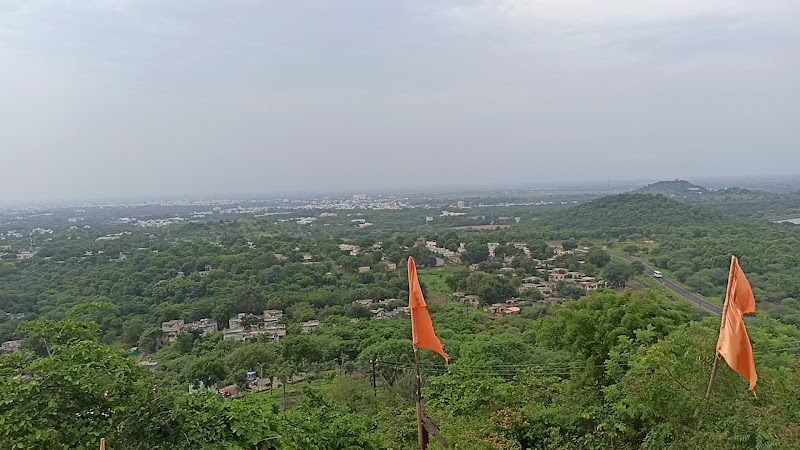
Ekta Tekdi United Hill
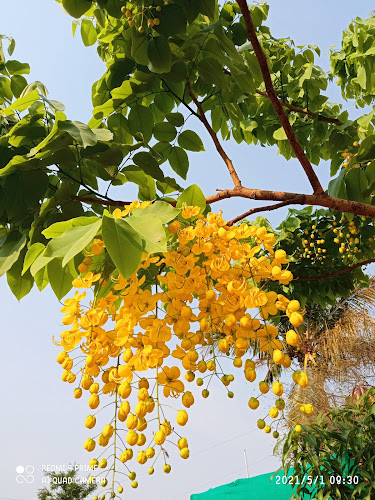
Vidisha Park
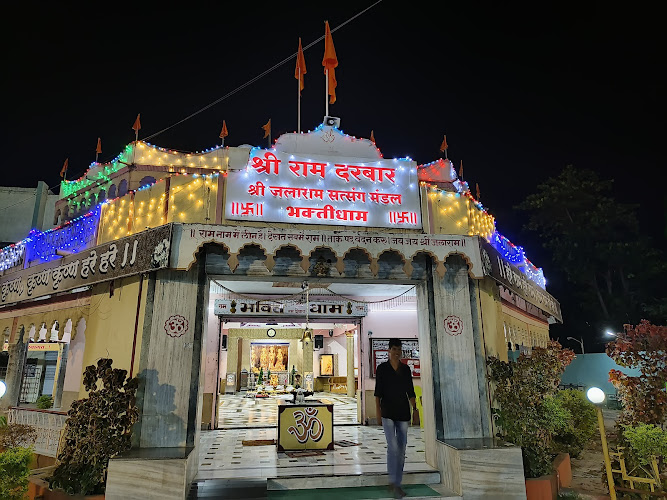
Bhakti Dham
Find Accommodations Nearby
Recommended Tours & Activities
Visitor Reviews
There are no reviews yet. Be the first one to write one.
Share Your Experience
Have you visited VMV Forest Reserv? Help other travelers by leaving a review.