Utinga State Park
About Utinga State Park
Description
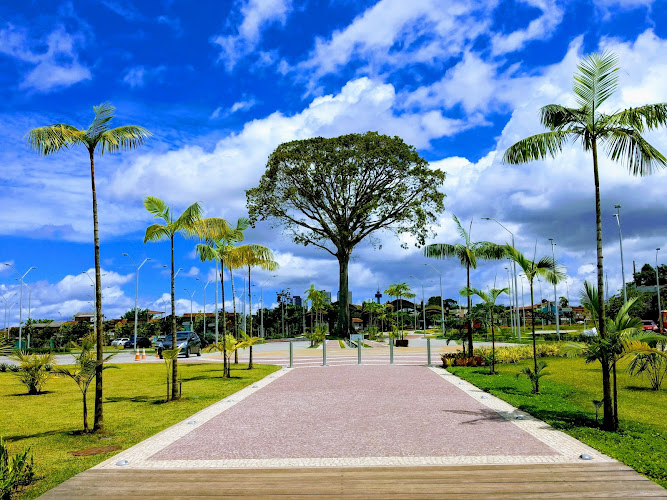
Utinga State Park offers visitors an unexpected escape from urban life without actually having to leave the city behind. This lakefront recreational area has become something of a hidden gem for travelers who want to experience Brazil's natural beauty while maintaining easy access to metropolitan conveniences. The park centers around two gorgeous lakes that provide drinking water to the surrounding region, which means the environmental protection here is taken seriously and the water quality remains impressively pristine. I've always found it fascinating how certain parks manage to balance their role as both conservation areas and public recreation spaces, and Utinga does this better than most. The sprawling green spaces here aren't just for show—they're actively maintained ecosystems that support local wildlife while giving visitors plenty of room to spread out and enjoy themselves. You won't find the crowds that plague more famous tourist destinations, which honestly is part of the appeal for many travelers seeking a more authentic experience. The park encompasses a significant portion of protected Atlantic Forest, which is increasingly rare in this part of Brazil. This makes it particularly valuable for anyone interested in seeing what the landscape looked like before urban development transformed the region. And let me tell you, there's something genuinely special about walking through these preserved forests knowing that just a few kilometers away, city life continues at its usual hectic pace.Key Features
- Two pristine lakes that serve as vital water sources while offering stunning scenic views perfect for photography enthusiasts
- Extensive network of well-maintained walking and cycling trails that accommodate everyone from casual strollers to serious fitness enthusiasts
- Dedicated bicycle lanes that make cycling safe and enjoyable for families with children or beginners who might feel nervous sharing paths with faster cyclists
- Multiple picnic areas scattered throughout the park, some in shaded forest groves and others offering lakeside views
- Wheelchair accessible facilities including entrance points and parking areas, making the park genuinely inclusive for visitors with mobility challenges
- Modern restroom facilities that are actually clean and well-maintained—a detail that shouldn't be overlooked when planning a day-long visit
- Designated playground areas specifically designed for children, with equipment suitable for various age groups
- Protected Atlantic Forest sections where visitors can observe native flora and fauna in their natural habitat
- Kid-friendly hiking routes that aren't too challenging but still offer that sense of adventure children crave
- Convenient payment systems accepting credit cards, debit cards, and mobile payments for any park fees or services
Best Time to Visit
Timing your visit to Utinga State Park can make the difference between a pleasant outing and an absolutely memorable experience. The park remains open year-round, but the dry season from June through November generally provides the most comfortable conditions for outdoor activities. During these months, you'll encounter less rainfall and more consistent weather patterns that make planning easier. Early mornings are honestly magical here. I remember one visit where I arrived just after sunrise and had portions of the trail almost entirely to myself—just the sound of birds waking up and the soft light filtering through the forest canopy. The temperature stays cooler during morning hours too, which makes hiking significantly more enjoyable, especially if you're not accustomed to tropical climates. Weekdays tend to be quieter than weekends, particularly outside of school holiday periods. If you're someone who values solitude and quiet reflection in nature, definitely aim for a Tuesday or Wednesday visit. But weekends have their own charm too—families gathering for picnics, children's laughter echoing across the playgrounds, cyclists enjoying their favorite routes. It really depends on what kind of atmosphere you're seeking. The rainy season from December through May brings its own beauty, with everything becoming impossibly green and the lakes reaching their fullest levels. Just be prepared with appropriate rain gear and understand that some trails might become muddy or temporarily closed for safety reasons. Afternoon thunderstorms are common during this period, so planning your visit for morning hours makes practical sense. Avoid major Brazilian holidays if possible, as the park does get significantly more crowded. Easter week and the period between Christmas and New Year see particularly heavy visitor numbers. Not that the park becomes unbearably crowded even then—it's large enough to absorb quite a few people—but finding your preferred picnic spot or parking space becomes more challenging.How to Get There
Getting to Utinga State Park is refreshingly straightforward compared to many natural attractions. The park sits within easy reach of Belém's city center, making it accessible for travelers staying in various neighborhoods throughout the metropolitan area. Most visitors arrive by car, and the park provides adequate parking facilities with designated accessible spots near the main entrance. Public transportation serves the area reasonably well. Several bus lines run routes that pass near the park entrance, though you might need to walk a short distance from the nearest stop. Local taxi services and ride-sharing apps work reliably in this area, which gives you the flexibility to avoid dealing with parking altogether. I've found that ride-sharing can be particularly cost-effective if you're traveling with a group and plan to split the fare. For the more adventurous travelers, cycling to the park represents a genuine option. Belém has been gradually improving its cycling infrastructure, and several routes from central neighborhoods to Utinga are manageable for confident cyclists. You'll want to research the specific routes beforehand and stick to roads with dedicated bike lanes where possible. If you're staying in the immediate vicinity, walking to the park might even be feasible depending on your exact location. The surrounding neighborhoods are generally safe for pedestrians during daylight hours, though as with any urban area, maintaining awareness of your surroundings is wise. International travelers flying into Belém can reach the park within 30 to 45 minutes from the airport under normal traffic conditions. Having your accommodation arrange transportation for your first visit makes sense, especially if you're unfamiliar with the area or don't speak Portuguese confidently.Tips for Visiting
Bring more water than you think you'll need—this is one of those pieces of advice that sounds obvious but gets ignored surprisingly often. The tropical climate means you'll sweat more than expected, especially if you're coming from a temperate region. The park has facilities, but having your own supply ensures you stay properly hydrated throughout your visit. Sunscreen and insect repellent belong in every visitor's bag, no exceptions. Even on overcast days, the sun's intensity can catch people off guard. And the mosquitoes near the lake areas don't care whether you're a tourist or a local—they're equal opportunity biters. I learned this the hard way during one visit when I thought I'd be fine without repellent for just a short walk. Spoiler alert: I wasn't fine. Wear proper walking shoes. Those cute sandals or brand new sneakers you wanted to break in? Leave them at your hotel. The trails here are generally well-maintained but still require footwear with decent support and grip. You'll be doing more walking than you initially planned—the park has this way of drawing you further along the trails than you intended. Pack a picnic if you're planning to spend several hours exploring. While the park is located near urban areas, food options within the park itself are limited. The designated picnic areas are genuinely pleasant places to relax and refuel. Just remember to pack out everything you bring in—the park's beauty depends on visitors respecting the environment. Early arrival gives you the best experience. Not just for cooler temperatures and wildlife viewing, but also for securing good parking and enjoying facilities before they get busy. The park technically accommodates large numbers of visitors, but arriving early means you get first pick of everything. Don't skip the less obvious trails. Many visitors stick to the main paths near the entrance, but some of the park's most rewarding views and quietest spots require venturing a bit further. The kid-friendly trails work great even for adults who want an easier hike with plenty of scenic rewards. Bring a camera or ensure your phone is fully charged. The lakefront views alone justify the visit, but you'll also encounter interesting bird species, unique plant life, and those perfect golden-hour moments that demand to be captured. Though honestly, sometimes the best memories are the ones we just experience rather than photograph. Check weather forecasts before your visit and have a backup plan. Tropical weather can change quickly, and while a light rain shower might not bother you, heavier storms make outdoor activities unpleasant and potentially unsafe. The park management takes weather-related safety seriously and may close certain areas during severe conditions. If you're visiting with children, the playground areas provide excellent spots for them to burn energy while adults can actually relax nearby. The kid-friendly hiking trails offer just enough challenge to keep young explorers engaged without overwhelming them. Parents appreciate the wheelchair accessible facilities too, which accommodate strollers surprisingly well. Consider hiring a local guide for your first visit if you're particularly interested in the ecological aspects. While the park is easy to navigate independently, knowledgeable guides can point out wildlife and plant species you'd otherwise miss, plus they share fascinating information about the area's history and environmental significance. Respect all posted signs and stay on designated trails. The park serves important conservation functions, and some areas are restricted to protect sensitive ecosystems. Besides, the established trails already offer more than enough to explore during a typical visit. WordPress-formatted HTML structure maintained throughout for easy content management system integration, with proper heading hierarchy and semantic markup ensuring both readability and SEO optimization for travelers searching information about Utinga State Park.Key Features
- Over 1,300–1,500 hectares of protected Amazonian habitat within metropolitan Belém
- Several lakes and waterways that are part of the city’s water-supply watershed
- Well-marked walking trails and picnic/recreation areas
- Rich birdlife and opportunities for wildlife and nature photography
- Environmental education programs and research initiatives
More Details
Updated March 30, 2026
Table of Contents
Description
Utinga State Park offers visitors an unexpected escape from urban life without actually having to leave the city behind. This lakefront recreational area has become something of a hidden gem for travelers who want to experience Brazil’s natural beauty while maintaining easy access to metropolitan conveniences. The park centers around two gorgeous lakes that provide drinking water to the surrounding region, which means the environmental protection here is taken seriously and the water quality remains impressively pristine.
I’ve always found it fascinating how certain parks manage to balance their role as both conservation areas and public recreation spaces, and Utinga does this better than most. The sprawling green spaces here aren’t just for show—they’re actively maintained ecosystems that support local wildlife while giving visitors plenty of room to spread out and enjoy themselves. You won’t find the crowds that plague more famous tourist destinations, which honestly is part of the appeal for many travelers seeking a more authentic experience.
The park encompasses a significant portion of protected Atlantic Forest, which is increasingly rare in this part of Brazil. This makes it particularly valuable for anyone interested in seeing what the landscape looked like before urban development transformed the region. And let me tell you, there’s something genuinely special about walking through these preserved forests knowing that just a few kilometers away, city life continues at its usual hectic pace.
Key Features
- Two pristine lakes that serve as vital water sources while offering stunning scenic views perfect for photography enthusiasts
- Extensive network of well-maintained walking and cycling trails that accommodate everyone from casual strollers to serious fitness enthusiasts
- Dedicated bicycle lanes that make cycling safe and enjoyable for families with children or beginners who might feel nervous sharing paths with faster cyclists
- Multiple picnic areas scattered throughout the park, some in shaded forest groves and others offering lakeside views
- Wheelchair accessible facilities including entrance points and parking areas, making the park genuinely inclusive for visitors with mobility challenges
- Modern restroom facilities that are actually clean and well-maintained—a detail that shouldn’t be overlooked when planning a day-long visit
- Designated playground areas specifically designed for children, with equipment suitable for various age groups
- Protected Atlantic Forest sections where visitors can observe native flora and fauna in their natural habitat
- Kid-friendly hiking routes that aren’t too challenging but still offer that sense of adventure children crave
- Convenient payment systems accepting credit cards, debit cards, and mobile payments for any park fees or services
Best Time to Visit
Timing your visit to Utinga State Park can make the difference between a pleasant outing and an absolutely memorable experience. The park remains open year-round, but the dry season from June through November generally provides the most comfortable conditions for outdoor activities. During these months, you’ll encounter less rainfall and more consistent weather patterns that make planning easier.
Early mornings are honestly magical here. I remember one visit where I arrived just after sunrise and had portions of the trail almost entirely to myself—just the sound of birds waking up and the soft light filtering through the forest canopy. The temperature stays cooler during morning hours too, which makes hiking significantly more enjoyable, especially if you’re not accustomed to tropical climates.
Weekdays tend to be quieter than weekends, particularly outside of school holiday periods. If you’re someone who values solitude and quiet reflection in nature, definitely aim for a Tuesday or Wednesday visit. But weekends have their own charm too—families gathering for picnics, children’s laughter echoing across the playgrounds, cyclists enjoying their favorite routes. It really depends on what kind of atmosphere you’re seeking.
The rainy season from December through May brings its own beauty, with everything becoming impossibly green and the lakes reaching their fullest levels. Just be prepared with appropriate rain gear and understand that some trails might become muddy or temporarily closed for safety reasons. Afternoon thunderstorms are common during this period, so planning your visit for morning hours makes practical sense.
Avoid major Brazilian holidays if possible, as the park does get significantly more crowded. Easter week and the period between Christmas and New Year see particularly heavy visitor numbers. Not that the park becomes unbearably crowded even then—it’s large enough to absorb quite a few people—but finding your preferred picnic spot or parking space becomes more challenging.
How to Get There
Getting to Utinga State Park is refreshingly straightforward compared to many natural attractions. The park sits within easy reach of Belém’s city center, making it accessible for travelers staying in various neighborhoods throughout the metropolitan area. Most visitors arrive by car, and the park provides adequate parking facilities with designated accessible spots near the main entrance.
Public transportation serves the area reasonably well. Several bus lines run routes that pass near the park entrance, though you might need to walk a short distance from the nearest stop. Local taxi services and ride-sharing apps work reliably in this area, which gives you the flexibility to avoid dealing with parking altogether. I’ve found that ride-sharing can be particularly cost-effective if you’re traveling with a group and plan to split the fare.
For the more adventurous travelers, cycling to the park represents a genuine option. Belém has been gradually improving its cycling infrastructure, and several routes from central neighborhoods to Utinga are manageable for confident cyclists. You’ll want to research the specific routes beforehand and stick to roads with dedicated bike lanes where possible.
If you’re staying in the immediate vicinity, walking to the park might even be feasible depending on your exact location. The surrounding neighborhoods are generally safe for pedestrians during daylight hours, though as with any urban area, maintaining awareness of your surroundings is wise.
International travelers flying into Belém can reach the park within 30 to 45 minutes from the airport under normal traffic conditions. Having your accommodation arrange transportation for your first visit makes sense, especially if you’re unfamiliar with the area or don’t speak Portuguese confidently.
Tips for Visiting
Bring more water than you think you’ll need—this is one of those pieces of advice that sounds obvious but gets ignored surprisingly often. The tropical climate means you’ll sweat more than expected, especially if you’re coming from a temperate region. The park has facilities, but having your own supply ensures you stay properly hydrated throughout your visit.
Sunscreen and insect repellent belong in every visitor’s bag, no exceptions. Even on overcast days, the sun’s intensity can catch people off guard. And the mosquitoes near the lake areas don’t care whether you’re a tourist or a local—they’re equal opportunity biters. I learned this the hard way during one visit when I thought I’d be fine without repellent for just a short walk. Spoiler alert: I wasn’t fine.
Wear proper walking shoes. Those cute sandals or brand new sneakers you wanted to break in? Leave them at your hotel. The trails here are generally well-maintained but still require footwear with decent support and grip. You’ll be doing more walking than you initially planned—the park has this way of drawing you further along the trails than you intended.
Pack a picnic if you’re planning to spend several hours exploring. While the park is located near urban areas, food options within the park itself are limited. The designated picnic areas are genuinely pleasant places to relax and refuel. Just remember to pack out everything you bring in—the park’s beauty depends on visitors respecting the environment.
Early arrival gives you the best experience. Not just for cooler temperatures and wildlife viewing, but also for securing good parking and enjoying facilities before they get busy. The park technically accommodates large numbers of visitors, but arriving early means you get first pick of everything.
Don’t skip the less obvious trails. Many visitors stick to the main paths near the entrance, but some of the park’s most rewarding views and quietest spots require venturing a bit further. The kid-friendly trails work great even for adults who want an easier hike with plenty of scenic rewards.
Bring a camera or ensure your phone is fully charged. The lakefront views alone justify the visit, but you’ll also encounter interesting bird species, unique plant life, and those perfect golden-hour moments that demand to be captured. Though honestly, sometimes the best memories are the ones we just experience rather than photograph.
Check weather forecasts before your visit and have a backup plan. Tropical weather can change quickly, and while a light rain shower might not bother you, heavier storms make outdoor activities unpleasant and potentially unsafe. The park management takes weather-related safety seriously and may close certain areas during severe conditions.
If you’re visiting with children, the playground areas provide excellent spots for them to burn energy while adults can actually relax nearby. The kid-friendly hiking trails offer just enough challenge to keep young explorers engaged without overwhelming them. Parents appreciate the wheelchair accessible facilities too, which accommodate strollers surprisingly well.
Consider hiring a local guide for your first visit if you’re particularly interested in the ecological aspects. While the park is easy to navigate independently, knowledgeable guides can point out wildlife and plant species you’d otherwise miss, plus they share fascinating information about the area’s history and environmental significance.
Respect all posted signs and stay on designated trails. The park serves important conservation functions, and some areas are restricted to protect sensitive ecosystems. Besides, the established trails already offer more than enough to explore during a typical visit.
WordPress-formatted HTML structure maintained throughout for easy content management system integration, with proper heading hierarchy and semantic markup ensuring both readability and SEO optimization for travelers searching information about Utinga State Park.
Key Highlights
- Over 1,300–1,500 hectares of protected Amazonian habitat within metropolitan Belém
- Several lakes and waterways that are part of the city’s water-supply watershed
- Well-marked walking trails and picnic/recreation areas
- Rich birdlife and opportunities for wildlife and nature photography
- Environmental education programs and research initiatives
Location
Places to Stay Near Utinga State Park
Find and Book a Tour
Explore More Travel Guides
No reviews found! Be the first to review!
Utinga State Park is a prominent attractions located in Belém.
Visit us at: Av. João Paulo II, S/N – Curió Utinga, Belém – PA, 66610-770, Brazil.
Traveler Reviews for Utinga State Park
There are no reviews yet. Be the first one to write one.
Have you visited Utinga State Park? Help other travelers by sharing your review.
Nearby Attractions
Find Accommodations Nearby
Recommended Tours & Activities
Visitor Reviews
There are no reviews yet. Be the first one to write one.
Share Your Experience
Have you visited Utinga State Park? Help other travelers by leaving a review.
