
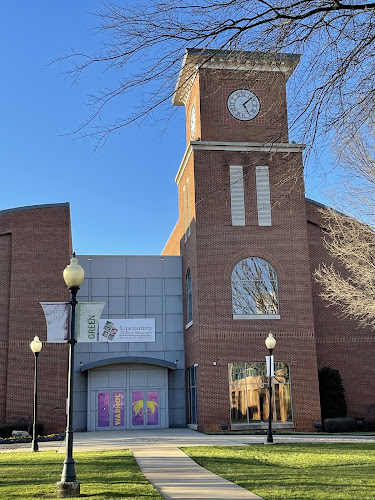
Upcountry History Museum
About Upcountry History Museum
Description
The Upcountry History Museum stands as a compelling testament to South Carolina's upstate region, offering travelers an authentic glimpse into the stories that shaped this distinctive corner of the Southeast. And honestly, when you step through those doors, you're not just visiting another museum—you're walking into a carefully curated journey through time that brings the past to life in ways that'll surprise you. What makes this place genuinely special is its commitment to rotating exhibits that keep the experience fresh and relevant. Unlike those museums that feel frozen in time themselves, this institution constantly evolves its presentations to explore different facets of upstate South Carolina's rich heritage. One visit might immerse you in the region's textile industry legacy, while another could transport you back to the Revolutionary War battles that raged across these hills. I've always believed that history museums should make you feel something, and this one delivers on that promise consistently. The museum occupies a purposeful space designed specifically for storytelling. You'll find carefully planned galleries that guide you through chronological narratives while also allowing for thematic deep dives into specific subjects. The collection ranges from pre-colonial Native American artifacts to modern-day industrial innovations that put the upstate on the map. It's the kind of place where you might discover something about the region you never knew existed, even if you've lived nearby your whole life. Families traveling with curious kids will appreciate how accessible the content is without dumbing things down. The museum strikes that delicate balance between educational rigor and engaging presentation. But it's not just for families—history buffs, researchers, and even casual travelers looking for a rainy day activity find value here. The exhibits don't just present facts; they weave narratives that connect past events to present-day culture and identity.Key Features
The Upcountry History Museum offers several standout features that enhance the visitor experience:- Rotating exhibitions that change throughout the year, ensuring repeat visitors always discover something new and keeping the content fresh and relevant to current historical scholarship
- Full wheelchair accessibility throughout the facility, including entrance ramps, accessible restrooms, and designated parking spaces that make the museum welcoming for all visitors
- An onsite theater that screens historical documentaries and presentations, adding a multimedia dimension to the storytelling and providing context for the exhibits you'll explore
- Guided tours led by knowledgeable staff who bring the exhibits to life with additional anecdotes and answers to your specific questions—these tours really make the difference between a good visit and a great one
- A well-stocked gift shop featuring locally authored books, reproduction artifacts, and unique souvenirs that actually connect to the region's history rather than generic tourist trinkets
- Free onsite parking that removes one of those annoying travel hassles—no circling blocks or feeding meters while you're trying to enjoy your visit
- Child-friendly exhibits and interactive elements designed to engage younger visitors without compromising the educational value for adult guests
- Clean, accessible restroom facilities maintained throughout the day because sometimes the practical stuff matters just as much as the cultural experience
Best Time to Visit
Timing your visit to the Upcountry History Museum can significantly impact your experience, and I've learned through both my own travels and talking with other museum-goers that strategic planning pays off. Weekday mornings, particularly Tuesday through Thursday between 10 AM and noon, tend to offer the most peaceful browsing experience. You'll have space to read exhibit placards at your own pace without crowds pressing behind you. School groups typically arrive later in the morning or early afternoon, so if you prefer a quieter atmosphere, get there right when they open. Summer months bring increased traffic from traveling families, which creates a more energetic atmosphere but also means more competition for prime viewing spots near popular exhibits. If you're visiting during peak summer season, consider arriving right at opening time or later in the afternoon when day-trippers have moved on to their next destination. Fall represents an ideal visiting window, especially September through early November. The weather in the upstate is gorgeous during these months—crisp mornings, comfortable afternoons—and tourist crowds have thinned out as schools resume. Plus, the museum often launches new exhibits during fall months to coincide with the academic calendar. Winter visits, particularly January and February, offer their own advantages. You'll encounter minimal crowds and have the staff's full attention for questions or discussion. The heating works perfectly well, so don't let cooler weather deter you. And if you're someone who likes to really linger over exhibits and absorb every detail, winter weekdays provide that opportunity. Spring brings school field trip season into full swing, usually March through May. While this creates a lively atmosphere that some visitors enjoy, others find it distracting. If you're traveling with your own kids, they might actually enjoy the social energy of other young visitors exploring alongside them. Weather doesn't really impact your visit since everything's indoors, which makes the museum an excellent backup plan when rain derails outdoor activities. That flexibility is genuinely valuable when you're traveling and need to adjust plans on the fly.How to Get There
Getting to the Upcountry History Museum is straightforward enough that you won't need a GPS degree to navigate, though having navigation enabled certainly helps if you're unfamiliar with the area. The museum sits in Greenville's downtown district, which means you're dealing with city navigation rather than rural highways. If you're driving from Interstate 85, you'll exit into Greenville and follow well-marked downtown directional signs. The upstate's road system is generally logical, with main arteries leading toward the city center where the museum resides. Free onsite parking at the museum itself solves one of the biggest headaches of downtown attractions. The parking lot accommodates a decent number of vehicles, though arriving during peak afternoon hours on weekends might require some patience. The lot includes designated accessible parking spaces located conveniently near the entrance. For travelers relying on public transportation, Greenville's transit system serves the downtown area with multiple routes. Check current schedules since service frequency varies by day and time. The museum's central location makes it accessible via several bus lines, and the stop isn't far from the entrance. If you're staying at a downtown Greenville hotel, walking might be your best option. The downtown district is compact and pedestrian-friendly, with sidewalks and crosswalks that make strolling safe and pleasant. I've walked to the museum from various downtown locations, and it's never taken more than about fifteen minutes at a leisurely pace. Ride-sharing services operate extensively in Greenville, providing another convenient option if you're without a car. Drivers are familiar with the museum location, so you won't encounter any confusion about drop-off points. Travelers flying into Greenville-Spartanburg International Airport will find the museum about a thirty-minute drive away, depending on traffic conditions. Rental cars are available at the airport, or you can arrange ride-sharing for direct transportation.Tips for Visiting
Planning ahead transforms a good museum visit into an excellent one, and a few insider strategies will help you maximize your time at the Upcountry History Museum. First, budget more time than you think you'll need. Rushing through exhibits defeats the purpose, and you'll kick yourself later when you realize you glossed over something interesting. Two to three hours provides a comfortable pace for most visitors, though history enthusiasts might easily spend four hours or more diving deep into the collections. Check the museum's current exhibition schedule before you visit. Because exhibits rotate regularly, knowing what's on display helps you decide if the timing aligns with your interests. Some special exhibitions attract particular attention and might influence whether you visit now or during a future trip to the area. The admission fee structure is reasonable, but look into any available discounts for students, seniors, military personnel, or groups. A few dollars saved is a few dollars toward that book in the gift shop you'll want to buy. And speaking of the gift shop, don't skip it—the selection includes genuinely interesting local history books and meaningful souvenirs rather than disposable junk. Take advantage of the guided tours if they're available during your visit. Staff members possess knowledge that goes beyond what's printed on exhibit labels, and they can answer specific questions about the region's history. Tours also help orient you to the museum's layout and highlight exhibits you might otherwise overlook. Bring your curiosity and don't be afraid to ask questions. Museum staff members chose this work because they love history, and most genuinely enjoy engaging with interested visitors. I've had some fascinating conversations with docents who shared stories that never made it into formal exhibits. The theater presentations are worth building into your visit schedule. These films provide context that enriches your understanding of the exhibits, and sitting down for twenty minutes gives your feet a break. Check the screening schedule when you arrive and plan accordingly. Photography policies vary by exhibit, so ask before you start snapping pictures. Some artifacts are sensitive to flash photography, while others can't be photographed at all due to copyright or loan agreements. Respect these restrictions—they exist to preserve historical materials for future visitors. Wear comfortable shoes because you'll be on your feet more than you might anticipate. Museum floors tend to be hard, and comfortable footwear makes the difference between enjoying the full experience and wanting to leave early because your feet hurt. If you're visiting with children, prepare them beforehand about museum etiquette—speaking quietly, not touching artifacts, walking rather than running. The exhibits are genuinely kid-friendly, but young visitors still need guidance about appropriate behavior in public spaces. Consider combining your museum visit with other downtown Greenville activities. The location makes it easy to grab lunch nearby afterward or explore other attractions within walking distance. Making the museum part of a larger downtown experience gives you more value from your travel time. Finally, leave room in your schedule for spontaneous discovery. Sometimes the most memorable museum moments come from unexpected exhibits or artifacts that catch your eye. The rigid itinerary has its place, but so does wandering with purpose and seeing where your interests lead you.Key Features
- Rotating exhibitions that change throughout the year, ensuring repeat visitors always discover something new and keeping the content fresh and relevant to current historical scholarship
- Full wheelchair accessibility throughout the facility, including entrance ramps, accessible restrooms, and designated parking spaces that make the museum welcoming for all visitors
- An onsite theater that screens historical documentaries and presentations, adding a multimedia dimension to the storytelling and providing context for the exhibits you'll explore
- A well-stocked gift shop featuring locally authored books, reproduction artifacts, and unique souvenirs that actually connect to the region's history rather than generic tourist trinkets
- Free onsite parking that removes one of those annoying travel hassles—no circling blocks or feeding meters while you're trying to enjoy your visit
- Child-friendly exhibits and interactive elements designed to engage younger visitors without compromising the educational value for adult guests
- Clean, accessible restroom facilities maintained throughout the day because sometimes the practical stuff matters just as much as the cultural experience
More Details
Updated January 19, 2026
Table of Contents
Description
The Upcountry History Museum stands as a compelling testament to South Carolina’s upstate region, offering travelers an authentic glimpse into the stories that shaped this distinctive corner of the Southeast. And honestly, when you step through those doors, you’re not just visiting another museum—you’re walking into a carefully curated journey through time that brings the past to life in ways that’ll surprise you.
What makes this place genuinely special is its commitment to rotating exhibits that keep the experience fresh and relevant. Unlike those museums that feel frozen in time themselves, this institution constantly evolves its presentations to explore different facets of upstate South Carolina’s rich heritage. One visit might immerse you in the region’s textile industry legacy, while another could transport you back to the Revolutionary War battles that raged across these hills. I’ve always believed that history museums should make you feel something, and this one delivers on that promise consistently.
The museum occupies a purposeful space designed specifically for storytelling. You’ll find carefully planned galleries that guide you through chronological narratives while also allowing for thematic deep dives into specific subjects. The collection ranges from pre-colonial Native American artifacts to modern-day industrial innovations that put the upstate on the map. It’s the kind of place where you might discover something about the region you never knew existed, even if you’ve lived nearby your whole life.
Families traveling with curious kids will appreciate how accessible the content is without dumbing things down. The museum strikes that delicate balance between educational rigor and engaging presentation. But it’s not just for families—history buffs, researchers, and even casual travelers looking for a rainy day activity find value here. The exhibits don’t just present facts; they weave narratives that connect past events to present-day culture and identity.
Key Features
The Upcountry History Museum offers several standout features that enhance the visitor experience:
- Rotating exhibitions that change throughout the year, ensuring repeat visitors always discover something new and keeping the content fresh and relevant to current historical scholarship
- Full wheelchair accessibility throughout the facility, including entrance ramps, accessible restrooms, and designated parking spaces that make the museum welcoming for all visitors
- An onsite theater that screens historical documentaries and presentations, adding a multimedia dimension to the storytelling and providing context for the exhibits you’ll explore
- Guided tours led by knowledgeable staff who bring the exhibits to life with additional anecdotes and answers to your specific questions—these tours really make the difference between a good visit and a great one
- A well-stocked gift shop featuring locally authored books, reproduction artifacts, and unique souvenirs that actually connect to the region’s history rather than generic tourist trinkets
- Free onsite parking that removes one of those annoying travel hassles—no circling blocks or feeding meters while you’re trying to enjoy your visit
- Child-friendly exhibits and interactive elements designed to engage younger visitors without compromising the educational value for adult guests
- Clean, accessible restroom facilities maintained throughout the day because sometimes the practical stuff matters just as much as the cultural experience
Best Time to Visit
Timing your visit to the Upcountry History Museum can significantly impact your experience, and I’ve learned through both my own travels and talking with other museum-goers that strategic planning pays off.
Weekday mornings, particularly Tuesday through Thursday between 10 AM and noon, tend to offer the most peaceful browsing experience. You’ll have space to read exhibit placards at your own pace without crowds pressing behind you. School groups typically arrive later in the morning or early afternoon, so if you prefer a quieter atmosphere, get there right when they open.
Summer months bring increased traffic from traveling families, which creates a more energetic atmosphere but also means more competition for prime viewing spots near popular exhibits. If you’re visiting during peak summer season, consider arriving right at opening time or later in the afternoon when day-trippers have moved on to their next destination.
Fall represents an ideal visiting window, especially September through early November. The weather in the upstate is gorgeous during these months—crisp mornings, comfortable afternoons—and tourist crowds have thinned out as schools resume. Plus, the museum often launches new exhibits during fall months to coincide with the academic calendar.
Winter visits, particularly January and February, offer their own advantages. You’ll encounter minimal crowds and have the staff’s full attention for questions or discussion. The heating works perfectly well, so don’t let cooler weather deter you. And if you’re someone who likes to really linger over exhibits and absorb every detail, winter weekdays provide that opportunity.
Spring brings school field trip season into full swing, usually March through May. While this creates a lively atmosphere that some visitors enjoy, others find it distracting. If you’re traveling with your own kids, they might actually enjoy the social energy of other young visitors exploring alongside them.
Weather doesn’t really impact your visit since everything’s indoors, which makes the museum an excellent backup plan when rain derails outdoor activities. That flexibility is genuinely valuable when you’re traveling and need to adjust plans on the fly.
How to Get There
Getting to the Upcountry History Museum is straightforward enough that you won’t need a GPS degree to navigate, though having navigation enabled certainly helps if you’re unfamiliar with the area.
The museum sits in Greenville’s downtown district, which means you’re dealing with city navigation rather than rural highways. If you’re driving from Interstate 85, you’ll exit into Greenville and follow well-marked downtown directional signs. The upstate’s road system is generally logical, with main arteries leading toward the city center where the museum resides.
Free onsite parking at the museum itself solves one of the biggest headaches of downtown attractions. The parking lot accommodates a decent number of vehicles, though arriving during peak afternoon hours on weekends might require some patience. The lot includes designated accessible parking spaces located conveniently near the entrance.
For travelers relying on public transportation, Greenville’s transit system serves the downtown area with multiple routes. Check current schedules since service frequency varies by day and time. The museum’s central location makes it accessible via several bus lines, and the stop isn’t far from the entrance.
If you’re staying at a downtown Greenville hotel, walking might be your best option. The downtown district is compact and pedestrian-friendly, with sidewalks and crosswalks that make strolling safe and pleasant. I’ve walked to the museum from various downtown locations, and it’s never taken more than about fifteen minutes at a leisurely pace.
Ride-sharing services operate extensively in Greenville, providing another convenient option if you’re without a car. Drivers are familiar with the museum location, so you won’t encounter any confusion about drop-off points.
Travelers flying into Greenville-Spartanburg International Airport will find the museum about a thirty-minute drive away, depending on traffic conditions. Rental cars are available at the airport, or you can arrange ride-sharing for direct transportation.
Tips for Visiting
Planning ahead transforms a good museum visit into an excellent one, and a few insider strategies will help you maximize your time at the Upcountry History Museum.
First, budget more time than you think you’ll need. Rushing through exhibits defeats the purpose, and you’ll kick yourself later when you realize you glossed over something interesting. Two to three hours provides a comfortable pace for most visitors, though history enthusiasts might easily spend four hours or more diving deep into the collections.
Check the museum’s current exhibition schedule before you visit. Because exhibits rotate regularly, knowing what’s on display helps you decide if the timing aligns with your interests. Some special exhibitions attract particular attention and might influence whether you visit now or during a future trip to the area.
The admission fee structure is reasonable, but look into any available discounts for students, seniors, military personnel, or groups. A few dollars saved is a few dollars toward that book in the gift shop you’ll want to buy. And speaking of the gift shop, don’t skip it—the selection includes genuinely interesting local history books and meaningful souvenirs rather than disposable junk.
Take advantage of the guided tours if they’re available during your visit. Staff members possess knowledge that goes beyond what’s printed on exhibit labels, and they can answer specific questions about the region’s history. Tours also help orient you to the museum’s layout and highlight exhibits you might otherwise overlook.
Bring your curiosity and don’t be afraid to ask questions. Museum staff members chose this work because they love history, and most genuinely enjoy engaging with interested visitors. I’ve had some fascinating conversations with docents who shared stories that never made it into formal exhibits.
The theater presentations are worth building into your visit schedule. These films provide context that enriches your understanding of the exhibits, and sitting down for twenty minutes gives your feet a break. Check the screening schedule when you arrive and plan accordingly.
Photography policies vary by exhibit, so ask before you start snapping pictures. Some artifacts are sensitive to flash photography, while others can’t be photographed at all due to copyright or loan agreements. Respect these restrictions—they exist to preserve historical materials for future visitors.
Wear comfortable shoes because you’ll be on your feet more than you might anticipate. Museum floors tend to be hard, and comfortable footwear makes the difference between enjoying the full experience and wanting to leave early because your feet hurt.
If you’re visiting with children, prepare them beforehand about museum etiquette—speaking quietly, not touching artifacts, walking rather than running. The exhibits are genuinely kid-friendly, but young visitors still need guidance about appropriate behavior in public spaces.
Consider combining your museum visit with other downtown Greenville activities. The location makes it easy to grab lunch nearby afterward or explore other attractions within walking distance. Making the museum part of a larger downtown experience gives you more value from your travel time.
Finally, leave room in your schedule for spontaneous discovery. Sometimes the most memorable museum moments come from unexpected exhibits or artifacts that catch your eye. The rigid itinerary has its place, but so does wandering with purpose and seeing where your interests lead you.
Key Highlights
- Rotating exhibitions that change throughout the year, ensuring repeat visitors always discover something new and keeping the content fresh and relevant to current historical scholarship
- Full wheelchair accessibility throughout the facility, including entrance ramps, accessible restrooms, and designated parking spaces that make the museum welcoming for all visitors
- An onsite theater that screens historical documentaries and presentations, adding a multimedia dimension to the storytelling and providing context for the exhibits you'll explore
- A well-stocked gift shop featuring locally authored books, reproduction artifacts, and unique souvenirs that actually connect to the region's history rather than generic tourist trinkets
- Free onsite parking that removes one of those annoying travel hassles—no circling blocks or feeding meters while you're trying to enjoy your visit
- Child-friendly exhibits and interactive elements designed to engage younger visitors without compromising the educational value for adult guests
- Clean, accessible restroom facilities maintained throughout the day because sometimes the practical stuff matters just as much as the cultural experience
Location
Places to Stay Near Upcountry History Museum
Find and Book a Tour
Explore More Travel Guides
No reviews found! Be the first to review!
Traveler Reviews for Upcountry History Museum
There are no reviews yet. Be the first one to write one.
Have you visited Upcountry History Museum? Help other travelers by sharing your review.
You Might Also Like

Downtown Greenville Sc

Conestee Nature Preserve

Liberty Bridge
Find Accommodations Nearby
Recommended Tours & Activities
Visitor Reviews
There are no reviews yet. Be the first one to write one.
Share Your Experience
Have you visited Upcountry History Museum? Help other travelers by leaving a review.