
Conestee Nature Preserve
About Conestee Nature Preserve
Description
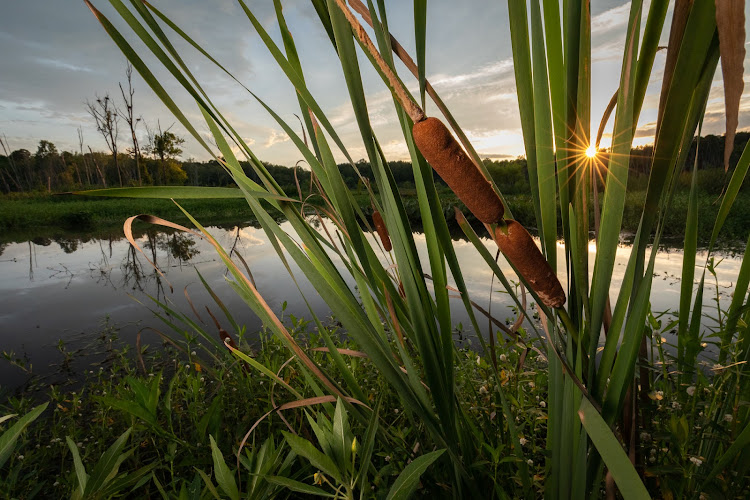
The Conestee Nature Preserve stands as one of South Carolina's most rewarding wildlife destinations, and honestly, it's the kind of place that makes you wonder why you didn't discover it sooner. Sprawling across 400 acres of reclaimed land that was once an industrial site, this nature preserve has transformed into a thriving ecosystem that attracts both serious birders and families looking for an easy outdoor adventure. The preserve sits in Greenville County and has become something of a local treasure since its opening, though plenty of travelers still overlook it in favor of more well-known attractions in the area. What makes Conestee particularly special is its genuine commitment to wildlife conservation combined with accessibility that you don't always find at nature preserves. The paved trails here aren't just an afterthought—they're well-maintained pathways that let you explore wetlands, forests, and open fields without needing hiking boots or worrying about mobility challenges. And the bog walks? They give you this up-close perspective of wetland ecosystems that most people only see from a distance. I remember talking to a regular visitor who told me she'd seen more bird species here in one year than she had in the previous five years combined at other locations. That's the thing about Conestee—it's become a legitimate hotspot for birdwatchers, with more than 200 documented bird species calling this place home at various times throughout the year. But it's not just for the hardcore birding crowd. Families come here for picnics, cyclists use the dedicated lanes, and dog owners appreciate that their furry friends can tag along for the adventure. The preserve operates with a clear mission to balance public recreation with habitat restoration, and you can actually see that balance in action when you visit. Former wetlands have been restored, invasive species are actively managed, and the whole place has this feel of nature reclaiming what was once lost. It's not pristine wilderness—you'll see reminders of the area's industrial past—but that's part of what makes the story here so compelling.Key Features
The Conestee Nature Preserve offers visitors a range of features that cater to different interests and abilities:- Extensive Trail System: Multiple paved trails wind through the preserve, making navigation easy and accessible for wheelchairs, strollers, and visitors of all mobility levels
- Bog Boardwalks: Elevated wooden walkways take you directly over wetland areas where you can observe aquatic plants, turtles, and wading birds without disturbing the delicate ecosystem
- Bird Observation Platforms: Strategically placed viewing areas provide sight lines across open water and marsh areas where waterfowl and shorebirds congregate
- Cycling Infrastructure: Dedicated bike lanes allow cyclists to explore the preserve safely alongside pedestrian traffic
- Picnic Facilities: Tables scattered throughout the preserve create perfect spots for outdoor meals with nature as your backdrop
- Playground Area: A dedicated space keeps younger children entertained, complete with slides and age-appropriate equipment
- Public Restrooms: Clean facilities are available on-site, which is honestly more important than people realize when planning a nature outing
- Dog-Friendly Policies: Well-behaved dogs on leashes are welcome throughout the preserve, making it easy to include your four-legged travel companions
- Free Parking: Ample parking spaces at the main entrance accommodate visitors without any fees
- Wheelchair Accessibility: Both the parking area and entrance are designed with accessibility in mind, ensuring everyone can experience the preserve
- Educational Signage: Interpretive signs throughout the trails provide information about local wildlife, plant species, and the area's transformation from industrial site to nature preserve
Best Time to Visit
Timing your visit to Conestee Nature Preserve can significantly impact what you'll see and experience. The preserve is open year-round, but different seasons bring distinct advantages. Spring migration season, particularly from late March through May, is when birders descend on this place with their binoculars and cameras. Warblers, thrushes, and dozens of other species pass through during their northward journey, and the sheer variety you might spot in a single morning is pretty remarkable. The weather during spring also hits that sweet spot—warm enough to be comfortable but not yet oppressively hot. Summer brings its own rewards, though you'll want to visit early in the morning or later in the evening to avoid the South Carolina heat and humidity. Early risers are rewarded with active wildlife before the temperatures climb, and there's something peaceful about having the trails mostly to yourself at 7 a.m. The preserve's wetlands attract dragonflies and damselflies during summer months, adding another layer of interest beyond just birds. But here's my honest take: fall might be the most pleasant time for casual visitors. September through November offers cooler temperatures, fewer crowds than spring, and another round of bird migration—this time heading south. The autumn light does wonderful things to the landscape, especially in late afternoon, and you can actually walk the trails without working up a sweat. Winter shouldn't be dismissed either. While you won't see the bird diversity of migration seasons, waterfowl populations increase as northern species arrive to spend their winter here. Plus, with deciduous trees bare of leaves, sight lines improve dramatically, making wildlife observation easier. And let's be real—a 55-degree day in January feels pretty good when you're from anywhere north of here. Weekday mornings typically see lighter visitor traffic compared to weekend afternoons, which matters if you're looking for a quieter, more contemplative experience. The preserve does get busy during peak times, especially on beautiful Saturday mornings in spring and fall.How to Get There
Getting to Conestee Nature Preserve is straightforward, though first-time visitors sometimes get a bit turned around since the preserve isn't located in downtown Greenville proper. The preserve sits in the southern part of Greenville County, and most visitors will be coming from either Greenville itself or from travelers staying in the greater Upstate South Carolina area. From downtown Greenville, you're looking at roughly a 15-minute drive south. The preserve is easily accessible from major roads, and GPS navigation works reliably for finding the main entrance. If you're traveling from Interstate 85, you'll exit and head toward the preserve through a mix of commercial and residential areas that gradually transition to the more natural setting of the preserve itself. For visitors coming from other cities, Greenville-Spartanburg International Airport is the closest major airport, about 30 minutes away by car. This makes Conestee a viable destination even for travelers flying in from out of state who want to experience Upstate South Carolina's natural areas. There isn't public transportation that runs directly to the preserve, so you'll need your own vehicle or a rideshare service. Parking at the main entrance is free and generally adequate, though it can fill up on peak weekend mornings during spring migration. The lot is paved and well-maintained with clearly marked accessible spaces near the entrance. One thing worth noting—don't rely solely on the preserve's street address to navigate there. Use the actual preserve name in your GPS, as some mapping applications handle the location more accurately that way. And pay attention as you approach because the entrance isn't super obvious if you're not watching for it.Tips for Visiting
After hearing from dozens of visitors and observing patterns at the preserve, several practical tips can enhance your experience significantly. Bring binoculars even if you're not a serious birder. You might think you won't care about bird identification until you spot something interesting across the water and suddenly wish you could see it better. Doesn't have to be fancy equipment—even basic binoculars transform the experience. Wear appropriate footwear, but don't overthink it. The paved trails mean you don't need hiking boots, but comfortable walking shoes are important since you might end up covering more distance than you planned. Sandals work fine for a quick visit, though closed-toe shoes are better if you're planning to spend several hours exploring. The preserve allows dogs, and many visitors bring them, but keep yours leashed and under control. Other visitors appreciate not having unfamiliar dogs approaching them, and wildlife certainly benefits from dogs that aren't chasing or disturbing them. Bring bags for waste—there are disposal containers at the parking area. Download a bird identification app before you visit. Apps like Merlin Bird ID are free and can help you identify species by sight or sound, which adds an educational dimension to your visit without requiring prior expertise. You'll remember the experience better when you can actually name what you saw. Pack water and snacks, especially during warmer months. While the preserve has restrooms, there aren't concession stands or vending machines. Having your own supplies means you can stay longer without cutting your visit short due to thirst or hunger. Time your visit according to your priorities. Serious wildlife observers should arrive at dawn, while families with young children might prefer mid-morning after everyone's had breakfast and is actually awake. Late afternoon offers beautiful light for photography and usually comfortable temperatures. Check the weather forecast, but don't be afraid of partly cloudy days. Those are actually often better for wildlife observation than bright sunny days when animals seek shade. Just avoid visiting during heavy rain or immediately after storms when trails might be muddy and wildlife less active. Respect closure signs and stay on designated trails. The preserve balances public access with habitat protection, and some areas are periodically closed to protect nesting birds or sensitive ecosystems. These restrictions aren't suggestions—they're essential to the preserve's conservation mission. Bring a camera, but don't forget to actually look at things with your own eyes. It's easy to experience the whole visit through your phone screen, which honestly defeats the purpose. Take some photos, sure, but spend more time just observing and being present. Consider visiting multiple times if you're staying in the area for several days. The preserve changes throughout the day and across seasons, and you'll notice different things on repeat visits. What looks ordinary on a Monday morning might reveal something unexpected on Wednesday afternoon. Apply insect repellent during warmer months. This is a wetland preserve, which means mosquitoes are part of the ecosystem. You'll enjoy your visit more without constantly swatting insects. The preserve is genuinely good for kids, but set appropriate expectations. Younger children might be more interested in the playground than the bog walks, and that's perfectly fine. Let them explore at their own pace rather than forcing a wildlife observation agenda they're not interested in yet. For visitors with mobility concerns, the paved trails are legitimate accessible routes, not token gestures. You can experience the core of what makes this preserve special without needing to navigate rough terrain. Don't let mobility challenges keep you from visiting. Payment systems at the preserve accept cards and mobile payments for any purchases or donations, so you don't need cash. But the preserve itself doesn't charge admission, which makes it an excellent value for travelers watching their budgets. Finally, consider the preserve for occasions beyond just casual visits. The facilities accommodate birthday parties for kids, and the setting creates a memorable alternative to typical party venues. Some visitors use the preserve for morning exercise routines, while others incorporate it into larger Greenville area itineraries as a nature break between more urban attractions. The Conestee Nature Preserve rewards different visiting styles, whether you're a focused birder with a life list to maintain or a traveler who just wants a pleasant outdoor experience without complicated logistics. That flexibility is part of what makes this 400-acre preserve punch above its weight in terms of visitor satisfaction and repeat visits.Key Features
- Key Features
- Best Time to Visit
- How to Get There
- Tips for Visiting
More Details
Updated January 19, 2026
Table of Contents
Description
The Conestee Nature Preserve stands as one of South Carolina’s most rewarding wildlife destinations, and honestly, it’s the kind of place that makes you wonder why you didn’t discover it sooner. Sprawling across 400 acres of reclaimed land that was once an industrial site, this nature preserve has transformed into a thriving ecosystem that attracts both serious birders and families looking for an easy outdoor adventure. The preserve sits in Greenville County and has become something of a local treasure since its opening, though plenty of travelers still overlook it in favor of more well-known attractions in the area.
What makes Conestee particularly special is its genuine commitment to wildlife conservation combined with accessibility that you don’t always find at nature preserves. The paved trails here aren’t just an afterthought—they’re well-maintained pathways that let you explore wetlands, forests, and open fields without needing hiking boots or worrying about mobility challenges. And the bog walks? They give you this up-close perspective of wetland ecosystems that most people only see from a distance.
I remember talking to a regular visitor who told me she’d seen more bird species here in one year than she had in the previous five years combined at other locations. That’s the thing about Conestee—it’s become a legitimate hotspot for birdwatchers, with more than 200 documented bird species calling this place home at various times throughout the year. But it’s not just for the hardcore birding crowd. Families come here for picnics, cyclists use the dedicated lanes, and dog owners appreciate that their furry friends can tag along for the adventure.
The preserve operates with a clear mission to balance public recreation with habitat restoration, and you can actually see that balance in action when you visit. Former wetlands have been restored, invasive species are actively managed, and the whole place has this feel of nature reclaiming what was once lost. It’s not pristine wilderness—you’ll see reminders of the area’s industrial past—but that’s part of what makes the story here so compelling.
Key Features
The Conestee Nature Preserve offers visitors a range of features that cater to different interests and abilities:
- Extensive Trail System: Multiple paved trails wind through the preserve, making navigation easy and accessible for wheelchairs, strollers, and visitors of all mobility levels
- Bog Boardwalks: Elevated wooden walkways take you directly over wetland areas where you can observe aquatic plants, turtles, and wading birds without disturbing the delicate ecosystem
- Bird Observation Platforms: Strategically placed viewing areas provide sight lines across open water and marsh areas where waterfowl and shorebirds congregate
- Cycling Infrastructure: Dedicated bike lanes allow cyclists to explore the preserve safely alongside pedestrian traffic
- Picnic Facilities: Tables scattered throughout the preserve create perfect spots for outdoor meals with nature as your backdrop
- Playground Area: A dedicated space keeps younger children entertained, complete with slides and age-appropriate equipment
- Public Restrooms: Clean facilities are available on-site, which is honestly more important than people realize when planning a nature outing
- Dog-Friendly Policies: Well-behaved dogs on leashes are welcome throughout the preserve, making it easy to include your four-legged travel companions
- Free Parking: Ample parking spaces at the main entrance accommodate visitors without any fees
- Wheelchair Accessibility: Both the parking area and entrance are designed with accessibility in mind, ensuring everyone can experience the preserve
- Educational Signage: Interpretive signs throughout the trails provide information about local wildlife, plant species, and the area’s transformation from industrial site to nature preserve
Best Time to Visit
Timing your visit to Conestee Nature Preserve can significantly impact what you’ll see and experience. The preserve is open year-round, but different seasons bring distinct advantages.
Spring migration season, particularly from late March through May, is when birders descend on this place with their binoculars and cameras. Warblers, thrushes, and dozens of other species pass through during their northward journey, and the sheer variety you might spot in a single morning is pretty remarkable. The weather during spring also hits that sweet spot—warm enough to be comfortable but not yet oppressively hot.
Summer brings its own rewards, though you’ll want to visit early in the morning or later in the evening to avoid the South Carolina heat and humidity. Early risers are rewarded with active wildlife before the temperatures climb, and there’s something peaceful about having the trails mostly to yourself at 7 a.m. The preserve’s wetlands attract dragonflies and damselflies during summer months, adding another layer of interest beyond just birds.
But here’s my honest take: fall might be the most pleasant time for casual visitors. September through November offers cooler temperatures, fewer crowds than spring, and another round of bird migration—this time heading south. The autumn light does wonderful things to the landscape, especially in late afternoon, and you can actually walk the trails without working up a sweat.
Winter shouldn’t be dismissed either. While you won’t see the bird diversity of migration seasons, waterfowl populations increase as northern species arrive to spend their winter here. Plus, with deciduous trees bare of leaves, sight lines improve dramatically, making wildlife observation easier. And let’s be real—a 55-degree day in January feels pretty good when you’re from anywhere north of here.
Weekday mornings typically see lighter visitor traffic compared to weekend afternoons, which matters if you’re looking for a quieter, more contemplative experience. The preserve does get busy during peak times, especially on beautiful Saturday mornings in spring and fall.
How to Get There
Getting to Conestee Nature Preserve is straightforward, though first-time visitors sometimes get a bit turned around since the preserve isn’t located in downtown Greenville proper. The preserve sits in the southern part of Greenville County, and most visitors will be coming from either Greenville itself or from travelers staying in the greater Upstate South Carolina area.
From downtown Greenville, you’re looking at roughly a 15-minute drive south. The preserve is easily accessible from major roads, and GPS navigation works reliably for finding the main entrance. If you’re traveling from Interstate 85, you’ll exit and head toward the preserve through a mix of commercial and residential areas that gradually transition to the more natural setting of the preserve itself.
For visitors coming from other cities, Greenville-Spartanburg International Airport is the closest major airport, about 30 minutes away by car. This makes Conestee a viable destination even for travelers flying in from out of state who want to experience Upstate South Carolina’s natural areas.
There isn’t public transportation that runs directly to the preserve, so you’ll need your own vehicle or a rideshare service. Parking at the main entrance is free and generally adequate, though it can fill up on peak weekend mornings during spring migration. The lot is paved and well-maintained with clearly marked accessible spaces near the entrance.
One thing worth noting—don’t rely solely on the preserve’s street address to navigate there. Use the actual preserve name in your GPS, as some mapping applications handle the location more accurately that way. And pay attention as you approach because the entrance isn’t super obvious if you’re not watching for it.
Tips for Visiting
After hearing from dozens of visitors and observing patterns at the preserve, several practical tips can enhance your experience significantly.
Bring binoculars even if you’re not a serious birder. You might think you won’t care about bird identification until you spot something interesting across the water and suddenly wish you could see it better. Doesn’t have to be fancy equipment—even basic binoculars transform the experience.
Wear appropriate footwear, but don’t overthink it. The paved trails mean you don’t need hiking boots, but comfortable walking shoes are important since you might end up covering more distance than you planned. Sandals work fine for a quick visit, though closed-toe shoes are better if you’re planning to spend several hours exploring.
The preserve allows dogs, and many visitors bring them, but keep yours leashed and under control. Other visitors appreciate not having unfamiliar dogs approaching them, and wildlife certainly benefits from dogs that aren’t chasing or disturbing them. Bring bags for waste—there are disposal containers at the parking area.
Download a bird identification app before you visit. Apps like Merlin Bird ID are free and can help you identify species by sight or sound, which adds an educational dimension to your visit without requiring prior expertise. You’ll remember the experience better when you can actually name what you saw.
Pack water and snacks, especially during warmer months. While the preserve has restrooms, there aren’t concession stands or vending machines. Having your own supplies means you can stay longer without cutting your visit short due to thirst or hunger.
Time your visit according to your priorities. Serious wildlife observers should arrive at dawn, while families with young children might prefer mid-morning after everyone’s had breakfast and is actually awake. Late afternoon offers beautiful light for photography and usually comfortable temperatures.
Check the weather forecast, but don’t be afraid of partly cloudy days. Those are actually often better for wildlife observation than bright sunny days when animals seek shade. Just avoid visiting during heavy rain or immediately after storms when trails might be muddy and wildlife less active.
Respect closure signs and stay on designated trails. The preserve balances public access with habitat protection, and some areas are periodically closed to protect nesting birds or sensitive ecosystems. These restrictions aren’t suggestions—they’re essential to the preserve’s conservation mission.
Bring a camera, but don’t forget to actually look at things with your own eyes. It’s easy to experience the whole visit through your phone screen, which honestly defeats the purpose. Take some photos, sure, but spend more time just observing and being present.
Consider visiting multiple times if you’re staying in the area for several days. The preserve changes throughout the day and across seasons, and you’ll notice different things on repeat visits. What looks ordinary on a Monday morning might reveal something unexpected on Wednesday afternoon.
Apply insect repellent during warmer months. This is a wetland preserve, which means mosquitoes are part of the ecosystem. You’ll enjoy your visit more without constantly swatting insects.
The preserve is genuinely good for kids, but set appropriate expectations. Younger children might be more interested in the playground than the bog walks, and that’s perfectly fine. Let them explore at their own pace rather than forcing a wildlife observation agenda they’re not interested in yet.
For visitors with mobility concerns, the paved trails are legitimate accessible routes, not token gestures. You can experience the core of what makes this preserve special without needing to navigate rough terrain. Don’t let mobility challenges keep you from visiting.
Payment systems at the preserve accept cards and mobile payments for any purchases or donations, so you don’t need cash. But the preserve itself doesn’t charge admission, which makes it an excellent value for travelers watching their budgets.
Finally, consider the preserve for occasions beyond just casual visits. The facilities accommodate birthday parties for kids, and the setting creates a memorable alternative to typical party venues. Some visitors use the preserve for morning exercise routines, while others incorporate it into larger Greenville area itineraries as a nature break between more urban attractions.
The Conestee Nature Preserve rewards different visiting styles, whether you’re a focused birder with a life list to maintain or a traveler who just wants a pleasant outdoor experience without complicated logistics. That flexibility is part of what makes this 400-acre preserve punch above its weight in terms of visitor satisfaction and repeat visits.
Key Highlights
- Key Features
- Best Time to Visit
- How to Get There
- Tips for Visiting
Location
Places to Stay Near Conestee Nature Preserve
Find and Book a Tour
Explore More Travel Guides
No reviews found! Be the first to review!
Traveler Reviews for Conestee Nature Preserve
There are no reviews yet. Be the first one to write one.
Have you visited Conestee Nature Preserve? Help other travelers by sharing your review.
You Might Also Like

Sigal Music Museum
Flying Rabbit Adventures
Craft Axe Throwing- Greenville
Find Accommodations Nearby
Recommended Tours & Activities
Visitor Reviews
There are no reviews yet. Be the first one to write one.
Share Your Experience
Have you visited Conestee Nature Preserve? Help other travelers by leaving a review.