Tourist attraction 4.2 Beppu, JapanCommunity Guide

Umi Jigoku

559-1 Kannawa, Beppu, Oita 874-0000, Japan

Umi Jigoku
54,432 Photos

About & Overview

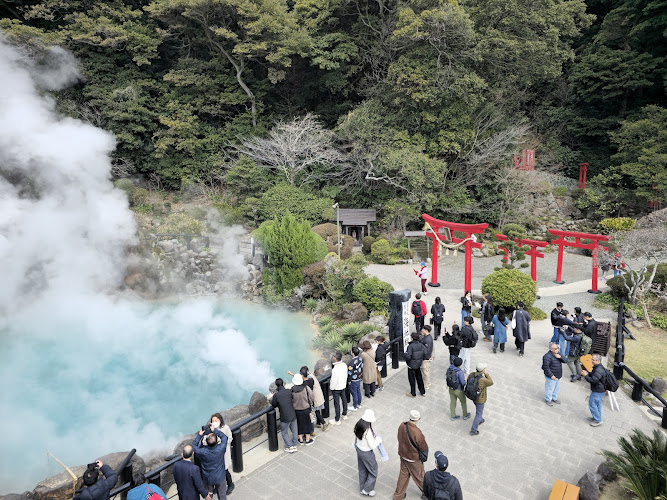
Umi Jigoku, or “Sea Hell,” is one of Beppu’s most striking and photogenic geothermal springs. Located in the Kannawa district, it has been admired for centuries for its cobalt-blue pond of boiling, mineral-rich water that contrasts dramatically with the surrounding steam and manicured gardens. Historically part of Beppu’s jigoku (hells) attractions showcased to visitors since the late 19th and early 20th centuries, Umi Jigoku was traditionally used for medicinal and practical purposes — from steaming food to producing local cosmetics — while remaining too hot for bathing. What makes it special is the vivid, almost surreal blue of the pool caused by dissolved minerals and the way the site combines natural spectacle with human touches: paved viewing paths, informational displays, and nearby demonstrations such as steamed egg and sweet-making using the spring’s heat. Visitors should come for the photographic opportunities, the atmospheric steam-shrouded views at dawn or dusk, and the chance to experience one of Japan’s most famous onsen curiosities without getting wet. It’s an accessible, compact stop that pairs well with other Beppu attractions and offers insight into the region’s volcanic character.

Highlights & Key Features

  • Striking cobalt-blue boiling pond with vivid mineral coloration
  • Steam plumes and volcanic landscape visible from paved viewing areas
  • Historic jigoku site with interpretive displays explaining geothermal activity
  • On-site demonstrations and food stalls using onsen steam (e.g., steamed eggs, sweets)
  • Well-maintained gardens and paths for photography and short walks

Visitor Guide & Information

Umi Jigoku, which translates to “Sea Hell,” stands as one of Beppu’s most photographed geothermal wonders, and honestly, the name couldn’t be more fitting. The moment visitors approach this extraordinary hot spring, they’re greeted by billowing clouds of steam rising from what appears to be an impossibly blue pool of water that looks more like a tropical lagoon than a scalding hot spring. But don’t be fooled by its inviting appearance—this beautiful pool maintains temperatures around 98 degrees Celsius, hot enough to hard-boil an egg in mere minutes.

The attraction forms part of the famous Jigoku Meguri, or “Hell Tour,” a collection of spectacular hot springs scattered throughout Beppu’s Kannawa district. What makes Umi Jigoku particularly special is its striking cobalt color, which comes from iron sulfate dissolved in the boiling water. It’s the kind of sight that makes you pause and just stare, even if you’ve seen countless photos beforehand. There’s something almost surreal about seeing this brilliant blue pool emitting constant plumes of white steam against the backdrop of carefully maintained Japanese gardens.

The park itself is relatively compact but thoughtfully designed. Visitors can wander along wooden walkways that wind around the main pool, getting different perspectives of this geothermal marvel. And while the main attraction is undoubtedly the hot spring itself, the surrounding gardens add a certain tranquility to the experience. You’ll find well-maintained pathways, seasonal flowers, and even a small souvenir shop where you can purchase eggs boiled in the hot spring water—a tradition that’s become almost as famous as the pool itself.

What I appreciate about Umi Jigoku is that it doesn’t try to be something it isn’t. It’s a geological phenomenon, pure and simple, and the facility lets the natural wonder speak for itself without excessive commercialization. Sure, there’s a cafe and gift shop, but they don’t overwhelm the experience.

Key Features

The distinctive characteristics of Umi Jigoku make it stand out among Beppu’s many geothermal attractions:

• The mesmerizing cobalt-blue color created by dissolved minerals, which changes slightly depending on weather conditions and time of day

• Constant steam production that creates an otherworldly atmosphere, especially during cooler months when the contrast is more dramatic

• A functional footbath facility where visitors can actually experience the therapeutic properties of the hot spring water at a safe temperature

• Traditional onsen egg preparation stations where eggs are cooked using the natural geothermal heat

• Well-maintained Japanese garden areas surrounding the main pool, providing peaceful walking paths and photo opportunities

• Wheelchair accessibility throughout the facility, including entrance, parking, and restroom facilities

• An on-site cafe serving local specialties and refreshments, perfect for taking a break between visiting the different hells

• Educational displays explaining the geological processes that created this unique hot spring

• Multiple payment options including credit cards, debit cards, and various electronic payment systems popular in Japan

• Family-friendly environment suitable for visitors of all ages, though parents should obviously keep close watch near the hot pools

• Relatively compact size that allows for a complete visit in about 30-45 minutes, making it easy to combine with other nearby attractions

Best Time to Visit

Timing your visit to Umi Jigoku can significantly impact your experience, and I’ve learned through trial and error that certain times definitely beat others. The attraction is open year-round, which is great, but each season offers something different.

Early morning visits, particularly on weekdays, tend to be the most peaceful. You’ll beat the tour bus crowds that typically arrive mid-morning and early afternoon. There’s something special about seeing the steam rising in the crisp morning air before the day heats up. I remember visiting around 8:30 AM on a Tuesday in October, and we practically had the place to ourselves for a good twenty minutes.

Winter months from December through February actually provide some of the most dramatic views. The contrast between the hot pool and cold air creates even more impressive steam clouds, and the blue of the water seems somehow more intense against winter’s muted landscape. But bundle up—standing around taking photos in the cold while surrounded by tantalizing warmth can be a bit ironic.

Spring brings cherry blossoms to the surrounding gardens, usually late March through early April, though exact timing varies year to year. If you can visit during this period, the combination of pink blossoms, blue water, and white steam creates an almost painterly scene.

Summer is the busiest season, and honestly, it can get quite crowded and humid. The steam is less visible during warmer months, which diminishes some of the atmospheric quality. However, if summer is your only option, aim for late afternoon visits when temperatures start cooling slightly and day-trip tourists have begun heading back to their hotels.

Autumn, particularly November, offers my personal favorite conditions. The weather is pleasant, crowds have thinned from summer peaks, and fall foliage adds warm tones to the scenery. Plus, the cooler temperatures mean the steam effect returns in full force.

How to Get There

Getting to Umi Jigoku requires a bit of planning, but it’s definitely manageable even for first-time visitors to Japan. The hot spring is located in Beppu’s Kannawa district, about 20 minutes from central Beppu by bus.

From Beppu Station, bus number 16, 20, 24, or 26 will take you toward the Kannawa area. You’ll want to get off at the Umi Jigoku-mae or Kannawa bus stop, depending on which bus you take. The ride takes roughly 20-25 minutes and costs a few hundred yen. Buses run regularly throughout the day, though less frequently in early morning and evening hours.

Taxis are another option if you’re traveling with family or prefer more direct transportation. The ride from Beppu Station takes about 15 minutes and typically costs between 1,500 to 2,000 yen. If you’re planning to visit multiple hells in one day, some visitors find it worthwhile to hire a taxi for a few hours.

For those who enjoy walking and have time to spare, it’s possible to walk from other nearby hells if you’re doing the complete tour. Chinoike Jigoku and Tatsumaki Jigoku are about 2.5 kilometers away, which takes roughly 30-40 minutes on foot. The other hells are much closer, within easy walking distance of each other.

Driving is certainly an option too, and the facility offers wheelchair-accessible parking. Just keep in mind that parking can fill up during peak tourist seasons, particularly during Japanese holiday periods.

Tips for Visiting

After visiting Umi Jigoku myself and talking with countless other travelers, here are some practical tips that’ll help you make the most of your experience.

Purchase a combination ticket if you’re planning to visit multiple hells. The savings are substantial, and you’ll get access to seven different hot springs for significantly less than buying individual tickets. The combined ticket doesn’t expire in a day, so you could theoretically split the visits across multiple days, though most people complete them in one afternoon.

Wear comfortable walking shoes with good grip. The pathways can get slippery from the constant moisture in the air, and nobody wants to spend their vacation nursing a twisted ankle. Sandals work fine during dry weather, but closed-toe shoes provide better stability.

Bring a camera, obviously, but also bring a lens cloth. The humidity and steam will constantly fog up your lens, and wiping it with your shirt might leave smudges. I learned this the hard way and ended up with blurry photos from my first visit.

The souvenir shop sells hot spring eggs, and they’re actually worth trying. They have a slightly different texture than regular boiled eggs because of the mineral content in the water. Some visitors find them a bit sulfurous, but they’re a unique experience and make for good photos too.

Don’t rush through. I know it’s tempting to quickly snap photos and move on, especially if you’re trying to see all the hells in one day, but take time to actually observe the pool from different angles. The color shifts subtly as you move around it, and you might notice details you’d otherwise miss.

The footbath area is genuinely relaxing, and you should absolutely take advantage of it. Bring a small towel if you have one, though they do provide facilities for rinsing your feet afterwards. There’s something wonderfully restorative about soaking tired feet while looking out at the steaming pool.

Visit the restrooms before leaving, especially if you’re planning to walk to other attractions. The facilities are clean and modern, which isn’t always guaranteed at smaller tourist sites.

If you’re visiting during busy periods, position yourself strategically for photos. The main viewing platform gets crowded, but there are several spots along the walkway that offer equally good views with fewer people in your shots.

Check the weather forecast before visiting. Light rain can actually enhance the atmosphere, but heavy rain makes photography difficult and the walkways more slippery. Extremely windy days can blow the steam around unpredictably, which creates interesting effects but makes consistent photos challenging.

Consider visiting later in your Beppu trip rather than first. Once you’ve experienced Umi Jigoku, some of the other hells might seem less impressive by comparison, so some travelers prefer saving this one for last or placing it strategically in the middle of their hell tour.

Community & Insider Notes

Last modified March 30, 2026

Description

Umi Jigoku, which translates to “Sea Hell,” stands as one of Beppu’s most photographed geothermal wonders, and honestly, the name couldn’t be more fitting. The moment visitors approach this extraordinary hot spring, they’re greeted by billowing clouds of steam rising from what appears to be an impossibly blue pool of water that looks more like a tropical lagoon than a scalding hot spring. But don’t be fooled by its inviting appearance—this beautiful pool maintains temperatures around 98 degrees Celsius, hot enough to hard-boil an egg in mere minutes.

The attraction forms part of the famous Jigoku Meguri, or “Hell Tour,” a collection of spectacular hot springs scattered throughout Beppu’s Kannawa district. What makes Umi Jigoku particularly special is its striking cobalt color, which comes from iron sulfate dissolved in the boiling water. It’s the kind of sight that makes you pause and just stare, even if you’ve seen countless photos beforehand. There’s something almost surreal about seeing this brilliant blue pool emitting constant plumes of white steam against the backdrop of carefully maintained Japanese gardens.

The park itself is relatively compact but thoughtfully designed. Visitors can wander along wooden walkways that wind around the main pool, getting different perspectives of this geothermal marvel. And while the main attraction is undoubtedly the hot spring itself, the surrounding gardens add a certain tranquility to the experience. You’ll find well-maintained pathways, seasonal flowers, and even a small souvenir shop where you can purchase eggs boiled in the hot spring water—a tradition that’s become almost as famous as the pool itself.

What I appreciate about Umi Jigoku is that it doesn’t try to be something it isn’t. It’s a geological phenomenon, pure and simple, and the facility lets the natural wonder speak for itself without excessive commercialization. Sure, there’s a cafe and gift shop, but they don’t overwhelm the experience.

Key Features

The distinctive characteristics of Umi Jigoku make it stand out among Beppu’s many geothermal attractions:

• The mesmerizing cobalt-blue color created by dissolved minerals, which changes slightly depending on weather conditions and time of day

• Constant steam production that creates an otherworldly atmosphere, especially during cooler months when the contrast is more dramatic

• A functional footbath facility where visitors can actually experience the therapeutic properties of the hot spring water at a safe temperature

• Traditional onsen egg preparation stations where eggs are cooked using the natural geothermal heat

• Well-maintained Japanese garden areas surrounding the main pool, providing peaceful walking paths and photo opportunities

• Wheelchair accessibility throughout the facility, including entrance, parking, and restroom facilities

• An on-site cafe serving local specialties and refreshments, perfect for taking a break between visiting the different hells

• Educational displays explaining the geological processes that created this unique hot spring

• Multiple payment options including credit cards, debit cards, and various electronic payment systems popular in Japan

• Family-friendly environment suitable for visitors of all ages, though parents should obviously keep close watch near the hot pools

• Relatively compact size that allows for a complete visit in about 30-45 minutes, making it easy to combine with other nearby attractions

Best Time to Visit

Timing your visit to Umi Jigoku can significantly impact your experience, and I’ve learned through trial and error that certain times definitely beat others. The attraction is open year-round, which is great, but each season offers something different.

Early morning visits, particularly on weekdays, tend to be the most peaceful. You’ll beat the tour bus crowds that typically arrive mid-morning and early afternoon. There’s something special about seeing the steam rising in the crisp morning air before the day heats up. I remember visiting around 8:30 AM on a Tuesday in October, and we practically had the place to ourselves for a good twenty minutes.

Winter months from December through February actually provide some of the most dramatic views. The contrast between the hot pool and cold air creates even more impressive steam clouds, and the blue of the water seems somehow more intense against winter’s muted landscape. But bundle up—standing around taking photos in the cold while surrounded by tantalizing warmth can be a bit ironic.

Spring brings cherry blossoms to the surrounding gardens, usually late March through early April, though exact timing varies year to year. If you can visit during this period, the combination of pink blossoms, blue water, and white steam creates an almost painterly scene.

Summer is the busiest season, and honestly, it can get quite crowded and humid. The steam is less visible during warmer months, which diminishes some of the atmospheric quality. However, if summer is your only option, aim for late afternoon visits when temperatures start cooling slightly and day-trip tourists have begun heading back to their hotels.

Autumn, particularly November, offers my personal favorite conditions. The weather is pleasant, crowds have thinned from summer peaks, and fall foliage adds warm tones to the scenery. Plus, the cooler temperatures mean the steam effect returns in full force.

How to Get There

Getting to Umi Jigoku requires a bit of planning, but it’s definitely manageable even for first-time visitors to Japan. The hot spring is located in Beppu’s Kannawa district, about 20 minutes from central Beppu by bus.

From Beppu Station, bus number 16, 20, 24, or 26 will take you toward the Kannawa area. You’ll want to get off at the Umi Jigoku-mae or Kannawa bus stop, depending on which bus you take. The ride takes roughly 20-25 minutes and costs a few hundred yen. Buses run regularly throughout the day, though less frequently in early morning and evening hours.

Taxis are another option if you’re traveling with family or prefer more direct transportation. The ride from Beppu Station takes about 15 minutes and typically costs between 1,500 to 2,000 yen. If you’re planning to visit multiple hells in one day, some visitors find it worthwhile to hire a taxi for a few hours.

For those who enjoy walking and have time to spare, it’s possible to walk from other nearby hells if you’re doing the complete tour. Chinoike Jigoku and Tatsumaki Jigoku are about 2.5 kilometers away, which takes roughly 30-40 minutes on foot. The other hells are much closer, within easy walking distance of each other.

Driving is certainly an option too, and the facility offers wheelchair-accessible parking. Just keep in mind that parking can fill up during peak tourist seasons, particularly during Japanese holiday periods.

Tips for Visiting

After visiting Umi Jigoku myself and talking with countless other travelers, here are some practical tips that’ll help you make the most of your experience.

Purchase a combination ticket if you’re planning to visit multiple hells. The savings are substantial, and you’ll get access to seven different hot springs for significantly less than buying individual tickets. The combined ticket doesn’t expire in a day, so you could theoretically split the visits across multiple days, though most people complete them in one afternoon.

Wear comfortable walking shoes with good grip. The pathways can get slippery from the constant moisture in the air, and nobody wants to spend their vacation nursing a twisted ankle. Sandals work fine during dry weather, but closed-toe shoes provide better stability.

Bring a camera, obviously, but also bring a lens cloth. The humidity and steam will constantly fog up your lens, and wiping it with your shirt might leave smudges. I learned this the hard way and ended up with blurry photos from my first visit.

The souvenir shop sells hot spring eggs, and they’re actually worth trying. They have a slightly different texture than regular boiled eggs because of the mineral content in the water. Some visitors find them a bit sulfurous, but they’re a unique experience and make for good photos too.

Don’t rush through. I know it’s tempting to quickly snap photos and move on, especially if you’re trying to see all the hells in one day, but take time to actually observe the pool from different angles. The color shifts subtly as you move around it, and you might notice details you’d otherwise miss.

The footbath area is genuinely relaxing, and you should absolutely take advantage of it. Bring a small towel if you have one, though they do provide facilities for rinsing your feet afterwards. There’s something wonderfully restorative about soaking tired feet while looking out at the steaming pool.

Visit the restrooms before leaving, especially if you’re planning to walk to other attractions. The facilities are clean and modern, which isn’t always guaranteed at smaller tourist sites.

If you’re visiting during busy periods, position yourself strategically for photos. The main viewing platform gets crowded, but there are several spots along the walkway that offer equally good views with fewer people in your shots.

Check the weather forecast before visiting. Light rain can actually enhance the atmosphere, but heavy rain makes photography difficult and the walkways more slippery. Extremely windy days can blow the steam around unpredictably, which creates interesting effects but makes consistent photos challenging.

Consider visiting later in your Beppu trip rather than first. Once you’ve experienced Umi Jigoku, some of the other hells might seem less impressive by comparison, so some travelers prefer saving this one for last or placing it strategically in the middle of their hell tour.

Key Highlights

  • Striking cobalt-blue boiling pond with vivid mineral coloration
  • Steam plumes and volcanic landscape visible from paved viewing areas
  • Historic jigoku site with interpretive displays explaining geothermal activity
  • On-site demonstrations and food stalls using onsen steam (e.g., steamed eggs, sweets)
  • Well-maintained gardens and paths for photography and short walks

Location

Places to Stay Near Umi Jigoku

Find and Book a Tour

Explore More Travel Guides

No reviews found! Be the first to review!

Select a Rating5 Stars4 Stars3 Stars2 Stars1 Star

Umi Jigoku is a prominent attractions located in Beppu.

Visit us at: 559-1 Kannawa, Beppu, Oita 874-0000, Japan.

Find Places to Stay Nearby

Stay22 provides this accommodation search. We may earn a commission if you book through it; verify current prices and terms with the provider.

Recommended Experiences & Activities

GetYourGuide provides this tour inventory. We may earn a commission if you book through it; verify current availability, prices, and terms with the provider.

Top Viator Experiences & Guided Tours in Beppu

We may earn a commission if you book through links on this page at no extra cost to you. All tours feature verified customer reviews and flexible cancellation options.

Traveler Reviews & Community Q&A

No traveler reviews yet. Share your experience below!

No traveler questions yet. Be the first to ask a local!

Real Journey Travels Community