Tourist attraction 3.9 Beppu, JapanCommunity Guide

Oniishi Bozu Jigoku

559-1 Kannawa, Beppu, Oita 874-0000, Japan

Oniishi Bozu Jigoku
7,046 Photos

About & Overview

Description

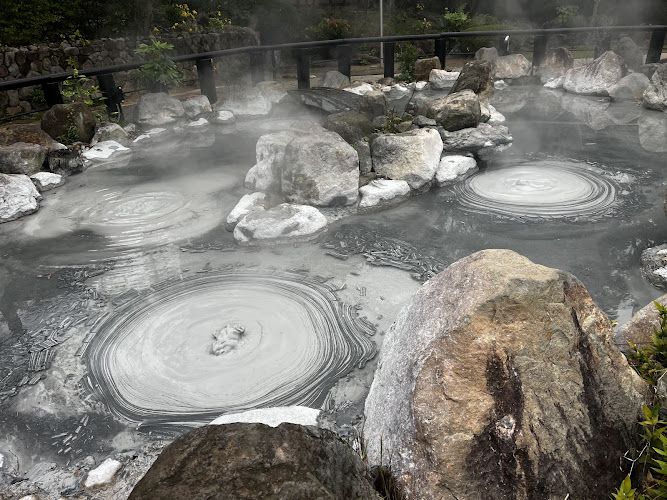
Oniishi Bozu Jigoku is one of Beppu’s most photogenic geothermal sights: a bubbling gray mud pool whose rising blisters and domes resemble the shaved head of a monk. The site has been known locally since at least the Meiji era and appears in regional records dating back centuries, but it became a formal tourist stop as Beppu’s “hell tour” (jigoku meguri) was developed to showcase the area’s remarkable hot-spring phenomena. What sets Oniishi Bozu apart is the viscous, clay-like mud that repeatedly swells into rounded, forehead-like bubbles and then collapses—an oddly charming, almost sculptural display of geothermal activity. The location combines a compact viewing area with explanatory signs, small baths for foot-soaking at nearby facilities, and the chance to learn about local onsen culture and the mineral-rich waters that have long supported Beppu’s bathing traditions. Visit for striking photos, a quick lesson in volcanic hydrothermal dynamics, and to include one of the most distinctive stops on a full Beppu jigoku circuit.

Highlights & Key Features

  • Gray, bubbling mud pools that form dome-like “monk head” blisters
  • Part of Beppu’s famous Jigoku (Hell) tour circuit
  • Historical mentions dating back to the Meiji era and earlier regional chronicles
  • On-site interpretation and nearby small bathing/foot-soak facilities
  • Compact, easily accessible viewing area suitable for short visits and photography

Visitor Guide & Information

Description

Oniishi Bozu Jigoku stands as one of the more peculiar natural attractions you’ll encounter in Japan’s geothermal wonderland. The name itself translates roughly to “Shaven Monk’s Head Hell,” which might sound a bit ominous until you understand the visual metaphor at play here. This ancient hot spring site features gray, bubbling mud that pops and bursts in a way that reminded someone centuries ago of a monk’s bald head, and honestly, once you see it, you can’t unsee the comparison.

Unlike the typical crystal-clear hot springs that might come to mind when thinking about Japan’s onsen culture, Oniishi Bozu Jigoku presents something altogether different. The thick, viscous mud bubbles up from deep within the earth, heated by volcanic activity below. Each bubble forms slowly, swells to an impressive size, and then bursts with a satisfying plop that echoes across the viewing area. And yes, you can stand there watching this happen for much longer than you’d probably admit to anyone back home.

What makes this place genuinely fascinating is the geological processes on full display. The mud here reaches temperatures that would absolutely scald you if you got too close, which is why there are protective barriers in place. The consistency of the mud changes throughout the day depending on various factors like temperature and recent rainfall, so your experience might differ slightly from someone who visited just hours before you.

The site has been drawing curious visitors for generations, though it’s become increasingly accessible to international travelers in recent years. While it’s part of the famous “hells” tour circuit in the Beppu area, Oniishi Bozu Jigoku maintains its own unique character that sets it apart from its more colorful counterparts. There’s something almost meditative about watching the mud’s rhythmic bubbling, and many visitors find themselves surprisingly captivated by what might initially seem like just another tourist stop.

Key Features

The distinctive characteristics of Oniishi Bozu Jigoku create an experience that goes beyond just another photo opportunity on your Japan itinerary. Here’s what makes this place worth including in your travel plans:

  • The Bubbling Mud Spectacle: The main attraction remains those hypnotic gray mud bubbles that form and pop continuously throughout the day. The rhythmic nature creates an almost ASMR-like experience for those who stick around to watch.
  • Wheelchair Accessibility: Both the entrance and parking lot accommodate wheelchair users, making this one of the more accessible natural attractions in the region. The viewing platforms are designed with various mobility needs in mind.
  • Ashiyu Foot Bath: After observing the violent bubbling of the main pool, visitors can enjoy a relaxing foot bath using the same geothermal waters, though these are cooled to a safe and comfortable temperature. It’s a nice way to actually experience the healing properties that make this region famous.
  • Family-Friendly Environment: The site works well for families traveling with children, who often find the bubbling mud endlessly entertaining. The relatively short viewing time needed also aligns well with shorter attention spans.
  • Modern Payment Options: PayPay acceptance means you don’t need to worry as much about carrying exact change, which can be a relief when you’re juggling tickets at multiple attractions.
  • Clean Facilities: Restrooms on-site provide necessary conveniences, particularly important given the multiple hot spring sites typically visited in succession throughout the area.
  • Photography Opportunities: The gray mud against darker stone creates stark contrasts that photograph beautifully, especially during golden hour when the light hits just right.
  • Educational Signage: Informational displays explain the geological phenomena you’re witnessing, though having a translation app handy helps if your Japanese isn’t quite up to speed.

Best Time to Visit

Timing your visit to Oniishi Bozu Jigoku can significantly impact your experience, and there’s more to consider than just the season. The bubbling action happens year-round since it’s driven by constant geothermal activity beneath the surface, but external factors definitely influence what kind of visit you’ll have.

Early morning visits, particularly on weekdays, offer the best chance of experiencing the site without fighting through crowds. There’s something special about arriving right when the gates open and having the mud pools mostly to yourself. The morning light also casts interesting shadows across the bubbling surface that create excellent photo conditions.

Weather-wise, spring and autumn traditionally provide the most comfortable temperatures for exploring outdoor attractions in this part of Japan. But here’s the thing – winter visits have their own appeal at Oniishi Bozu Jigoku. The contrast between the cold air and the steaming hot mud creates dramatic vapor clouds that rise from the pools, adding an almost supernatural quality to the scene. You’ll want to dress warmly, but the foot bath becomes even more appealing when there’s a chill in the air.

Summer brings its own challenges with heat and humidity that can make standing over hot mud pools less than pleasant. However, if summer is your only option, aim for early morning visits before the day’s heat really builds up. The 9 AM to 10 AM window typically works well.

Rainy days shouldn’t necessarily deter you. The rain adds another dimension to the steam and mist rising from the pools, though you’ll obviously want appropriate rain gear. Just be aware that viewing platforms can become slippery.

Peak tourist seasons – particularly Golden Week in late April/early May and the autumn foliage season in November – mean larger crowds but also mean all facilities are fully operational. If you’re visiting during these times, patience becomes a virtue. But honestly, the site moves people through relatively efficiently even during busy periods.

How to Get There

Reaching Oniishi Bozu Jigoku requires some planning, but it’s not as complicated as some of Japan’s more remote attractions. The site is located in the Beppu area of Oita Prefecture on the island of Kyushu, which immediately means you’ll need to factor in getting to this part of Japan first if you’re coming from major hubs like Tokyo or Osaka.

From Beppu Station, which serves as the main transportation hub for the region, you have several options. Local buses run regularly to the various “hell” attractions, and most tourists opt for a combination ticket that covers multiple sites including Oniishi Bozu Jigoku. The bus system can feel a bit intimidating if you’re not comfortable navigating Japanese transit systems, but routes are reasonably well-marked and drivers generally understand where tourists are trying to go.

Taxis offer a more straightforward but pricier alternative. If you’re traveling as a group, splitting a taxi actually becomes cost-effective compared to individual bus fares. Many taxi drivers in the area are accustomed to tourists doing the “hell tour” and can offer suggestions on optimal routing.

Renting a car gives you maximum flexibility, especially if you’re planning to explore multiple geothermal sites at your own pace. Parking is available on-site and accessible for various vehicle types. The roads in this area are generally well-maintained and signage includes some English, though a GPS navigation system set to your destination definitely helps.

For the adventurous, bicycle rental is possible in Beppu, though be prepared for some hills and consider whether you’re up for cycling between hot spring sites in potentially humid conditions. It’s doable, but requires decent fitness levels.

The location within the “hell tour” circuit means most visitors combine Oniishi Bozu Jigoku with other nearby attractions in a half-day or full-day itinerary. Planning your route in advance helps maximize your time, though allowing for spontaneity means you won’t feel rushed if you want to linger longer than expected at any particular site.

Tips for Visiting

Making the most of your visit to Oniishi Bozu Jigoku comes down to preparation and knowing what to expect. Here’s what experienced visitors wish they’d known before arriving.

First off, don’t expect this to be an hour-long stop. Most people find that 20 to 30 minutes suffices to see everything, watch the mud bubbling for a while, and perhaps enjoy the foot bath. Budget your time accordingly, especially if you’re trying to hit multiple sites in one day.

Bring a small towel if you plan to use the ashiyu foot bath. While some sites provide towels for rent or purchase, having your own saves money and hassle. And trust me, after walking around viewing various hot spring sites, that foot bath becomes increasingly appealing.

The combination tickets covering multiple “hell” sites represent better value than purchasing individual entrance fees, but only if you’re actually planning to visit most of them. Do the math based on what you realistically have time and energy to see. Getting swept up in “must see everything” mode leads to rushing through sites without really appreciating them.

Comfortable, slip-off shoes make the foot bath experience much more enjoyable. You don’t want to be that person struggling with complicated lacing systems while others wait behind you. And speaking of footwear, the paths around the viewing areas can sometimes be damp from steam and mist, so grippy soles are your friend.

Photography enthusiasts should know that the gray mud doesn’t produce those vibrant, Instagram-ready colors you might see at other hot spring attractions in the region. The appeal here is more about texture, movement, and the meditative quality of the bubbling. Adjust your expectations and your camera settings accordingly.

The smell at geothermal sites can catch first-time visitors off guard. That distinctive sulfur odor is part of the authentic experience, but if you’re particularly sensitive to smells, mentally preparing yourself helps. It’s not overwhelming at Oniishi Bozu Jigoku compared to some other hot spring sites, but it’s definitely noticeable.

If you’re visiting during peak times, positioning yourself at the viewing platforms requires some patience. Rather than jockeying for the prime spot immediately, sometimes waiting a few minutes for the initial crowd to move on gives you better viewing time without the pressure of people waiting behind you.

Consider the timing of your foot bath experience. Jumping into the hot water immediately after arriving, before you’ve had time to observe the main attraction, might be tempting, but you might find yourself more appreciative of it after walking around the site. Use it as a reward or a transitional moment before moving on to your next destination.

Hydration matters more than you might think when visiting multiple hot spring sites in succession. The heat and steam can be deceptively draining, particularly in warmer months. Having a water bottle with you prevents dehydration-related fatigue from cutting your exploration short.

The facilities include restrooms, but they can develop lines during busy periods. Taking advantage of them when you have the opportunity, rather than waiting until you’re desperate, saves stress later in your itinerary.

Keep your belongings secure but easily accessible. You’ll want your camera or phone ready for photo opportunities, but the steam and heat mean you should be mindful about where you’re setting things down or how long expensive electronics are exposed to moisture in the air.

Finally, manage your expectations based on what Oniishi Bozu Jigoku actually offers rather than what you imagine a hot spring attraction should be. This isn’t a place where you’ll soak in beautiful blue waters or see rainbow-colored pools. What you will experience is a genuine geological phenomenon that’s been fascinating people for centuries, presented in a way that’s accessible and educational without being overly commercialized. That authenticity is ultimately what makes it worth including in your Beppu adventure.

Community & Insider Notes

Last modified August 17, 2026

Description

Oniishi Bozu Jigoku stands as one of the more peculiar natural attractions you’ll encounter in Japan’s geothermal wonderland. The name itself translates roughly to “Shaven Monk’s Head Hell,” which might sound a bit ominous until you understand the visual metaphor at play here. This ancient hot spring site features gray, bubbling mud that pops and bursts in a way that reminded someone centuries ago of a monk’s bald head, and honestly, once you see it, you can’t unsee the comparison.

Unlike the typical crystal-clear hot springs that might come to mind when thinking about Japan’s onsen culture, Oniishi Bozu Jigoku presents something altogether different. The thick, viscous mud bubbles up from deep within the earth, heated by volcanic activity below. Each bubble forms slowly, swells to an impressive size, and then bursts with a satisfying plop that echoes across the viewing area. And yes, you can stand there watching this happen for much longer than you’d probably admit to anyone back home.

What makes this place genuinely fascinating is the geological processes on full display. The mud here reaches temperatures that would absolutely scald you if you got too close, which is why there are protective barriers in place. The consistency of the mud changes throughout the day depending on various factors like temperature and recent rainfall, so your experience might differ slightly from someone who visited just hours before you.

The site has been drawing curious visitors for generations, though it’s become increasingly accessible to international travelers in recent years. While it’s part of the famous “hells” tour circuit in the Beppu area, Oniishi Bozu Jigoku maintains its own unique character that sets it apart from its more colorful counterparts. There’s something almost meditative about watching the mud’s rhythmic bubbling, and many visitors find themselves surprisingly captivated by what might initially seem like just another tourist stop.

Key Features

The distinctive characteristics of Oniishi Bozu Jigoku create an experience that goes beyond just another photo opportunity on your Japan itinerary. Here’s what makes this place worth including in your travel plans:

  • The Bubbling Mud Spectacle: The main attraction remains those hypnotic gray mud bubbles that form and pop continuously throughout the day. The rhythmic nature creates an almost ASMR-like experience for those who stick around to watch.
  • Wheelchair Accessibility: Both the entrance and parking lot accommodate wheelchair users, making this one of the more accessible natural attractions in the region. The viewing platforms are designed with various mobility needs in mind.
  • Ashiyu Foot Bath: After observing the violent bubbling of the main pool, visitors can enjoy a relaxing foot bath using the same geothermal waters, though these are cooled to a safe and comfortable temperature. It’s a nice way to actually experience the healing properties that make this region famous.
  • Family-Friendly Environment: The site works well for families traveling with children, who often find the bubbling mud endlessly entertaining. The relatively short viewing time needed also aligns well with shorter attention spans.
  • Modern Payment Options: PayPay acceptance means you don’t need to worry as much about carrying exact change, which can be a relief when you’re juggling tickets at multiple attractions.
  • Clean Facilities: Restrooms on-site provide necessary conveniences, particularly important given the multiple hot spring sites typically visited in succession throughout the area.
  • Photography Opportunities: The gray mud against darker stone creates stark contrasts that photograph beautifully, especially during golden hour when the light hits just right.
  • Educational Signage: Informational displays explain the geological phenomena you’re witnessing, though having a translation app handy helps if your Japanese isn’t quite up to speed.

Best Time to Visit

Timing your visit to Oniishi Bozu Jigoku can significantly impact your experience, and there’s more to consider than just the season. The bubbling action happens year-round since it’s driven by constant geothermal activity beneath the surface, but external factors definitely influence what kind of visit you’ll have.

Early morning visits, particularly on weekdays, offer the best chance of experiencing the site without fighting through crowds. There’s something special about arriving right when the gates open and having the mud pools mostly to yourself. The morning light also casts interesting shadows across the bubbling surface that create excellent photo conditions.

Weather-wise, spring and autumn traditionally provide the most comfortable temperatures for exploring outdoor attractions in this part of Japan. But here’s the thing – winter visits have their own appeal at Oniishi Bozu Jigoku. The contrast between the cold air and the steaming hot mud creates dramatic vapor clouds that rise from the pools, adding an almost supernatural quality to the scene. You’ll want to dress warmly, but the foot bath becomes even more appealing when there’s a chill in the air.

Summer brings its own challenges with heat and humidity that can make standing over hot mud pools less than pleasant. However, if summer is your only option, aim for early morning visits before the day’s heat really builds up. The 9 AM to 10 AM window typically works well.

Rainy days shouldn’t necessarily deter you. The rain adds another dimension to the steam and mist rising from the pools, though you’ll obviously want appropriate rain gear. Just be aware that viewing platforms can become slippery.

Peak tourist seasons – particularly Golden Week in late April/early May and the autumn foliage season in November – mean larger crowds but also mean all facilities are fully operational. If you’re visiting during these times, patience becomes a virtue. But honestly, the site moves people through relatively efficiently even during busy periods.

How to Get There

Reaching Oniishi Bozu Jigoku requires some planning, but it’s not as complicated as some of Japan’s more remote attractions. The site is located in the Beppu area of Oita Prefecture on the island of Kyushu, which immediately means you’ll need to factor in getting to this part of Japan first if you’re coming from major hubs like Tokyo or Osaka.

From Beppu Station, which serves as the main transportation hub for the region, you have several options. Local buses run regularly to the various “hell” attractions, and most tourists opt for a combination ticket that covers multiple sites including Oniishi Bozu Jigoku. The bus system can feel a bit intimidating if you’re not comfortable navigating Japanese transit systems, but routes are reasonably well-marked and drivers generally understand where tourists are trying to go.

Taxis offer a more straightforward but pricier alternative. If you’re traveling as a group, splitting a taxi actually becomes cost-effective compared to individual bus fares. Many taxi drivers in the area are accustomed to tourists doing the “hell tour” and can offer suggestions on optimal routing.

Renting a car gives you maximum flexibility, especially if you’re planning to explore multiple geothermal sites at your own pace. Parking is available on-site and accessible for various vehicle types. The roads in this area are generally well-maintained and signage includes some English, though a GPS navigation system set to your destination definitely helps.

For the adventurous, bicycle rental is possible in Beppu, though be prepared for some hills and consider whether you’re up for cycling between hot spring sites in potentially humid conditions. It’s doable, but requires decent fitness levels.

The location within the “hell tour” circuit means most visitors combine Oniishi Bozu Jigoku with other nearby attractions in a half-day or full-day itinerary. Planning your route in advance helps maximize your time, though allowing for spontaneity means you won’t feel rushed if you want to linger longer than expected at any particular site.

Tips for Visiting

Making the most of your visit to Oniishi Bozu Jigoku comes down to preparation and knowing what to expect. Here’s what experienced visitors wish they’d known before arriving.

First off, don’t expect this to be an hour-long stop. Most people find that 20 to 30 minutes suffices to see everything, watch the mud bubbling for a while, and perhaps enjoy the foot bath. Budget your time accordingly, especially if you’re trying to hit multiple sites in one day.

Bring a small towel if you plan to use the ashiyu foot bath. While some sites provide towels for rent or purchase, having your own saves money and hassle. And trust me, after walking around viewing various hot spring sites, that foot bath becomes increasingly appealing.

The combination tickets covering multiple “hell” sites represent better value than purchasing individual entrance fees, but only if you’re actually planning to visit most of them. Do the math based on what you realistically have time and energy to see. Getting swept up in “must see everything” mode leads to rushing through sites without really appreciating them.

Comfortable, slip-off shoes make the foot bath experience much more enjoyable. You don’t want to be that person struggling with complicated lacing systems while others wait behind you. And speaking of footwear, the paths around the viewing areas can sometimes be damp from steam and mist, so grippy soles are your friend.

Photography enthusiasts should know that the gray mud doesn’t produce those vibrant, Instagram-ready colors you might see at other hot spring attractions in the region. The appeal here is more about texture, movement, and the meditative quality of the bubbling. Adjust your expectations and your camera settings accordingly.

The smell at geothermal sites can catch first-time visitors off guard. That distinctive sulfur odor is part of the authentic experience, but if you’re particularly sensitive to smells, mentally preparing yourself helps. It’s not overwhelming at Oniishi Bozu Jigoku compared to some other hot spring sites, but it’s definitely noticeable.

If you’re visiting during peak times, positioning yourself at the viewing platforms requires some patience. Rather than jockeying for the prime spot immediately, sometimes waiting a few minutes for the initial crowd to move on gives you better viewing time without the pressure of people waiting behind you.

Consider the timing of your foot bath experience. Jumping into the hot water immediately after arriving, before you’ve had time to observe the main attraction, might be tempting, but you might find yourself more appreciative of it after walking around the site. Use it as a reward or a transitional moment before moving on to your next destination.

Hydration matters more than you might think when visiting multiple hot spring sites in succession. The heat and steam can be deceptively draining, particularly in warmer months. Having a water bottle with you prevents dehydration-related fatigue from cutting your exploration short.

The facilities include restrooms, but they can develop lines during busy periods. Taking advantage of them when you have the opportunity, rather than waiting until you’re desperate, saves stress later in your itinerary.

Keep your belongings secure but easily accessible. You’ll want your camera or phone ready for photo opportunities, but the steam and heat mean you should be mindful about where you’re setting things down or how long expensive electronics are exposed to moisture in the air.

Finally, manage your expectations based on what Oniishi Bozu Jigoku actually offers rather than what you imagine a hot spring attraction should be. This isn’t a place where you’ll soak in beautiful blue waters or see rainbow-colored pools. What you will experience is a genuine geological phenomenon that’s been fascinating people for centuries, presented in a way that’s accessible and educational without being overly commercialized. That authenticity is ultimately what makes it worth including in your Beppu adventure.

Key Highlights

  • Gray, bubbling mud pools that form dome-like “monk head” blisters
  • Part of Beppu’s famous Jigoku (Hell) tour circuit
  • Historical mentions dating back to the Meiji era and earlier regional chronicles
  • On-site interpretation and nearby small bathing/foot-soak facilities
  • Compact, easily accessible viewing area suitable for short visits and photography

Location

Places to Stay Near Oniishi Bozu Jigoku

Find and Book a Tour

Explore More Travel Guides

No reviews found! Be the first to review!

Select a Rating5 Stars4 Stars3 Stars2 Stars1 Star

Oniishi Bozu Jigoku is a prominent attractions located in Beppu.

Visit us at: 559-1 Kannawa, Beppu, Oita 874-0000, Japan.

Nearby Attractions (Within 5 km)

Explore verified points of interest within walking or short transit distance.

No neighboring places mapped within 5 km yet.

Find Places to Stay Nearby

Stay22 provides this accommodation search. We may earn a commission if you book through it; verify current prices and terms with the provider.

Recommended Experiences & Activities

GetYourGuide provides this tour inventory. We may earn a commission if you book through it; verify current availability, prices, and terms with the provider.

Top Viator Experiences & Guided Tours in Beppu

We may earn a commission if you book through links on this page at no extra cost to you. All tours feature verified customer reviews and flexible cancellation options.

Traveler Reviews & Community Q&A

No traveler reviews yet. Share your experience below!

No traveler questions yet. Be the first to ask a local!

Real Journey Travels Community

Reset your password · Create an account