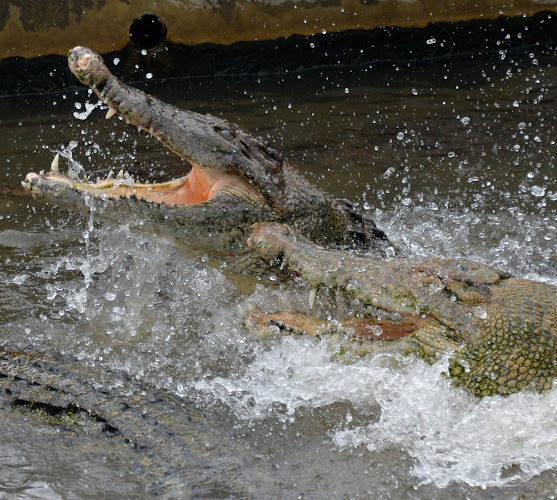
Oniyama Jigoku stands out among Beppu’s famous “hells” as the only one dedicated to crocodiles rather than just steaming thermal waters. And honestly, when I first heard about a crocodile farm built around hot springs in Japan, I thought someone was pulling my leg. But this attraction really exists, and it’s become one of the most talked-about spots in the Beppu region for travelers who want something genuinely different from the typical temple-and-garden circuit.
The facility houses around 80 crocodiles of various species and ages, ranging from tiny hatchlings you could hold in your palm to massive adults that’ll make you grateful for the safety barriers. These reptiles thrive in the warm environment created by the geothermal activity that Beppu is famous for throughout Japan. The hot spring water maintains temperatures that keep these cold-blooded creatures comfortable year-round, which is pretty remarkable when you consider Japan’s climate isn’t exactly crocodile-friendly naturally.
What makes Oniyama Jigoku particularly interesting is how it blends natural geothermal phenomena with wildlife conservation. The name translates to “Monster Mountain Hell” or “Demon Mountain Hell,” which might sound a bit dramatic until you see some of the larger specimens basking in the steam. The facility opened back in 1923, making it one of the older crocodile centers in Asia, and it’s maintained its somewhat retro charm while updating safety features and care standards over the decades.
Visitors walk through designated paths where they can observe these prehistoric-looking creatures from safe vantage points. The contrast between the steaming volcanic landscape and the tropical reptiles creates this surreal atmosphere that’s hard to find anywhere else. Some people find it quirky, others think it’s educational, and a few wonder why anyone thought putting crocodiles in a volcanic hot spring area was a good idea in the first place. But that’s part of what makes travel interesting – experiencing things that defy your expectations.
Key Features
The main attractions and facilities at Oniyama Jigoku include several elements that visitors should know about before planning their trip:
- Multiple Crocodile Species – The center houses various species including the Malayan gharial and several types of alligators, giving visitors a comparative look at different crocodilian families
- Feeding Demonstrations – Scheduled feeding times allow visitors to watch these powerful predators in action, though the schedule can vary seasonally
- Baby Crocodile Viewing Area – A dedicated section showcases hatchlings and juvenile crocodiles, which are considerably cuter than their intimidating parents
- Geothermal Pools – The volcanic hot springs that maintain the temperature for the crocodile habitats are visible throughout the facility
- Educational Displays – Information boards explain crocodile biology, conservation status, and the unique relationship between the reptiles and the thermal environment
- Wheelchair Accessibility – The facility provides accessible entrances and parking, making it manageable for visitors with mobility considerations
- On-Site Restrooms – Clean facilities are available, which is always appreciated when you’re touring multiple attractions in one day
- Digital Payment Options – The center accepts PayPay and Rakuten Pay alongside traditional payment methods, convenient for international visitors using these apps
- Family-Friendly Layout – The paths and viewing areas are designed with children in mind, though parental supervision is obviously important around dangerous animals
- Photo Opportunities – Strategic viewing platforms offer good angles for photography, and the misty hot spring backdrop creates atmospheric shots
Best Time to Visit
Timing your visit to Oniyama Jigoku requires balancing weather considerations, crowd levels, and animal activity patterns. Spring months from March through May offer probably the most comfortable experience overall. The temperatures are moderate, the rain isn’t too heavy yet, and the crocodiles are increasingly active as things warm up after winter. I’ve found that animals in captivity tend to be more engaging when the weather suits their natural preferences, and crocodiles definitely prefer warmth.
Summer brings peak tourist season to Beppu, which means larger crowds at all the “hell” attractions. The humidity can be intense, especially combined with the steam from the hot springs. But this is when the crocodiles are most active, basking and moving around their enclosures more frequently. If you don’t mind sharing the walkways with other visitors and can handle the heat, summer offers the most dynamic wildlife viewing.
Autumn, particularly September through November, provides another sweet spot. The crowds thin out after summer vacation ends, temperatures become pleasant again, and the surrounding landscape takes on beautiful colors. The crocodiles remain fairly active through autumn, though they start slowing down as temperatures drop.
Winter is the trickiest season. While the hot springs keep the crocodile areas warm enough, the animals naturally become more sluggish in cooler weather. You might find many of them just lying motionless for extended periods, which isn’t exactly thrilling to watch. However, winter is when you’ll encounter the smallest crowds and potentially enjoy a more peaceful experience. The contrast between the cold air and hot spring steam is also quite dramatic visually.
Regarding time of day, arriving earlier in the morning generally means fewer crowds, but the crocodiles may be less active. Late morning to early afternoon typically sees the most animal activity, especially on sunny days when they’re basking. Feeding times draw crowds but offer the most action, so check the schedule when you arrive and plan accordingly.
How to Get There
Getting to Oniyama Jigoku requires navigating Beppu’s public transportation or arranging private transport, as it’s not within easy walking distance of the train station. The attraction is located in the Kannawa area of Beppu, where several of the famous hells are clustered together.
For travelers arriving by train, Beppu Station serves as the main transportation hub. From there, local buses run regularly toward the Kannawa hell circuit. The bus ride takes approximately 20 minutes depending on traffic and stops. Look for buses heading to Kannawa or the “hells tour” route – bus number 16, 24, or 25 typically service this area. The fare is reasonable, usually under 400 yen, and buses run frequently throughout the day.
Taxis from Beppu Station offer a more direct option, taking about 15 minutes and costing roughly 1,500 to 2,000 yen depending on traffic. If you’re traveling in a group or have mobility concerns, the convenience might justify the extra expense. Taxi drivers in Beppu are accustomed to tourists visiting the hells, so simply saying “Oniyama Jigoku” should get you there without confusion.
Many visitors opt for the “hell tour” bus passes that provide hop-on-hop-off access to multiple jigoku sites throughout the day. These passes can be economical if you’re planning to visit several hells, though they do lock you into the bus schedule somewhat. The tour buses stop at Oniyama Jigoku as part of their standard circuit.
For independent travelers with international driving permits, rental cars provide maximum flexibility. Parking is available at the site, including accessible spaces. However, navigating Beppu’s narrow streets can be challenging if you’re not comfortable driving in Japan, and parking at multiple hell sites might become tedious.
The location is also accessible by bicycle if you’re staying relatively close to the Kannawa area and enjoy cycling. The route involves some hills but nothing too extreme for moderately fit riders. Several rental shops near Beppu Station offer bicycles by the hour or day.
Tips for Visiting
Making the most of your Oniyama Jigoku experience involves some practical preparation and realistic expectations. First off, this isn’t a massive facility – most visitors spend 30 to 45 minutes here unless they’re really into crocodiles or waiting for specific feeding times. Plan your schedule accordingly, especially if you’re visiting multiple hells in one day.
Wear comfortable walking shoes with good grip. The paths can be damp from the steam, and slippery surfaces around hot springs are no joke. Flip-flops might seem practical in the heat, but they’re not ideal for the terrain. Also, the facility involves some walking between different viewing areas, so comfort matters.
Bring a light towel or handkerchief. The steam from the hot springs will make you damp even if it’s not raining, and you’ll appreciate having something to wipe your face and camera lens. Speaking of cameras, protect your equipment from the moisture – I’ve seen too many tourists frantically trying to clear condensation from their lenses at the exact moment something interesting happens.
Consider the combination ticket if you’re visiting multiple hells. Beppu offers packages that cover several jigoku sites at a discounted rate compared to buying individual admissions. However, honestly evaluate whether you want to see multiple hot springs – some travelers find one or two hells sufficient, while others enjoy collecting the whole set.
The gift shop sells crocodile-themed souvenirs that range from tasteful to ridiculous, depending on your perspective. The crocodile meat products might intrigue adventurous eaters, though reactions to trying crocodile vary wildly. The locally made items generally offer better value than generic tourist merchandise.
Keep children supervised at all times. While the facility is designed with safety in mind, we’re talking about powerful predators here. The barriers are secure, but kids being kids, they sometimes try to lean or reach in ways that make everyone nervous. Use the visit as an educational opportunity about respecting wildlife and safety boundaries.
Check feeding times when you arrive. These scheduled events provide the most dynamic viewing opportunities, though they also attract crowds. Position yourself early if you want a good viewing spot, and be prepared for the somewhat intense sight of crocodiles lunging for food.
The restrooms are near the entrance, so use them before walking through the facility if needed. There aren’t facilities at the far end, and backtracking through crowds can be annoying.
Weather-wise, bring sun protection in summer and a light jacket in cooler months. The open-air nature of the facility means you’re exposed to elements beyond just the volcanic steam. And while the steam might sound romantic, it doesn’t actually provide protection from UV rays or cold winds.
Finally, manage your expectations based on what you value in attractions. Some visitors find Oniyama Jigoku fascinating and unique, while others think it’s overpriced for what amounts to looking at crocodiles near hot springs. If you’re passionate about reptiles, conservation, or unusual attractions, you’ll probably enjoy it. If you’re just checking boxes on a tourist list, you might feel underwhelmed. Knowing yourself as a traveler helps you make better decisions about where to invest your time and money.
The facility isn’t trying to be a world-class zoo or a pristine natural wonder – it’s a quirky, slightly odd attraction that’s been doing its thing for a century. Approach it with curiosity rather than high expectations, and you’re more likely to have a positive experience.
 Real Journey Travels