
Trujillo
About Trujillo
Description
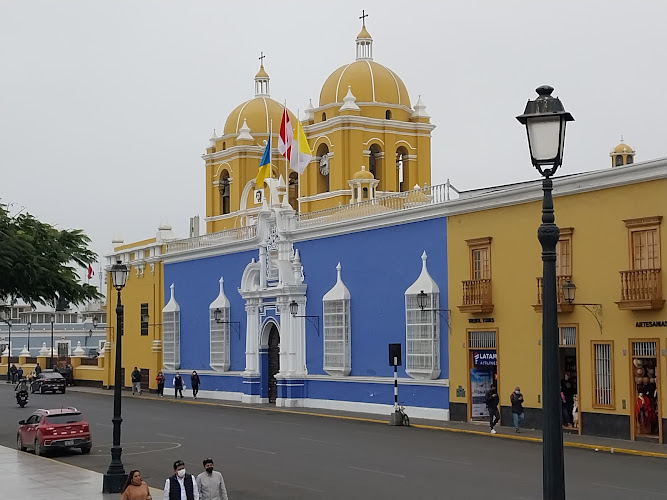
Trujillo, sitting on Peru’s northwestern coast, is one of those cities that sneaks up on you. At first glance, it looks like another colonial town with brightly painted facades and wide plazas, but the more time you spend wandering, the more layers you uncover. The city is famous for marinera, a traditional dance that feels like a playful courtship in motion—if you’re lucky, you might stumble into a local festival where couples twirl with handkerchiefs, and honestly, it’s hard not to smile watching it. The historic center is small enough to explore on foot, and the bright yellow Trujillo Cathedral is impossible to miss. I still remember the first time I stood in front of it—it almost glowed under the coastal sun, like a beacon pulling you closer. Then there’s Casa Urquiaga, painted in a deep blue that looks like it was made for Instagram long before Instagram existed. Step inside and you’ll find courtyards and colonial details that whisper stories of another era.
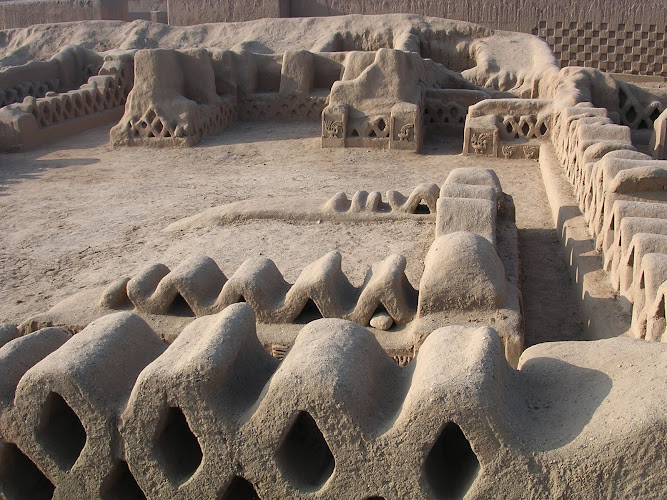
But Trujillo isn’t just about Spanish colonial charm. Drive west and you’ll hit Chan Chan, the enormous adobe city that once housed the Chimu kingdom. Walking through its labyrinthine walls, you can almost picture what life must have been like centuries ago. It’s haunting and fascinating all at once. And unlike the more tourist-heavy sites in Peru, you don’t feel rushed here—you can take your time, let your imagination wander. That’s what makes Trujillo special: it’s a mix of living culture and ancient history, tied together with a coastal vibe that keeps things relaxed.
Key Features
- Colonial center with colorful facades and historic architecture
- Trujillo Cathedral with its striking yellow exterior
- Casa Urquiaga, a beautifully preserved colonial mansion
- Iturregui Palace featuring Italian marble statues and neoclassical design
- Chan Chan, the largest adobe city in the world and former Chimu capital
- Strong cultural traditions, especially the marinera dance
- Proximity to the Pacific coast and local seafood cuisine
Best Time to Visit
If you’re planning a trip, timing matters. Trujillo has a mild desert climate, which means it doesn’t get the heavy rains you’ll find in other parts of Peru. The sunniest months are usually December through March, but that’s also when it can feel a bit hotter. Personally, I found May and June to be the sweet spot—the weather was comfortable, skies were mostly clear, and the city wasn’t crowded. If you’re into culture, January is when the National Marinera Festival takes place. The whole city comes alive with music, dancing, and parades. Even if you’re not a dancer, the energy is contagious. On the flip side, if you’re not a fan of heat, avoid the peak of summer since the coastal sun can be surprisingly strong.
How to Get There
Getting to Trujillo is easier than most people think. The city has its own airport with regular flights from Lima, which only take about an hour. If you’re more of a road-trip person, buses from Lima take around 9–10 hours, and while that sounds long, the coastal scenery along the Pan-American Highway can be worth the ride. I once took the overnight bus, and waking up to the desert landscape rolling into Trujillo was strangely calming. Within the city, taxis and rideshares are cheap and easy, though the historic center is best explored on foot. If you’re heading to Chan Chan or the beaches nearby, colectivos (shared taxis) are an affordable and authentic way to get around.
Tips for Visiting
A few practical tips can make your trip smoother. First, bring sunscreen—the coastal sun here doesn’t play around, even when it feels cool. Comfortable walking shoes are a must since the cobblestones in the historic center can be unforgiving. If you’re planning to visit Chan Chan, go in the morning before the midday heat makes wandering through the adobe ruins a sweaty challenge. And don’t skip the local food scene. Trujillo’s ceviche is fresher than almost anywhere else in Peru, and I still dream about the fried yuca I had at a tiny family-run spot near the plaza.
Also, don’t be surprised if locals strike up conversations with you. Trujillanos are proud of their city, and they’ll happily point you to their favorite café or tell you where to catch the best marinera performance. If you’re into photography, bring extra memory cards—you’ll want them. And one last thing: take your time. Trujillo isn’t a place to rush through. Between the colonial streets, the ruins of Chan Chan, and the rhythm of daily life, it’s the kind of city that rewards slowing down and just soaking it all in.
Key Features
- Colonial center with colorful facades and historic architecture
- Trujillo Cathedral with its striking yellow exterior
- Casa Urquiaga, a beautifully preserved colonial mansion
- Iturregui Palace featuring Italian marble statues and neoclassical design
- Chan Chan, the largest adobe city in the world and former Chimu capital
- Strong cultural traditions, especially the marinera dance
- Proximity to the Pacific coast and local seafood cuisine
More Details
Updated September 30, 2025
Table of Contents
Description
Trujillo, sitting on Peru’s northwestern coast, is one of those cities that sneaks up on you. At first glance, it looks like another colonial town with brightly painted facades and wide plazas, but the more time you spend wandering, the more layers you uncover. The city is famous for marinera, a traditional dance that feels like a playful courtship in motion—if you’re lucky, you might stumble into a local festival where couples twirl with handkerchiefs, and honestly, it’s hard not to smile watching it. The historic center is small enough to explore on foot, and the bright yellow Trujillo Cathedral is impossible to miss. I still remember the first time I stood in front of it—it almost glowed under the coastal sun, like a beacon pulling you closer. Then there’s Casa Urquiaga, painted in a deep blue that looks like it was made for Instagram long before Instagram existed. Step inside and you’ll find courtyards and colonial details that whisper stories of another era.
But Trujillo isn’t just about Spanish colonial charm. Drive west and you’ll hit Chan Chan, the enormous adobe city that once housed the Chimu kingdom. Walking through its labyrinthine walls, you can almost picture what life must have been like centuries ago. It’s haunting and fascinating all at once. And unlike the more tourist-heavy sites in Peru, you don’t feel rushed here—you can take your time, let your imagination wander. That’s what makes Trujillo special: it’s a mix of living culture and ancient history, tied together with a coastal vibe that keeps things relaxed.
Key Features
- Colonial center with colorful facades and historic architecture
- Trujillo Cathedral with its striking yellow exterior
- Casa Urquiaga, a beautifully preserved colonial mansion
- Iturregui Palace featuring Italian marble statues and neoclassical design
- Chan Chan, the largest adobe city in the world and former Chimu capital
- Strong cultural traditions, especially the marinera dance
- Proximity to the Pacific coast and local seafood cuisine
Best Time to Visit
If you’re planning a trip, timing matters. Trujillo has a mild desert climate, which means it doesn’t get the heavy rains you’ll find in other parts of Peru. The sunniest months are usually December through March, but that’s also when it can feel a bit hotter. Personally, I found May and June to be the sweet spot—the weather was comfortable, skies were mostly clear, and the city wasn’t crowded. If you’re into culture, January is when the National Marinera Festival takes place. The whole city comes alive with music, dancing, and parades. Even if you’re not a dancer, the energy is contagious. On the flip side, if you’re not a fan of heat, avoid the peak of summer since the coastal sun can be surprisingly strong.
How to Get There
Getting to Trujillo is easier than most people think. The city has its own airport with regular flights from Lima, which only take about an hour. If you’re more of a road-trip person, buses from Lima take around 9–10 hours, and while that sounds long, the coastal scenery along the Pan-American Highway can be worth the ride. I once took the overnight bus, and waking up to the desert landscape rolling into Trujillo was strangely calming. Within the city, taxis and rideshares are cheap and easy, though the historic center is best explored on foot. If you’re heading to Chan Chan or the beaches nearby, colectivos (shared taxis) are an affordable and authentic way to get around.
Tips for Visiting
A few practical tips can make your trip smoother. First, bring sunscreen—the coastal sun here doesn’t play around, even when it feels cool. Comfortable walking shoes are a must since the cobblestones in the historic center can be unforgiving. If you’re planning to visit Chan Chan, go in the morning before the midday heat makes wandering through the adobe ruins a sweaty challenge. And don’t skip the local food scene. Trujillo’s ceviche is fresher than almost anywhere else in Peru, and I still dream about the fried yuca I had at a tiny family-run spot near the plaza.
Also, don’t be surprised if locals strike up conversations with you. Trujillanos are proud of their city, and they’ll happily point you to their favorite café or tell you where to catch the best marinera performance. If you’re into photography, bring extra memory cards—you’ll want them. And one last thing: take your time. Trujillo isn’t a place to rush through. Between the colonial streets, the ruins of Chan Chan, and the rhythm of daily life, it’s the kind of city that rewards slowing down and just soaking it all in.
Key Highlights
- Colonial center with colorful facades and historic architecture
- Trujillo Cathedral with its striking yellow exterior
- Casa Urquiaga, a beautifully preserved colonial mansion
- Iturregui Palace featuring Italian marble statues and neoclassical design
- Chan Chan, the largest adobe city in the world and former Chimu capital
- Strong cultural traditions, especially the marinera dance
- Proximity to the Pacific coast and local seafood cuisine
Location
Places to Stay Near Trujillo
Find and Book a Tour
Explore More Travel Guides
No reviews found! Be the first to review!
Traveler Reviews for Trujillo
There are no reviews yet. Be the first one to write one.
Have you visited Trujillo? Help other travelers by sharing your review.
You Might Also Like
Chan Chan
Turístico Cultural César Vallejo Park
Oval La Marina
Find Accommodations Nearby
Recommended Tours & Activities
Visitor Reviews
There are no reviews yet. Be the first one to write one.
Share Your Experience
Have you visited Trujillo? Help other travelers by leaving a review.