
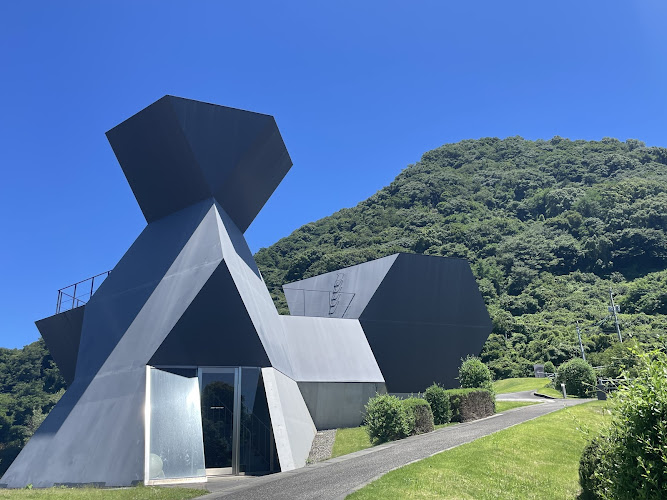
Toyo Ito Museum of Architecture
About Toyo Ito Museum of Architecture
Description
The Toyo Ito Museum of Architecture on Omishima Island is not your typical museum. It’s a place where architecture feels alive, breathing right alongside the sea breeze and the rolling hills. Designed by Toyo Ito himself—one of Japan’s most celebrated architects—the museum isn’t just about displaying models and drawings. It’s about showing how architecture can shape communities, interact with nature, and even spark new ideas in everyday life. The museum is split into two buildings, affectionately nicknamed the Steel Hut and the Silver Hut. Each one has its own personality: one focuses on Ito’s works and exhibitions, while the other hosts workshops, discussions, and events. Together, they create a space that feels both intimate and thought-provoking.
What struck me most the first time I visited was how the buildings themselves seemed to belong to the landscape. Standing on the hilltop, with the Seto Inland Sea stretching out in front of you, it’s almost impossible not to pause and just take it all in. It’s quiet, serene, and yet there’s this buzz of creativity in the air. Some visitors rave about the views more than the exhibits, and honestly, I get it. But that’s part of the charm—the museum isn’t trying to overwhelm you with endless displays. Instead, it encourages you to slow down, breathe, and think about the relationship between people, architecture, and nature. Not every traveler will fall in love with it instantly, but those who do often describe it as a hidden gem that lingers in memory long after leaving.
Key Features
- Two distinct buildings: the Steel Hut (exhibitions) and the Silver Hut (workshops and discussions)
- Panoramic hilltop views of the Seto Inland Sea
- Focus on Toyo Ito’s architectural philosophy and projects
- Outdoor installations that blend seamlessly with the natural setting
- Wheelchair-accessible restroom and general restroom facilities
- On-site parking available for visitors
Best Time to Visit
Timing can really shape your experience here. Spring and autumn are the sweet spots, in my opinion. The weather is mild, the skies are clear, and the sea looks like it’s been painted in shades of blue and silver. Summer has its perks too—longer days and vibrant greenery—but it can get hot, and walking up the hill might feel like a workout you didn’t sign up for. Winter is quieter, which can be a blessing if you prefer fewer crowds, but the chill in the air sometimes makes lingering outdoors less enjoyable. Personally, I loved visiting in late October; the air was crisp, the views were crystal clear, and the museum felt peaceful without being empty.
If you’re a photography enthusiast, aim for late afternoon when the sun begins to dip. The golden light washes over the steel and glass, and the reflections on the water are just magical. It’s one of those moments where you’ll want to put the camera down after a few shots and just soak it in with your own eyes.
How to Get There
Reaching the Toyo Ito Museum of Architecture is part of the adventure. Omishima Island is connected by the Shimanami Kaido, a scenic expressway that links Honshu and Shikoku with a series of bridges. If you’re driving, it’s fairly straightforward—you’ll find on-site parking once you arrive. For cyclists, this route is legendary, and stopping at the museum becomes a memorable break along the journey. Public transportation is possible, though it requires a bit more planning with buses and ferries. Honestly, if you can rent a car or bike, it makes the trip feel more flexible and enjoyable.
The museum sits on a hillside, so expect a short walk uphill from the parking area. It’s not strenuous, but if you’re carrying heavy bags, you might wish you’d packed lighter. The payoff, though, is that sweeping view of the Seto Inland Sea waiting at the top—it makes the climb worth every step.
Tips for Visiting
A few practical things can make your visit smoother. First, don’t rush. This isn’t a place you can “check off” in 20 minutes. Give yourself at least an hour or two to wander through the huts, sit outside, and let the scenery sink in. If you’re traveling in summer, bring a hat and water—the sun can be strong, and there aren’t many shaded spots along the way. In cooler months, a light jacket will keep you comfortable, especially if you want to linger outdoors.
The museum doesn’t have a restaurant, so plan ahead for meals. I made the mistake of arriving hungry once, and let’s just say the experience was less meditative with my stomach growling. Pack a snack or plan to eat at one of the local spots on the island afterward—some serve fresh seafood that pairs perfectly with the sea views you’ve just enjoyed.
Photography is welcome, but remember to be respectful of other visitors. And while the exhibits themselves might feel minimal compared to larger museums, the real treasure is the way the architecture interacts with its surroundings. Take time to notice the small details—the way light filters through, the textures of the materials, the subtle echoes of Ito’s design philosophy.
Lastly, go with an open mind. This museum isn’t for everyone, and that’s okay. Some people leave feeling underwhelmed, while others describe it as transformative. If you’re curious about architecture, enjoy quiet spaces, or simply love a good view, chances are you’ll find it rewarding. And even if you don’t, the journey to Omishima and the scenery alone are worth the trip.
Key Features
- Two distinct buildings: the Steel Hut (exhibitions) and the Silver Hut (workshops and discussions)
- Panoramic hilltop views of the Seto Inland Sea
- Focus on Toyo Ito’s architectural philosophy and projects
- Outdoor installations that blend seamlessly with the natural setting
- Wheelchair-accessible restroom and general restroom facilities
- On-site parking available for visitors
More Details
Updated September 10, 2025
Table of Contents
Description
The Toyo Ito Museum of Architecture on Omishima Island is not your typical museum. It’s a place where architecture feels alive, breathing right alongside the sea breeze and the rolling hills. Designed by Toyo Ito himself—one of Japan’s most celebrated architects—the museum isn’t just about displaying models and drawings. It’s about showing how architecture can shape communities, interact with nature, and even spark new ideas in everyday life. The museum is split into two buildings, affectionately nicknamed the Steel Hut and the Silver Hut. Each one has its own personality: one focuses on Ito’s works and exhibitions, while the other hosts workshops, discussions, and events. Together, they create a space that feels both intimate and thought-provoking.
What struck me most the first time I visited was how the buildings themselves seemed to belong to the landscape. Standing on the hilltop, with the Seto Inland Sea stretching out in front of you, it’s almost impossible not to pause and just take it all in. It’s quiet, serene, and yet there’s this buzz of creativity in the air. Some visitors rave about the views more than the exhibits, and honestly, I get it. But that’s part of the charm—the museum isn’t trying to overwhelm you with endless displays. Instead, it encourages you to slow down, breathe, and think about the relationship between people, architecture, and nature. Not every traveler will fall in love with it instantly, but those who do often describe it as a hidden gem that lingers in memory long after leaving.
Key Features
- Two distinct buildings: the Steel Hut (exhibitions) and the Silver Hut (workshops and discussions)
- Panoramic hilltop views of the Seto Inland Sea
- Focus on Toyo Ito’s architectural philosophy and projects
- Outdoor installations that blend seamlessly with the natural setting
- Wheelchair-accessible restroom and general restroom facilities
- On-site parking available for visitors
Best Time to Visit
Timing can really shape your experience here. Spring and autumn are the sweet spots, in my opinion. The weather is mild, the skies are clear, and the sea looks like it’s been painted in shades of blue and silver. Summer has its perks too—longer days and vibrant greenery—but it can get hot, and walking up the hill might feel like a workout you didn’t sign up for. Winter is quieter, which can be a blessing if you prefer fewer crowds, but the chill in the air sometimes makes lingering outdoors less enjoyable. Personally, I loved visiting in late October; the air was crisp, the views were crystal clear, and the museum felt peaceful without being empty.
If you’re a photography enthusiast, aim for late afternoon when the sun begins to dip. The golden light washes over the steel and glass, and the reflections on the water are just magical. It’s one of those moments where you’ll want to put the camera down after a few shots and just soak it in with your own eyes.
How to Get There
Reaching the Toyo Ito Museum of Architecture is part of the adventure. Omishima Island is connected by the Shimanami Kaido, a scenic expressway that links Honshu and Shikoku with a series of bridges. If you’re driving, it’s fairly straightforward—you’ll find on-site parking once you arrive. For cyclists, this route is legendary, and stopping at the museum becomes a memorable break along the journey. Public transportation is possible, though it requires a bit more planning with buses and ferries. Honestly, if you can rent a car or bike, it makes the trip feel more flexible and enjoyable.
The museum sits on a hillside, so expect a short walk uphill from the parking area. It’s not strenuous, but if you’re carrying heavy bags, you might wish you’d packed lighter. The payoff, though, is that sweeping view of the Seto Inland Sea waiting at the top—it makes the climb worth every step.
Tips for Visiting
A few practical things can make your visit smoother. First, don’t rush. This isn’t a place you can “check off” in 20 minutes. Give yourself at least an hour or two to wander through the huts, sit outside, and let the scenery sink in. If you’re traveling in summer, bring a hat and water—the sun can be strong, and there aren’t many shaded spots along the way. In cooler months, a light jacket will keep you comfortable, especially if you want to linger outdoors.
The museum doesn’t have a restaurant, so plan ahead for meals. I made the mistake of arriving hungry once, and let’s just say the experience was less meditative with my stomach growling. Pack a snack or plan to eat at one of the local spots on the island afterward—some serve fresh seafood that pairs perfectly with the sea views you’ve just enjoyed.
Photography is welcome, but remember to be respectful of other visitors. And while the exhibits themselves might feel minimal compared to larger museums, the real treasure is the way the architecture interacts with its surroundings. Take time to notice the small details—the way light filters through, the textures of the materials, the subtle echoes of Ito’s design philosophy.
Lastly, go with an open mind. This museum isn’t for everyone, and that’s okay. Some people leave feeling underwhelmed, while others describe it as transformative. If you’re curious about architecture, enjoy quiet spaces, or simply love a good view, chances are you’ll find it rewarding. And even if you don’t, the journey to Omishima and the scenery alone are worth the trip.
Key Highlights
- Two distinct buildings: the Steel Hut (exhibitions) and the Silver Hut (workshops and discussions)
- Panoramic hilltop views of the Seto Inland Sea
- Focus on Toyo Ito’s architectural philosophy and projects
- Outdoor installations that blend seamlessly with the natural setting
- Wheelchair-accessible restroom and general restroom facilities
- On-site parking available for visitors
Location
Places to Stay Near Toyo Ito Museum of Architecture
Find and Book a Tour
Explore More Travel Guides
No reviews found! Be the first to review!
Traveler Reviews for Toyo Ito Museum of Architecture
There are no reviews yet. Be the first one to write one.
Have you visited Toyo Ito Museum of Architecture? Help other travelers by sharing your review.
You Might Also Like

Namikata Park
Imabari Castle

Tamagawa Museum of Modern Art
Find Accommodations Nearby
Recommended Tours & Activities
Visitor Reviews
There are no reviews yet. Be the first one to write one.
Share Your Experience
Have you visited Toyo Ito Museum of Architecture? Help other travelers by leaving a review.