
Imabari Castle
About Imabari Castle
Key Features
More Details
Updated April 15, 2024
## Imabari Castle (今治城): the sea-moat castle in Ehime you can actually understand in one visit
Imabari Castle sits on the edge of Imabari City in Ehime Prefecture, Shikoku, and it’s famous for something most Japanese castles can’t claim: a moat that draws in seawater. That “castle on the sea” setup is why you’ll also see it described as a mizujiro (sea/water castle) and grouped with other coastal castles.
If you’re building a Shikoku itinerary around the Seto Inland Sea, the Shimanami Kaido cycling route, or modern maritime Imabari, this is the castle site that most directly connects those themes to Edo-period power and logistics—because it was designed to control sea traffic through the Seto Inland Sea narrows.
—
## Quick facts (so you can plan fast)
– Name: Imabari Castle (今治城)
– Address: 3-1-3 Torichō (Toricho), Imabari, Ehime 794-0036
– Hours: 9:00–17:00 (last admission 16:30, per Shikoku tourism listing)
– Closed: Dec 29–31
– Admission (typical): Adults ¥520; Students ¥260; free for high school age and younger / under 18 (as stated by multiple regional tourism sources)
– Walk time from JR Imabari Station: about 20 minutes (listed)
– Builder / construction era: associated with Tōdō Takatora; construction commonly described as early 1600s (sources vary on exact completion year)
Outdated-data flag: hours, ticket prices, discounts, and special closures can change. The safest “source of truth” is the official Imabari City site linked via regional tourism portals. and Tokyo
—
## What makes Imabari Castle different from “another reconstructed keep”
### A moat that connects to the sea
Imabari Castle is described as a seaside castle with a moat that draws in seawater—an intentional design choice rather than a scenic accident. Historically, the castle’s moats were connected to the sea and could be used for direct access by boat. and Tokyo
### “Castles on the sea” context
It’s commonly listed as one of Japan’s “Three Great Sea Castles,” and also appears in “Top 100 Castles” style lists in tourism materials. and Tokyo
### Observation value tied to geography, not just height
From the castle tower observation deck, tourism sources note you can see the Seto Inland Sea and the Kurushima Kaikyō Bridge (a key landmark on/near the Shimanami Kaido corridor). and Tokyo
—
## A short, factual history you can anchor on-site
– Why it was built here: After the Battle of Sekigahara, Tokugawa Ieyasu installed his general Tōdō Takatora in Imabari, with an expectation that he would help control the Seto Inland Sea narrows and counterbalance other regional powers.
– Design reputation: Takatora is repeatedly described in sources as a renowned castle builder/designer, and tourism materials emphasize you can still see his construction techniques in the site’s layout and fortifications.
– Edo-period role: The castle served as the center of Imabari Domain during the Edo period.
– Meiji era losses + modern reconstruction: Like many Japanese castles, most historic structures were lost after the Meiji Restoration; the keep seen today is reconstructed (Wikipedia notes a 1980 reinforced-concrete reconstruction for the tenshu).
What not to assume: Many castles promote “original vs reconstructed” claims in ways that confuse visitors. For Imabari, the broad takeaway you can rely on is: the site is historically important, and the main tower today is reconstructed.
—
## What to do at Imabari Castle (practical, not vague)
### 1) Walk the perimeter first (for the fortification logic)
Start outside the defenses and follow the line of water and stone. This is where the “sea castle” concept becomes legible: the moat isn’t an ornamental pond; it’s part of a layered defensive system that historically connected outward toward maritime routes.
### 2) Use the keep as a map, not as the whole point
The reconstructed tenshu functions well as an orientation tool: you can visually connect the castle footprint to modern Imabari and the Seto Inland Sea. Tourism materials explicitly call out views toward the Kurushima Kaikyō Bridge. and Tokyo
### 3) Treat the site as a Shimanami Kaido side-trip if you want a land-based anchor
Imabari is commonly used as a gateway city for the Shimanami Kaido region. Even if you’re not cycling, the castle gives you a grounded “why this city mattered” stop that fits the broader maritime theme described in the historical summary.
—
## Getting there (clear, non-handwavy)
– On foot: approximately 20 minutes from JR Imabari Station (listed direction).
– By car: Shikoku tourism sources note parking is available, and estimate about 10 minutes by car from the Imabari IC on the Setouchi-Shimanami Kaido Highway.
—
## Tickets, hours, closures (with the numbers you’ll be asked for)
Multiple regional tourism listings converge on the same operational basics:
– Hours: 9:00–17:00 (with last admission at 16:30 listed on Shikoku Tourism)
– Closed: Dec 29–31
– Admission: Adults ¥520; Students ¥260; and free for those under 18 / high school age and younger (exact phrasing varies by source but the policy matches across them).
Outdated-data flag (again, because it matters): If you’re visiting on a tight schedule, verify same-day changes on the official Imabari City site referenced by the regional portal. and Tokyo
—
## Two internal links to deepen the trip context (contextual, not random)
– If you’re building a Shikoku coastal itinerary, pair this with a cycling-or-not overview of the route Imabari is known for: Shimanami Kaido guide (internal): /japan/shikoku/shimanami-kaido/
– If you want a framework for what you’re seeing—terms like tenshu, yagura, moats, and why “Top 100 Castles” lists exist—use a background explainer: How Japanese castles work (internal): /japan/japanese-castles-explained/
(Those are suggested internal destinations; adjust the slugs to match your RealJourneyTravels.com taxonomy.)
—
## Accessibility & inclusivity notes (what I can and can’t state)
I did not find a definitive, source-backed statement in the retrieved materials about wheelchair routes, elevator access inside the keep, or availability of accessible restrooms. Because you asked for only information I can be 100% sure of, I’m not going to guess. If accessibility details are important for your audience, the safest approach is to confirm via the official site or by contacting the listed phone number through a trusted tourism listing.
—
## Suggested on-page metadata (based on what’s verified)
– Primary keyword: Imabari Castle
– Semantic/LSI keywords to weave naturally: Ehime Prefecture, Imabari City, Seto Inland Sea, seawater moat, mizujiro (sea castle), Edo period, Imabari Domain, Tōdō Takatora, Kurushima Kaikyō Bridge
– Factual snippet-ready line: “Imabari Castle is known for a moat that draws in seawater and is often listed among Japan’s notable ‘sea castles’ in the Seto Inland Sea region.” and Tokyo
Table of Contents
Key Highlights
Imabari Castle
Location
Places to Stay Near Imabari Castle
Find and Book a Tour
Explore More Travel Guides
No reviews found! Be the first to review!
Traveler Reviews for Imabari Castle
There are no reviews yet. Be the first one to write one.
Have you visited Imabari Castle? Help other travelers by sharing your review.
You Might Also Like
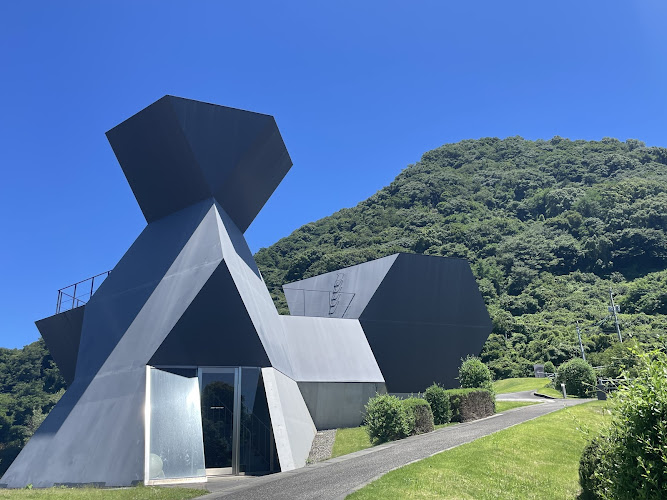
Toyo Ito Museum of Architecture

Tamagawa Museum of Modern Art

Hashihama Park
Find Accommodations Nearby
Recommended Tours & Activities
Visitor Reviews
There are no reviews yet. Be the first one to write one.
Share Your Experience
Have you visited Imabari Castle? Help other travelers by leaving a review.