

Tonala Historico
About Tonala Historico
Description
Tonala Historico represents one of Mexico's most authentic artistic handicraft destinations, where traditional craftsmanship meets contemporary artistic expression in ways that'll genuinely surprise you. This isn't your typical tourist trap filled with mass-produced souvenirs. Instead, visitors discover a place where artisans have been perfecting their techniques for generations, creating pottery, ceramics, glassware, and decorative pieces that tell stories of cultural heritage and personal dedication. What strikes most travelers first is the sheer authenticity of the experience. The craftspeople here aren't performing for cameras – they're continuing traditions their grandparents taught them, techniques that have been refined over centuries. You'll watch skilled hands transform raw clay into intricate pieces, see glass blown into stunning sculptures, and observe the meticulous painting process that gives Tonala's handicrafts their distinctive character. I've visited plenty of craft markets around the world, and there's something special about watching an artisan completely absorbed in their work, barely noticing you're there because they're so focused on getting that curve just right or perfecting a glaze. The atmosphere here feels refreshingly real. Unlike some tourist destinations that feel manufactured specifically for visitors, Tonala Historico maintains its genuine character as a working artistic community. Artisans operate workshops that double as showrooms, where the creative process happens right before your eyes. The smell of wet clay, the sound of hammers shaping metal, and the sight of painters adding delicate details to ceramic pieces create a sensory experience that photographs simply can't capture. But what really sets this place apart is the opportunity for meaningful interaction. Many artisans genuinely enjoy explaining their craft to interested visitors, sharing stories about specific techniques or the symbolism behind certain designs. And if your Spanish is a bit rusty, don't worry too much – the universal language of appreciation for beautiful things tends to bridge most communication gaps. The variety of handicrafts available is honestly impressive. From traditional Talavera-style pottery to contemporary glass art, from whimsical animal figurines to elegant serving pieces, the range reflects both respect for tradition and willingness to innovate. Some pieces lean heavily into historical Mexican designs, while others incorporate modern aesthetics that appeal to contemporary tastes.Key Features
• Authentic artisan workshops where traditional craftspeople create pottery, ceramics, glassware, and decorative pieces using techniques passed down through generations • Direct interaction with artists who often welcome questions and discussions about their creative process and cultural significance of their work • Wide selection of handcrafted items ranging from traditional Mexican pottery designs to contemporary artistic interpretations • Wheelchair accessible entrance ensuring the experience remains available to visitors with mobility considerations • Acceptance of both credit and debit cards, making purchases convenient for international travelers who may not carry large amounts of cash • Opportunity to witness the complete creative process from raw materials to finished products in working studio environments • Prices that generally offer better value than tourist-focused shops since you're buying directly from makers rather than through intermediaries • Unique pieces that serve as meaningful souvenirs with genuine cultural connection rather than mass-produced items • Photography opportunities that capture both the artistic products and the creation process itself • Cultural education through observing traditional techniques that have remained largely unchanged for centuriesBest Time to Visit
Timing your visit to Tonala Historico can significantly impact your experience, though honestly, this destination maintains its appeal year-round since the workshops operate continuously. That said, certain periods offer distinct advantages depending on what you're hoping to get from your visit. The dry season from November through April provides the most comfortable weather conditions for exploring the area. Temperatures stay pleasant, and you won't deal with sudden afternoon rainstorms that can disrupt your plans. I personally prefer visiting during these months because you can take your time browsing without feeling rushed by weather concerns. Thursday and Sunday mornings transform the area with expansive street markets that supplement the permanent workshops. If you're looking for the most comprehensive handicraft experience, these days offer maximum variety. The energy level picks up considerably, with vendors setting up temporary stalls alongside the established workshops. However, this popularity means larger crowds, which some travelers love and others find overwhelming. Weekday afternoons, particularly Tuesday and Wednesday, tend to be quieter. For travelers who prefer more intimate interactions with artisans and less crowded browsing conditions, these slower periods work beautifully. You'll find craftspeople more available for conversation, and you can examine pieces without feeling rushed by crowds behind you. The weeks leading up to major Mexican holidays like Day of the Dead (late October/early November) and Christmas see increased production of seasonal items. Visiting during these periods gives you access to special pieces created specifically for these celebrations – items you won't find during other times of year. Avoid visiting during major Mexican holiday periods if you dislike crowds. Easter week and the days surrounding Christmas bring local shoppers in large numbers, which can make the experience feel chaotic rather than enjoyable. Morning visits generally offer fresher energy from artisans and better natural lighting for appreciating the details of their work. Most workshops open around 9 or 10 AM, and arriving early means you'll see craftspeople at their most productive.How to Get There
Getting to Tonala Historico requires some planning, but the journey itself offers glimpses into authentic Mexican life that many travelers find nearly as rewarding as the destination itself. For visitors staying in Guadalajara, Tonala sits approximately 15 kilometers southeast of the city center. Taxis and ride-sharing services like Uber provide the most straightforward option, typically taking 25-40 minutes depending on traffic conditions. The fare usually runs reasonable by international standards, though prices fluctuate based on time of day and demand. Public transportation offers a more economical approach if you're comfortable navigating Mexico's bus system. Several bus routes connect Guadalajara to Tonala, with service running frequently throughout the day. The journey takes longer than driving directly – usually 45 minutes to over an hour – but costs just a fraction of taxi fare. You'll want to ask locals or your hotel staff for the current route numbers, as these sometimes change. If you're renting a car, driving yourself provides maximum flexibility for exploring the area at your own pace. Parking can be found near the main artisan area, though spaces fill up quickly during peak times like Thursday and Sunday market days. GPS navigation works reliably in this area, making it relatively straightforward even for visitors unfamiliar with the region. Many Guadalajara hotels and tour operators offer organized excursions to Tonala, often combining it with nearby Tlaquepaque for a full day of handicraft shopping. These tours handle all transportation logistics and sometimes include guide services, though they operate on fixed schedules that might feel restrictive if you prefer spontaneous exploration. The route from Guadalajara's airport to Tonala takes roughly 30-45 minutes, making it feasible to visit even if you have limited time in the region. Some travelers stop here on their way into or out of Guadalajara, though I'd recommend allowing more time if possible since rushing through diminishes the experience. Once you arrive in the Tonala area, much of the artisan district remains walkable, though comfortable shoes are essential since you'll be covering significant ground if you want to see multiple workshops.Tips for Visiting
Bring cash even though many vendors accept cards. Some smaller workshops or individual artisans still prefer cash transactions, and having pesos on hand gives you more flexibility. Plus, you'll occasionally find that offering cash opens room for friendly negotiation on prices – something that doesn't happen with card payments. Wear comfortable walking shoes because you'll be covering more distance than you initially expect. The workshops spread across a fairly large area, and if you're visiting during market days, the temporary stalls extend even further. Sandals might seem tempting in warm weather, but closed-toe shoes protect your feet better on uneven surfaces. Allow more time than you think you'll need. I've watched countless visitors plan for a quick two-hour stop, only to find themselves still exploring four or five hours later. When you start engaging with artisans and really examining the craftsmanship of various pieces, time disappears surprisingly fast. Bring adequate space in your luggage for purchases, or plan ahead for shipping options. Many travelers underestimate how much they'll want to buy once they see the quality and variety available. Some larger workshops offer shipping services for international buyers, though you'll want to discuss costs and reliability before committing. Learn a few basic Spanish phrases even if you're not fluent. Simple words like "hermoso" (beautiful), "cuánto cuesta" (how much does it cost), and "gracias" go a long way in building rapport with artisans. Most appreciate any effort to communicate in Spanish, even if conversations ultimately happen through gestures and smiles. Don't feel pressured to buy immediately. Unlike some markets where vendors employ aggressive sales tactics, most Tonala artisans respect browsers and understand that thoughtful purchases take time. Feel free to look around, compare options, and return to pieces that keep calling to you. Ask about the creation process if you're genuinely interested. Many artisans love sharing their knowledge with curious visitors, and these conversations often prove to be the most memorable part of the experience. You'll gain appreciation for the skill involved and understanding of why certain pieces cost what they do. Photograph respectfully by asking permission before taking pictures of artisans at work. Most don't mind, but common courtesy suggests checking first. And when you do photograph, consider how you can capture the story of the craft rather than just the finished products. Visit multiple workshops before making major purchases. The first beautiful piece you see might tempt you to buy immediately, but exploring various artisans' work helps you understand the range of styles and quality levels available. This browsing process often leads to more satisfying purchases. Check items carefully for damage before purchasing, especially with ceramics and glassware. Inspect pieces for cracks, chips, or imperfections that might affect their use or value. Quality artisans stand behind their work and won't be offended by thorough examination. Consider the practical aspects of items you're buying. That stunning but fragile ceramic sculpture might be gorgeous, but think honestly about whether you can transport it home safely and where it'll actually fit in your living space. Some of my biggest regret purchases happened when I fell in love with beauty without considering practicality. Bring a small bag or backpack for carrying smaller purchases as you shop, keeping your hands free to examine new items. This prevents the awkward juggling act that happens when you're carrying multiple wrapped packages while trying to look at additional pieces. Stay hydrated and take breaks when needed. Exploring workshops in warm weather can be surprisingly tiring, and making thoughtful purchase decisions becomes harder when you're overheated and exhausted. Small cafes and refreshment stands dot the area where you can rest and recharge.Key Features
- Key Features
- Best Time to Visit
- How to Get There
- Tips for Visiting
More Details
Updated March 30, 2026
Table of Contents
Description
Tonala Historico represents one of Mexico’s most authentic artistic handicraft destinations, where traditional craftsmanship meets contemporary artistic expression in ways that’ll genuinely surprise you. This isn’t your typical tourist trap filled with mass-produced souvenirs. Instead, visitors discover a place where artisans have been perfecting their techniques for generations, creating pottery, ceramics, glassware, and decorative pieces that tell stories of cultural heritage and personal dedication.
What strikes most travelers first is the sheer authenticity of the experience. The craftspeople here aren’t performing for cameras – they’re continuing traditions their grandparents taught them, techniques that have been refined over centuries. You’ll watch skilled hands transform raw clay into intricate pieces, see glass blown into stunning sculptures, and observe the meticulous painting process that gives Tonala’s handicrafts their distinctive character. I’ve visited plenty of craft markets around the world, and there’s something special about watching an artisan completely absorbed in their work, barely noticing you’re there because they’re so focused on getting that curve just right or perfecting a glaze.
The atmosphere here feels refreshingly real. Unlike some tourist destinations that feel manufactured specifically for visitors, Tonala Historico maintains its genuine character as a working artistic community. Artisans operate workshops that double as showrooms, where the creative process happens right before your eyes. The smell of wet clay, the sound of hammers shaping metal, and the sight of painters adding delicate details to ceramic pieces create a sensory experience that photographs simply can’t capture.
But what really sets this place apart is the opportunity for meaningful interaction. Many artisans genuinely enjoy explaining their craft to interested visitors, sharing stories about specific techniques or the symbolism behind certain designs. And if your Spanish is a bit rusty, don’t worry too much – the universal language of appreciation for beautiful things tends to bridge most communication gaps.
The variety of handicrafts available is honestly impressive. From traditional Talavera-style pottery to contemporary glass art, from whimsical animal figurines to elegant serving pieces, the range reflects both respect for tradition and willingness to innovate. Some pieces lean heavily into historical Mexican designs, while others incorporate modern aesthetics that appeal to contemporary tastes.
Key Features
• Authentic artisan workshops where traditional craftspeople create pottery, ceramics, glassware, and decorative pieces using techniques passed down through generations
• Direct interaction with artists who often welcome questions and discussions about their creative process and cultural significance of their work
• Wide selection of handcrafted items ranging from traditional Mexican pottery designs to contemporary artistic interpretations
• Wheelchair accessible entrance ensuring the experience remains available to visitors with mobility considerations
• Acceptance of both credit and debit cards, making purchases convenient for international travelers who may not carry large amounts of cash
• Opportunity to witness the complete creative process from raw materials to finished products in working studio environments
• Prices that generally offer better value than tourist-focused shops since you’re buying directly from makers rather than through intermediaries
• Unique pieces that serve as meaningful souvenirs with genuine cultural connection rather than mass-produced items
• Photography opportunities that capture both the artistic products and the creation process itself
• Cultural education through observing traditional techniques that have remained largely unchanged for centuries
Best Time to Visit
Timing your visit to Tonala Historico can significantly impact your experience, though honestly, this destination maintains its appeal year-round since the workshops operate continuously. That said, certain periods offer distinct advantages depending on what you’re hoping to get from your visit.
The dry season from November through April provides the most comfortable weather conditions for exploring the area. Temperatures stay pleasant, and you won’t deal with sudden afternoon rainstorms that can disrupt your plans. I personally prefer visiting during these months because you can take your time browsing without feeling rushed by weather concerns.
Thursday and Sunday mornings transform the area with expansive street markets that supplement the permanent workshops. If you’re looking for the most comprehensive handicraft experience, these days offer maximum variety. The energy level picks up considerably, with vendors setting up temporary stalls alongside the established workshops. However, this popularity means larger crowds, which some travelers love and others find overwhelming.
Weekday afternoons, particularly Tuesday and Wednesday, tend to be quieter. For travelers who prefer more intimate interactions with artisans and less crowded browsing conditions, these slower periods work beautifully. You’ll find craftspeople more available for conversation, and you can examine pieces without feeling rushed by crowds behind you.
The weeks leading up to major Mexican holidays like Day of the Dead (late October/early November) and Christmas see increased production of seasonal items. Visiting during these periods gives you access to special pieces created specifically for these celebrations – items you won’t find during other times of year.
Avoid visiting during major Mexican holiday periods if you dislike crowds. Easter week and the days surrounding Christmas bring local shoppers in large numbers, which can make the experience feel chaotic rather than enjoyable.
Morning visits generally offer fresher energy from artisans and better natural lighting for appreciating the details of their work. Most workshops open around 9 or 10 AM, and arriving early means you’ll see craftspeople at their most productive.
How to Get There
Getting to Tonala Historico requires some planning, but the journey itself offers glimpses into authentic Mexican life that many travelers find nearly as rewarding as the destination itself.
For visitors staying in Guadalajara, Tonala sits approximately 15 kilometers southeast of the city center. Taxis and ride-sharing services like Uber provide the most straightforward option, typically taking 25-40 minutes depending on traffic conditions. The fare usually runs reasonable by international standards, though prices fluctuate based on time of day and demand.
Public transportation offers a more economical approach if you’re comfortable navigating Mexico’s bus system. Several bus routes connect Guadalajara to Tonala, with service running frequently throughout the day. The journey takes longer than driving directly – usually 45 minutes to over an hour – but costs just a fraction of taxi fare. You’ll want to ask locals or your hotel staff for the current route numbers, as these sometimes change.
If you’re renting a car, driving yourself provides maximum flexibility for exploring the area at your own pace. Parking can be found near the main artisan area, though spaces fill up quickly during peak times like Thursday and Sunday market days. GPS navigation works reliably in this area, making it relatively straightforward even for visitors unfamiliar with the region.
Many Guadalajara hotels and tour operators offer organized excursions to Tonala, often combining it with nearby Tlaquepaque for a full day of handicraft shopping. These tours handle all transportation logistics and sometimes include guide services, though they operate on fixed schedules that might feel restrictive if you prefer spontaneous exploration.
The route from Guadalajara’s airport to Tonala takes roughly 30-45 minutes, making it feasible to visit even if you have limited time in the region. Some travelers stop here on their way into or out of Guadalajara, though I’d recommend allowing more time if possible since rushing through diminishes the experience.
Once you arrive in the Tonala area, much of the artisan district remains walkable, though comfortable shoes are essential since you’ll be covering significant ground if you want to see multiple workshops.
Tips for Visiting
Bring cash even though many vendors accept cards. Some smaller workshops or individual artisans still prefer cash transactions, and having pesos on hand gives you more flexibility. Plus, you’ll occasionally find that offering cash opens room for friendly negotiation on prices – something that doesn’t happen with card payments.
Wear comfortable walking shoes because you’ll be covering more distance than you initially expect. The workshops spread across a fairly large area, and if you’re visiting during market days, the temporary stalls extend even further. Sandals might seem tempting in warm weather, but closed-toe shoes protect your feet better on uneven surfaces.
Allow more time than you think you’ll need. I’ve watched countless visitors plan for a quick two-hour stop, only to find themselves still exploring four or five hours later. When you start engaging with artisans and really examining the craftsmanship of various pieces, time disappears surprisingly fast.
Bring adequate space in your luggage for purchases, or plan ahead for shipping options. Many travelers underestimate how much they’ll want to buy once they see the quality and variety available. Some larger workshops offer shipping services for international buyers, though you’ll want to discuss costs and reliability before committing.
Learn a few basic Spanish phrases even if you’re not fluent. Simple words like “hermoso” (beautiful), “cuánto cuesta” (how much does it cost), and “gracias” go a long way in building rapport with artisans. Most appreciate any effort to communicate in Spanish, even if conversations ultimately happen through gestures and smiles.
Don’t feel pressured to buy immediately. Unlike some markets where vendors employ aggressive sales tactics, most Tonala artisans respect browsers and understand that thoughtful purchases take time. Feel free to look around, compare options, and return to pieces that keep calling to you.
Ask about the creation process if you’re genuinely interested. Many artisans love sharing their knowledge with curious visitors, and these conversations often prove to be the most memorable part of the experience. You’ll gain appreciation for the skill involved and understanding of why certain pieces cost what they do.
Photograph respectfully by asking permission before taking pictures of artisans at work. Most don’t mind, but common courtesy suggests checking first. And when you do photograph, consider how you can capture the story of the craft rather than just the finished products.
Visit multiple workshops before making major purchases. The first beautiful piece you see might tempt you to buy immediately, but exploring various artisans’ work helps you understand the range of styles and quality levels available. This browsing process often leads to more satisfying purchases.
Check items carefully for damage before purchasing, especially with ceramics and glassware. Inspect pieces for cracks, chips, or imperfections that might affect their use or value. Quality artisans stand behind their work and won’t be offended by thorough examination.
Consider the practical aspects of items you’re buying. That stunning but fragile ceramic sculpture might be gorgeous, but think honestly about whether you can transport it home safely and where it’ll actually fit in your living space. Some of my biggest regret purchases happened when I fell in love with beauty without considering practicality.
Bring a small bag or backpack for carrying smaller purchases as you shop, keeping your hands free to examine new items. This prevents the awkward juggling act that happens when you’re carrying multiple wrapped packages while trying to look at additional pieces.
Stay hydrated and take breaks when needed. Exploring workshops in warm weather can be surprisingly tiring, and making thoughtful purchase decisions becomes harder when you’re overheated and exhausted. Small cafes and refreshment stands dot the area where you can rest and recharge.
Key Highlights
- Key Features
- Best Time to Visit
- How to Get There
- Tips for Visiting
Location
Places to Stay Near Tonala Historico
Find and Book a Tour
Explore More Travel Guides
No reviews found! Be the first to review!
Tonala Historico is a prominent Artistic handicrafts located in Tonalá.
Visit us at: Av. Benito Juárez 337 A, Tonalá Centro, 45400 Tonalá, Jal., Mexico.
Traveler Reviews for Tonala Historico
There are no reviews yet. Be the first one to write one.
Have you visited Tonala Historico? Help other travelers by sharing your review.
You Might Also Like

Envios a Estados Unidos Paqueterias en Tonala
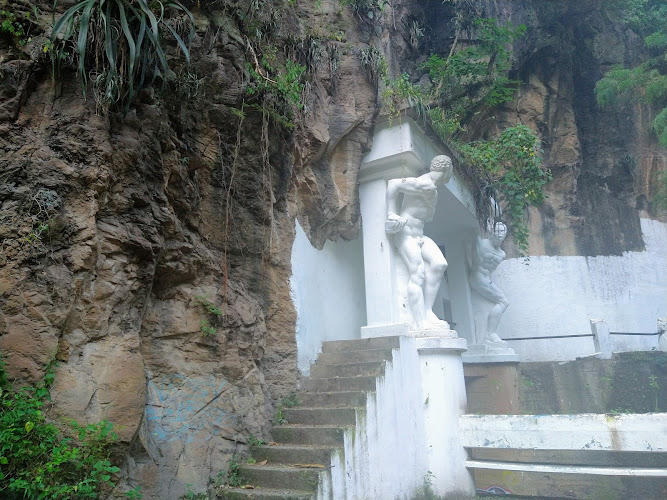
Los Monos o Los Atlantes

Los támaros mordelones
Find Accommodations Nearby
Recommended Tours & Activities
Visitor Reviews
There are no reviews yet. Be the first one to write one.
Share Your Experience
Have you visited Tonala Historico? Help other travelers by leaving a review.