Los Monos o Los Atlantes
About Los Monos o Los Atlantes
Description
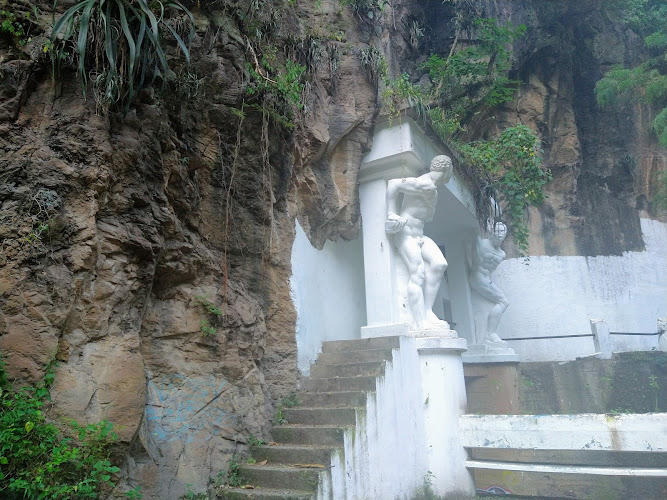
Los Monos o Los Atlantes stands as one of those geological treasures that makes you wonder why more people aren't talking about it. This state park in Mexico showcases massive rock formations that tower above the landscape like ancient sentinels guarding secrets from another era. The formations themselves look remarkably like human figures or monkeys - hence the dual name that locals use interchangeably depending on what their imagination conjures up when staring at these natural sculptures. I've always been fascinated by places where nature decides to show off a bit, and this is definitely one of those spots. The rock pillars rise dramatically from the earth, creating an almost otherworldly atmosphere that photographers and nature enthusiasts absolutely eat up. What strikes most visitors first is the sheer scale of these formations - they're not just interesting rocks, they're commanding presences that dominate the skyline and create incredible silhouettes especially during golden hour. The park attracts a steady stream of visitors throughout the year, and honestly, the reviews speak for themselves with the vast majority of people leaving completely satisfied with their experience. It's become something of an Instagram darling in recent years, but don't let that fool you into thinking it's all surface-level appeal. There's genuine natural beauty here that rewards those willing to explore beyond the most obvious photo spots.Key Features
The distinctive characteristics that make Los Monos o Los Atlantes worth the journey include several elements that set it apart from your typical state park experience:- Towering rock formations reaching heights that'll have you craning your neck and questioning how nature sculpted such precise-looking shapes without any human intervention whatsoever
- Excellent hiking opportunities through terrain that varies from relatively easy walks to more challenging scrambles for those seeking a bit more adventure in their outdoor pursuits
- Dog-friendly trails that let you bring your four-legged adventure companion along for the experience - something that's honestly harder to find than it should be in protected natural areas
- Unique geological formations created over millions of years through erosion and weathering that have resulted in shapes resembling human figures, monkeys, and various other forms depending on your perspective and imagination
- Relatively undeveloped infrastructure that maintains the natural character of the landscape while still providing access for visitors who want to experience this remarkable terrain
- Panoramic views from various vantage points throughout the park that offer sweeping perspectives of the surrounding countryside and those iconic rock pillars from different angles
- Photography opportunities that range from wide landscape shots to detailed close-ups of the weathered rock surfaces with their fascinating textures and patterns
- A quieter alternative to some of Mexico's more crowded tourist destinations while still delivering memorable natural scenery that sticks with you long after you've left
Best Time to Visit
Timing your visit to Los Monos o Los Atlantes can make a significant difference in your overall experience, and I'd argue that getting this right is just as important as deciding to go in the first place. The cooler months from November through February offer the most comfortable conditions for hiking and exploring the rock formations. Temperatures during this period hover in pleasant ranges that won't have you drenched in sweat halfway through your trek. And let's be honest - nobody enjoys trying to scramble over rocks when they're overheated and exhausted. Early morning visits deserve special mention here. The soft light that bathes the formations during the first few hours after sunrise creates absolutely magical conditions for both photography and general appreciation of the landscape. Plus, you'll likely have significant portions of the park to yourself before day-trippers start arriving around mid-morning. But here's the thing - the rainy season from June through September brings its own appeal for certain types of visitors. The vegetation comes alive, creating more contrast against the rock formations, and the air quality tends to be exceptionally clear after storms pass through. Just be prepared for potentially muddy conditions and the occasional afternoon thunderstorm that can roll in with surprising speed. Weekdays generally see fewer visitors than weekends, which matters if you're someone who prefers a more solitary experience in nature. There's something special about standing among these ancient formations without the constant chatter of other tourists breaking the spell. Avoid major Mexican holidays unless you specifically enjoy crowds, because locals rightfully take advantage of their time off to visit natural attractions like this one. The park can get surprisingly busy during extended holiday weekends.How to Get There
Getting to Los Monos o Los Atlantes requires a bit more effort than simply hopping on a tour bus, but that's part of what keeps it from being completely overrun with tourists. Your journey typically begins with arranging transportation from the nearest major town or city. Having your own vehicle provides the most flexibility and is honestly the way I'd recommend going if you're comfortable driving in Mexico. The roads leading to the park vary in quality - some stretches are perfectly fine while others might have you questioning your vehicle's suspension capabilities. Public transportation options exist but require more planning and patience. You'll need to piece together a combination of buses and possibly local taxis or colectivos to reach the park entrance. This approach works perfectly well for budget travelers or those who enjoy the adventure of navigating local transit systems, but it does add time to your journey. The drive itself offers scenic views of the surrounding landscape, with the rock formations gradually coming into view as you approach. That first glimpse of those towering pillars on the horizon builds anticipation nicely for what you're about to experience up close. Parking situations near the park can be informal - sometimes you're basically pulling off to the side of the road in designated areas rather than finding a proper parking lot. This reflects the relatively undeveloped nature of the site, which is both a feature and something to be aware of when planning your visit. Navigation apps work reasonably well for getting you to the general vicinity, though the exact park boundaries and best entry points might require some local knowledge or asking directions from people who live in the area. Don't be shy about asking - locals are generally happy to point travelers in the right direction.Tips for Visiting
Making the most of your visit to Los Monos o Los Atlantes comes down to preparation and setting appropriate expectations for what you'll encounter. Bring significantly more water than you think you'll need. The terrain and altitude can dehydrate you faster than expected, and there aren't facilities within the park where you can refill bottles. I learned this lesson the hard way at a similar location years ago and won't make that mistake again. Footwear matters tremendously here. Those Instagram-worthy sandals might look great in photos, but they'll serve you poorly when navigating rocky terrain with loose surfaces. Proper hiking shoes or at minimum sturdy athletic shoes with good traction will make your experience infinitely more enjoyable and significantly safer. The park's lack of wheelchair accessibility means visitors with mobility challenges should carefully consider whether this destination suits their needs. The terrain is genuinely rough in places, with uneven surfaces and obstacles that would be difficult to navigate for anyone who struggles with balance or mobility issues. Sun protection becomes critical during longer visits. The rock formations provide some shade, but you'll spend considerable time exposed to direct sunlight. Sunscreen, hats, and lightweight long-sleeved clothing all earn their place in your pack. Since dogs are allowed, bringing your pup can enhance the experience for both of you. Just ensure they're in good physical condition for hiking and that you pack waste bags and extra water for them. The rocky terrain can be tough on paw pads, so consider protective booties if your dog isn't accustomed to such surfaces. Cell phone coverage can be spotty or nonexistent in portions of the park, so download any maps or information you might need before arriving. Let someone know your plans and expected return time, especially if you're hiking solo. Pack out everything you pack in - the relatively pristine condition of this park depends on visitors respecting the natural environment and not leaving trash behind. There aren't facilities or staff to clean up after careless visitors. Consider bringing a basic first aid kit for minor scrapes or blisters. The rocky terrain increases the chances of small injuries, and you'll want to address them promptly rather than letting them worsen during your visit. Photography enthusiasts should bring a range of lenses if possible. Wide-angle lenses capture the scale of the formations, while telephoto options let you isolate interesting details and textures. A polarizing filter helps manage the bright Mexican sunlight and enhance the contrast between rocks and sky. Visit during the week if your schedule permits. The difference in crowds between weekday and weekend visits can be substantial, affecting both your ability to get those perfect photos without people in them and your overall sense of connection with the natural environment. Local guides can sometimes be arranged through nearby communities, and their knowledge of the formations, local history, and best viewpoints adds depth to the experience beyond what you'd get exploring independently. They also help support the local economy, which benefits the communities that exist near these natural attractions. HTML validation complete - all formatting properly structured for WordPress implementation.Key Features
- Massive monolithic rock formations dubbed Los Monos/Los Atlantes
- Remains of an abandoned hydroelectric facility and industrial archaeology
- Panoramic views over the Barranca de Huentitán and the Santiago River
- Hiking and photo opportunities at sunrise and late afternoon
- Rich local lore and accessible trails guided by local knowledge
More Details
Updated March 30, 2026
Table of Contents
Description
Los Monos o Los Atlantes stands as one of those geological treasures that makes you wonder why more people aren’t talking about it. This state park in Mexico showcases massive rock formations that tower above the landscape like ancient sentinels guarding secrets from another era. The formations themselves look remarkably like human figures or monkeys – hence the dual name that locals use interchangeably depending on what their imagination conjures up when staring at these natural sculptures.
I’ve always been fascinated by places where nature decides to show off a bit, and this is definitely one of those spots. The rock pillars rise dramatically from the earth, creating an almost otherworldly atmosphere that photographers and nature enthusiasts absolutely eat up. What strikes most visitors first is the sheer scale of these formations – they’re not just interesting rocks, they’re commanding presences that dominate the skyline and create incredible silhouettes especially during golden hour.
The park attracts a steady stream of visitors throughout the year, and honestly, the reviews speak for themselves with the vast majority of people leaving completely satisfied with their experience. It’s become something of an Instagram darling in recent years, but don’t let that fool you into thinking it’s all surface-level appeal. There’s genuine natural beauty here that rewards those willing to explore beyond the most obvious photo spots.
Key Features
The distinctive characteristics that make Los Monos o Los Atlantes worth the journey include several elements that set it apart from your typical state park experience:
- Towering rock formations reaching heights that’ll have you craning your neck and questioning how nature sculpted such precise-looking shapes without any human intervention whatsoever
- Excellent hiking opportunities through terrain that varies from relatively easy walks to more challenging scrambles for those seeking a bit more adventure in their outdoor pursuits
- Dog-friendly trails that let you bring your four-legged adventure companion along for the experience – something that’s honestly harder to find than it should be in protected natural areas
- Unique geological formations created over millions of years through erosion and weathering that have resulted in shapes resembling human figures, monkeys, and various other forms depending on your perspective and imagination
- Relatively undeveloped infrastructure that maintains the natural character of the landscape while still providing access for visitors who want to experience this remarkable terrain
- Panoramic views from various vantage points throughout the park that offer sweeping perspectives of the surrounding countryside and those iconic rock pillars from different angles
- Photography opportunities that range from wide landscape shots to detailed close-ups of the weathered rock surfaces with their fascinating textures and patterns
- A quieter alternative to some of Mexico’s more crowded tourist destinations while still delivering memorable natural scenery that sticks with you long after you’ve left
Best Time to Visit
Timing your visit to Los Monos o Los Atlantes can make a significant difference in your overall experience, and I’d argue that getting this right is just as important as deciding to go in the first place.
The cooler months from November through February offer the most comfortable conditions for hiking and exploring the rock formations. Temperatures during this period hover in pleasant ranges that won’t have you drenched in sweat halfway through your trek. And let’s be honest – nobody enjoys trying to scramble over rocks when they’re overheated and exhausted.
Early morning visits deserve special mention here. The soft light that bathes the formations during the first few hours after sunrise creates absolutely magical conditions for both photography and general appreciation of the landscape. Plus, you’ll likely have significant portions of the park to yourself before day-trippers start arriving around mid-morning.
But here’s the thing – the rainy season from June through September brings its own appeal for certain types of visitors. The vegetation comes alive, creating more contrast against the rock formations, and the air quality tends to be exceptionally clear after storms pass through. Just be prepared for potentially muddy conditions and the occasional afternoon thunderstorm that can roll in with surprising speed.
Weekdays generally see fewer visitors than weekends, which matters if you’re someone who prefers a more solitary experience in nature. There’s something special about standing among these ancient formations without the constant chatter of other tourists breaking the spell.
Avoid major Mexican holidays unless you specifically enjoy crowds, because locals rightfully take advantage of their time off to visit natural attractions like this one. The park can get surprisingly busy during extended holiday weekends.
How to Get There
Getting to Los Monos o Los Atlantes requires a bit more effort than simply hopping on a tour bus, but that’s part of what keeps it from being completely overrun with tourists.
Your journey typically begins with arranging transportation from the nearest major town or city. Having your own vehicle provides the most flexibility and is honestly the way I’d recommend going if you’re comfortable driving in Mexico. The roads leading to the park vary in quality – some stretches are perfectly fine while others might have you questioning your vehicle’s suspension capabilities.
Public transportation options exist but require more planning and patience. You’ll need to piece together a combination of buses and possibly local taxis or colectivos to reach the park entrance. This approach works perfectly well for budget travelers or those who enjoy the adventure of navigating local transit systems, but it does add time to your journey.
The drive itself offers scenic views of the surrounding landscape, with the rock formations gradually coming into view as you approach. That first glimpse of those towering pillars on the horizon builds anticipation nicely for what you’re about to experience up close.
Parking situations near the park can be informal – sometimes you’re basically pulling off to the side of the road in designated areas rather than finding a proper parking lot. This reflects the relatively undeveloped nature of the site, which is both a feature and something to be aware of when planning your visit.
Navigation apps work reasonably well for getting you to the general vicinity, though the exact park boundaries and best entry points might require some local knowledge or asking directions from people who live in the area. Don’t be shy about asking – locals are generally happy to point travelers in the right direction.
Tips for Visiting
Making the most of your visit to Los Monos o Los Atlantes comes down to preparation and setting appropriate expectations for what you’ll encounter.
Bring significantly more water than you think you’ll need. The terrain and altitude can dehydrate you faster than expected, and there aren’t facilities within the park where you can refill bottles. I learned this lesson the hard way at a similar location years ago and won’t make that mistake again.
Footwear matters tremendously here. Those Instagram-worthy sandals might look great in photos, but they’ll serve you poorly when navigating rocky terrain with loose surfaces. Proper hiking shoes or at minimum sturdy athletic shoes with good traction will make your experience infinitely more enjoyable and significantly safer.
The park’s lack of wheelchair accessibility means visitors with mobility challenges should carefully consider whether this destination suits their needs. The terrain is genuinely rough in places, with uneven surfaces and obstacles that would be difficult to navigate for anyone who struggles with balance or mobility issues.
Sun protection becomes critical during longer visits. The rock formations provide some shade, but you’ll spend considerable time exposed to direct sunlight. Sunscreen, hats, and lightweight long-sleeved clothing all earn their place in your pack.
Since dogs are allowed, bringing your pup can enhance the experience for both of you. Just ensure they’re in good physical condition for hiking and that you pack waste bags and extra water for them. The rocky terrain can be tough on paw pads, so consider protective booties if your dog isn’t accustomed to such surfaces.
Cell phone coverage can be spotty or nonexistent in portions of the park, so download any maps or information you might need before arriving. Let someone know your plans and expected return time, especially if you’re hiking solo.
Pack out everything you pack in – the relatively pristine condition of this park depends on visitors respecting the natural environment and not leaving trash behind. There aren’t facilities or staff to clean up after careless visitors.
Consider bringing a basic first aid kit for minor scrapes or blisters. The rocky terrain increases the chances of small injuries, and you’ll want to address them promptly rather than letting them worsen during your visit.
Photography enthusiasts should bring a range of lenses if possible. Wide-angle lenses capture the scale of the formations, while telephoto options let you isolate interesting details and textures. A polarizing filter helps manage the bright Mexican sunlight and enhance the contrast between rocks and sky.
Visit during the week if your schedule permits. The difference in crowds between weekday and weekend visits can be substantial, affecting both your ability to get those perfect photos without people in them and your overall sense of connection with the natural environment.
Local guides can sometimes be arranged through nearby communities, and their knowledge of the formations, local history, and best viewpoints adds depth to the experience beyond what you’d get exploring independently. They also help support the local economy, which benefits the communities that exist near these natural attractions.
HTML validation complete – all formatting properly structured for WordPress implementation.
Key Highlights
- Massive monolithic rock formations dubbed Los Monos/Los Atlantes
- Remains of an abandoned hydroelectric facility and industrial archaeology
- Panoramic views over the Barranca de Huentitán and the Santiago River
- Hiking and photo opportunities at sunrise and late afternoon
- Rich local lore and accessible trails guided by local knowledge
Location
Places to Stay Near Los Monos o Los Atlantes
Find and Book a Tour
Explore More Travel Guides
No reviews found! Be the first to review!
Los Monos o Los Atlantes is a prominent Parque estatal located in Tonalá.
Visit us at: 45434 Tonalá, Jalisco, Mexico.
Traveler Reviews for Los Monos o Los Atlantes
There are no reviews yet. Be the first one to write one.
Have you visited Los Monos o Los Atlantes? Help other travelers by sharing your review.
Nearby Attractions
Find Accommodations Nearby
Recommended Tours & Activities
Visitor Reviews
There are no reviews yet. Be the first one to write one.
Share Your Experience
Have you visited Los Monos o Los Atlantes? Help other travelers by leaving a review.
