Museo de los Tastoanes de Tonalá MUTA
About Museo de los Tastoanes de Tonalá MUTA
Description
The Museo de los Tastoanes de Tonalá, known locally as MUTA, represents something quite special in the cultural landscape of Jalisco. This museum dedicates itself entirely to preserving and celebrating the ancient tradition of the Tastoanes, a pre-Hispanic dance ritual that's been passed down through generations in Tonalá. Walking through these halls, visitors discover an immersive journey into a tradition that most people outside this region have never even heard of, which honestly makes it all the more fascinating. What makes MUTA stand out from your typical museum experience is its laser-focused dedication to this singular cultural phenomenon. The Tastoanes tradition involves elaborate masked dances that reenact the conflict between indigenous peoples and Spanish conquistadors, though the roots actually go much deeper into pre-Columbian rituals. I've always found it interesting how these traditions evolve over centuries, blending indigenous beliefs with colonial influences to create something entirely unique. The museum itself serves as both a repository of historical artifacts and a living celebration of ongoing traditions. You'll find an extensive collection of traditional masks that are central to the Tastoanes performances, each one telling its own story through intricate designs and craftsmanship. These aren't just dusty relics behind glass – many of these masks have been worn in actual ceremonies, carrying with them the sweat and spirit of countless performances. But MUTA doesn't just preserve the past. The museum actively keeps the tradition alive through regular live performances that bring the Tastoanes dances right before your eyes. There's something powerful about watching these dances in person, with the rhythmic drumming and the dancers moving in their elaborate costumes. It connects you to something ancient in a way that reading about it in a book just can't match.Key Features
The museum offers several distinctive features that make it worth seeking out:- Comprehensive mask collection showcasing different styles, periods, and regional variations of Tastoanes masks, many crafted by master artisans using traditional techniques that haven't changed in centuries
- Regular live performances where you can witness the actual Tastoanes dances performed by local practitioners who've learned these movements from their elders
- Family-friendly pricing with discounts for children and special family packages that make cultural education accessible to everyone
- Wheelchair accessible parking facilities for visitors with mobility considerations, though it's worth noting that not all areas of the museum may be fully accessible
- Free street parking in the surrounding area, which is honestly a blessing when you're traveling on a budget
- A nursing room for families traveling with infants, showing thoughtful consideration for the needs of visitors with young children
- Educational displays explaining the historical context, religious significance, and cultural evolution of the Tastoanes tradition
- Artifacts documenting the various elements of the performances, including costumes, musical instruments, and ceremonial objects
- Rotating exhibitions that highlight different aspects of Tonalá's broader cultural heritage beyond just the Tastoanes
- Opportunities to learn about the ongoing efforts to preserve this tradition for future generations in an increasingly modernized world
Best Time to Visit
Timing your visit to MUTA can significantly enhance your experience. The museum operates year-round, but certain periods offer advantages that others don't. The absolute best time to visit coincides with the Festival of Santiago, which typically occurs in late July around the 25th. During this period, the Tastoanes tradition reaches its peak, with performances happening throughout Tonalá. The museum becomes a hub of activity, and you'll see the tradition in its fullest expression. The energy during festival season is something else entirely – the whole town gets involved, and you'll understand why this tradition has survived for so long. However, and this is important, festival time also means crowds. If you prefer a more contemplative museum experience where you can take your time examining the masks and reading the displays without jostling for position, consider visiting during the off-season months between September and May. Weekday visits generally offer a quieter experience than weekends. I've found that Tuesday through Thursday mornings are particularly peaceful times to explore. You might even have entire galleries to yourself, which lets you really absorb the details of each piece. The museum schedules live performances throughout the year, not just during festival season. Before planning your visit, it's worth checking their performance calendar. Witnessing a live Tastoanes dance really should be part of your visit if possible – it transforms your understanding of everything else you see in the museum. Weather-wise, Tonalá enjoys pleasant conditions most of the year, though summers can get quite hot. The rainy season runs from June through September, with July and August seeing the most precipitation. But don't let a little rain deter you – the museum provides indoor exploration, and watching a performance while rain drums on the roof adds its own atmosphere.How to Get There
Getting to MUTA requires a bit of effort since Tonalá isn't exactly on most tourists' radar, but that's part of what keeps it authentic. The museum sits in Tonalá, a municipality that forms part of the greater Guadalajara metropolitan area. If you're staying in Guadalajara proper, you're looking at roughly a 30-40 minute journey depending on traffic and your exact starting point. Driving offers the most flexibility and convenience. From central Guadalajara, head east on Calzada Independencia or take the Periférico, following signs toward Tonalá. The museum benefits from free street parking in the surrounding neighborhood, though you'll want to arrive early on weekends or during special events when parking can get tight. And honestly, parking in Mexican neighborhoods requires a bit of patience and parallel parking skills. Public transportation provides an economical alternative. Several bus routes connect Guadalajara with Tonalá, though you'll need to be comfortable navigating the local bus system. The buses marked for Tonalá run frequently throughout the day. Once you arrive in Tonalá's central area, the museum is within walking distance or a short taxi ride away. Taxi or ride-sharing services like Uber operate throughout the Guadalajara metropolitan area and can take you directly to the museum. This option works particularly well if you're not confident driving in unfamiliar areas or navigating public transit. The fare from central Guadalajara shouldn't break the bank, and you can arrange for the driver to return at a specific time if you prefer. Many visitors combine their trip to MUTA with exploration of Tonalá's famous craft markets. The town has built a reputation for ceramics, pottery, and blown glass. Thursday and Sunday host the largest market days, so coordinating your museum visit with market exploration makes for a full day of cultural immersion.Tips for Visiting
Making the most of your MUTA experience involves some preparation and knowing what to expect. First off, this isn't the kind of museum where you'll need four hours. Most visitors spend between 60 to 90 minutes exploring the exhibits, though if you catch a live performance, add at least another 30-45 minutes to your timeline. Plan accordingly if you're fitting this into a day of broader exploration. Photography policies vary, so ask at the entrance about taking pictures. Generally speaking, museums in Mexico are pretty relaxed about photography for personal use, but flash photography might be restricted to protect the artifacts. Those old masks deserve protection from light damage. The museum is particularly welcoming to families with children. The visual nature of the masks captures kids' imaginations, and the live performances provide entertainment that doesn't require sitting still and reading placards. Take advantage of those family discounts – cultural education doesn't need to be expensive. Bring some cash. While larger Mexican institutions have moved toward card payments, smaller museums sometimes operate on a cash basis. There's nothing worse than arriving somewhere only to discover your credit card won't work and there's no ATM nearby. Consider hiring a guide or joining a tour if your Spanish isn't strong. Much of the museum's explanatory text appears in Spanish, and the cultural context really matters for understanding what you're seeing. Even if you speak some Spanish, the specialized vocabulary around religious traditions and historical events can be challenging. Dress comfortably and practically. The museum doesn't require formal attire, and if you're visiting during warm months, air conditioning may be limited. Comfortable walking shoes make sense since you'll be standing while examining displays. If you're passionate about folk art, traditional masks, or cultural preservation, allocate time to speak with museum staff. In my experience, people working at specialized museums like this are incredibly knowledgeable and often happy to share deeper insights with genuinely interested visitors. Their passion for preserving this tradition shows through when you engage them in conversation. The surrounding neighborhood of Tonalá offers authentic local dining options. After your museum visit, seek out a family-run restaurant or food stand for lunch. The food in Tonalá doesn't cater to tourists, which means you're getting real, honest Mexican cuisine at local prices. Don't rush through the mask collection. Each mask represents hours of skilled craftsmanship and carries symbolic meaning. The artisans who create these pieces train for years to master the techniques. Taking time to appreciate the details – the paint work, the expression, the materials used – enhances your experience immensely. Finally, approach this museum with an open mind and genuine curiosity. MUTA isn't the Louvre or the Smithsonian. It's a focused institution dedicated to preserving one specific cultural tradition that most of the world knows nothing about. That specificity is its strength. You're not just looking at artifacts – you're witnessing the determination of a community to keep their heritage alive against the homogenizing forces of globalization.Key Features
- Extensive collection of Tastoanes masks and costumes
- Historical exhibits on the origin and evolution of the ritual
- Audiovisual presentations and archival footage of the festival
- Displays of local sculpture and prize-winning craftwork
- Housed in an atmospheric 1845 colonial building in Tonalá Centro
More Details
Updated March 30, 2026
Table of Contents
- Description
- Key Features
- Best Time to Visit
- How to Get There
- Tips for Visiting
- Key Highlights
- Location
- Places to Stay Near Museo de los Tastoanes de Tonalá MUTA
- Find and Book a Tour
- Explore More Travel Guides
- Nearby Places You Might Like
- Traveler Reviews for Museo de los Tastoanes de Tonalá MUTA
- Share Your Experience
Description
The Museo de los Tastoanes de Tonalá, known locally as MUTA, represents something quite special in the cultural landscape of Jalisco. This museum dedicates itself entirely to preserving and celebrating the ancient tradition of the Tastoanes, a pre-Hispanic dance ritual that’s been passed down through generations in Tonalá. Walking through these halls, visitors discover an immersive journey into a tradition that most people outside this region have never even heard of, which honestly makes it all the more fascinating.
What makes MUTA stand out from your typical museum experience is its laser-focused dedication to this singular cultural phenomenon. The Tastoanes tradition involves elaborate masked dances that reenact the conflict between indigenous peoples and Spanish conquistadors, though the roots actually go much deeper into pre-Columbian rituals. I’ve always found it interesting how these traditions evolve over centuries, blending indigenous beliefs with colonial influences to create something entirely unique.
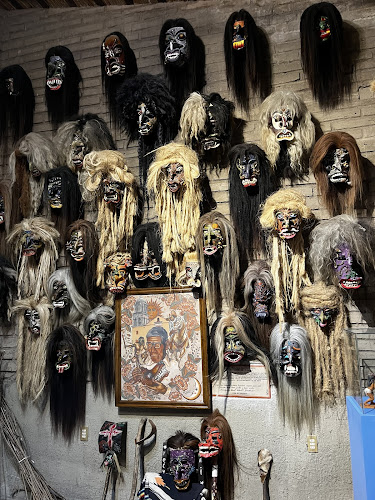
The museum itself serves as both a repository of historical artifacts and a living celebration of ongoing traditions. You’ll find an extensive collection of traditional masks that are central to the Tastoanes performances, each one telling its own story through intricate designs and craftsmanship. These aren’t just dusty relics behind glass – many of these masks have been worn in actual ceremonies, carrying with them the sweat and spirit of countless performances.
But MUTA doesn’t just preserve the past. The museum actively keeps the tradition alive through regular live performances that bring the Tastoanes dances right before your eyes. There’s something powerful about watching these dances in person, with the rhythmic drumming and the dancers moving in their elaborate costumes. It connects you to something ancient in a way that reading about it in a book just can’t match.
Key Features
The museum offers several distinctive features that make it worth seeking out:
- Comprehensive mask collection showcasing different styles, periods, and regional variations of Tastoanes masks, many crafted by master artisans using traditional techniques that haven’t changed in centuries
- Regular live performances where you can witness the actual Tastoanes dances performed by local practitioners who’ve learned these movements from their elders
- Family-friendly pricing with discounts for children and special family packages that make cultural education accessible to everyone
- Wheelchair accessible parking facilities for visitors with mobility considerations, though it’s worth noting that not all areas of the museum may be fully accessible
- Free street parking in the surrounding area, which is honestly a blessing when you’re traveling on a budget
- A nursing room for families traveling with infants, showing thoughtful consideration for the needs of visitors with young children
- Educational displays explaining the historical context, religious significance, and cultural evolution of the Tastoanes tradition
- Artifacts documenting the various elements of the performances, including costumes, musical instruments, and ceremonial objects
- Rotating exhibitions that highlight different aspects of Tonalá’s broader cultural heritage beyond just the Tastoanes
- Opportunities to learn about the ongoing efforts to preserve this tradition for future generations in an increasingly modernized world
Best Time to Visit
Timing your visit to MUTA can significantly enhance your experience. The museum operates year-round, but certain periods offer advantages that others don’t.
The absolute best time to visit coincides with the Festival of Santiago, which typically occurs in late July around the 25th. During this period, the Tastoanes tradition reaches its peak, with performances happening throughout Tonalá. The museum becomes a hub of activity, and you’ll see the tradition in its fullest expression. The energy during festival season is something else entirely – the whole town gets involved, and you’ll understand why this tradition has survived for so long.
However, and this is important, festival time also means crowds. If you prefer a more contemplative museum experience where you can take your time examining the masks and reading the displays without jostling for position, consider visiting during the off-season months between September and May.
Weekday visits generally offer a quieter experience than weekends. I’ve found that Tuesday through Thursday mornings are particularly peaceful times to explore. You might even have entire galleries to yourself, which lets you really absorb the details of each piece.
The museum schedules live performances throughout the year, not just during festival season. Before planning your visit, it’s worth checking their performance calendar. Witnessing a live Tastoanes dance really should be part of your visit if possible – it transforms your understanding of everything else you see in the museum.
Weather-wise, Tonalá enjoys pleasant conditions most of the year, though summers can get quite hot. The rainy season runs from June through September, with July and August seeing the most precipitation. But don’t let a little rain deter you – the museum provides indoor exploration, and watching a performance while rain drums on the roof adds its own atmosphere.
How to Get There
Getting to MUTA requires a bit of effort since Tonalá isn’t exactly on most tourists’ radar, but that’s part of what keeps it authentic.
The museum sits in Tonalá, a municipality that forms part of the greater Guadalajara metropolitan area. If you’re staying in Guadalajara proper, you’re looking at roughly a 30-40 minute journey depending on traffic and your exact starting point.
Driving offers the most flexibility and convenience. From central Guadalajara, head east on Calzada Independencia or take the Periférico, following signs toward Tonalá. The museum benefits from free street parking in the surrounding neighborhood, though you’ll want to arrive early on weekends or during special events when parking can get tight. And honestly, parking in Mexican neighborhoods requires a bit of patience and parallel parking skills.
Public transportation provides an economical alternative. Several bus routes connect Guadalajara with Tonalá, though you’ll need to be comfortable navigating the local bus system. The buses marked for Tonalá run frequently throughout the day. Once you arrive in Tonalá’s central area, the museum is within walking distance or a short taxi ride away.
Taxi or ride-sharing services like Uber operate throughout the Guadalajara metropolitan area and can take you directly to the museum. This option works particularly well if you’re not confident driving in unfamiliar areas or navigating public transit. The fare from central Guadalajara shouldn’t break the bank, and you can arrange for the driver to return at a specific time if you prefer.
Many visitors combine their trip to MUTA with exploration of Tonalá’s famous craft markets. The town has built a reputation for ceramics, pottery, and blown glass. Thursday and Sunday host the largest market days, so coordinating your museum visit with market exploration makes for a full day of cultural immersion.
Tips for Visiting
Making the most of your MUTA experience involves some preparation and knowing what to expect.
First off, this isn’t the kind of museum where you’ll need four hours. Most visitors spend between 60 to 90 minutes exploring the exhibits, though if you catch a live performance, add at least another 30-45 minutes to your timeline. Plan accordingly if you’re fitting this into a day of broader exploration.
Photography policies vary, so ask at the entrance about taking pictures. Generally speaking, museums in Mexico are pretty relaxed about photography for personal use, but flash photography might be restricted to protect the artifacts. Those old masks deserve protection from light damage.
The museum is particularly welcoming to families with children. The visual nature of the masks captures kids’ imaginations, and the live performances provide entertainment that doesn’t require sitting still and reading placards. Take advantage of those family discounts – cultural education doesn’t need to be expensive.
Bring some cash. While larger Mexican institutions have moved toward card payments, smaller museums sometimes operate on a cash basis. There’s nothing worse than arriving somewhere only to discover your credit card won’t work and there’s no ATM nearby.
Consider hiring a guide or joining a tour if your Spanish isn’t strong. Much of the museum’s explanatory text appears in Spanish, and the cultural context really matters for understanding what you’re seeing. Even if you speak some Spanish, the specialized vocabulary around religious traditions and historical events can be challenging.
Dress comfortably and practically. The museum doesn’t require formal attire, and if you’re visiting during warm months, air conditioning may be limited. Comfortable walking shoes make sense since you’ll be standing while examining displays.
If you’re passionate about folk art, traditional masks, or cultural preservation, allocate time to speak with museum staff. In my experience, people working at specialized museums like this are incredibly knowledgeable and often happy to share deeper insights with genuinely interested visitors. Their passion for preserving this tradition shows through when you engage them in conversation.
The surrounding neighborhood of Tonalá offers authentic local dining options. After your museum visit, seek out a family-run restaurant or food stand for lunch. The food in Tonalá doesn’t cater to tourists, which means you’re getting real, honest Mexican cuisine at local prices.
Don’t rush through the mask collection. Each mask represents hours of skilled craftsmanship and carries symbolic meaning. The artisans who create these pieces train for years to master the techniques. Taking time to appreciate the details – the paint work, the expression, the materials used – enhances your experience immensely.
Finally, approach this museum with an open mind and genuine curiosity. MUTA isn’t the Louvre or the Smithsonian. It’s a focused institution dedicated to preserving one specific cultural tradition that most of the world knows nothing about. That specificity is its strength. You’re not just looking at artifacts – you’re witnessing the determination of a community to keep their heritage alive against the homogenizing forces of globalization.
Key Highlights
- Extensive collection of Tastoanes masks and costumes
- Historical exhibits on the origin and evolution of the ritual
- Audiovisual presentations and archival footage of the festival
- Displays of local sculpture and prize-winning craftwork
- Housed in an atmospheric 1845 colonial building in Tonalá Centro
Location
Places to Stay Near Museo de los Tastoanes de Tonalá MUTA
Find and Book a Tour
Explore More Travel Guides
No reviews found! Be the first to review!
Museo de los Tastoanes de Tonalá MUTA is a prominent museums located in Tonalá.
Visit us at: C. Ramón Corona 73, Tonalá Centro, 45400 Tonalá, Jal., Mexico.
Traveler Reviews for Museo de los Tastoanes de Tonalá MUTA
There are no reviews yet. Be the first one to write one.
Have you visited Museo de los Tastoanes de Tonalá MUTA? Help other travelers by sharing your review.
Nearby Attractions
Find Accommodations Nearby
Recommended Tours & Activities
Visitor Reviews
There are no reviews yet. Be the first one to write one.
Share Your Experience
Have you visited Museo de los Tastoanes de Tonalá MUTA? Help other travelers by leaving a review.
