

The pastora (regional park, natural Ucumari)
About The pastora (regional park, natural Ucumari)
Description
La Pastora, part of the magnificent Parque Natural Regional Ucumarí, offers travelers an authentic Colombian mountain experience that most tourists never get to witness. Located in the coffee region's cloud forests, this protected area serves as one of those rare places where you can genuinely disconnect from the modern world and immerse yourself in nature's raw beauty. The park encompasses thousands of hectares of Andean forest, providing critical habitat for some of Colombia's most endangered species while simultaneously offering visitors a chance to explore ecosystems that have remained relatively untouched for centuries. What makes La Pastora particularly special is its position within the larger Ucumarí Natural Regional Park – a conservation area that acts as a biological corridor connecting different altitude zones. You'll find yourself traversing through cloud forests where mist clings to ancient trees, creating an almost otherworldly atmosphere that honestly feels like stepping into a nature documentary. The temperature drops noticeably as you ascend, and there's something humbling about being surrounded by vegetation that's been thriving here long before any of us were around. The terrain varies dramatically throughout the park, ranging from relatively gentle trails suitable for families to more challenging routes that'll test even experienced hikers. And I've got to say, the diversity you encounter here is remarkable – one moment you're walking through dense forest canopy, the next you're crossing crystal-clear mountain streams that originate from glacial melt higher up in the Central Cordillera.Key Features
La Pastora and the broader Ucumarí park system present visitors with numerous distinctive characteristics that set it apart from other natural areas in Colombia: • Exceptional biodiversity with over 400 bird species recorded in the region, including the elusive Andean condor and various hummingbird species that you won't easily spot elsewhere • Multiple hiking trails ranging from easy 2-hour walks to challenging full-day expeditions through primary cloud forest • Opportunities to observe spectacled bears in their natural habitat – though sightings require patience and a bit of luck • Pristine mountain streams and small waterfalls that provide natural waypoints during longer hikes • Educational stations throughout certain trails that explain the ecological importance of cloud forests and conservation efforts • Rustic accommodations within the park for those wanting to extend their visit beyond a day trip • Public restrooms available at main entry points, though facilities become sparse once you venture deeper into the trail system • Kid-friendly shorter routes that introduce younger travelers to cloud forest ecosystems without overwhelming them • Experienced local guides available who possess intimate knowledge of the flora, fauna, and geography • Minimal commercial development, preserving the area's natural character and providing authentic wilderness experiences • Clear trail markings on most established routes, though some secondary paths require more navigational awareness • Designated camping areas for overnight stays with proper permitsBest Time to Visit
Timing your visit to La Pastora requires understanding the region's weather patterns, which can be tricky since we're dealing with mountain microclimates that seem to follow their own rules. The drier months generally fall between December and March, then again from June through August. During these periods, you'll encounter less rainfall, though "dry" in a cloud forest is relative – moisture is pretty much a constant companion here. I'd personally recommend visiting during the December to March window if you're after the most stable weather conditions. Trail conditions remain more manageable, stream crossings are safer, and visibility tends to be better for wildlife observation and those sweeping valley views. But here's the thing: even during dry season, you should absolutely expect afternoon showers. They roll in with surprising regularity, usually around 2 or 3 PM, so planning your hiking for morning hours makes practical sense. The wetter months from April through May and September through November bring heavier rainfall that transforms the forest into an even more lush environment. Some travelers actually prefer this time because the park sees fewer visitors, and if you don't mind getting wet, the solitude can be pretty special. Birds are often more active during these months too, particularly in early morning before the rains intensify. Temperature-wise, you're looking at conditions ranging from about 8 to 18 degrees Celsius depending on elevation and time of day. Morning starts can be genuinely cold, especially at higher altitudes, then warming slightly by midday before cooling again as evening approaches. The weather here doesn't really do extremes, but that constant cool dampness can catch unprepared visitors off guard. Weekends and Colombian holidays see increased visitor numbers, particularly during dry season. If you value solitude and aren't constrained by a tight schedule, weekday visits offer a more contemplative experience with trails largely to yourself.How to Get There
Reaching La Pastora requires some planning since this isn't the kind of place you'll stumble upon accidentally. The journey itself becomes part of the adventure, taking you through rural Colombian landscapes that showcase the country's agricultural heritage. Most travelers use Pereira as their base city, located roughly 30 kilometers from the park entrance. From Pereira, you've got several options. The most straightforward approach involves taking a bus or hiring a taxi to the small town of El Cedral, which serves as the main jumping-off point for park access. Public buses depart from Pereira's main terminal, though schedules can be irregular and subject to change, so confirming departure times the day before makes sense. From El Cedral, you'll need to arrange transportation to the actual park entrance at La Pastora. This typically means hiring a local driver with a 4x4 vehicle capable of handling the rough mountain roads. These roads aren't paved, and conditions deteriorate noticeably during rainy periods. I won't sugarcoat it – the final stretch can be bumpy and slow-going, but drivers familiar with the route navigate it confidently. Some visitors opt for organized tours departing from Pereira or nearby Manizales, which handle all transportation logistics and often include guide services. While this costs more than independent travel, it eliminates uncertainty and ensures you don't miss critical turns or access points. For those driving themselves, be aware that standard rental cars won't cut it for the final approach. High clearance and four-wheel drive aren't just recommended – they're essential. GPS coverage becomes spotty as you enter mountainous terrain, so having downloaded offline maps or clear written directions is important. The entire journey from Pereira to the park entrance takes between 90 minutes to 2.5 hours depending on road conditions and how many stops you make along the way. Starting early allows you to maximize daylight hours for hiking since trails can become treacherous and disorienting as darkness falls.Tips for Visiting
Preparing properly for La Pastora makes the difference between a memorable adventure and a miserable slog through uncomfortable conditions. Here's what years of experience have taught travelers about making the most of this special place. Bring layers – seriously, more than you think you'll need. That morning chill will have you reaching for fleece and windbreakers, then by midday you might strip down to a t-shirt, only to bundle up again as afternoon clouds roll in. Waterproof outer layers aren't optional. Even during dry season, you'll encounter moisture from either rain or the perpetual mist that characterizes cloud forests. Footwear deserves special attention. Proper hiking boots with ankle support and aggressive tread make navigating muddy, uneven trails significantly easier and safer. Those trendy trail runners might work for groomed paths elsewhere, but here they'll leave you sliding around and potentially injuring yourself. Gaiters help keep debris and moisture out of your boots, which improves comfort considerably on longer hikes. Pack more water than seems necessary and bring high-energy snacks. There's nowhere to purchase supplies once you enter the trail system, and the combination of altitude, cool temperatures, and physical exertion means you'll consume more calories than anticipated. I've made the mistake of running low on provisions, and it definitely impacted my energy levels during the final hours of hiking. Since wheelchair accessibility is not available at La Pastora, visitors with mobility challenges should carefully consider whether this destination suits their capabilities. The terrain is genuinely rugged, trails involve significant elevation changes, and there aren't paved paths or accessibility accommodations. Hiring a local guide, while not mandatory for main trails, significantly enhances the experience. These folks spot wildlife you'd walk right past, identify countless plant species, and share ecological insights that transform a simple hike into an educational journey. They also provide security in knowing someone familiar with the terrain is leading the way. Photography equipment should include protective covers since moisture is everywhere. A good quality waterproof camera bag or dry sacks for sensitive electronics prevents disappointment when afternoon rains arrive. The lighting in cloud forests can be challenging – heavy canopy creates deep shadows while occasional clearings offer brilliant natural light. Insect repellent matters less here than in lowland tropical forests, but you'll still encounter mosquitoes and other biting insects, particularly near water sources and during dawn/dusk hours. A small first-aid kit with blister treatment, pain relievers, and basic wound care supplies provides peace of mind for minor issues that crop up on the trail. Respect trail closures and ranger guidance. When park officials say conditions are unsafe due to weather or other factors, they're not being overly cautious – they're preventing genuine emergencies. The mountains don't care about your schedule, and pushing ahead despite warnings has led to preventable accidents. Leave no trace principles apply completely here. Pack out everything you pack in, stay on established trails to prevent erosion, and resist the temptation to pick flowers or disturb wildlife. This place remains special precisely because visitors have historically treated it with respect. Finally, manage your expectations around wildlife sightings. While La Pastora hosts incredible biodiversity, many species are shy, nocturnal, or simply difficult to spot in dense vegetation. Patience and quiet observation yield better results than rushing through trails hoping to tick off a checklist. Sometimes the most rewarding moments come from simply sitting quietly and letting the forest reveal itself on its own terms.Key Features
- Cloud forest trails with varied elevation and native flora
- La Pastora waterfall and several small streams
- Close proximity to Pereira—accessible day hikes
- Strong birdwatching opportunities (hummingbirds, tanagers)
- Conservation-focused park with local guide options
More Details
Updated March 30, 2026
Table of Contents
- Description
- Key Features
- Best Time to Visit
- How to Get There
- Tips for Visiting
- Key Highlights
- Location
- Places to Stay Near The pastora (regional park, natural Ucumari)
- Find and Book a Tour
- Explore More Travel Guides
- Nearby Places You Might Like
- Traveler Reviews for The pastora (regional park, natural Ucumari)
- Share Your Experience
Description
La Pastora, part of the magnificent Parque Natural Regional Ucumarí, offers travelers an authentic Colombian mountain experience that most tourists never get to witness. Located in the coffee region’s cloud forests, this protected area serves as one of those rare places where you can genuinely disconnect from the modern world and immerse yourself in nature’s raw beauty. The park encompasses thousands of hectares of Andean forest, providing critical habitat for some of Colombia’s most endangered species while simultaneously offering visitors a chance to explore ecosystems that have remained relatively untouched for centuries.
What makes La Pastora particularly special is its position within the larger Ucumarí Natural Regional Park – a conservation area that acts as a biological corridor connecting different altitude zones. You’ll find yourself traversing through cloud forests where mist clings to ancient trees, creating an almost otherworldly atmosphere that honestly feels like stepping into a nature documentary. The temperature drops noticeably as you ascend, and there’s something humbling about being surrounded by vegetation that’s been thriving here long before any of us were around.
The terrain varies dramatically throughout the park, ranging from relatively gentle trails suitable for families to more challenging routes that’ll test even experienced hikers. And I’ve got to say, the diversity you encounter here is remarkable – one moment you’re walking through dense forest canopy, the next you’re crossing crystal-clear mountain streams that originate from glacial melt higher up in the Central Cordillera.
Key Features
La Pastora and the broader Ucumarí park system present visitors with numerous distinctive characteristics that set it apart from other natural areas in Colombia:
• Exceptional biodiversity with over 400 bird species recorded in the region, including the elusive Andean condor and various hummingbird species that you won’t easily spot elsewhere
• Multiple hiking trails ranging from easy 2-hour walks to challenging full-day expeditions through primary cloud forest
• Opportunities to observe spectacled bears in their natural habitat – though sightings require patience and a bit of luck
• Pristine mountain streams and small waterfalls that provide natural waypoints during longer hikes
• Educational stations throughout certain trails that explain the ecological importance of cloud forests and conservation efforts
• Rustic accommodations within the park for those wanting to extend their visit beyond a day trip
• Public restrooms available at main entry points, though facilities become sparse once you venture deeper into the trail system
• Kid-friendly shorter routes that introduce younger travelers to cloud forest ecosystems without overwhelming them
• Experienced local guides available who possess intimate knowledge of the flora, fauna, and geography
• Minimal commercial development, preserving the area’s natural character and providing authentic wilderness experiences
• Clear trail markings on most established routes, though some secondary paths require more navigational awareness
• Designated camping areas for overnight stays with proper permits
Best Time to Visit
Timing your visit to La Pastora requires understanding the region’s weather patterns, which can be tricky since we’re dealing with mountain microclimates that seem to follow their own rules. The drier months generally fall between December and March, then again from June through August. During these periods, you’ll encounter less rainfall, though “dry” in a cloud forest is relative – moisture is pretty much a constant companion here.
I’d personally recommend visiting during the December to March window if you’re after the most stable weather conditions. Trail conditions remain more manageable, stream crossings are safer, and visibility tends to be better for wildlife observation and those sweeping valley views. But here’s the thing: even during dry season, you should absolutely expect afternoon showers. They roll in with surprising regularity, usually around 2 or 3 PM, so planning your hiking for morning hours makes practical sense.
The wetter months from April through May and September through November bring heavier rainfall that transforms the forest into an even more lush environment. Some travelers actually prefer this time because the park sees fewer visitors, and if you don’t mind getting wet, the solitude can be pretty special. Birds are often more active during these months too, particularly in early morning before the rains intensify.
Temperature-wise, you’re looking at conditions ranging from about 8 to 18 degrees Celsius depending on elevation and time of day. Morning starts can be genuinely cold, especially at higher altitudes, then warming slightly by midday before cooling again as evening approaches. The weather here doesn’t really do extremes, but that constant cool dampness can catch unprepared visitors off guard.
Weekends and Colombian holidays see increased visitor numbers, particularly during dry season. If you value solitude and aren’t constrained by a tight schedule, weekday visits offer a more contemplative experience with trails largely to yourself.
How to Get There
Reaching La Pastora requires some planning since this isn’t the kind of place you’ll stumble upon accidentally. The journey itself becomes part of the adventure, taking you through rural Colombian landscapes that showcase the country’s agricultural heritage.
Most travelers use Pereira as their base city, located roughly 30 kilometers from the park entrance. From Pereira, you’ve got several options. The most straightforward approach involves taking a bus or hiring a taxi to the small town of El Cedral, which serves as the main jumping-off point for park access. Public buses depart from Pereira’s main terminal, though schedules can be irregular and subject to change, so confirming departure times the day before makes sense.
From El Cedral, you’ll need to arrange transportation to the actual park entrance at La Pastora. This typically means hiring a local driver with a 4×4 vehicle capable of handling the rough mountain roads. These roads aren’t paved, and conditions deteriorate noticeably during rainy periods. I won’t sugarcoat it – the final stretch can be bumpy and slow-going, but drivers familiar with the route navigate it confidently.
Some visitors opt for organized tours departing from Pereira or nearby Manizales, which handle all transportation logistics and often include guide services. While this costs more than independent travel, it eliminates uncertainty and ensures you don’t miss critical turns or access points.
For those driving themselves, be aware that standard rental cars won’t cut it for the final approach. High clearance and four-wheel drive aren’t just recommended – they’re essential. GPS coverage becomes spotty as you enter mountainous terrain, so having downloaded offline maps or clear written directions is important.
The entire journey from Pereira to the park entrance takes between 90 minutes to 2.5 hours depending on road conditions and how many stops you make along the way. Starting early allows you to maximize daylight hours for hiking since trails can become treacherous and disorienting as darkness falls.
Tips for Visiting
Preparing properly for La Pastora makes the difference between a memorable adventure and a miserable slog through uncomfortable conditions. Here’s what years of experience have taught travelers about making the most of this special place.
Bring layers – seriously, more than you think you’ll need. That morning chill will have you reaching for fleece and windbreakers, then by midday you might strip down to a t-shirt, only to bundle up again as afternoon clouds roll in. Waterproof outer layers aren’t optional. Even during dry season, you’ll encounter moisture from either rain or the perpetual mist that characterizes cloud forests.
Footwear deserves special attention. Proper hiking boots with ankle support and aggressive tread make navigating muddy, uneven trails significantly easier and safer. Those trendy trail runners might work for groomed paths elsewhere, but here they’ll leave you sliding around and potentially injuring yourself. Gaiters help keep debris and moisture out of your boots, which improves comfort considerably on longer hikes.
Pack more water than seems necessary and bring high-energy snacks. There’s nowhere to purchase supplies once you enter the trail system, and the combination of altitude, cool temperatures, and physical exertion means you’ll consume more calories than anticipated. I’ve made the mistake of running low on provisions, and it definitely impacted my energy levels during the final hours of hiking.
Since wheelchair accessibility is not available at La Pastora, visitors with mobility challenges should carefully consider whether this destination suits their capabilities. The terrain is genuinely rugged, trails involve significant elevation changes, and there aren’t paved paths or accessibility accommodations.
Hiring a local guide, while not mandatory for main trails, significantly enhances the experience. These folks spot wildlife you’d walk right past, identify countless plant species, and share ecological insights that transform a simple hike into an educational journey. They also provide security in knowing someone familiar with the terrain is leading the way.
Photography equipment should include protective covers since moisture is everywhere. A good quality waterproof camera bag or dry sacks for sensitive electronics prevents disappointment when afternoon rains arrive. The lighting in cloud forests can be challenging – heavy canopy creates deep shadows while occasional clearings offer brilliant natural light.
Insect repellent matters less here than in lowland tropical forests, but you’ll still encounter mosquitoes and other biting insects, particularly near water sources and during dawn/dusk hours. A small first-aid kit with blister treatment, pain relievers, and basic wound care supplies provides peace of mind for minor issues that crop up on the trail.
Respect trail closures and ranger guidance. When park officials say conditions are unsafe due to weather or other factors, they’re not being overly cautious – they’re preventing genuine emergencies. The mountains don’t care about your schedule, and pushing ahead despite warnings has led to preventable accidents.
Leave no trace principles apply completely here. Pack out everything you pack in, stay on established trails to prevent erosion, and resist the temptation to pick flowers or disturb wildlife. This place remains special precisely because visitors have historically treated it with respect.
Finally, manage your expectations around wildlife sightings. While La Pastora hosts incredible biodiversity, many species are shy, nocturnal, or simply difficult to spot in dense vegetation. Patience and quiet observation yield better results than rushing through trails hoping to tick off a checklist. Sometimes the most rewarding moments come from simply sitting quietly and letting the forest reveal itself on its own terms.
Key Highlights
- Cloud forest trails with varied elevation and native flora
- La Pastora waterfall and several small streams
- Close proximity to Pereira—accessible day hikes
- Strong birdwatching opportunities (hummingbirds, tanagers)
- Conservation-focused park with local guide options
Location
Places to Stay Near The pastora (regional park, natural Ucumari)
Find and Book a Tour
Explore More Travel Guides
No reviews found! Be the first to review!
The pastora (regional park, natural Ucumari) is a prominent attractions located in Pereira.
Visit us at: Pereira, Risaralda, Colombia.
Traveler Reviews for The pastora (regional park, natural Ucumari)
There are no reviews yet. Be the first one to write one.
Have you visited The pastora (regional park, natural Ucumari)? Help other travelers by sharing your review.
Nearby Attractions
You Might Also Like
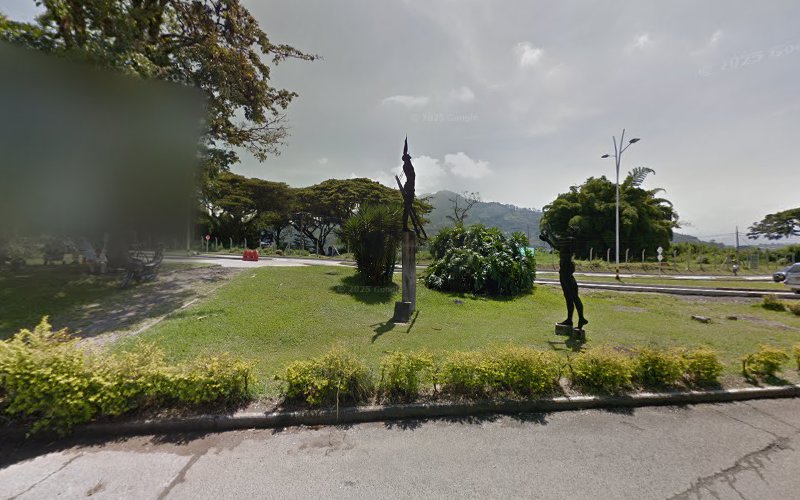
Escultura La Ofrenda

Plica

Parque de La Avioneta
Find Accommodations Nearby
Recommended Tours & Activities
Visitor Reviews
There are no reviews yet. Be the first one to write one.
Share Your Experience
Have you visited The pastora (regional park, natural Ucumari)? Help other travelers by leaving a review.