About The Jacques Marchais Museum of Tibetan Art

Description

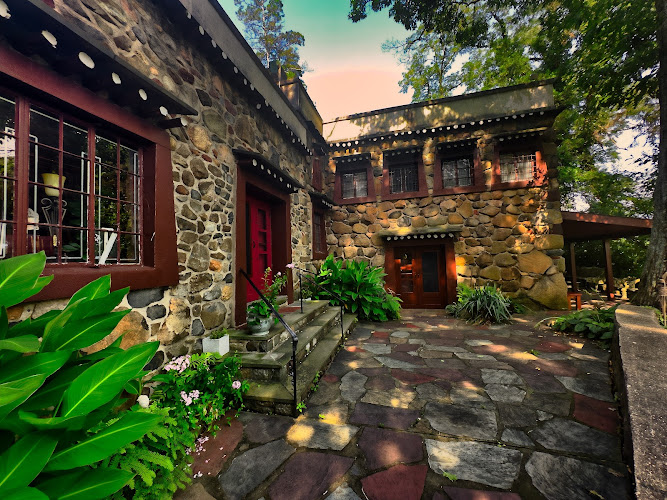
The Jacques Marchais Museum of Tibetan Art stands as one of the most unexpected cultural treasures you'll find in New York City. Built to resemble a hillside Tibetan monastery, this museum sits on Staten Island and houses one of the most comprehensive collections of Tibetan Buddhist art outside of Asia. The museum was the brainchild of Jacqueline Klauber, who adopted the name Jacques Marchais for her art dealing business in the 1920s—a time when being taken seriously as a female dealer in Asian art was nearly impossible. What makes this place genuinely remarkable is how it transports visitors completely out of New York's urban landscape. The architecture itself tells a story, designed to mirror the monastic structures found in the Himalayas. When you visit, you're not just looking at art behind glass—you're experiencing a carefully curated environment that reflects Tibetan spiritual and cultural traditions spanning five centuries. The collection features artifacts from the 15th through 20th centuries, including bronze sculptures, thangka paintings, ritual objects, and everyday items that offer insight into Tibetan Buddhist life and practice. And honestly, even if you're not particularly interested in Buddhist art going in, something about the peaceful atmosphere and the care put into presenting these works tends to draw people in. The museum manages to be both educational and meditative, which isn't an easy balance to strike. Beyond the main building, the grounds include terraced gardens that were designed with traditional Tibetan landscaping principles in mind. During warmer months, these gardens become almost as much of an attraction as the indoor exhibits themselves.

Key Features

The Jacques Marchais Museum offers several distinctive elements that set it apart from typical art museums:
  • Authentic architectural replica of a Tibetan gompa (monastery) that creates an immersive cultural experience from the moment you arrive
  • Extensive collection of bronze Buddha figures and bodhisattvas representing different schools of Tibetan Buddhism and various time periods
  • Rare thangka paintings that showcase the intricate traditional art form used for teaching and meditation purposes
  • Ritual objects including prayer wheels, bells, dorjes, and ceremonial items that provide context for Tibetan religious practices
  • Traditional Tibetan gardens featuring stone pathways, lotus ponds, and carefully selected plantings that reflect Buddhist symbolism
  • Small but thoughtful gift shop where visitors can purchase books on Tibetan culture, reproduction art, and authentic crafts
  • Guided tours that help contextualize the artifacts and explain their significance within Tibetan Buddhist tradition
  • Gender-neutral restroom facilities and Wi-Fi access for modern visitor convenience
  • Family-friendly atmosphere that welcomes visitors of all ages and backgrounds
  • Inclusive environment that's recognized as LGBTQ+ friendly and a transgender safe space
  • Seasonal cultural events and programs that bring additional dimension to understanding Tibetan traditions

Best Time to Visit

Timing your visit to the Jacques Marchais Museum can significantly impact your experience. The museum operates on a seasonal schedule, typically opening from April through November, though it's worth checking their current hours before you plan your trip since they can vary. Late spring through early fall offers the best overall experience because the gardens are accessible and in bloom. There's something special about walking through those terraced gardens in May or June when everything's coming to life. The outdoor spaces really complete the experience, and you'd be missing out if you only saw the indoor collection. Summer weekdays tend to be quieter than weekends, which means you'll have more space to contemplate the artworks without crowds. But honestly, this isn't the Metropolitan Museum—even on busier days, the Jacques Marchais rarely feels packed. That's part of its charm. If you're visiting in autumn, particularly October, the combination of fall foliage surrounding the property and the museum's Himalayan aesthetic creates this unique visual experience. The Staten Island hillside takes on colors that somehow complement the monastery-style architecture beautifully. Weather matters here more than at many museums because of those gardens and the outdoor elements. A clear, mild day lets you fully appreciate the grounds and the views. Rain won't ruin your visit—the indoor collection is substantial—but you'll be missing half the experience. Avoid visiting during the winter closure period, which typically runs from December through March. The museum simply isn't open, and there's not much to see from outside the gates. For those who prefer a more intimate experience with potentially more interaction with staff and docents, visiting during the shoulder seasons—early May or late October—often provides the sweet spot between good weather and minimal crowds.

How to Get There

Getting to the Jacques Marchais Museum requires a bit more effort than reaching most New York City attractions, but that relative remoteness is part of what keeps it feeling special and uncrowded. If you're driving, the museum is located in the Lighthouse Hill neighborhood of Staten Island. From Manhattan, you'd take the Staten Island Ferry (which is free and offers great views, so that's a bonus), then drive or take transit from the ferry terminal. Parking is available on-site, though the parking lot isn't wheelchair accessible—something to keep in mind if mobility is a concern. For those relying on public transportation, take the Staten Island Ferry to St. George Terminal, then catch the S74 bus toward Richmond Avenue. You'll need to get off at Lighthouse Avenue and walk uphill for about 10 minutes. Fair warning: it's actually uphill, not just a figure of speech. Wear comfortable shoes. Many visitors combine the museum visit with other Staten Island attractions to make the journey worthwhile. The Staten Island Zoo isn't far away, and Historic Richmond Town offers more cultural exploration if you're making a day of it. Rideshare services like Uber and Lyft operate on Staten Island, and depending on where you're coming from and how many people are in your group, they might be more convenient than navigating the bus system. From the ferry terminal, expect about a 15-minute drive to the museum. The trip from Manhattan takes planning—you're looking at roughly an hour each way when you factor in the ferry and ground transportation. But that journey is part of what makes visiting feel like a genuine escape from the city rather than just another museum stop.

Tips for Visiting

Making the most of your visit to the Jacques Marchais Museum involves understanding what kind of place you're visiting and preparing accordingly. First, check the admission fees before you go and bring cash or card. There is an admission charge, which helps maintain this independently operated museum. The cost is reasonable for what you're getting, and it directly supports preservation of the collection. Take advantage of the guided tours if they're available during your visit. The docents here really know their stuff, and Tibetan Buddhist art involves symbolism and context that isn't immediately obvious to most Western visitors. I've found that what might look like similar bronze figures actually represent completely different bodhisattvas with distinct meanings and purposes when someone explains the iconography. Wear layers because temperature can vary between the indoor galleries and outdoor garden areas, especially during spring and fall. And those comfortable shoes I mentioned earlier? Really important. The hillside location means stairs and inclines both getting to the museum and moving around the grounds. Photography policies can vary, so ask staff when you arrive. Many museums restrict flash photography to protect delicate artworks, and this is particularly important for thangka paintings which are created on fabric and vulnerable to light damage. The museum is family-friendly, but it's not really set up like a children's museum with interactive exhibits. If you're bringing kids, preparing them for a quieter, more contemplative environment will help everyone enjoy the visit. That said, many children find the Buddha statues and ritual objects genuinely interesting—the prayer wheels especially tend to capture their attention. Budget time for the gift shop, which stocks quality books on Tibetan Buddhism, culture, and art that you won't find in most bookstores. They also carry fairly-traded items and reproduction artworks that make meaningful souvenirs. The museum offers restroom facilities including gender-neutral options, so accessibility in that regard is covered. However, if you have mobility concerns, be aware that the historic building and hillside location present some challenges despite best efforts toward accessibility. Plan for at least 90 minutes to two hours for a thorough visit. You could rush through in less time, but that defeats the purpose. This isn't a place to check off a list—it's a place to slow down and actually absorb what you're seeing. Visiting during one of the museum's special events or cultural programs, if timing works out, adds another dimension to the experience. They occasionally host lectures, performances, or seasonal celebrations that bring the Tibetan cultural context to life in ways static exhibits can't. Finally, take time to simply sit in the gardens if weather permits. There are spots designed for contemplation, and after walking through galleries of Buddhist art, spending a few minutes in that peaceful outdoor space feels like the natural completion of the visit. The museum created this environment intentionally, and rushing through misses the point of what they've built here.

Key Features

  • Extensive collection of Tibetan and Himalayan ritual objects and art
  • Monastery-like architecture and atmospheric gardens on Lighthouse Hill
  • Intimate shrine rooms and authentic ritual displays
  • Historic founder story and early mid-20th-century Himalayan collecting
  • Quiet, reflective visitor experience away from Manhattan crowds

More Details

Updated March 30, 2026

Description

The Jacques Marchais Museum of Tibetan Art stands as one of the most unexpected cultural treasures you’ll find in New York City. Built to resemble a hillside Tibetan monastery, this museum sits on Staten Island and houses one of the most comprehensive collections of Tibetan Buddhist art outside of Asia. The museum was the brainchild of Jacqueline Klauber, who adopted the name Jacques Marchais for her art dealing business in the 1920s—a time when being taken seriously as a female dealer in Asian art was nearly impossible.

What makes this place genuinely remarkable is how it transports visitors completely out of New York’s urban landscape. The architecture itself tells a story, designed to mirror the monastic structures found in the Himalayas. When you visit, you’re not just looking at art behind glass—you’re experiencing a carefully curated environment that reflects Tibetan spiritual and cultural traditions spanning five centuries.

The collection features artifacts from the 15th through 20th centuries, including bronze sculptures, thangka paintings, ritual objects, and everyday items that offer insight into Tibetan Buddhist life and practice. And honestly, even if you’re not particularly interested in Buddhist art going in, something about the peaceful atmosphere and the care put into presenting these works tends to draw people in. The museum manages to be both educational and meditative, which isn’t an easy balance to strike.

Beyond the main building, the grounds include terraced gardens that were designed with traditional Tibetan landscaping principles in mind. During warmer months, these gardens become almost as much of an attraction as the indoor exhibits themselves.

Key Features

The Jacques Marchais Museum offers several distinctive elements that set it apart from typical art museums:

  • Authentic architectural replica of a Tibetan gompa (monastery) that creates an immersive cultural experience from the moment you arrive
  • Extensive collection of bronze Buddha figures and bodhisattvas representing different schools of Tibetan Buddhism and various time periods
  • Rare thangka paintings that showcase the intricate traditional art form used for teaching and meditation purposes
  • Ritual objects including prayer wheels, bells, dorjes, and ceremonial items that provide context for Tibetan religious practices
  • Traditional Tibetan gardens featuring stone pathways, lotus ponds, and carefully selected plantings that reflect Buddhist symbolism
  • Small but thoughtful gift shop where visitors can purchase books on Tibetan culture, reproduction art, and authentic crafts
  • Guided tours that help contextualize the artifacts and explain their significance within Tibetan Buddhist tradition
  • Gender-neutral restroom facilities and Wi-Fi access for modern visitor convenience
  • Family-friendly atmosphere that welcomes visitors of all ages and backgrounds
  • Inclusive environment that’s recognized as LGBTQ+ friendly and a transgender safe space
  • Seasonal cultural events and programs that bring additional dimension to understanding Tibetan traditions

Best Time to Visit

Timing your visit to the Jacques Marchais Museum can significantly impact your experience. The museum operates on a seasonal schedule, typically opening from April through November, though it’s worth checking their current hours before you plan your trip since they can vary.

Late spring through early fall offers the best overall experience because the gardens are accessible and in bloom. There’s something special about walking through those terraced gardens in May or June when everything’s coming to life. The outdoor spaces really complete the experience, and you’d be missing out if you only saw the indoor collection.

Summer weekdays tend to be quieter than weekends, which means you’ll have more space to contemplate the artworks without crowds. But honestly, this isn’t the Metropolitan Museum—even on busier days, the Jacques Marchais rarely feels packed. That’s part of its charm.

If you’re visiting in autumn, particularly October, the combination of fall foliage surrounding the property and the museum’s Himalayan aesthetic creates this unique visual experience. The Staten Island hillside takes on colors that somehow complement the monastery-style architecture beautifully.

Weather matters here more than at many museums because of those gardens and the outdoor elements. A clear, mild day lets you fully appreciate the grounds and the views. Rain won’t ruin your visit—the indoor collection is substantial—but you’ll be missing half the experience.

Avoid visiting during the winter closure period, which typically runs from December through March. The museum simply isn’t open, and there’s not much to see from outside the gates.

For those who prefer a more intimate experience with potentially more interaction with staff and docents, visiting during the shoulder seasons—early May or late October—often provides the sweet spot between good weather and minimal crowds.

How to Get There

Getting to the Jacques Marchais Museum requires a bit more effort than reaching most New York City attractions, but that relative remoteness is part of what keeps it feeling special and uncrowded.

If you’re driving, the museum is located in the Lighthouse Hill neighborhood of Staten Island. From Manhattan, you’d take the Staten Island Ferry (which is free and offers great views, so that’s a bonus), then drive or take transit from the ferry terminal. Parking is available on-site, though the parking lot isn’t wheelchair accessible—something to keep in mind if mobility is a concern.

For those relying on public transportation, take the Staten Island Ferry to St. George Terminal, then catch the S74 bus toward Richmond Avenue. You’ll need to get off at Lighthouse Avenue and walk uphill for about 10 minutes. Fair warning: it’s actually uphill, not just a figure of speech. Wear comfortable shoes.

Many visitors combine the museum visit with other Staten Island attractions to make the journey worthwhile. The Staten Island Zoo isn’t far away, and Historic Richmond Town offers more cultural exploration if you’re making a day of it.

Rideshare services like Uber and Lyft operate on Staten Island, and depending on where you’re coming from and how many people are in your group, they might be more convenient than navigating the bus system. From the ferry terminal, expect about a 15-minute drive to the museum.

The trip from Manhattan takes planning—you’re looking at roughly an hour each way when you factor in the ferry and ground transportation. But that journey is part of what makes visiting feel like a genuine escape from the city rather than just another museum stop.

Tips for Visiting

Making the most of your visit to the Jacques Marchais Museum involves understanding what kind of place you’re visiting and preparing accordingly.

First, check the admission fees before you go and bring cash or card. There is an admission charge, which helps maintain this independently operated museum. The cost is reasonable for what you’re getting, and it directly supports preservation of the collection.

Take advantage of the guided tours if they’re available during your visit. The docents here really know their stuff, and Tibetan Buddhist art involves symbolism and context that isn’t immediately obvious to most Western visitors. I’ve found that what might look like similar bronze figures actually represent completely different bodhisattvas with distinct meanings and purposes when someone explains the iconography.

Wear layers because temperature can vary between the indoor galleries and outdoor garden areas, especially during spring and fall. And those comfortable shoes I mentioned earlier? Really important. The hillside location means stairs and inclines both getting to the museum and moving around the grounds.

Photography policies can vary, so ask staff when you arrive. Many museums restrict flash photography to protect delicate artworks, and this is particularly important for thangka paintings which are created on fabric and vulnerable to light damage.

The museum is family-friendly, but it’s not really set up like a children’s museum with interactive exhibits. If you’re bringing kids, preparing them for a quieter, more contemplative environment will help everyone enjoy the visit. That said, many children find the Buddha statues and ritual objects genuinely interesting—the prayer wheels especially tend to capture their attention.

Budget time for the gift shop, which stocks quality books on Tibetan Buddhism, culture, and art that you won’t find in most bookstores. They also carry fairly-traded items and reproduction artworks that make meaningful souvenirs.

The museum offers restroom facilities including gender-neutral options, so accessibility in that regard is covered. However, if you have mobility concerns, be aware that the historic building and hillside location present some challenges despite best efforts toward accessibility.

Plan for at least 90 minutes to two hours for a thorough visit. You could rush through in less time, but that defeats the purpose. This isn’t a place to check off a list—it’s a place to slow down and actually absorb what you’re seeing.

Visiting during one of the museum’s special events or cultural programs, if timing works out, adds another dimension to the experience. They occasionally host lectures, performances, or seasonal celebrations that bring the Tibetan cultural context to life in ways static exhibits can’t.

Finally, take time to simply sit in the gardens if weather permits. There are spots designed for contemplation, and after walking through galleries of Buddhist art, spending a few minutes in that peaceful outdoor space feels like the natural completion of the visit. The museum created this environment intentionally, and rushing through misses the point of what they’ve built here.

Key Highlights

  • Extensive collection of Tibetan and Himalayan ritual objects and art
  • Monastery-like architecture and atmospheric gardens on Lighthouse Hill
  • Intimate shrine rooms and authentic ritual displays
  • Historic founder story and early mid-20th-century Himalayan collecting
  • Quiet, reflective visitor experience away from Manhattan crowds

Location

Places to Stay Near The Jacques Marchais Museum of Tibetan Art

Find and Book a Tour

Explore More Travel Guides

No reviews found! Be the first to review!

The Jacques Marchais Museum of Tibetan Art is a prominent museums located in Staten Island.

Traveler Reviews for The Jacques Marchais Museum of Tibetan Art

There are no reviews yet. Be the first one to write one.

Share Your Experience

Have you visited The Jacques Marchais Museum of Tibetan Art? Help other travelers by sharing your review.

Nearby Attractions

Staten Island Greenbelt / walking trails Snug Harbor Cultural Center & Botanical Garden Historic Richmond Town

Find Accommodations Nearby

Recommended Tours & Activities

Visitor Reviews

There are no reviews yet. Be the first one to write one.

Share Your Experience

Have you visited The Jacques Marchais Museum of Tibetan Art? Help other travelers by leaving a review.