Description
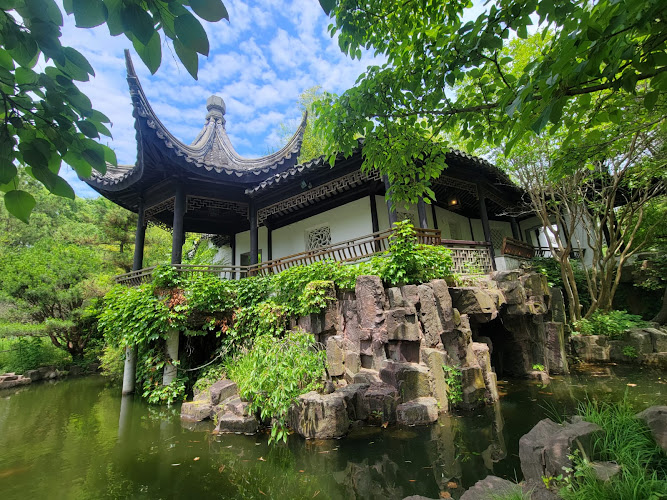
The New York Chinese Scholar’s Garden sits within Snug Harbor Cultural Center on Staten Island, and honestly, it’s one of those places that catches you completely off guard. When you first walk through those gates, you’re transported somewhere that feels nothing like New York City – and I mean that in the best way possible. Built by artisans from Suzhou, China (the birthplace of classical Chinese gardens), this one-acre sanctuary recreates the traditional gardens that Ming Dynasty scholars would have used for contemplation and artistic inspiration back in the day.
What makes this place special isn’t just its beauty – though trust me, it’s stunning – but the fact that it’s an authentic representation of Jiangnan garden design. Every element here has meaning, from the placement of rocks to the curve of the pathways. The garden opened in 1999 after years of planning and construction, with craftspeople actually coming from China to ensure everything was done according to traditional methods. They didn’t use power tools for much of it, which is kind of mind-blowing when you see the intricate woodwork and stonework throughout.
The garden follows principles that are about 2,000 years old, designed to create harmony between humans and nature. You’ll find pavilions with names like “Knowing the Fish Pavilion” and “In Harmony with the Moon Teahouse” – each positioned to frame specific views or capture particular qualities of light. The whole layout encourages slow wandering and contemplation, which is refreshing in our usual rush-around world.
And here’s something most people don’t realize – this garden changes dramatically with the seasons. Unlike many botanical gardens that focus on spring blooms, a scholar’s garden is meant to be appreciated year-round, with winter’s stark beauty considered just as important as summer’s greenery.
Key Features
Walking through the Chinese Scholar’s Garden reveals layers of detail that reward multiple visits. Here’s what you’ll encounter:
- Authentic Suzhou Architecture: Eight pavilions connected by covered walkways called “ting,” all constructed using traditional joinery techniques without nails in many places. The craftsmanship is remarkable when you look closely at the wooden brackets and beam work.
- Koi Pond and Waterways: The central pond holds dozens of koi fish that come in various colors, and watching them glide through the water has this unexpectedly calming effect. The water features aren’t just decorative – they’re designed to create reflections that double the visual impact of the garden.
- Scholar Rocks (Gongshi): These aren’t your average garden stones. Scholar rocks are prized for their unusual shapes, often with holes and crevices that create interesting shadows. The Chinese have been collecting these for centuries, and the garden displays several impressive specimens that were specifically chosen for their aesthetic qualities.
- Bamboo Groves: Several varieties of bamboo provide movement and sound throughout the garden. There’s something about bamboo rustling in the wind that just works, you know?
- Moon Gate and Lattice Windows: These circular doorways and decorative windows frame views like living paintings. The designers positioned them so you’re constantly seeing composed scenes as you move through the space.
- Traditional Chinese Plants: Beyond the obvious lotus flowers in summer, you’ll find peonies, chrysanthemums, pine trees, and other plants that carry symbolic meaning in Chinese culture. Each plant was chosen for both its appearance and what it represents.
- Calligraphy and Poetry: Inscriptions throughout the garden feature classical Chinese poetry and calligraphy, adding layers of meaning for those who can read them (and intrigue for those who can’t).
- Courtyard Spaces: Multiple small courtyards create intimate areas within the larger garden, each with its own character and purpose.
Best Time to Visit
Here’s where I’ll give you the honest breakdown, because the “best” time really depends on what you’re after.
Spring (April through early June) brings the garden to life with flowering trees and fresh green growth. The lotus plants start showing up in late spring, and everything feels renewed. This is also when you’ll encounter the most visitors, particularly on weekends. But the crowds are manageable – nothing like what you’d see at the Brooklyn Botanic Garden during cherry blossom season.
Summer (late June through August) showcases the lotus blooms, which are absolutely worth seeing if you time it right. The garden can get warm since it’s somewhat enclosed, but the shade from the pavilions and trees provides relief. Pro tip: summer mornings before 11am offer cooler temperatures and better light for photography. The garden takes on this lush, full quality in summer that really emphasizes the green elements against the architectural features.
Fall (September through November) might actually be my favorite time to visit. The crowds thin out after Labor Day, but the weather stays pleasant through October. The garden’s design emphasizes autumn appreciation, with maple trees and other plants chosen specifically for their fall color. There’s this melancholy beauty to the season that fits perfectly with the contemplative nature of scholar gardens.
Winter (December through March) is when most people skip visiting, which is a mistake. The garden was designed to be appreciated in winter – bare branches against white snow, the architecture standing out more prominently, evergreens providing contrast. If you visit after a fresh snowfall, you’ll basically have the place to yourself, and it’s magical. Just dress warmly because those pavilions don’t have heating.
Time of day matters too. Early morning visits (the garden opens at 10am most days, so get there right when they unlock the gates) mean fewer people and softer light. Late afternoon, especially in summer and fall, provides beautiful golden hour lighting that makes the whole garden glow.
Avoid major holidays and summer weekends if you’re seeking tranquility, though the garden rarely feels oppressively crowded even on busy days due to its layout.
How to Get There
Getting to Snug Harbor and the Chinese Scholar’s Garden requires a bit more effort than reaching Manhattan attractions, but it’s totally doable and kind of worth it for the adventure.
By ferry and bus, which is honestly the most pleasant route: Take the Staten Island Ferry from Manhattan (it’s free, which never gets old). The ferry ride itself gives you great views of the Statue of Liberty and the harbor. Once you arrive at the St. George Terminal in Staten Island, grab the S40 bus heading west. You’ll ride for about 20-25 minutes, getting off at the Snug Harbor stop. The bus drops you pretty much right at the entrance. The entire journey from Manhattan takes roughly an hour, give or take.
By car from Manhattan, you’re looking at the Staten Island Expressway (I-278) to the Clove Road exit. Head north on Clove Road, then turn left onto Richmond Terrace. Snug Harbor has a free parking lot, which is a huge plus considering parking hassles at most NYC attractions. The drive takes 30-45 minutes depending on traffic, and yes, you’ll pay the Verrazzano Bridge toll if you’re coming from Brooklyn.
From Brooklyn, driving via the Verrazzano-Narrows Bridge is your best bet. From Queens, you can drive through Brooklyn or take public transit to the ferry.
Rideshare services like Uber and Lyft work fine, though the fare from Manhattan will run you $40-60 depending on traffic and surge pricing. If you’re splitting it with friends, it’s not terrible.
One thing to know – Staten Island doesn’t have subway service, so you’re working with buses once you get there. The S40 bus runs frequently during the day (every 15-20 minutes), less so in evenings and weekends, so check the schedule if you’re planning a late afternoon visit.
Tips for Visiting
Let me share some things I wish someone had told me before my first visit.
Admission to the Chinese Scholar’s Garden is separate from general Snug Harbor grounds access. The garden charges a modest fee (usually around $6 for adults, less for seniors and students, free for kids under 6), but it’s worth every penny. They accept credit cards, debit cards, and mobile payments, so don’t worry about carrying cash.
The garden is relatively small – you can walk through it in 15 minutes if you rush, but that defeats the entire purpose. Budget at least an hour, ideally longer. Bring a book or a journal and park yourself in one of the pavilions. The garden is designed for lingering, not power-walking.
Wheelchair accessibility is excellent throughout the garden with ramps and paved pathways. The restrooms are also wheelchair accessible, which isn’t always a given at historic gardens.
Photography is allowed and encouraged, but tripods might be restricted during busy times. The lattice windows and moon gates create natural frames for photos – use them. Early morning and late afternoon provide the best natural light.
Wear comfortable walking shoes, though you’re not covering huge distances. The pathways are mostly paved, but there are some uneven surfaces around the rock features.
The garden hosts special events throughout the year – moonviewing parties in fall, lantern festivals, tea ceremonies, and cultural demonstrations. Check their calendar before visiting because experiencing one of these events adds a whole other dimension to your visit.
If you’re bringing kids, this works surprisingly well. The koi pond keeps children entertained, and there’s something about the moon gates and winding paths that appeals to young imaginations. That said, it’s not a playground – set expectations accordingly.
Consider combining your visit with exploration of the wider Snug Harbor Cultural Center. The grounds include art galleries, a maritime collection, and other gardens. You could easily spend half a day here.
Don’t skip the small details. Look up at the eaves of the pavilions to see the decorative paintings. Notice how the paving patterns change in different areas. Read the plaques explaining the symbolism of various elements. The garden rewards attention.
Visit during weekdays if your schedule allows. Weekends bring families and tour groups, which isn’t bad but changes the atmosphere.
The teahouse occasionally serves authentic Chinese tea, which pairs perfectly with the garden setting. If it’s open during your visit, take advantage – sitting with tea while looking out at the garden is pretty much the intended scholar’s garden experience.
Bring layers regardless of season. The covered walkways provide shade in summer and wind protection in winter, but temperatures can vary as you move between sun and shade.
The Chinese Scholar’s Garden represents something rare in American cultural institutions – complete authenticity combined with accessibility. It’s not a replica or an interpretation; it’s a genuine example of a garden tradition that goes back millennia, constructed by masters of that tradition, now available to anyone who takes the trip to Staten Island. Whether you’re seeking aesthetic beauty, cultural education, or just a quiet place to think, this garden delivers in ways that few tourist attractions can match.