Freshkills Park
About Freshkills Park
Description
Freshkills Park represents one of the most remarkable transformation stories in modern urban planning. This massive green space sprawls across Staten Island, occupying what was once the world's largest landfill. And honestly, when you first learn about its history, the concept seems almost unbelievable - turning a site that received garbage for over fifty years into an expansive park that's nearly three times the size of Central Park. The transformation began in 2001, and the park has been opening in phases ever since. What makes this place genuinely fascinating is that you're literally walking on layers of New York City's history, all carefully capped and transformed into rolling meadows, waterways, and wildlife habitats. The methane from decomposing waste below gets captured and converted into energy, which is pretty incredible when you think about it. I remember the first time I heard about Freshkills - I thought someone was pulling my leg. A park on a landfill? But the reality is far more inspiring than skeptical. The site has become a testament to environmental recovery and sustainable design, showing what's possible when we commit to healing landscapes we've damaged. You'll find yourself hiking across hills that offer panoramic views of the Manhattan skyline, the Statue of Liberty, and the surrounding wetlands, all while standing on what used to be mountains of trash. The park isn't your typical manicured urban green space either. It's got this wild, almost prairie-like quality in many areas, with native grasses swaying in the breeze and birds you wouldn't expect to see so close to one of America's largest cities. The ecological restoration work happening here has attracted over 200 species of birds, making it a surprisingly good spot for birdwatching.Key Features
Freshkills Park offers visitors a unique blend of recreational opportunities and educational experiences that you won't find anywhere else:- Over 2,200 acres of parkland, making it one of the largest parks in New York City when fully complete
- Multiple hiking trails that wind through diverse landscapes including grasslands, wetlands, and waterways
- Wheelchair accessible trails and entrance points, ensuring the park welcomes visitors of all abilities
- Spectacular overlook points providing 360-degree views of the city skyline and surrounding natural areas
- Kayaking and canoeing opportunities along the park's waterways during scheduled programs
- Special public events throughout the year, including guided nature walks, bird watching tours, and educational programs
- Mountain biking trails for cycling enthusiasts looking for off-road adventures
- Restored tidal wetlands that serve as critical habitat for marine life and migratory birds
- Public art installations that interpret the site's transformation and environmental themes
- Educational programs focused on sustainability, ecology, and urban renewal
- Photography opportunities that are honestly some of the most unique in the city
Best Time to Visit
The park operates on a limited access schedule since it's still under development, which means timing your visit requires a bit of planning. But that's actually part of what makes visiting feel special - you're getting access to a work-in-progress that won't be fully complete until around 2036. Spring and fall are absolutely the sweet spots for visiting Freshkills. During April and May, the park comes alive with wildflowers and migrating birds making their way north. The temperatures are comfortable for hiking, usually ranging from the mid-50s to low 70s, and you won't be battling the summer humidity that can make outdoor activities feel like a chore. Fall, particularly October, offers stunning displays as the grasses turn golden and amber. The light during this season is perfect for photography, with that crisp quality that makes everything look like it belongs in a nature documentary. Plus, the cooler temperatures mean you can hike longer without feeling wiped out. Summer visits are possible, but you'll want to plan for early morning or late afternoon excursions. The exposed nature of the landscape means there's not always tons of shade, and those July and August temperatures can climb into the 80s and 90s with pretty intense humidity. Bring more water than you think you'll need. Winter has its own appeal for hardy visitors. The stark landscape takes on an almost otherworldly quality, and you'll likely have the trails mostly to yourself. Bird watching can actually be quite good in winter months as the lack of foliage makes spotting easier. Here's the thing though - the park hosts most of its public access days and special events between May and October. You'll need to check their scheduled programming since the park isn't open for casual drop-in visits every day like most city parks. This limited access helps protect ongoing restoration work and ensures visitor safety on a site that's still actively being developed.How to Get There
Getting to Freshkills Park requires a bit more effort than your average New York City attraction, which honestly helps keep it from getting overcrowded. The park doesn't have a single main entrance - access points vary depending on which program or event you're attending. If you're driving, Staten Island is accessible via several bridges. From Manhattan, you can take the Staten Island Ferry (which is free and offers great views) and then drive or take a taxi from the St. George Terminal. Most events provide specific directions to parking areas, which change based on which section of the park is being accessed that day. Public transportation is a bit trickier since the park's location isn't served directly by subway lines. From the Staten Island Ferry terminal, you'll typically need to catch a bus. The S74 and S84 buses serve areas near the park, but you'll want to confirm the closest stop for your specific event or program. Many regular visitors find that driving is the most practical option, especially since public transit connections can eat up a lot of time. Parking is usually available at designated areas for scheduled events and programs. For those coming from New Jersey, the Goethals Bridge or Outerbridge Crossing provide direct access to Staten Island. The park's western sections are actually relatively close to these entry points. One tip I'd share - factor in extra travel time for your first visit. The park's size and multiple access points can be confusing initially, and cell service isn't always reliable once you're on site for navigation help.Tips for Visiting
First and foremost, understand that Freshkills isn't like walking into Central Park or Prospect Park. You absolutely need to register in advance for public access days and programs. The park doesn't operate as a traditional open-access park yet, so showing up without prior arrangements means you won't get in. Dress for actual hiking, not a casual stroll. The terrain includes hills, uneven surfaces, and trails that can be muddy after rain. I've seen people show up in sandals and regret it pretty quickly. Good walking shoes or hiking boots are essential, and layers are your friend since weather conditions can change and there's limited shelter. Bring your own water and snacks. There aren't vendors or facilities selling refreshments, and depending on which program you're attending, you might be out on the trails for several hours. Pack more water than seems necessary - the exposed landscape and physical activity combine to make you thirstier than expected. Bathrooms are limited and typically portable facilities, so plan accordingly. This isn't a criticism, just reality of visiting a park still under development. If you're into photography or birdwatching, bring appropriate equipment. The bird diversity here is remarkable, and the landscape views offer photo opportunities you simply can't get elsewhere in New York City. Binoculars are worth carrying if you have them. Bug spray during warmer months isn't optional - it's mandatory. The wetlands and grasslands create perfect breeding grounds for mosquitoes and other insects. Don't skip this unless you enjoy being eaten alive. Check the weather forecast before your visit and have a backup plan. Many programs proceed rain or shine, but severe weather can lead to cancellations. The open landscape means you're exposed to whatever nature throws at you. Kids are definitely welcome, and the park actually works well for families. The trails vary in difficulty, so even younger children can participate in many programs. That said, bring entertainment for car rides since getting there takes time, and prepare kids for actual nature hiking rather than playground equipment. Consider joining a guided program for your first visit rather than just attending an open access day. The guides provide context that makes the experience far richer, explaining the transformation process, pointing out wildlife, and sharing stories that bring the landscape to life. Finally, approach your visit with an open mind. This isn't a polished, finished park with manicured lawns and obvious attractions. It's raw, it's evolving, and it asks visitors to use their imagination a bit. But that's exactly what makes Freshkills special - you're witnessing and participating in one of the most ambitious environmental recovery projects ever attempted in an urban setting. The park represents hope, honestly. Hope that we can fix our mistakes, that nature is more resilient than we sometimes think, and that creative vision can transform even the most unlikely spaces into something beautiful and meaningful.Key Features
- Extensive multi-use trails and biking routes across rolling engineered hills
- Panoramic viewpoints with Manhattan skyline vistas
- Restored wetlands, grasslands, and native habitat for birdwatching
- Interpretive signage and educational programs about landfill reclamation
- Large-scale landscape architecture and public art integrated with ecology
More Details
Updated March 30, 2026
Table of Contents
Description
Freshkills Park represents one of the most remarkable transformation stories in modern urban planning. This massive green space sprawls across Staten Island, occupying what was once the world’s largest landfill. And honestly, when you first learn about its history, the concept seems almost unbelievable – turning a site that received garbage for over fifty years into an expansive park that’s nearly three times the size of Central Park.
The transformation began in 2001, and the park has been opening in phases ever since. What makes this place genuinely fascinating is that you’re literally walking on layers of New York City’s history, all carefully capped and transformed into rolling meadows, waterways, and wildlife habitats. The methane from decomposing waste below gets captured and converted into energy, which is pretty incredible when you think about it.
I remember the first time I heard about Freshkills – I thought someone was pulling my leg. A park on a landfill? But the reality is far more inspiring than skeptical. The site has become a testament to environmental recovery and sustainable design, showing what’s possible when we commit to healing landscapes we’ve damaged. You’ll find yourself hiking across hills that offer panoramic views of the Manhattan skyline, the Statue of Liberty, and the surrounding wetlands, all while standing on what used to be mountains of trash.
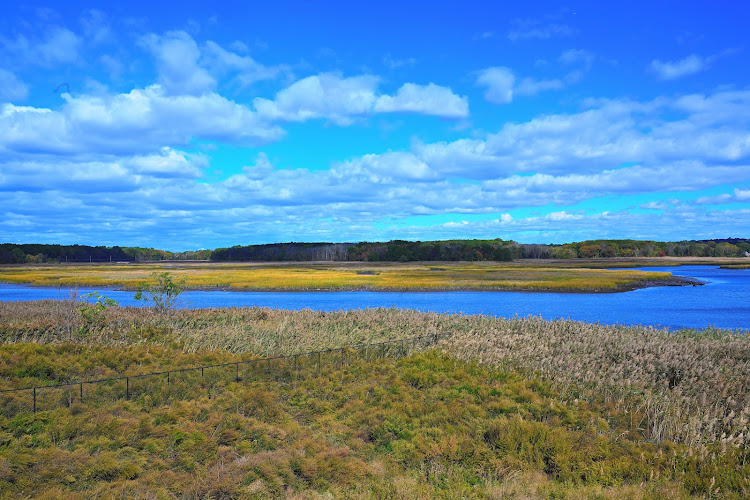
The park isn’t your typical manicured urban green space either. It’s got this wild, almost prairie-like quality in many areas, with native grasses swaying in the breeze and birds you wouldn’t expect to see so close to one of America’s largest cities. The ecological restoration work happening here has attracted over 200 species of birds, making it a surprisingly good spot for birdwatching.
Key Features
Freshkills Park offers visitors a unique blend of recreational opportunities and educational experiences that you won’t find anywhere else:
- Over 2,200 acres of parkland, making it one of the largest parks in New York City when fully complete
- Multiple hiking trails that wind through diverse landscapes including grasslands, wetlands, and waterways
- Wheelchair accessible trails and entrance points, ensuring the park welcomes visitors of all abilities
- Spectacular overlook points providing 360-degree views of the city skyline and surrounding natural areas
- Kayaking and canoeing opportunities along the park’s waterways during scheduled programs
- Special public events throughout the year, including guided nature walks, bird watching tours, and educational programs
- Mountain biking trails for cycling enthusiasts looking for off-road adventures
- Restored tidal wetlands that serve as critical habitat for marine life and migratory birds
- Public art installations that interpret the site’s transformation and environmental themes
- Educational programs focused on sustainability, ecology, and urban renewal
- Photography opportunities that are honestly some of the most unique in the city
Best Time to Visit
The park operates on a limited access schedule since it’s still under development, which means timing your visit requires a bit of planning. But that’s actually part of what makes visiting feel special – you’re getting access to a work-in-progress that won’t be fully complete until around 2036.
Spring and fall are absolutely the sweet spots for visiting Freshkills. During April and May, the park comes alive with wildflowers and migrating birds making their way north. The temperatures are comfortable for hiking, usually ranging from the mid-50s to low 70s, and you won’t be battling the summer humidity that can make outdoor activities feel like a chore.
Fall, particularly October, offers stunning displays as the grasses turn golden and amber. The light during this season is perfect for photography, with that crisp quality that makes everything look like it belongs in a nature documentary. Plus, the cooler temperatures mean you can hike longer without feeling wiped out.
Summer visits are possible, but you’ll want to plan for early morning or late afternoon excursions. The exposed nature of the landscape means there’s not always tons of shade, and those July and August temperatures can climb into the 80s and 90s with pretty intense humidity. Bring more water than you think you’ll need.
Winter has its own appeal for hardy visitors. The stark landscape takes on an almost otherworldly quality, and you’ll likely have the trails mostly to yourself. Bird watching can actually be quite good in winter months as the lack of foliage makes spotting easier.
Here’s the thing though – the park hosts most of its public access days and special events between May and October. You’ll need to check their scheduled programming since the park isn’t open for casual drop-in visits every day like most city parks. This limited access helps protect ongoing restoration work and ensures visitor safety on a site that’s still actively being developed.
How to Get There
Getting to Freshkills Park requires a bit more effort than your average New York City attraction, which honestly helps keep it from getting overcrowded. The park doesn’t have a single main entrance – access points vary depending on which program or event you’re attending.
If you’re driving, Staten Island is accessible via several bridges. From Manhattan, you can take the Staten Island Ferry (which is free and offers great views) and then drive or take a taxi from the St. George Terminal. Most events provide specific directions to parking areas, which change based on which section of the park is being accessed that day.
Public transportation is a bit trickier since the park’s location isn’t served directly by subway lines. From the Staten Island Ferry terminal, you’ll typically need to catch a bus. The S74 and S84 buses serve areas near the park, but you’ll want to confirm the closest stop for your specific event or program.
Many regular visitors find that driving is the most practical option, especially since public transit connections can eat up a lot of time. Parking is usually available at designated areas for scheduled events and programs.
For those coming from New Jersey, the Goethals Bridge or Outerbridge Crossing provide direct access to Staten Island. The park’s western sections are actually relatively close to these entry points.
One tip I’d share – factor in extra travel time for your first visit. The park’s size and multiple access points can be confusing initially, and cell service isn’t always reliable once you’re on site for navigation help.
Tips for Visiting
First and foremost, understand that Freshkills isn’t like walking into Central Park or Prospect Park. You absolutely need to register in advance for public access days and programs. The park doesn’t operate as a traditional open-access park yet, so showing up without prior arrangements means you won’t get in.
Dress for actual hiking, not a casual stroll. The terrain includes hills, uneven surfaces, and trails that can be muddy after rain. I’ve seen people show up in sandals and regret it pretty quickly. Good walking shoes or hiking boots are essential, and layers are your friend since weather conditions can change and there’s limited shelter.
Bring your own water and snacks. There aren’t vendors or facilities selling refreshments, and depending on which program you’re attending, you might be out on the trails for several hours. Pack more water than seems necessary – the exposed landscape and physical activity combine to make you thirstier than expected.
Bathrooms are limited and typically portable facilities, so plan accordingly. This isn’t a criticism, just reality of visiting a park still under development.
If you’re into photography or birdwatching, bring appropriate equipment. The bird diversity here is remarkable, and the landscape views offer photo opportunities you simply can’t get elsewhere in New York City. Binoculars are worth carrying if you have them.
Bug spray during warmer months isn’t optional – it’s mandatory. The wetlands and grasslands create perfect breeding grounds for mosquitoes and other insects. Don’t skip this unless you enjoy being eaten alive.
Check the weather forecast before your visit and have a backup plan. Many programs proceed rain or shine, but severe weather can lead to cancellations. The open landscape means you’re exposed to whatever nature throws at you.
Kids are definitely welcome, and the park actually works well for families. The trails vary in difficulty, so even younger children can participate in many programs. That said, bring entertainment for car rides since getting there takes time, and prepare kids for actual nature hiking rather than playground equipment.
Consider joining a guided program for your first visit rather than just attending an open access day. The guides provide context that makes the experience far richer, explaining the transformation process, pointing out wildlife, and sharing stories that bring the landscape to life.
Finally, approach your visit with an open mind. This isn’t a polished, finished park with manicured lawns and obvious attractions. It’s raw, it’s evolving, and it asks visitors to use their imagination a bit. But that’s exactly what makes Freshkills special – you’re witnessing and participating in one of the most ambitious environmental recovery projects ever attempted in an urban setting.
The park represents hope, honestly. Hope that we can fix our mistakes, that nature is more resilient than we sometimes think, and that creative vision can transform even the most unlikely spaces into something beautiful and meaningful.
Key Highlights
- Extensive multi-use trails and biking routes across rolling engineered hills
- Panoramic viewpoints with Manhattan skyline vistas
- Restored wetlands, grasslands, and native habitat for birdwatching
- Interpretive signage and educational programs about landfill reclamation
- Large-scale landscape architecture and public art integrated with ecology
Location
Places to Stay Near Freshkills Park
Find and Book a Tour
Explore More Travel Guides
No reviews found! Be the first to review!
Freshkills Park is a prominent attractions located in Staten Island.
Traveler Reviews for Freshkills Park
There are no reviews yet. Be the first one to write one.
Have you visited Freshkills Park? Help other travelers by sharing your review.
Nearby Attractions
Find Accommodations Nearby
Recommended Tours & Activities
Visitor Reviews
There are no reviews yet. Be the first one to write one.
Share Your Experience
Have you visited Freshkills Park? Help other travelers by leaving a review.
