Great Kills Park
About Great Kills Park
Description
Great Kills Park sits along Staten Island's southeastern shore, offering visitors a surprisingly peaceful escape from the urban sprawl that dominates much of New York City. The park stretches across roughly 580 acres of waterfront property, where Great Kills Harbor meets the Lower New York Bay. What makes this place special isn't just the usual park amenities—though those are certainly here—but the genuine sense of getting away from it all without actually having to travel very far. The park's history is pretty interesting if you're into that sort of thing. Originally a landfill site that was transformed into recreational space back in the 1940s, Great Kills Park became part of the Gateway National Recreation Area in 1974. And honestly, you'd never guess its industrial past when you're standing on one of its beaches watching the sunset paint the sky in shades of orange and pink. Nature has this remarkable way of reclaiming spaces when given half a chance. Walking through the park, visitors encounter a diverse landscape that shifts from sandy beaches to salt marshes, from wooded trails to open fields perfect for a lazy afternoon picnic. The salt marsh ecosystem here is particularly noteworthy for birdwatchers and nature enthusiasts. I've spent countless hours just sitting quietly near the marsh areas, watching herons stalk through the shallow water with that prehistoric patience they seem to possess. It's meditative, really. The four beaches scattered throughout the park each have their own personality, if you will. Some are more sheltered and calm, perfect for families with small children. Others catch more wind and waves, attracting the adventurous types. The park doesn't quite get the massive crowds you'd find at more famous New York beaches, which is part of its charm. Sure, weekends in summer see their fair share of visitors, but there's usually enough space for everyone to spread out and claim their own little slice of shoreline.Key Features
Great Kills Park delivers an impressive array of features that cater to different interests and activity levels: • Multiple beach areas providing swimming and sunbathing opportunities during warmer months, each with distinct characteristics and varying levels of wave activity • Extensive trail system winding through different habitats, perfect for hiking, jogging, or contemplative walks where you might spot local wildlife • Salt marsh environment supporting diverse bird species and marine life, creating excellent opportunities for nature observation and photography • Cycling lanes that allow bikers to explore the park safely while enjoying waterfront views and sea breezes • Picnic areas equipped with tables where families and friends can gather for outdoor meals with harbor views as a backdrop • Playground facilities including swings and slides that keep younger visitors entertained for hours • Wheelchair accessible entrances and parking lots ensuring the park welcomes visitors with mobility considerations • Public restrooms conveniently located throughout the park grounds • On-site parking facilities eliminating the stress of finding a spot during peak visiting times • Dog-friendly policies allowing pet owners to bring their four-legged companions along for outdoor adventures • Kid-friendly hiking trails that aren't too challenging for little legs but still offer enough interest to keep children engagedBest Time to Visit
Timing your visit to Great Kills Park really depends on what you're hoping to experience. Late spring through early fall—roughly May through September—brings the warmest weather and opens up all the beach activities. Swimming becomes viable once water temperatures rise in June, though personally I find early September ideal. The crowds have thinned out as kids return to school, but the water's still warm from absorbing summer heat for months. Summer weekends, particularly July and August, see the highest visitor numbers. Families flock here for beach days, and honestly, you can't blame them. But if you're not a fan of sharing your space with dozens of other sun-seekers, consider visiting during weekday mornings. I've arrived at 8 AM on a Tuesday in July and had entire beach sections practically to myself for a couple hours. Fall brings something special to Great Kills Park that many visitors miss. September through November offers cooler temperatures perfect for hiking the trails without overheating. The bird migration patterns shift during autumn, bringing different species through the area. The marsh areas become particularly interesting as plants change color and the angle of sunlight shifts lower. Plus, fishing tends to improve as various species move through coastal waters during their seasonal migrations. Winter might seem like an odd time to visit a beach park, but hear me out. The landscape transforms into something almost stark and beautiful. Beach walks on crisp January mornings offer a completely different perspective. You'll see harbor seals occasionally hauled out on rocks offshore, and the lack of foliage makes bird spotting easier in some areas. Dress warmly and you might discover why some of us actually prefer the park during its quieter cold-weather months. Spring awakens the park gradually. March can still feel pretty wintry, but by April things start blooming and migrating birds return. May hits a sweet spot where temperatures are comfortable for active pursuits but the full summer crowds haven't descended yet. The playground areas become popular with families again, and picnic spots fill up on pleasant weekends.How to Get There
Reaching Great Kills Park involves a few different options depending on where you're coming from and your preferred mode of transportation. For those driving, the park sits along Hylan Boulevard on Staten Island's eastern shore. If you're coming from other NYC boroughs, you'll likely cross the Verrazzano-Narrows Bridge from Brooklyn. The drive offers some pretty decent views itself, especially when crossing the bridge. From Manhattan or other areas, public transportation requires a bit more planning but remains totally doable. The Staten Island Railway provides service to Great Kills Station, which sits relatively close to the park. From the station, it's about a fifteen-minute walk to reach the park entrance. Not the most convenient setup, admittedly, but it works if you don't have access to a car. Bus service also connects to the area, with several routes running along Hylan Boulevard. The S54 and S59 buses stop near park access points. During summer months, public transit can actually be more convenient than dealing with parking lot congestion on popular beach days. Cyclists will find Great Kills Park accessible via Staten Island's growing network of bike lanes, though the route quality varies depending on your starting point. Once you arrive, the park's internal cycling lanes make exploring on two wheels pretty enjoyable. Just be aware that some trail sections don't permit bikes, so you might need to walk portions if you want to see everything.Tips for Visiting
Arrive early during summer weekends if beach access is your main goal. Parking fills up surprisingly fast on hot Saturday and Sunday mornings. And I mean fast—by 10 AM you might be circling or waiting for someone to leave. Getting there around 8 or 8:30 AM guarantees you a spot and gives you first pick of beach real estate. Bring your own food and drinks. While there might be occasional vendors during peak season, Great Kills Park doesn't have the commercial infrastructure of more developed beach areas. Pack a cooler with lunch, snacks, and plenty of water. The picnic tables scattered throughout the park make meal times convenient, and honestly, nothing beats eating lunch with a harbor view. Don't forget the basics that people always seem to forget at beaches. Sunscreen obviously tops the list—the sun reflects off both sand and water, intensifying exposure. A beach umbrella or pop-up shelter provides crucial shade during midday hours. Bring trash bags and plan to carry out everything you bring in. The park provides waste receptacles, but they sometimes overflow during busy periods. If you're bringing dogs, they're allowed but check current regulations regarding leash requirements and restricted areas. Some beach sections prohibit dogs during certain times of year to protect nesting birds. Your furry friend will probably love the trails more than the beaches anyway—more interesting smells in the marsh areas, apparently. Explore beyond the beaches. Most visitors plant themselves on the sand and never discover the trail system or marsh environments. The hiking trails aren't particularly challenging, but they reveal different facets of the park's ecosystem. Wear appropriate footwear though—some sections can get muddy, especially after rain. Check water quality reports before swimming. Like any urban coastal area, Great Kills Park occasionally experiences water quality issues that can close beaches temporarily. The Gateway National Recreation Area website posts current conditions and any advisories. Birdwatchers should bring binoculars and maybe a field guide. The diversity of species frequenting the park throughout the year is honestly impressive. Early morning typically offers the best viewing opportunities when birds are most active. Consider the mosquito situation during warmer months, particularly near marsh areas during dawn and dusk. These little vampires can be relentless. Bug spray becomes essential equipment rather than optional if you're planning evening visits or marsh exploration. Respect the natural areas and wildlife. The salt marshes are fragile ecosystems that recover slowly from damage. Stick to established trails and viewing areas. And please, don't feed wildlife—it disrupts natural behaviors and can harm animals despite good intentions.Key Features
- Four beaches (New Dorp, Cedar Grove, Oakwood, Fox Beach) along Sandy Shoreline
- Great Kills Marina with access for recreational boating and fishing
- Diverse habitats: salt marshes, dunes, grasslands and rocky shoreline
- Extensive nature trails and birdwatching opportunities (including osprey nesting)
- Part of Gateway National Recreation Area with historical maritime significance
More Details
Updated January 18, 2026
Table of Contents
Description
Great Kills Park sits along Staten Island’s southeastern shore, offering visitors a surprisingly peaceful escape from the urban sprawl that dominates much of New York City. The park stretches across roughly 580 acres of waterfront property, where Great Kills Harbor meets the Lower New York Bay. What makes this place special isn’t just the usual park amenities—though those are certainly here—but the genuine sense of getting away from it all without actually having to travel very far.
The park’s history is pretty interesting if you’re into that sort of thing. Originally a landfill site that was transformed into recreational space back in the 1940s, Great Kills Park became part of the Gateway National Recreation Area in 1974. And honestly, you’d never guess its industrial past when you’re standing on one of its beaches watching the sunset paint the sky in shades of orange and pink. Nature has this remarkable way of reclaiming spaces when given half a chance.
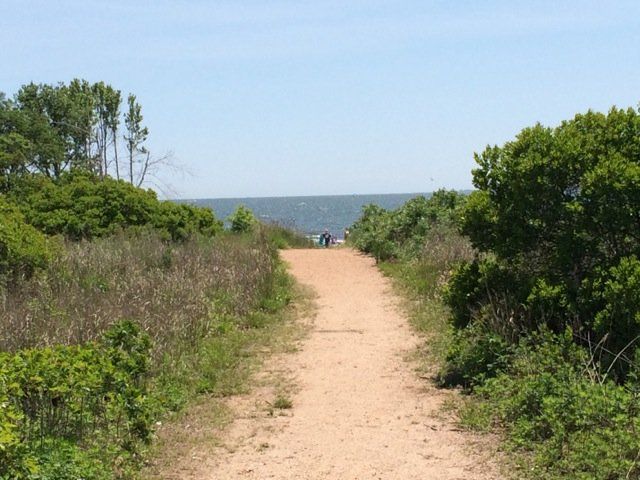
Walking through the park, visitors encounter a diverse landscape that shifts from sandy beaches to salt marshes, from wooded trails to open fields perfect for a lazy afternoon picnic. The salt marsh ecosystem here is particularly noteworthy for birdwatchers and nature enthusiasts. I’ve spent countless hours just sitting quietly near the marsh areas, watching herons stalk through the shallow water with that prehistoric patience they seem to possess. It’s meditative, really.
The four beaches scattered throughout the park each have their own personality, if you will. Some are more sheltered and calm, perfect for families with small children. Others catch more wind and waves, attracting the adventurous types. The park doesn’t quite get the massive crowds you’d find at more famous New York beaches, which is part of its charm. Sure, weekends in summer see their fair share of visitors, but there’s usually enough space for everyone to spread out and claim their own little slice of shoreline.
Key Features
Great Kills Park delivers an impressive array of features that cater to different interests and activity levels:
• Multiple beach areas providing swimming and sunbathing opportunities during warmer months, each with distinct characteristics and varying levels of wave activity
• Extensive trail system winding through different habitats, perfect for hiking, jogging, or contemplative walks where you might spot local wildlife
• Salt marsh environment supporting diverse bird species and marine life, creating excellent opportunities for nature observation and photography
• Cycling lanes that allow bikers to explore the park safely while enjoying waterfront views and sea breezes
• Picnic areas equipped with tables where families and friends can gather for outdoor meals with harbor views as a backdrop
• Playground facilities including swings and slides that keep younger visitors entertained for hours
• Wheelchair accessible entrances and parking lots ensuring the park welcomes visitors with mobility considerations
• Public restrooms conveniently located throughout the park grounds
• On-site parking facilities eliminating the stress of finding a spot during peak visiting times
• Dog-friendly policies allowing pet owners to bring their four-legged companions along for outdoor adventures
• Kid-friendly hiking trails that aren’t too challenging for little legs but still offer enough interest to keep children engaged
Best Time to Visit
Timing your visit to Great Kills Park really depends on what you’re hoping to experience. Late spring through early fall—roughly May through September—brings the warmest weather and opens up all the beach activities. Swimming becomes viable once water temperatures rise in June, though personally I find early September ideal. The crowds have thinned out as kids return to school, but the water’s still warm from absorbing summer heat for months.
Summer weekends, particularly July and August, see the highest visitor numbers. Families flock here for beach days, and honestly, you can’t blame them. But if you’re not a fan of sharing your space with dozens of other sun-seekers, consider visiting during weekday mornings. I’ve arrived at 8 AM on a Tuesday in July and had entire beach sections practically to myself for a couple hours.
Fall brings something special to Great Kills Park that many visitors miss. September through November offers cooler temperatures perfect for hiking the trails without overheating. The bird migration patterns shift during autumn, bringing different species through the area. The marsh areas become particularly interesting as plants change color and the angle of sunlight shifts lower. Plus, fishing tends to improve as various species move through coastal waters during their seasonal migrations.
Winter might seem like an odd time to visit a beach park, but hear me out. The landscape transforms into something almost stark and beautiful. Beach walks on crisp January mornings offer a completely different perspective. You’ll see harbor seals occasionally hauled out on rocks offshore, and the lack of foliage makes bird spotting easier in some areas. Dress warmly and you might discover why some of us actually prefer the park during its quieter cold-weather months.
Spring awakens the park gradually. March can still feel pretty wintry, but by April things start blooming and migrating birds return. May hits a sweet spot where temperatures are comfortable for active pursuits but the full summer crowds haven’t descended yet. The playground areas become popular with families again, and picnic spots fill up on pleasant weekends.
How to Get There
Reaching Great Kills Park involves a few different options depending on where you’re coming from and your preferred mode of transportation. For those driving, the park sits along Hylan Boulevard on Staten Island’s eastern shore. If you’re coming from other NYC boroughs, you’ll likely cross the Verrazzano-Narrows Bridge from Brooklyn. The drive offers some pretty decent views itself, especially when crossing the bridge.
From Manhattan or other areas, public transportation requires a bit more planning but remains totally doable. The Staten Island Railway provides service to Great Kills Station, which sits relatively close to the park. From the station, it’s about a fifteen-minute walk to reach the park entrance. Not the most convenient setup, admittedly, but it works if you don’t have access to a car.
Bus service also connects to the area, with several routes running along Hylan Boulevard. The S54 and S59 buses stop near park access points. During summer months, public transit can actually be more convenient than dealing with parking lot congestion on popular beach days.
Cyclists will find Great Kills Park accessible via Staten Island’s growing network of bike lanes, though the route quality varies depending on your starting point. Once you arrive, the park’s internal cycling lanes make exploring on two wheels pretty enjoyable. Just be aware that some trail sections don’t permit bikes, so you might need to walk portions if you want to see everything.
Tips for Visiting
Arrive early during summer weekends if beach access is your main goal. Parking fills up surprisingly fast on hot Saturday and Sunday mornings. And I mean fast—by 10 AM you might be circling or waiting for someone to leave. Getting there around 8 or 8:30 AM guarantees you a spot and gives you first pick of beach real estate.
Bring your own food and drinks. While there might be occasional vendors during peak season, Great Kills Park doesn’t have the commercial infrastructure of more developed beach areas. Pack a cooler with lunch, snacks, and plenty of water. The picnic tables scattered throughout the park make meal times convenient, and honestly, nothing beats eating lunch with a harbor view.
Don’t forget the basics that people always seem to forget at beaches. Sunscreen obviously tops the list—the sun reflects off both sand and water, intensifying exposure. A beach umbrella or pop-up shelter provides crucial shade during midday hours. Bring trash bags and plan to carry out everything you bring in. The park provides waste receptacles, but they sometimes overflow during busy periods.
If you’re bringing dogs, they’re allowed but check current regulations regarding leash requirements and restricted areas. Some beach sections prohibit dogs during certain times of year to protect nesting birds. Your furry friend will probably love the trails more than the beaches anyway—more interesting smells in the marsh areas, apparently.
Explore beyond the beaches. Most visitors plant themselves on the sand and never discover the trail system or marsh environments. The hiking trails aren’t particularly challenging, but they reveal different facets of the park’s ecosystem. Wear appropriate footwear though—some sections can get muddy, especially after rain.
Check water quality reports before swimming. Like any urban coastal area, Great Kills Park occasionally experiences water quality issues that can close beaches temporarily. The Gateway National Recreation Area website posts current conditions and any advisories.
Birdwatchers should bring binoculars and maybe a field guide. The diversity of species frequenting the park throughout the year is honestly impressive. Early morning typically offers the best viewing opportunities when birds are most active.
Consider the mosquito situation during warmer months, particularly near marsh areas during dawn and dusk. These little vampires can be relentless. Bug spray becomes essential equipment rather than optional if you’re planning evening visits or marsh exploration.
Respect the natural areas and wildlife. The salt marshes are fragile ecosystems that recover slowly from damage. Stick to established trails and viewing areas. And please, don’t feed wildlife—it disrupts natural behaviors and can harm animals despite good intentions.
Key Highlights
- Four beaches (New Dorp, Cedar Grove, Oakwood, Fox Beach) along Sandy Shoreline
- Great Kills Marina with access for recreational boating and fishing
- Diverse habitats: salt marshes, dunes, grasslands and rocky shoreline
- Extensive nature trails and birdwatching opportunities (including osprey nesting)
- Part of Gateway National Recreation Area with historical maritime significance
Location
Places to Stay Near Great Kills Park
Find and Book a Tour
Explore More Travel Guides
No reviews found! Be the first to review!
Traveler Reviews for Great Kills Park
There are no reviews yet. Be the first one to write one.
Have you visited Great Kills Park? Help other travelers by sharing your review.
Nearby Attractions
Find Accommodations Nearby
Recommended Tours & Activities
Visitor Reviews
There are no reviews yet. Be the first one to write one.
Share Your Experience
Have you visited Great Kills Park? Help other travelers by leaving a review.
