The Noble Maritime Collection
About The Noble Maritime Collection
Description
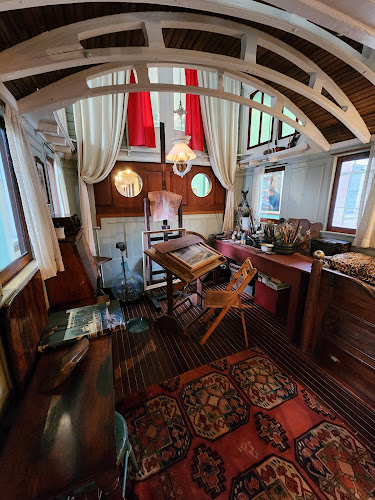
The Noble Maritime Collection stands as one of Staten Island's most fascinating cultural treasures, though it doesn't always get the attention it deserves from travelers who rush through New York's more famous boroughs. This maritime museum celebrates the life and work of John A. Noble, a marine artist whose paintings and lithographs captured the gritty beauty of New York Harbor's working waterfront during the mid-20th century. But what makes this place truly special isn't just the artwork hanging on the walls—it's the fact that visitors can step inside Noble's actual houseboat studio, meticulously restored and preserved as if the artist just stepped out for a moment. I've always believed that the best museums are those that transport you to another time and place, and The Noble Maritime Collection does exactly that. The museum sits within Snug Harbor Cultural Center & Botanical Garden, an unexpected oasis that was once a retirement home for sailors. The setting itself tells stories of maritime history, making the whole experience feel cohesive and authentic. Noble's work documents an era of New York Harbor that's largely vanished—the coal-fired tugboats, the working shipyards, the rough-and-tumble life of mariners who kept the port running. His perspective was unique because he actually lived it, choosing to make his home on a houseboat rather than observe from a distance. The collection houses hundreds of Noble's works, from detailed lithographs to sweeping oil paintings, along with his tools, personal belongings, and the floating studio where he created much of his art. And here's something most people don't realize until they visit—the museum also features rotating exhibitions that explore broader maritime themes, connecting Noble's specific vision to the wider story of seafaring culture. It's a place that rewards those who take their time, who read the descriptions, who let themselves imagine what life was like when New York's waterfront was still defined by industry rather than luxury condos.Key Features
The Noble Maritime Collection offers visitors several distinctive elements that set it apart from typical art museums: • John A. Noble's restored houseboat studio, complete with original furnishings and tools, providing an intimate look at where the artist lived and worked • Extensive collection of Noble's lithographs, paintings, and drawings documenting New York Harbor's working waterfront from the 1930s through 1980s • Rotating exhibitions exploring maritime history, culture, and contemporary maritime art from various artists and perspectives • Fully accessible facilities with wheelchair-friendly entrances, parking, restrooms, and seating areas throughout the museum spaces • Educational programs and guided tours that dive deep into Noble's techniques, maritime history, and the cultural significance of the harbor's evolution • Gift shop featuring maritime-themed books, prints, and nautical items that you won't find in your typical museum store • Location within Snug Harbor Cultural Center, allowing visitors to combine their museum experience with gardens and other cultural attractions on the same campus • Child-friendly exhibits and programming that make maritime history engaging for younger visitors without dumbing down the content • Onsite services and amenities including clean restrooms and comfortable viewing spaces designed for extended visitsBest Time to Visit
Timing your visit to The Noble Maritime Collection can make a real difference in your experience, though honestly, this isn't the kind of place that gets overwhelmed with crowds even during peak tourist season. That's part of its charm, actually. You're not going to be fighting hordes of tour groups or waiting in line to see Noble's houseboat studio. The museum typically operates on a more limited schedule than Manhattan's major institutions, so checking ahead is essential before making the trek to Staten Island. Generally speaking, weekday mornings offer the quietest experience if you prefer having the galleries mostly to yourself. There's something almost meditative about wandering through Noble's work when you're one of just a handful of visitors, letting the quiet scenes of tugboats and harbors work their particular magic without distraction. Weather-wise, spring and fall are gorgeous times to visit because you'll likely want to explore the surrounding Snug Harbor grounds as well. The gardens are spectacular in May and June, and the crisp autumn air in October makes for a perfect day of cultural exploration. Summer can be lovely too, though the humidity might make you appreciate the air-conditioned gallery spaces even more. Winter visits have their own appeal—there's something fitting about contemplating Noble's moody harbor scenes when it's cold and grey outside. If you're interested in special programming, the museum hosts various events throughout the year including artist talks, temporary exhibitions, and educational workshops. These typically happen on weekends and can add another layer to your visit. But they also mean slightly larger crowds, so it's a trade-off. I'd suggest avoiding the first nice weekend day in spring when locals flood Snug Harbor's grounds—you'll still enjoy the museum, but parking becomes more challenging. Similarly, major Staten Island community events can make the whole area busier than usual.How to Get There
Getting to The Noble Maritime Collection requires a bit more effort than hopping on a subway to the Met, but the journey itself becomes part of the adventure. And honestly, if you're the type of traveler who only sticks to the easiest destinations, you're missing out on what makes places interesting. The Staten Island Ferry is your friend here—it's free, it offers amazing views of the Statue of Liberty and New York Harbor (which makes a perfect prelude to seeing Noble's depictions of these same waters), and it runs frequently from Manhattan's Whitehall Terminal. Once you arrive at the St. George Terminal in Staten Island, you have several options. The S40 bus runs from the ferry terminal toward Snug Harbor, though be prepared for about a 15-minute ride. Taxis and rideshare services are readily available at the terminal if you prefer a more direct route. For those driving, The Noble Maritime Collection is located within Snug Harbor Cultural Center, which has ample parking including designated accessible spaces. From Manhattan, you'd take the Staten Island Ferry with your vehicle or come via the Verrazzano-Narrows Bridge from Brooklyn. The parking situation is generally manageable except during major events at Snug Harbor. The whole journey from Midtown Manhattan typically takes 45 minutes to an hour depending on ferry timing and your chosen transportation from the St. George Terminal. Yeah, it's longer than getting to MoMA, but that's kind of the point—you're venturing off the beaten path to discover something most tourists never see.Tips for Visiting
After learning about this museum through a friend who's obsessed with maritime history, I've picked up some insights that'll help make your visit smoother and more rewarding. First off, call ahead or check their website for current hours before you go. Seriously. Small museums sometimes have irregular schedules, and there's nothing worse than making the journey to Staten Island only to find the doors locked. Their hours can be more limited than major institutions, particularly during winter months. Plan to spend at least 90 minutes at the museum itself if you want to really appreciate the collection. Sure, you could rush through in 30 minutes, but that defeats the purpose. Noble's lithographs reward close examination—the detail work is extraordinary, and you'll notice new elements the longer you look. The houseboat studio especially deserves time. Sit for a moment and imagine creating art in that compact space while it bobbed gently in the harbor. Combine your visit with exploring the broader Snug Harbor complex. The grounds include beautiful gardens, other museums, and historic buildings worth seeing. Pack a picnic lunch since there's no restaurant at The Noble Maritime Collection itself (though there are facilities elsewhere at Snug Harbor). This turns your museum visit into a full day trip that justifies the travel time. The gift shop punches above its weight for a small institution—they stock excellent books on maritime history and New York Harbor that you won't easily find elsewhere. If you're into that subject matter, budget some extra cash. Accessibility is genuinely good here, not just in a "technically compliant" way. The staff is helpful and knowledgeable, often willing to share additional context about the collection if you express interest. Don't be shy about asking questions. Photography is typically allowed in the galleries, but double-check about any special exhibitions. The houseboat studio makes for wonderful photos that capture something completely unique. If you're visiting with kids, the museum is surprisingly engaging for younger audiences despite focusing on fine art. The houseboat studio particularly fascinates children—there's something about seeing where someone actually lived and worked that captures imagination in ways regular galleries don't. The staff can often provide family-friendly context that helps kids connect with the maritime themes. Dress comfortably and wear good walking shoes, especially if you're planning to explore Snug Harbor's grounds. The museum itself requires minimal walking, but you'll want to wander a bit. Finally, adjust your expectations appropriately. This isn't the Guggenheim—it's a focused collection celebrating one artist's vision of a particular time and place. If you come looking for blockbuster exhibitions or vast collections, you'll be disappointed. But if you come ready to discover something genuine and specific, something that most New York tourists never bother with, you'll leave enriched. The Noble Maritime Collection offers a window into a New York that's largely vanished, preserved through the eyes of an artist who truly understood the working waterfront. That's worth the ferry ride.Key Features
- Key Features
- Best Time to Visit
- How to Get There
- Tips for Visiting
More Details
Updated January 18, 2026
Table of Contents
Description
The Noble Maritime Collection stands as one of Staten Island’s most fascinating cultural treasures, though it doesn’t always get the attention it deserves from travelers who rush through New York’s more famous boroughs. This maritime museum celebrates the life and work of John A. Noble, a marine artist whose paintings and lithographs captured the gritty beauty of New York Harbor’s working waterfront during the mid-20th century. But what makes this place truly special isn’t just the artwork hanging on the walls—it’s the fact that visitors can step inside Noble’s actual houseboat studio, meticulously restored and preserved as if the artist just stepped out for a moment.
I’ve always believed that the best museums are those that transport you to another time and place, and The Noble Maritime Collection does exactly that. The museum sits within Snug Harbor Cultural Center & Botanical Garden, an unexpected oasis that was once a retirement home for sailors. The setting itself tells stories of maritime history, making the whole experience feel cohesive and authentic. Noble’s work documents an era of New York Harbor that’s largely vanished—the coal-fired tugboats, the working shipyards, the rough-and-tumble life of mariners who kept the port running. His perspective was unique because he actually lived it, choosing to make his home on a houseboat rather than observe from a distance.
The collection houses hundreds of Noble’s works, from detailed lithographs to sweeping oil paintings, along with his tools, personal belongings, and the floating studio where he created much of his art. And here’s something most people don’t realize until they visit—the museum also features rotating exhibitions that explore broader maritime themes, connecting Noble’s specific vision to the wider story of seafaring culture. It’s a place that rewards those who take their time, who read the descriptions, who let themselves imagine what life was like when New York’s waterfront was still defined by industry rather than luxury condos.
Key Features
The Noble Maritime Collection offers visitors several distinctive elements that set it apart from typical art museums:
• John A. Noble’s restored houseboat studio, complete with original furnishings and tools, providing an intimate look at where the artist lived and worked
• Extensive collection of Noble’s lithographs, paintings, and drawings documenting New York Harbor’s working waterfront from the 1930s through 1980s
• Rotating exhibitions exploring maritime history, culture, and contemporary maritime art from various artists and perspectives
• Fully accessible facilities with wheelchair-friendly entrances, parking, restrooms, and seating areas throughout the museum spaces
• Educational programs and guided tours that dive deep into Noble’s techniques, maritime history, and the cultural significance of the harbor’s evolution
• Gift shop featuring maritime-themed books, prints, and nautical items that you won’t find in your typical museum store
• Location within Snug Harbor Cultural Center, allowing visitors to combine their museum experience with gardens and other cultural attractions on the same campus
• Child-friendly exhibits and programming that make maritime history engaging for younger visitors without dumbing down the content
• Onsite services and amenities including clean restrooms and comfortable viewing spaces designed for extended visits
Best Time to Visit
Timing your visit to The Noble Maritime Collection can make a real difference in your experience, though honestly, this isn’t the kind of place that gets overwhelmed with crowds even during peak tourist season. That’s part of its charm, actually. You’re not going to be fighting hordes of tour groups or waiting in line to see Noble’s houseboat studio.
The museum typically operates on a more limited schedule than Manhattan’s major institutions, so checking ahead is essential before making the trek to Staten Island. Generally speaking, weekday mornings offer the quietest experience if you prefer having the galleries mostly to yourself. There’s something almost meditative about wandering through Noble’s work when you’re one of just a handful of visitors, letting the quiet scenes of tugboats and harbors work their particular magic without distraction.
Weather-wise, spring and fall are gorgeous times to visit because you’ll likely want to explore the surrounding Snug Harbor grounds as well. The gardens are spectacular in May and June, and the crisp autumn air in October makes for a perfect day of cultural exploration. Summer can be lovely too, though the humidity might make you appreciate the air-conditioned gallery spaces even more. Winter visits have their own appeal—there’s something fitting about contemplating Noble’s moody harbor scenes when it’s cold and grey outside.
If you’re interested in special programming, the museum hosts various events throughout the year including artist talks, temporary exhibitions, and educational workshops. These typically happen on weekends and can add another layer to your visit. But they also mean slightly larger crowds, so it’s a trade-off.
I’d suggest avoiding the first nice weekend day in spring when locals flood Snug Harbor’s grounds—you’ll still enjoy the museum, but parking becomes more challenging. Similarly, major Staten Island community events can make the whole area busier than usual.
How to Get There
Getting to The Noble Maritime Collection requires a bit more effort than hopping on a subway to the Met, but the journey itself becomes part of the adventure. And honestly, if you’re the type of traveler who only sticks to the easiest destinations, you’re missing out on what makes places interesting.
The Staten Island Ferry is your friend here—it’s free, it offers amazing views of the Statue of Liberty and New York Harbor (which makes a perfect prelude to seeing Noble’s depictions of these same waters), and it runs frequently from Manhattan’s Whitehall Terminal. Once you arrive at the St. George Terminal in Staten Island, you have several options. The S40 bus runs from the ferry terminal toward Snug Harbor, though be prepared for about a 15-minute ride. Taxis and rideshare services are readily available at the terminal if you prefer a more direct route.
For those driving, The Noble Maritime Collection is located within Snug Harbor Cultural Center, which has ample parking including designated accessible spaces. From Manhattan, you’d take the Staten Island Ferry with your vehicle or come via the Verrazzano-Narrows Bridge from Brooklyn. The parking situation is generally manageable except during major events at Snug Harbor.
The whole journey from Midtown Manhattan typically takes 45 minutes to an hour depending on ferry timing and your chosen transportation from the St. George Terminal. Yeah, it’s longer than getting to MoMA, but that’s kind of the point—you’re venturing off the beaten path to discover something most tourists never see.
Tips for Visiting
After learning about this museum through a friend who’s obsessed with maritime history, I’ve picked up some insights that’ll help make your visit smoother and more rewarding.
First off, call ahead or check their website for current hours before you go. Seriously. Small museums sometimes have irregular schedules, and there’s nothing worse than making the journey to Staten Island only to find the doors locked. Their hours can be more limited than major institutions, particularly during winter months.
Plan to spend at least 90 minutes at the museum itself if you want to really appreciate the collection. Sure, you could rush through in 30 minutes, but that defeats the purpose. Noble’s lithographs reward close examination—the detail work is extraordinary, and you’ll notice new elements the longer you look. The houseboat studio especially deserves time. Sit for a moment and imagine creating art in that compact space while it bobbed gently in the harbor.
Combine your visit with exploring the broader Snug Harbor complex. The grounds include beautiful gardens, other museums, and historic buildings worth seeing. Pack a picnic lunch since there’s no restaurant at The Noble Maritime Collection itself (though there are facilities elsewhere at Snug Harbor). This turns your museum visit into a full day trip that justifies the travel time.
The gift shop punches above its weight for a small institution—they stock excellent books on maritime history and New York Harbor that you won’t easily find elsewhere. If you’re into that subject matter, budget some extra cash.
Accessibility is genuinely good here, not just in a “technically compliant” way. The staff is helpful and knowledgeable, often willing to share additional context about the collection if you express interest. Don’t be shy about asking questions.
Photography is typically allowed in the galleries, but double-check about any special exhibitions. The houseboat studio makes for wonderful photos that capture something completely unique.
If you’re visiting with kids, the museum is surprisingly engaging for younger audiences despite focusing on fine art. The houseboat studio particularly fascinates children—there’s something about seeing where someone actually lived and worked that captures imagination in ways regular galleries don’t. The staff can often provide family-friendly context that helps kids connect with the maritime themes.
Dress comfortably and wear good walking shoes, especially if you’re planning to explore Snug Harbor’s grounds. The museum itself requires minimal walking, but you’ll want to wander a bit.
Finally, adjust your expectations appropriately. This isn’t the Guggenheim—it’s a focused collection celebrating one artist’s vision of a particular time and place. If you come looking for blockbuster exhibitions or vast collections, you’ll be disappointed. But if you come ready to discover something genuine and specific, something that most New York tourists never bother with, you’ll leave enriched. The Noble Maritime Collection offers a window into a New York that’s largely vanished, preserved through the eyes of an artist who truly understood the working waterfront. That’s worth the ferry ride.
Key Highlights
- Key Features
- Best Time to Visit
- How to Get There
- Tips for Visiting
Location
Places to Stay Near The Noble Maritime Collection
Find and Book a Tour
Explore More Travel Guides
No reviews found! Be the first to review!
Traveler Reviews for The Noble Maritime Collection
There are no reviews yet. Be the first one to write one.
Have you visited The Noble Maritime Collection? Help other travelers by sharing your review.
Find Accommodations Nearby
Recommended Tours & Activities
Visitor Reviews
There are no reviews yet. Be the first one to write one.
Share Your Experience
Have you visited The Noble Maritime Collection? Help other travelers by leaving a review.
