
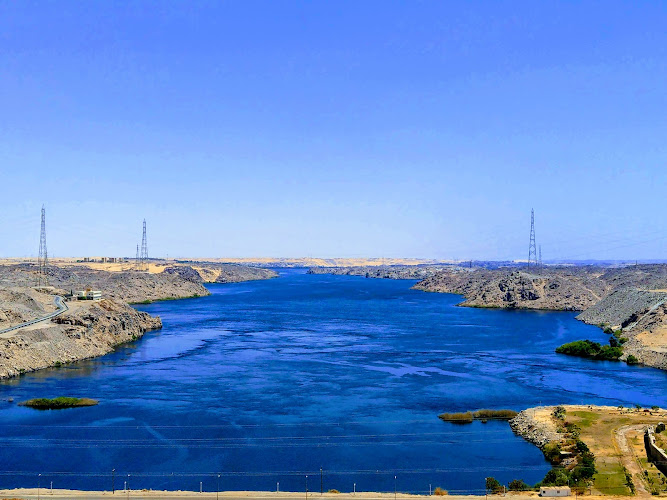
The High Dam
About The High Dam
Description
The High Dam stands as one of Egypt’s most impressive modern engineering achievements, transforming the mighty Nile River and the lives of millions who depend on it. Rising from the desert landscape south of Aswan, this massive structure represents both human ambition and the complex relationship between progress and nature. When you first catch sight of it, the sheer scale takes your breath away – we’re talking about a wall of rock and clay that’s over 3,800 meters long and 111 meters high.
But here’s the thing that most people don’t realize until they actually stand there: this isn’t just about concrete and machinery. The dam created Lake Nasser, one of the world’s largest artificial lakes, stretching back into Sudan for hundreds of kilometers. I remember talking to a local guide who explained how his grandfather watched the construction crews work day and night, and how the entire region changed almost overnight once the waters began rising.
The story actually begins way back in 1898 when the British built the first Aswan Dam, which honestly wasn’t quite up to the task of controlling the Nile’s annual floods. By the 1950s, Egypt desperately needed something bigger, something that could generate electricity for a growing nation and regulate water flow year-round. President Nasser championed the project, and despite political complications (the Cold War made everything complicated back then), construction began in 1960 with Soviet assistance. A decade later, in 1970, the modern High Dam was complete.
What visitors find fascinating is how this structure literally controls the desert. The reservoir holds back enough water to irrigate millions of acres of farmland and generates roughly half of Egypt’s electricity needs. Standing on top of the dam, you can see the transformation from the deep blue waters of Lake Nasser on one side to the continuing flow of the Nile on the other. It’s quite a contrast.
Key Features
The High Dam offers several remarkable elements that make it worth the journey:
• The Lotus Tower monument on the western side, which commemorates the dam’s construction and Soviet-Egyptian cooperation, features distinctive architectural styling you won’t see elsewhere in Egypt
• Observation platforms that provide panoramic views across Lake Nasser and the surrounding desert landscape, particularly stunning during golden hour
• The massive spillway system, which occasionally operates during high water periods, creating an impressive display of controlled water power
• Educational displays explaining the dam’s construction process, though admittedly some could use updating
• Wheelchair accessible pathways and viewing areas, making the site reasonably accommodating for visitors with mobility challenges
• The power station facilities, which aren’t always accessible for tours but sometimes open for special visits (worth asking about)
• A visitor center that explains the environmental and social impacts, including the relocation of Abu Simbel temples
• The contrast between the engineering marvel and the ancient civilization that once thrived along these same waters
Best Time to Visit
Timing your visit to the High Dam requires thinking about both weather and crowds, because trust me, these factors make a huge difference to your experience.
October through February offers the most comfortable conditions for exploring this engineering wonder. Temperatures during these months hover between 20-25°C during the day, which is absolutely perfect for walking around the exposed areas of the dam. And you’ll be doing quite a bit of walking if you want to really appreciate the scale. Summer months from June to August? That’s a different story entirely. Temperatures regularly exceed 40°C, and there’s precious little shade on the dam itself. I’ve heard from travelers who visited in July and basically sprinted from their air-conditioned bus to the viewpoints and back again.
Early morning visits work particularly well, especially if you’re combining the High Dam with other Aswan attractions like Philae Temple or the Nubian villages. The light at sunrise creates beautiful photography conditions, and you’ll beat the tour groups that typically arrive mid-morning. Late afternoon visits have their own charm – the sunset over Lake Nasser can be absolutely spectacular, with the water turning golden and the surrounding mountains casting long shadows.
Winter months from December to February see the highest tourist numbers since everyone’s trying to escape the cold back home. But honestly, the dam is large enough that it never feels overwhelmingly crowded like some of Egypt’s more confined archaeological sites. Spring months of March and April offer a sweet spot with moderate temperatures and fewer visitors than peak winter season.
One thing to consider: if Lake Nasser’s water levels are particularly high, you might witness the spillways in operation, which is genuinely thrilling. This typically happens during late summer and early autumn, though predicting exact dates is tricky since it depends on rainfall patterns across the entire Nile basin.
How to Get There
Getting to the High Dam is relatively straightforward since it’s become such a major tourist destination, though you’ve got several options depending on your travel style and budget.
Most visitors base themselves in Aswan, which sits about 13 kilometers north of the dam. From Aswan, taxis are probably the most common choice – you’ll find drivers throughout the city who know the route well. Negotiate your fare before departing, and expect to pay around 150-200 Egyptian pounds for a round trip with waiting time included. Some drivers will try to convince you to add other stops like the Unfinished Obelisk or Philae Temple, which actually isn’t a bad idea since you’re already out there.
Private tours booked through hotels or tour operators typically include the High Dam as part of a broader Aswan itinerary. These organized trips handle all the logistics and usually provide guides who explain the historical and engineering significance. The downside? You’re on their schedule, which might mean rushing through or waiting around while other group members take photos.
For independent travelers who enjoy figuring things out, local microbuses run from Aswan toward the dam area, though you’ll need to ask locals for current routes since these change periodically. This option requires more effort and Arabic language skills but costs significantly less than private transportation.
If you’re arriving in Aswan by train from Luxor or Cairo, the station sits conveniently in the city center where you can easily arrange onward transportation to the dam. The domestic airport also serves travelers flying in from other Egyptian cities, and most hotels can arrange airport pickup and dam excursions.
One heads-up: you’ll pass through several security checkpoints on the route since the dam is considered strategic infrastructure. Have your passport ready and be patient – security personnel are just doing their jobs protecting an installation that’s genuinely important to Egypt’s national interests.
Tips for Visiting
Making the most of your High Dam visit requires some practical preparation that guidebooks sometimes gloss over.
Bring water, and I mean lots of it. There’s a small shop near the entrance, but selection is limited and prices reflect the captive audience. Dehydration sneaks up on you in Egypt’s dry climate, especially if you’re from more humid regions. Sun protection matters just as much – sunscreen, hat, sunglasses. The sun reflects off both the water and the light-colored dam surfaces, hitting you from multiple angles.
Credit and debit cards are accepted at the main entrance, which is actually pretty convenient since not all Egyptian tourist sites have caught up with electronic payments yet. However, keeping some cash for tips and incidental purchases never hurts.
Photography enthusiasts should know that early morning and late afternoon provide the best lighting conditions. Midday sun tends to wash out colors and create harsh shadows that don’t do justice to the scale and beauty of the structure. The western side offers better views of Lake Nasser’s expanse, while the eastern side shows the continuing Nile and downstream areas.
Dress modestly and comfortably. While the dam isn’t a religious site requiring strict dress codes, you’re still in a conservative region of Egypt. Comfortable walking shoes matter more than fashion since you’ll be covering ground on concrete and occasionally uneven surfaces.
If you’re genuinely interested in the engineering aspects, consider hiring a knowledgeable guide rather than just wandering around independently. The difference in understanding and appreciation is significant. A good guide can explain how the turbines work, discuss the environmental trade-offs, and share stories about the construction process that bring the whole place to life.
The visitor center deserves more time than most people give it. Yeah, some exhibits look a bit dated, but the information about relocating ancient temples and managing water resources throughout the Nile basin is actually fascinating if you take time to read carefully.
Security restrictions mean certain areas remain off-limits, particularly around the actual power generation facilities. Don’t try sneaking past barriers or ignoring posted signs – security takes these matters seriously, and you risk ruining your visit over curiosity.
Plan for about 1-2 hours at the site unless you’re a real engineering buff, in which case you could easily spend half a day absorbing all the details. Combining your visit with nearby attractions makes efficient use of your time and transportation costs.
Finally, manage expectations about what you’re seeing. Some visitors expect ancient monuments and feel disappointed by modern concrete and machinery. But if you appreciate human achievement and the way infrastructure shapes societies, the High Dam offers something equally meaningful as Egypt’s pharaonic wonders – just from a completely different era and mindset.
Key Features
- Massive rock-fill embankment approximately 3.8 km long and about 111 m high
- Hydroelectric power station with multiple turbine units supplying national grid
- Creates Lake Nasser, one of the world’s largest artificial lakes
- Panoramic views of the Nile, reservoir, and desert landscapes
- Important modern-historical site illustrating mid-20th-century development in Egypt
Nearby Attractions
Philae Temple (Agilkia Island)
Unfinished Obelisk (Aswan)
Nubian Museum
Tours & Activities
GetYourGuide provides this tour inventory. We may earn a commission if you book through it; verify current availability, prices, and terms with the provider.
Visitor Reviews
There are no reviews yet. Be the first one to write one.
Share Your Experience
Have you visited The High Dam? Help other travelers by leaving a review.