About Rommel’s Cave Museum

Description

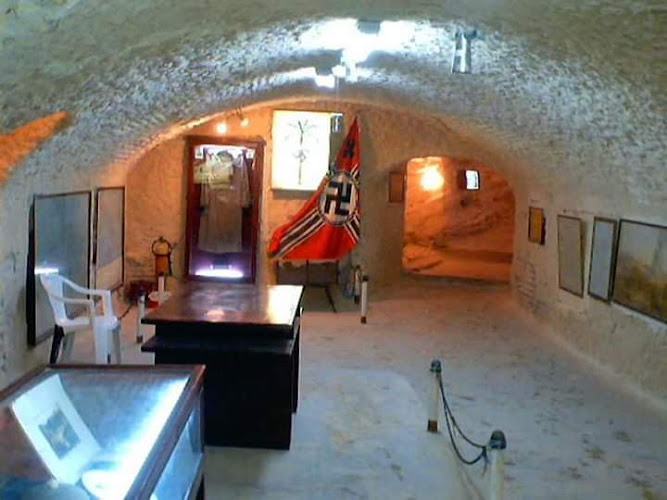
Rommel’s Cave Museum in Marsa Matruh is not your typical museum with polished marble floors and endless glass cases. Instead, it’s tucked inside a natural cave that once served as the headquarters of German Field Marshal Erwin Rommel during World War II. That detail alone makes it pretty special. Walking inside, you can almost imagine the Desert Fox himself poring over maps, plotting strategy in the dim light of this rocky hideout. The museum today is small, and yes, some visitors might say the displays are modest or even a bit outdated, but that’s also part of its charm. It feels raw and real, like you’ve stumbled into a piece of living history rather than a curated tourist attraction.

For travelers who geek out over military history, it’s a fascinating stop. And even if you’re not a history buff, the atmosphere of the cave itself is worth experiencing. The cool air, the rough stone walls, and the sense of standing in a place where history literally unfolded—it’s quite moving. Families often find it a manageable outing too, since it’s compact and not overwhelming for kids. There’s a restroom on-site, wheelchair-accessible facilities, and free parking, though you won’t find a café or restaurant inside, so plan ahead if you’re the type who gets hungry mid-visit.

Of course, not everyone leaves equally impressed. Some visitors expect a larger collection, or more interactive exhibits, and come away slightly underwhelmed. Others, though, rave about the authenticity and the atmosphere. Personally, I lean toward the latter camp. I’d rather have a genuine cave with a handful of Rommel’s personal effects and wartime maps than a shiny building with no soul. It’s the kind of place that rewards those who appreciate subtlety and imagination—you fill in the gaps with your own sense of history.

Key Features

  • Located inside the natural cave that Rommel used as his WWII headquarters
  • Displays of wartime maps, documents, and items linked to Rommel
  • Atmospheric setting with rough stone walls and a cool cave interior
  • Wheelchair-accessible restroom and general accessibility improvements
  • Family-friendly environment that kids can enjoy without being overwhelmed
  • Free parking available on-site

Best Time to Visit

The best time to visit Rommel’s Cave Museum is during the spring and autumn months, when the weather in Marsa Matruh is pleasant but not scorching. Summer can be brutally hot on the Mediterranean coast, and while the cave itself stays relatively cool, the journey to and from can be draining. Winter is quieter, which is great if you prefer fewer crowds, though some days can feel a bit chilly inside the cave. If you ask me, late afternoon visits are especially atmospheric—the light outside softens, and it feels easier to imagine yourself stepping back into the 1940s.

And here’s a little tip from personal experience: avoid weekends if you can. Local families often come then, and while it’s lovely to see kids learning about history, the cave can feel crowded quickly. A midweek morning is usually calm, giving you space to really soak in the atmosphere.

How to Get There

Reaching the museum is fairly straightforward. Rommel’s Cave Museum sits just outside the main part of Marsa Matruh, close to the popular Rommel Beach. If you’re already staying in town, a short taxi ride will get you there in no time. Many hotels and guesthouses are familiar with the place and can arrange transport if you don’t feel like haggling with taxi drivers. For those driving themselves, the free parking lot makes it hassle-free.

Public transportation is limited in this part of Egypt, so relying on buses isn’t the most practical option. Honestly, I’d say don’t overthink it—grab a cab, enjoy the ride along the coast, and you’ll be at the cave before you know it. The drive itself is part of the experience, with the Mediterranean stretching out beside you.

Tips for Visiting

First and foremost, set your expectations right. This isn’t a massive, high-tech museum with endless exhibits. It’s small, atmospheric, and very much about the setting rather than the quantity of artifacts. If you know that going in, you’ll likely enjoy it much more.

Bring a bottle of water, especially if you’re visiting in warmer months. There’s no café on-site, and walking around Marsa Matruh can be thirsty work. If you’re traveling with kids, the museum is short and sweet enough to keep their attention, but it might help to tell them a little about Rommel and World War II beforehand so they have some context.

Photography is usually allowed, but be respectful—this is still a historic wartime site. And don’t rush through. Spend a few minutes just standing still in the cave, imagining the weight of decisions that were made there. It’s these quiet moments that make the visit memorable.

Lastly, if you’re combining your trip with a beach day, Rommel Beach is right nearby. Pack your swim gear, and you can balance history with some relaxation by the sea. That’s exactly what I did, and honestly, it was the perfect mix of learning and leisure.

Key Features

  • Located inside the natural cave that Rommel used as his WWII headquarters
  • Displays of wartime maps, documents, and items linked to Rommel
  • Atmospheric setting with rough stone walls and a cool cave interior
  • Wheelchair-accessible restroom and general accessibility improvements
  • Family-friendly environment that kids can enjoy without being overwhelmed
  • Free parking available on-site

More Details

Updated September 10, 2025


Description

Rommel’s Cave Museum in Marsa Matruh is not your typical museum with polished marble floors and endless glass cases. Instead, it’s tucked inside a natural cave that once served as the headquarters of German Field Marshal Erwin Rommel during World War II. That detail alone makes it pretty special. Walking inside, you can almost imagine the Desert Fox himself poring over maps, plotting strategy in the dim light of this rocky hideout. The museum today is small, and yes, some visitors might say the displays are modest or even a bit outdated, but that’s also part of its charm. It feels raw and real, like you’ve stumbled into a piece of living history rather than a curated tourist attraction.

For travelers who geek out over military history, it’s a fascinating stop. And even if you’re not a history buff, the atmosphere of the cave itself is worth experiencing. The cool air, the rough stone walls, and the sense of standing in a place where history literally unfolded—it’s quite moving. Families often find it a manageable outing too, since it’s compact and not overwhelming for kids. There’s a restroom on-site, wheelchair-accessible facilities, and free parking, though you won’t find a café or restaurant inside, so plan ahead if you’re the type who gets hungry mid-visit.

Of course, not everyone leaves equally impressed. Some visitors expect a larger collection, or more interactive exhibits, and come away slightly underwhelmed. Others, though, rave about the authenticity and the atmosphere. Personally, I lean toward the latter camp. I’d rather have a genuine cave with a handful of Rommel’s personal effects and wartime maps than a shiny building with no soul. It’s the kind of place that rewards those who appreciate subtlety and imagination—you fill in the gaps with your own sense of history.

Key Features

  • Located inside the natural cave that Rommel used as his WWII headquarters
  • Displays of wartime maps, documents, and items linked to Rommel
  • Atmospheric setting with rough stone walls and a cool cave interior
  • Wheelchair-accessible restroom and general accessibility improvements
  • Family-friendly environment that kids can enjoy without being overwhelmed
  • Free parking available on-site

Best Time to Visit

The best time to visit Rommel’s Cave Museum is during the spring and autumn months, when the weather in Marsa Matruh is pleasant but not scorching. Summer can be brutally hot on the Mediterranean coast, and while the cave itself stays relatively cool, the journey to and from can be draining. Winter is quieter, which is great if you prefer fewer crowds, though some days can feel a bit chilly inside the cave. If you ask me, late afternoon visits are especially atmospheric—the light outside softens, and it feels easier to imagine yourself stepping back into the 1940s.

And here’s a little tip from personal experience: avoid weekends if you can. Local families often come then, and while it’s lovely to see kids learning about history, the cave can feel crowded quickly. A midweek morning is usually calm, giving you space to really soak in the atmosphere.

How to Get There

Reaching the museum is fairly straightforward. Rommel’s Cave Museum sits just outside the main part of Marsa Matruh, close to the popular Rommel Beach. If you’re already staying in town, a short taxi ride will get you there in no time. Many hotels and guesthouses are familiar with the place and can arrange transport if you don’t feel like haggling with taxi drivers. For those driving themselves, the free parking lot makes it hassle-free.

Public transportation is limited in this part of Egypt, so relying on buses isn’t the most practical option. Honestly, I’d say don’t overthink it—grab a cab, enjoy the ride along the coast, and you’ll be at the cave before you know it. The drive itself is part of the experience, with the Mediterranean stretching out beside you.

Tips for Visiting

First and foremost, set your expectations right. This isn’t a massive, high-tech museum with endless exhibits. It’s small, atmospheric, and very much about the setting rather than the quantity of artifacts. If you know that going in, you’ll likely enjoy it much more.

Bring a bottle of water, especially if you’re visiting in warmer months. There’s no café on-site, and walking around Marsa Matruh can be thirsty work. If you’re traveling with kids, the museum is short and sweet enough to keep their attention, but it might help to tell them a little about Rommel and World War II beforehand so they have some context.

Photography is usually allowed, but be respectful—this is still a historic wartime site. And don’t rush through. Spend a few minutes just standing still in the cave, imagining the weight of decisions that were made there. It’s these quiet moments that make the visit memorable.

Lastly, if you’re combining your trip with a beach day, Rommel Beach is right nearby. Pack your swim gear, and you can balance history with some relaxation by the sea. That’s exactly what I did, and honestly, it was the perfect mix of learning and leisure.

Key Highlights

  • Located inside the natural cave that Rommel used as his WWII headquarters
  • Displays of wartime maps, documents, and items linked to Rommel
  • Atmospheric setting with rough stone walls and a cool cave interior
  • Wheelchair-accessible restroom and general accessibility improvements
  • Family-friendly environment that kids can enjoy without being overwhelmed
  • Free parking available on-site

Location

Places to Stay Near Rommel's Cave Museum

Find and Book a Tour

Explore More Travel Guides

No reviews found! Be the first to review!

Traveler Reviews for Rommel’s Cave Museum

There are no reviews yet. Be the first one to write one.

Share Your Experience

Have you visited Rommel’s Cave Museum? Help other travelers by sharing your review.

Find Accommodations Nearby

Recommended Tours & Activities

Visitor Reviews

There are no reviews yet. Be the first one to write one.

Share Your Experience

Have you visited Rommel’s Cave Museum? Help other travelers by leaving a review.