
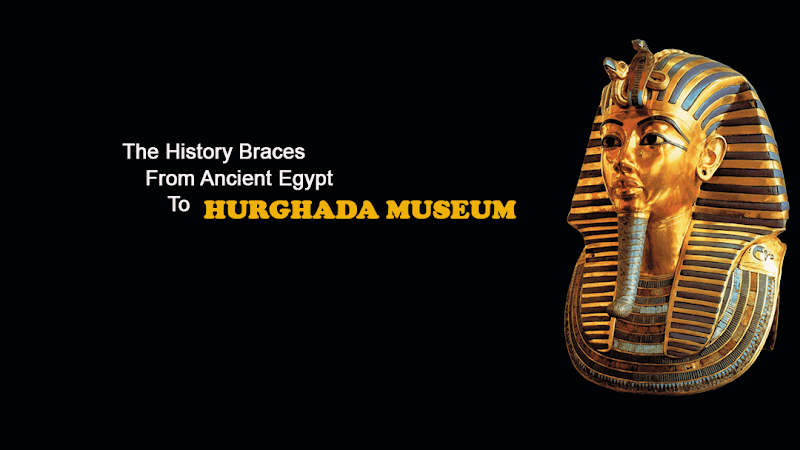
Hurghada Museum
About Hurghada Museum
Description
The Hurghada Museum is more than just another stop on a sightseeing checklist—it’s the first antiquities museum in the Red Sea Governorate, and honestly, it feels like a bit of a milestone for the city. Opened in cooperation between Egypt’s Ministry of Antiquities and the private sector, it was designed to bring Egypt’s long, layered history right into the heart of a resort town better known for diving and beaches. And that’s what makes it so interesting. You step off the sunny streets of Hurghada and suddenly you’re surrounded by relics that trace thousands of years of civilization, from pharaonic treasures to Greco-Roman pieces, Islamic art, and even more recent cultural artifacts.
Walking through the galleries, you’ll notice the museum isn’t overwhelming in scale like Cairo’s massive Egyptian Museum, but that’s actually a plus. The layout feels accessible and easy to navigate, even if you’re traveling with kids or you’re not the type who usually lingers for hours in front of display cases. The curators clearly wanted to highlight beauty across different eras, so you’ll see statues, jewelry, weapons, textiles, and even mummies—yes, real ones. It’s a fascinating mix that makes you pause and think about how much history Egypt really holds.
Of course, not every visitor leaves blown away. Some expect the same grandeur as the museums in Cairo or Luxor and are surprised by the smaller scale. But others appreciate that it’s less crowded and more approachable, especially for families or first-time visitors who just want a taste of Egypt’s past without dedicating a whole day. Personally, I’d say it strikes a nice balance—it’s not trying to be the Louvre, but it gives Hurghada a cultural heartbeat that it frankly needed.
Key Features
- The first antiquities museum in the Red Sea region
- Exhibits spanning pharaonic, Greco-Roman, Islamic, and modern Egyptian history
- Authentic mummies and funerary artifacts on display
- Accessibility features including wheelchair access and assisted listening devices
- Family-friendly environment with clear layouts and manageable size
- Onsite services such as restrooms and free parking
- Occasional live performances and cultural events
Best Time to Visit
If you’re already in Hurghada for the beaches or diving, the museum makes a perfect half-day outing. The best time to go is in the late morning or early afternoon, when the sun outside is at its harshest. It’s air-conditioned, so you’ll get a welcome break from the heat while still doing something enriching. Weekdays tend to be calmer, while weekends can bring in more local families. If you’re the type who likes to take photos without too many people in the frame, aim for earlier in the day. And honestly, it’s a great option if your travel plans ever get disrupted by weather—windy days on the Red Sea are not uncommon, and the museum is a solid backup plan.
How to Get There
The museum is located in the southern part of Hurghada, not far from the airport. That means if you’ve just landed or you’re staying in one of the resorts on the southern strip, it’s a quick taxi ride—maybe 10 to 15 minutes tops. If you’re based further north in the older part of town, it might take closer to half an hour depending on traffic. Public transport isn’t really the best option here, so most travelers just hop in a cab or arrange a ride through their hotel. The good news: there’s free parking if you’re driving yourself, which is a small but welcome perk in a city where parking can be a headache.
Tips for Visiting
Here’s where a little insider advice can make your visit smoother. First, don’t rush. Even though the museum isn’t huge, give yourself at least an hour or two to wander and actually read the descriptions—they’re surprisingly well done. If you’re traveling with kids, the manageable size works in your favor, but bring along a few stories or fun facts to keep them engaged. For example, telling them that the mummies were once real people who lived thousands of years ago usually sparks a lot of wide-eyed questions.
Photography is allowed in most areas, but always double-check the signs. I once saw a traveler get a polite but firm reminder from a guard about flash photography—it’s a no-go. Also, bring a bottle of water; while the museum itself is cool and comfortable, you’ll want it for the walk back out into the Hurghada sun. There’s no restaurant inside, so plan to eat before or after your visit. Luckily, plenty of cafes and eateries are nearby, so you won’t go hungry.
And one last thing: manage your expectations. This isn’t Cairo’s Grand Egyptian Museum, and it’s not trying to be. It’s a regional museum that gives you a concentrated, thoughtful look at Egypt’s heritage without overwhelming you. If you go in with that mindset, you’ll come away appreciating it a lot more. I’d even say it’s one of those underrated gems—quietly doing its job of preserving and sharing history while giving travelers like you a deeper connection to the country beyond the beaches and coral reefs.
Key Features
- The first antiquities museum in the Red Sea region
- Exhibits spanning pharaonic, Greco-Roman, Islamic, and modern Egyptian history
- Authentic mummies and funerary artifacts on display
- Accessibility features including wheelchair access and assisted listening devices
- Family-friendly environment with clear layouts and manageable size
- Onsite services such as restrooms and free parking
- Occasional live performances and cultural events
More Details
Updated September 8, 2025
Table of Contents
Description
The Hurghada Museum is more than just another stop on a sightseeing checklist—it’s the first antiquities museum in the Red Sea Governorate, and honestly, it feels like a bit of a milestone for the city. Opened in cooperation between Egypt’s Ministry of Antiquities and the private sector, it was designed to bring Egypt’s long, layered history right into the heart of a resort town better known for diving and beaches. And that’s what makes it so interesting. You step off the sunny streets of Hurghada and suddenly you’re surrounded by relics that trace thousands of years of civilization, from pharaonic treasures to Greco-Roman pieces, Islamic art, and even more recent cultural artifacts.
Walking through the galleries, you’ll notice the museum isn’t overwhelming in scale like Cairo’s massive Egyptian Museum, but that’s actually a plus. The layout feels accessible and easy to navigate, even if you’re traveling with kids or you’re not the type who usually lingers for hours in front of display cases. The curators clearly wanted to highlight beauty across different eras, so you’ll see statues, jewelry, weapons, textiles, and even mummies—yes, real ones. It’s a fascinating mix that makes you pause and think about how much history Egypt really holds.
Of course, not every visitor leaves blown away. Some expect the same grandeur as the museums in Cairo or Luxor and are surprised by the smaller scale. But others appreciate that it’s less crowded and more approachable, especially for families or first-time visitors who just want a taste of Egypt’s past without dedicating a whole day. Personally, I’d say it strikes a nice balance—it’s not trying to be the Louvre, but it gives Hurghada a cultural heartbeat that it frankly needed.
Key Features
- The first antiquities museum in the Red Sea region
- Exhibits spanning pharaonic, Greco-Roman, Islamic, and modern Egyptian history
- Authentic mummies and funerary artifacts on display
- Accessibility features including wheelchair access and assisted listening devices
- Family-friendly environment with clear layouts and manageable size
- Onsite services such as restrooms and free parking
- Occasional live performances and cultural events
Best Time to Visit
If you’re already in Hurghada for the beaches or diving, the museum makes a perfect half-day outing. The best time to go is in the late morning or early afternoon, when the sun outside is at its harshest. It’s air-conditioned, so you’ll get a welcome break from the heat while still doing something enriching. Weekdays tend to be calmer, while weekends can bring in more local families. If you’re the type who likes to take photos without too many people in the frame, aim for earlier in the day. And honestly, it’s a great option if your travel plans ever get disrupted by weather—windy days on the Red Sea are not uncommon, and the museum is a solid backup plan.
How to Get There
The museum is located in the southern part of Hurghada, not far from the airport. That means if you’ve just landed or you’re staying in one of the resorts on the southern strip, it’s a quick taxi ride—maybe 10 to 15 minutes tops. If you’re based further north in the older part of town, it might take closer to half an hour depending on traffic. Public transport isn’t really the best option here, so most travelers just hop in a cab or arrange a ride through their hotel. The good news: there’s free parking if you’re driving yourself, which is a small but welcome perk in a city where parking can be a headache.
Tips for Visiting
Here’s where a little insider advice can make your visit smoother. First, don’t rush. Even though the museum isn’t huge, give yourself at least an hour or two to wander and actually read the descriptions—they’re surprisingly well done. If you’re traveling with kids, the manageable size works in your favor, but bring along a few stories or fun facts to keep them engaged. For example, telling them that the mummies were once real people who lived thousands of years ago usually sparks a lot of wide-eyed questions.
Photography is allowed in most areas, but always double-check the signs. I once saw a traveler get a polite but firm reminder from a guard about flash photography—it’s a no-go. Also, bring a bottle of water; while the museum itself is cool and comfortable, you’ll want it for the walk back out into the Hurghada sun. There’s no restaurant inside, so plan to eat before or after your visit. Luckily, plenty of cafes and eateries are nearby, so you won’t go hungry.
And one last thing: manage your expectations. This isn’t Cairo’s Grand Egyptian Museum, and it’s not trying to be. It’s a regional museum that gives you a concentrated, thoughtful look at Egypt’s heritage without overwhelming you. If you go in with that mindset, you’ll come away appreciating it a lot more. I’d even say it’s one of those underrated gems—quietly doing its job of preserving and sharing history while giving travelers like you a deeper connection to the country beyond the beaches and coral reefs.
Key Highlights
- The first antiquities museum in the Red Sea region
- Exhibits spanning pharaonic, Greco-Roman, Islamic, and modern Egyptian history
- Authentic mummies and funerary artifacts on display
- Accessibility features including wheelchair access and assisted listening devices
- Family-friendly environment with clear layouts and manageable size
- Onsite services such as restrooms and free parking
- Occasional live performances and cultural events
Location
Places to Stay Near Hurghada Museum
Find and Book a Tour
Explore More Travel Guides
No reviews found! Be the first to review!
Traveler Reviews for Hurghada Museum
There are no reviews yet. Be the first one to write one.
Have you visited Hurghada Museum? Help other travelers by sharing your review.
You Might Also Like

الممشى السياحي el mamsha park
Mini Egypt Park
Find Accommodations Nearby
Recommended Tours & Activities
Visitor Reviews
There are no reviews yet. Be the first one to write one.
Share Your Experience
Have you visited Hurghada Museum? Help other travelers by leaving a review.