Guided Sightseeing Tours & Activities in Bodh Gaya
- Browse sightseeing excursions and activities in Bodh Gaya
- Check live availability, rates & traveler reviews on Viator
- Secure online booking with flexible options
Great Buddha Campus Road, Great Buddha Rd, Bodh Gaya, Bihar 824231, India

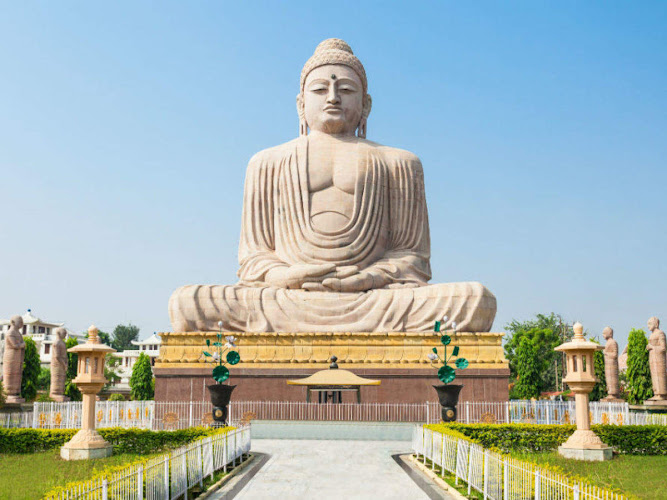
The Great Buddha Statue stands as one of the most impressive modern additions to Bodh Gaya’s sacred landscape, and honestly, when you first catch sight of it rising 25 meters into the sky, it’s genuinely breathtaking.
Consecrated back in 1989, this magnificent stone monument was built to honor the Buddha and has since become an essential stop for anyone visiting this holy Buddhist site in Bihar, India.
What makes this statue particularly special is its proximity to the ancient Mahabodhi Temple, creating this interesting dialogue between old and new spiritual architecture. While the temple dates back centuries and marks the exact spot where Buddha attained enlightenment, the Great Buddha Statue represents contemporary devotion and craftsmanship. I remember reading somewhere that the statue took nearly seven years to complete, and when you see the intricate details carved into the red sandstone, you understand why.
The statue depicts Buddha in the meditation posture, sitting cross-legged with hands positioned in the dhyana mudra. The serene expression on the Buddha’s face manages to convey both peace and wisdom simultaneously, which is no small artistic achievement when you’re working at this scale. The surrounding garden area adds to the contemplative atmosphere, making it more than just a photo opportunity – though visitors definitely take advantage of that too.
Unlike some tourist attractions that feel commercialized or rushed, there’s something genuinely peaceful about spending time here. The statue serves as a focal point for meditation and reflection, and you’ll often find monks and pilgrims from around the world sitting in quiet contemplation around its base. But it’s also accessible enough that regular tourists can appreciate its beauty and significance without feeling like they’re intruding on something private.
The Great Buddha Statue offers visitors several distinctive elements that make it worth including in any Bodh Gaya itinerary:
• The statue reaches an impressive height of 25 meters (roughly 80 feet), making it one of the tallest Buddha statues in India and visible from various points around Bodh Gaya
• Constructed entirely from red sandstone and pink sandstone blocks, giving it a warm, earthy appearance that changes beautifully with the light throughout the day
• The Buddha sits on a large lotus throne, which itself is an architectural marvel with detailed petal carvings
• Wheelchair accessible facilities including entrance ramps, parking areas, and restroom facilities, making it genuinely inclusive for visitors with mobility challenges
• Well-maintained gardens surrounding the statue provide shaded areas perfect for rest and contemplation
• Onsite services available to help answer questions and provide guidance to visitors
• Clean restroom facilities, which believe me, is worth mentioning because that’s not always a given at tourist sites in this region
• The statue faces the Mahabodhi Temple, creating a meaningful spiritual connection between the two sites
• Ten smaller statues of Buddha’s disciples positioned around the main statue, each with their own unique expressions and poses
• Beautiful evening illumination that transforms the statue into an ethereal golden figure against the night sky
• A meditation park at the rear of the statue where visitors can practice meditation or simply sit quietly
• Free entry, making it accessible to all visitors regardless of budget
Timing your visit to the Great Buddha Statue can really make or break your experience, and I’ve learned this through both research and talking to folks who’ve been multiple times.
The absolute best months to visit are October through March when the weather in Bihar is most pleasant. During these months, temperatures hover between 10 to 25 degrees Celsius, which is perfect for spending time outdoors without melting into a puddle. The monsoon season from July to September brings heavy rains that can make getting around difficult, though some people find the post-rain atmosphere particularly spiritual.
Summer months from April to June? They’re brutal. Temperatures regularly exceed 40 degrees Celsius (104 Fahrenheit), and standing in front of a massive stone statue under the blazing sun isn’t exactly comfortable. If you absolutely must visit during summer, go very early morning – like sunrise early – or late evening after sunset.
Time of day matters almost as much as time of year. Early morning around 6-8 AM is magical. The light is soft, the crowds are thinner, and the temperature is bearable even in warmer months. Plus, you might catch monks performing their morning prayers. Late afternoon around 4-6 PM is the second-best option, especially if you want to see the statue illuminated at dusk.
Avoid visiting during major Buddhist festivals like Buddha Purnima (usually in May) unless you specifically want that experience. The crowds can be overwhelming, with thousands of pilgrims descending on Bodh Gaya. It’s culturally rich and spiritually significant, sure, but if you’re looking for quiet contemplation, it’s not ideal.
Weekdays are generally less crowded than weekends, though this isn’t as pronounced as at some tourist sites. And here’s something most guides don’t mention – the days immediately after major festivals can actually be perfect for visiting because the local tourist crowds have dispersed but the festive decorations often remain.
Getting to the Great Buddha Statue requires getting to Bodh Gaya first, and then the statue itself is pretty straightforward to reach once you’re in town.
The nearest airport is Gaya Airport, located about 12 kilometers from Bodh Gaya. It’s a small airport but receives regular flights from Delhi, Kolkata, and other major Indian cities. From the airport, you can hire a taxi or auto-rickshaw directly to the statue area. The drive takes roughly 30-40 minutes depending on traffic, and you should expect to pay around 400-600 rupees for a taxi.
Gaya Junction railway station serves as the main rail hub, situated about 16 kilometers from Bodh Gaya. This station is well-connected to major cities across India including Delhi, Kolkata, Varanasi, and Mumbai. From Gaya Junction, you’ve got several options. Local buses run regularly to Bodh Gaya and cost next to nothing – maybe 20-30 rupees. Shared auto-rickshaws are another budget option at around 50 rupees per person. Private taxis offer more comfort for about 500-700 rupees.
Once you’re actually in Bodh Gaya, the Great Buddha Statue is located within easy reach of the town center. It’s approximately 300 meters from the Mahabodhi Temple, and many visitors simply walk between the two sites. The walk takes maybe 5-10 minutes through relatively flat terrain.
Auto-rickshaws are everywhere in Bodh Gaya and drivers know the statue well – just say “Great Buddha Statue” or “80 feet Buddha” and they’ll understand. A ride from anywhere in central Bodh Gaya shouldn’t cost more than 50-100 rupees, though you’ll need to negotiate beforehand because meters are basically decorative.
Cycle-rickshaws offer a more eco-friendly and leisurely option for getting around town. They’re perfect if you’re not in a rush and want to soak in the local atmosphere. For those who enjoy cycling, several shops in Bodh Gaya rent bicycles for around 100-150 rupees per day.
If you’re staying at one of the many monasteries or guesthouses in Bodh Gaya, chances are the statue is within walking distance. The town isn’t huge, and walking is honestly one of the best ways to experience it.
After compiling experiences from numerous travelers and piecing together practical advice, here are the things you really need to know before visiting the Great Buddha Statue.
Dress modestly out of respect for the religious significance of the site. This means covering your shoulders and knees at minimum. Yes, it’s 2024 and you might think this shouldn’t matter, but it does to the local community and showing respect costs you nothing. Lightweight, breathable fabrics work best given the climate.
Bring a water bottle because staying hydrated is crucial, especially if you’re visiting outside the winter months. There are vendors around selling water, but having your own means you can drink whenever needed. And speaking of vendors, you’ll encounter people selling flowers, incense, and small Buddha statues. Buying is entirely optional – don’t feel pressured.
Photography is generally allowed and even encouraged at the statue, unlike some religious sites. But be mindful of people praying or meditating. Nobody wants a camera shoved in their face during a spiritual moment. The best photos come from the garden area anyway, where you can capture the full height of the statue with the sky as backdrop.
Remove your shoes before stepping onto the platform where the statue sits. There are usually designated shoe storage areas, and small fees (10-20 rupees) for attendants to watch your footwear. It’s worth paying because trying to find your shoes among hundreds of pairs is nobody’s idea of fun.
Visit the smaller statues surrounding the main Buddha. Most tourists rush to the big statue and ignore these, but each disciple statue has its own character and story. Taking time to observe them adds depth to the experience.
The onsite services I mentioned earlier? Actually use them if you have questions. The staff are generally knowledgeable about the statue’s history and Buddhist significance. I’ve heard from travelers that these conversations added meaningful context to their visit.
Consider combining your visit with meditation or quiet reflection. The garden areas are specifically designed for this, and you’ll find that sitting peacefully for even 15-20 minutes can be surprisingly restorative. You don’t need to be Buddhist or particularly spiritual – just sitting quietly works.
Sunrise and sunset visits require planning ahead because the gates do have operating hours. Generally the area opens around 5:30 AM and closes around 9 PM, but these times can shift slightly with seasons.
Watch your belongings because, like any tourist area, opportunistic theft can happen. It’s not common, but keeping your bag in front of you and your phone secured is just smart traveling.
If you’re visiting during a festival or holy day, expect crowds but also expect an incredibly rich cultural experience. The atmosphere transforms completely with devotional music, group prayers, and elaborate offerings.
Don’t rush. The biggest mistake travelers make is treating this as a quick photo stop between other sites. The statue deserves at least 45 minutes to an hour of your time to properly appreciate its scale, artistry, and the peaceful environment surrounding it.
Lastly, manage your expectations based on what you’re seeking. If you want ancient historical artifacts, the Mahabodhi Temple delivers that better. But if you appreciate modern religious art, peaceful gardens, and accessible meditation spaces, the Great Buddha Statue absolutely delivers. It’s not competing with the ancient temple nearby – it’s complementing it, and understanding that distinction helps you appreciate what makes this statue special in its own right.

Last modified August 17, 2026
The Great Buddha Statue stands as one of the most impressive modern additions to Bodh Gaya’s sacred landscape, and honestly, when you first catch sight of it rising 25 meters into the sky, it’s genuinely breathtaking. Consecrated back in 1989, this magnificent stone monument was built to honor the Buddha and has since become an essential stop for anyone visiting this holy Buddhist site in Bihar, India.
What makes this statue particularly special is its proximity to the ancient Mahabodhi Temple, creating this interesting dialogue between old and new spiritual architecture. While the temple dates back centuries and marks the exact spot where Buddha attained enlightenment, the Great Buddha Statue represents contemporary devotion and craftsmanship. I remember reading somewhere that the statue took nearly seven years to complete, and when you see the intricate details carved into the red sandstone, you understand why.
The statue depicts Buddha in the meditation posture, sitting cross-legged with hands positioned in the dhyana mudra. The serene expression on the Buddha’s face manages to convey both peace and wisdom simultaneously, which is no small artistic achievement when you’re working at this scale. The surrounding garden area adds to the contemplative atmosphere, making it more than just a photo opportunity – though visitors definitely take advantage of that too.
Unlike some tourist attractions that feel commercialized or rushed, there’s something genuinely peaceful about spending time here. The statue serves as a focal point for meditation and reflection, and you’ll often find monks and pilgrims from around the world sitting in quiet contemplation around its base. But it’s also accessible enough that regular tourists can appreciate its beauty and significance without feeling like they’re intruding on something private.
The Great Buddha Statue offers visitors several distinctive elements that make it worth including in any Bodh Gaya itinerary:
• The statue reaches an impressive height of 25 meters (roughly 80 feet), making it one of the tallest Buddha statues in India and visible from various points around Bodh Gaya
• Constructed entirely from red sandstone and pink sandstone blocks, giving it a warm, earthy appearance that changes beautifully with the light throughout the day
• The Buddha sits on a large lotus throne, which itself is an architectural marvel with detailed petal carvings
• Wheelchair accessible facilities including entrance ramps, parking areas, and restroom facilities, making it genuinely inclusive for visitors with mobility challenges
• Well-maintained gardens surrounding the statue provide shaded areas perfect for rest and contemplation
• Onsite services available to help answer questions and provide guidance to visitors
• Clean restroom facilities, which believe me, is worth mentioning because that’s not always a given at tourist sites in this region
• The statue faces the Mahabodhi Temple, creating a meaningful spiritual connection between the two sites
• Ten smaller statues of Buddha’s disciples positioned around the main statue, each with their own unique expressions and poses
• Beautiful evening illumination that transforms the statue into an ethereal golden figure against the night sky
• A meditation park at the rear of the statue where visitors can practice meditation or simply sit quietly
• Free entry, making it accessible to all visitors regardless of budget
Timing your visit to the Great Buddha Statue can really make or break your experience, and I’ve learned this through both research and talking to folks who’ve been multiple times.
The absolute best months to visit are October through March when the weather in Bihar is most pleasant. During these months, temperatures hover between 10 to 25 degrees Celsius, which is perfect for spending time outdoors without melting into a puddle. The monsoon season from July to September brings heavy rains that can make getting around difficult, though some people find the post-rain atmosphere particularly spiritual.
Summer months from April to June? They’re brutal. Temperatures regularly exceed 40 degrees Celsius (104 Fahrenheit), and standing in front of a massive stone statue under the blazing sun isn’t exactly comfortable. If you absolutely must visit during summer, go very early morning – like sunrise early – or late evening after sunset.
Time of day matters almost as much as time of year. Early morning around 6-8 AM is magical. The light is soft, the crowds are thinner, and the temperature is bearable even in warmer months. Plus, you might catch monks performing their morning prayers. Late afternoon around 4-6 PM is the second-best option, especially if you want to see the statue illuminated at dusk.
Avoid visiting during major Buddhist festivals like Buddha Purnima (usually in May) unless you specifically want that experience. The crowds can be overwhelming, with thousands of pilgrims descending on Bodh Gaya. It’s culturally rich and spiritually significant, sure, but if you’re looking for quiet contemplation, it’s not ideal.
Weekdays are generally less crowded than weekends, though this isn’t as pronounced as at some tourist sites. And here’s something most guides don’t mention – the days immediately after major festivals can actually be perfect for visiting because the local tourist crowds have dispersed but the festive decorations often remain.
Getting to the Great Buddha Statue requires getting to Bodh Gaya first, and then the statue itself is pretty straightforward to reach once you’re in town.
The nearest airport is Gaya Airport, located about 12 kilometers from Bodh Gaya. It’s a small airport but receives regular flights from Delhi, Kolkata, and other major Indian cities. From the airport, you can hire a taxi or auto-rickshaw directly to the statue area. The drive takes roughly 30-40 minutes depending on traffic, and you should expect to pay around 400-600 rupees for a taxi.
Gaya Junction railway station serves as the main rail hub, situated about 16 kilometers from Bodh Gaya. This station is well-connected to major cities across India including Delhi, Kolkata, Varanasi, and Mumbai. From Gaya Junction, you’ve got several options. Local buses run regularly to Bodh Gaya and cost next to nothing – maybe 20-30 rupees. Shared auto-rickshaws are another budget option at around 50 rupees per person. Private taxis offer more comfort for about 500-700 rupees.
Once you’re actually in Bodh Gaya, the Great Buddha Statue is located within easy reach of the town center. It’s approximately 300 meters from the Mahabodhi Temple, and many visitors simply walk between the two sites. The walk takes maybe 5-10 minutes through relatively flat terrain.
Auto-rickshaws are everywhere in Bodh Gaya and drivers know the statue well – just say “Great Buddha Statue” or “80 feet Buddha” and they’ll understand. A ride from anywhere in central Bodh Gaya shouldn’t cost more than 50-100 rupees, though you’ll need to negotiate beforehand because meters are basically decorative.
Cycle-rickshaws offer a more eco-friendly and leisurely option for getting around town. They’re perfect if you’re not in a rush and want to soak in the local atmosphere. For those who enjoy cycling, several shops in Bodh Gaya rent bicycles for around 100-150 rupees per day.
If you’re staying at one of the many monasteries or guesthouses in Bodh Gaya, chances are the statue is within walking distance. The town isn’t huge, and walking is honestly one of the best ways to experience it.
After compiling experiences from numerous travelers and piecing together practical advice, here are the things you really need to know before visiting the Great Buddha Statue.
Dress modestly out of respect for the religious significance of the site. This means covering your shoulders and knees at minimum. Yes, it’s 2024 and you might think this shouldn’t matter, but it does to the local community and showing respect costs you nothing. Lightweight, breathable fabrics work best given the climate.
Bring a water bottle because staying hydrated is crucial, especially if you’re visiting outside the winter months. There are vendors around selling water, but having your own means you can drink whenever needed. And speaking of vendors, you’ll encounter people selling flowers, incense, and small Buddha statues. Buying is entirely optional – don’t feel pressured.
Photography is generally allowed and even encouraged at the statue, unlike some religious sites. But be mindful of people praying or meditating. Nobody wants a camera shoved in their face during a spiritual moment. The best photos come from the garden area anyway, where you can capture the full height of the statue with the sky as backdrop.
Remove your shoes before stepping onto the platform where the statue sits. There are usually designated shoe storage areas, and small fees (10-20 rupees) for attendants to watch your footwear. It’s worth paying because trying to find your shoes among hundreds of pairs is nobody’s idea of fun.
Visit the smaller statues surrounding the main Buddha. Most tourists rush to the big statue and ignore these, but each disciple statue has its own character and story. Taking time to observe them adds depth to the experience.
The onsite services I mentioned earlier? Actually use them if you have questions. The staff are generally knowledgeable about the statue’s history and Buddhist significance. I’ve heard from travelers that these conversations added meaningful context to their visit.
Consider combining your visit with meditation or quiet reflection. The garden areas are specifically designed for this, and you’ll find that sitting peacefully for even 15-20 minutes can be surprisingly restorative. You don’t need to be Buddhist or particularly spiritual – just sitting quietly works.
Sunrise and sunset visits require planning ahead because the gates do have operating hours. Generally the area opens around 5:30 AM and closes around 9 PM, but these times can shift slightly with seasons.
Watch your belongings because, like any tourist area, opportunistic theft can happen. It’s not common, but keeping your bag in front of you and your phone secured is just smart traveling.
If you’re visiting during a festival or holy day, expect crowds but also expect an incredibly rich cultural experience. The atmosphere transforms completely with devotional music, group prayers, and elaborate offerings.
Don’t rush. The biggest mistake travelers make is treating this as a quick photo stop between other sites. The statue deserves at least 45 minutes to an hour of your time to properly appreciate its scale, artistry, and the peaceful environment surrounding it.
Lastly, manage your expectations based on what you’re seeking. If you want ancient historical artifacts, the Mahabodhi Temple delivers that better. But if you appreciate modern religious art, peaceful gardens, and accessible meditation spaces, the Great Buddha Statue absolutely delivers. It’s not competing with the ancient temple nearby – it’s complementing it, and understanding that distinction helps you appreciate what makes this statue special in its own right.
No reviews found! Be the first to review!
The Great Buddha Statue is a prominent attractions located in Bodh Gaya.
Visit us at: Great Buddha Campus Road, Great Buddha Rd, Bodh Gaya, Bihar 824231, India.
Stay22 provides this accommodation search. We may earn a commission if you book through it; verify current prices and terms with the provider.
GetYourGuide provides this tour inventory. We may earn a commission if you book through it; verify current availability, prices, and terms with the provider.
We may earn a commission if you book through links on this page at no extra cost to you. All tours feature verified customer reviews and flexible cancellation options.
No traveler reviews yet. Share your experience below!
No traveler questions yet. Be the first to ask a local!