
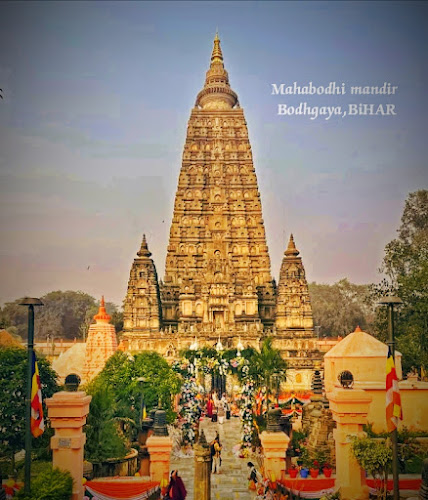
Mahabodhi Temple
About Mahabodhi Temple
Description
The Mahabodhi Temple stands as one of Buddhism's most sacred sites, marking the exact spot where Siddhartha Gautama attained enlightenment under the Bodhi tree around 2,500 years ago. This remarkable temple complex in Bodh Gaya, Bihar, draws pilgrims and travelers from every corner of the globe who come to witness the place where Buddhism was born. The main temple tower rises to about 55 meters, its pyramidal structure adorned with intricate carvings that tell stories spanning millennia. Walking through these grounds feels different than visiting other historical sites, if I'm being honest. There's this palpable sense of peace that settles over you the moment you step inside, regardless of your own spiritual beliefs or background. The temple's architecture reflects the classic style of Indian temple construction from the late Gupta period, though the site itself has been rebuilt and renovated numerous times since its original construction in the 3rd century BCE by Emperor Ashoka. I remember reading somewhere that the temple was actually forgotten for centuries, buried under layers of earth and vegetation until British archaeologists rediscovered it in the 19th century. That fact alone gives you pause when you consider how many pilgrims have walked these same paths over thousands of years, seeking the same sense of enlightenment and peace. The UNESCO World Heritage Site designation came in 2002, recognizing both the temple's architectural significance and its profound spiritual importance to millions of Buddhists worldwide. But what really makes this place special isn't just its age or its religious significance - it's the living, breathing spirituality that continues here daily. Monks from Thailand, Japan, Tibet, Myanmar, and countless other countries maintain a constant presence, their chanting and meditation practices creating an atmosphere that's genuinely unlike anywhere else on Earth.Key Features
The Mahabodhi Temple complex offers several extraordinary elements that make it a must-visit destination for anyone interested in Buddhist history, spirituality, or simply experiencing one of humanity's most sacred spaces.- The Sacred Bodhi Tree - Descendants of the original tree under which Buddha achieved enlightenment still grows on the temple grounds. The current tree is believed to be a direct descendant through multiple generations of cuttings and plantings. Pilgrims tie colorful prayer flags to its branches and meditate beneath its canopy throughout the day and night.
- The Main Temple Tower - This stunning pyramidal spire rises majestically above the complex, covered in detailed carvings and niches containing Buddha statues. The architectural design influenced temple construction across Asia for centuries afterward.
- The Vajrasana (Diamond Throne) - Located directly beneath the Bodhi Tree, this red sandstone slab marks the precise meditation spot where Buddha sat during his enlightenment. It's considered the spiritual center of the entire Buddhist world.
- Seven Sacred Sites - Within the temple grounds, seven specific locations mark where Buddha spent each of the seven weeks following his enlightenment, including the Animeshlocha Stupa where he stood gazing at the Bodhi tree without blinking.
- The Lotus Pond - Also called Lotus Tank, this rectangular water body is where Buddha is said to have bathed. The serene reflection of the temple in its waters creates one of the most photographed scenes in the complex.
- Ancient Railings - Original sandstone railings from the Sunga period (around 150 BCE) still surround portions of the complex, featuring medallions with beautiful floral and geometric patterns.
- International Monasteries - The surrounding area hosts monasteries built by Buddhist communities from different countries, each reflecting their unique architectural traditions while honoring the sacred site.
- Archaeological Museum - A nearby museum houses artifacts recovered from the site, including sculptures, coins, and other relics spanning different historical periods.
Best Time to Visit
Planning your visit to the Mahabodhi Temple requires some thought about weather conditions and festival schedules. The ideal months are October through March when temperatures remain pleasant and conducive to spending extended time outdoors exploring the complex. During these months, daytime temperatures hover between 20-30°C, making it comfortable to walk around and meditate in the open air. Winter months from December to February can get surprisingly chilly in the mornings and evenings - I've heard from friends who visited that they needed light jackets for early morning meditation sessions. But honestly, those cooler temperatures are infinitely preferable to the scorching heat that descends between April and June when mercury levels can shoot past 45°C. The monsoon season from July to September brings heavy rainfall which, while cooling things down, can make navigating the grounds muddy and less enjoyable. The most spiritually charged time to visit is during Buddha Purnima (also called Vesak), typically falling in April or May depending on the lunar calendar. This festival celebrates Buddha's birth, enlightenment, and death, drawing massive crowds of pilgrims from around the world. The temple complex transforms during this period with elaborate decorations, continuous chanting, and ceremonial offerings. However, be prepared for significant crowds and book accomodations well in advance if you're planning to visit during this festival. Another fascinating time is during the Tibetan New Year (Losar) when Tibetan Buddhist communities gather for special prayers and celebrations. The winter months also see many long-term meditators and monks settling in for extended retreats, creating an especially contemplative atmosphere. For photographers and those seeking a more peaceful experience, weekday mornings right after sunrise offer the best combination of good light and fewer crowds. The temple opens early, and there's something magical about watching the first rays of sunlight illuminate the ancient stones while monks begin their morning prayers.How to Get There
Getting to the Mahabodhi Temple requires a bit of journey planning since Bodh Gaya isn't exactly on the beaten tourist path, but the pilgrimage itself becomes part of the experience. The nearest airport is Gaya Airport, located approximately 12 kilometers from Bodh Gaya. This airport has improved significantly in recent years with direct flights from major Indian cities including Delhi, Kolkata, Mumbai, and Bangkok. From the airport, taxis and auto-rickshaws are readily available for the 30-minute drive to the temple complex. Pre-paid taxi services operate from the airport, which helps avoid haggling and ensures fair pricing. If you're traveling by train, Gaya Junction is the main railway station about 16 kilometers away. It's well-connected to major cities across India including Delhi, Kolkata, Varanasi, and Patna. The journey from Varanasi to Gaya takes roughly 6-7 hours and makes for an interesting overnight trip. From Gaya station, local buses, shared taxis, and auto-rickshaws regularly run to Bodh Gaya. The train journey through rural Bihar gives you glimpses of authentic Indian countryside that most tourists never see. Many travelers combine their visit with other Buddhist pilgrimage sites in the region, creating what's known as the Buddhist Circuit. Nalanda (ancient university ruins) is about 90 kilometers away, and Rajgir (another important Buddhist site) is roughly 75 kilometers distant. Hiring a car with a driver for a few days can be cost-effective if you're planning to visit multiple locations. Road connections from Patna (the state capital) are decent, though expect the journey to take around 3-4 hours for the roughly 110 kilometer distance. Indian roads can be unpredictable, so build in extra time for your travel plans. Once you're in Bodh Gaya itself, the town is compact enough that you can walk to most places. The temple sits right in the center of town, making it easily accessible from any hotel or guesthouse in the area.Tips for Visiting
Visiting the Mahabodhi Temple isn't complicated, but knowing a few practical details beforehand will enhance your experience considerably. First off, dress modestly out of respect for the sacred nature of the site. Cover your shoulders and knees - this isn't just about following rules but showing consideration for the pilgrims who've traveled thousands of miles to worship here. You'll need to remove your shoes before entering the main temple building, so wear footwear that's easy to slip on and off. The ground can get hot during midday, so thick socks aren't a bad idea if you're visiting during warmer months. Security measures are relatively strict, and you'll go through metal detectors and bag checks at the entrance. Large bags and backpacks aren't allowed inside, though small purses and camera bags are typically fine. There's a cloakroom where you can store larger items. Cameras are permitted, and there's no photography fee, but be mindful about taking photos of people praying or meditating without permission. The temple complex is wheelchair accessible with ramps and paved pathways, making it possible for visitors with mobility challenges to experience most areas. Restroom facilities are available on-site, though they're basic - don't expect Western-style amenities. Allocate at least 2-3 hours for a thorough visit, though many people find themselves staying much longer. The atmosphere encourages slow, contemplative exploration rather than rushing through with a checklist mentality. And honestly, sitting under the Bodhi tree for meditation or quiet reflection might end up being the highlight of your visit, regardless of your religious background. Early morning visits between 5:30 and 8:00 AM offer the best experience with fewer crowds and cooler temperatures. The evening prayer sessions around sunset are also beautiful, with the sound of chanting filling the air as lamps are lit throughout the complex. Hiring a guide can significantly enrich your understanding of the site's history and Buddhist symbolism. Official guides are available near the entrance, but make sure to agree on the price beforehand. Alternatively, audioguides and detailed information boards throughout the complex provide excellent context. The surrounding area has numerous restaurants and food stalls catering to international pilgrims, offering everything from Tibetan momos to Thai curries alongside Indian cuisine. Most establishments understand that many Buddhist visitors prefer vegetarian options, so finding meat-free meals is never a problem. Be prepared for people selling prayer flags, Buddhist artifacts, and souvenirs around the temple perimeter. While some items are genuinely handcrafted, others are mass-produced. Bargaining is expected in the local markets, but do it respectfully. One thing I wish someone had told me before my visit - the temple is a living place of worship, not just a tourist attraction. You'll see monks and pilgrims prostrating, circumambulating the temple, and engaging in deep meditation. This isn't a performance for visitors; it's their genuine spiritual practice. Maintaining a respectful, quiet demeanor helps preserve the sanctity of the space for everyone. Finally, consider extending your stay beyond just a quick temple visit. Bodh Gaya has numerous meditation centers offering courses ranging from single-day sessions to month-long retreats. Even if you're not particularly spiritual, learning basic meditation techniques in the birthplace of Buddhism creates a memorable and potentially life-changing experience. The town itself, while small, has developed an interesting international character with monks and practitioners from dozens of countries creating a unique cultural blend you won't find anywhere else in India.Key Features
- Sacred Bodhi Tree (descendant of the original tree under which Buddha attained enlightenment)
- Main Mahabodhi Temple with tall pyramidal brick spire and ancient masonry
- Numerous votive stupas, carved panels and inscriptions spanning centuries
- Active pilgrimage site with daily rituals, meditation and chanting
- UNESCO World Heritage Site status and well-preserved archaeological remains
More Details
Updated March 30, 2026
Table of Contents
Description
The Mahabodhi Temple stands as one of Buddhism’s most sacred sites, marking the exact spot where Siddhartha Gautama attained enlightenment under the Bodhi tree around 2,500 years ago. This remarkable temple complex in Bodh Gaya, Bihar, draws pilgrims and travelers from every corner of the globe who come to witness the place where Buddhism was born. The main temple tower rises to about 55 meters, its pyramidal structure adorned with intricate carvings that tell stories spanning millennia.
Walking through these grounds feels different than visiting other historical sites, if I’m being honest. There’s this palpable sense of peace that settles over you the moment you step inside, regardless of your own spiritual beliefs or background. The temple’s architecture reflects the classic style of Indian temple construction from the late Gupta period, though the site itself has been rebuilt and renovated numerous times since its original construction in the 3rd century BCE by Emperor Ashoka.
I remember reading somewhere that the temple was actually forgotten for centuries, buried under layers of earth and vegetation until British archaeologists rediscovered it in the 19th century. That fact alone gives you pause when you consider how many pilgrims have walked these same paths over thousands of years, seeking the same sense of enlightenment and peace.
The UNESCO World Heritage Site designation came in 2002, recognizing both the temple’s architectural significance and its profound spiritual importance to millions of Buddhists worldwide. But what really makes this place special isn’t just its age or its religious significance – it’s the living, breathing spirituality that continues here daily. Monks from Thailand, Japan, Tibet, Myanmar, and countless other countries maintain a constant presence, their chanting and meditation practices creating an atmosphere that’s genuinely unlike anywhere else on Earth.
Key Features
The Mahabodhi Temple complex offers several extraordinary elements that make it a must-visit destination for anyone interested in Buddhist history, spirituality, or simply experiencing one of humanity’s most sacred spaces.
- The Sacred Bodhi Tree – Descendants of the original tree under which Buddha achieved enlightenment still grows on the temple grounds. The current tree is believed to be a direct descendant through multiple generations of cuttings and plantings. Pilgrims tie colorful prayer flags to its branches and meditate beneath its canopy throughout the day and night.
- The Main Temple Tower – This stunning pyramidal spire rises majestically above the complex, covered in detailed carvings and niches containing Buddha statues. The architectural design influenced temple construction across Asia for centuries afterward.
- The Vajrasana (Diamond Throne) – Located directly beneath the Bodhi Tree, this red sandstone slab marks the precise meditation spot where Buddha sat during his enlightenment. It’s considered the spiritual center of the entire Buddhist world.
- Seven Sacred Sites – Within the temple grounds, seven specific locations mark where Buddha spent each of the seven weeks following his enlightenment, including the Animeshlocha Stupa where he stood gazing at the Bodhi tree without blinking.
- The Lotus Pond – Also called Lotus Tank, this rectangular water body is where Buddha is said to have bathed. The serene reflection of the temple in its waters creates one of the most photographed scenes in the complex.
- Ancient Railings – Original sandstone railings from the Sunga period (around 150 BCE) still surround portions of the complex, featuring medallions with beautiful floral and geometric patterns.
- International Monasteries – The surrounding area hosts monasteries built by Buddhist communities from different countries, each reflecting their unique architectural traditions while honoring the sacred site.
- Archaeological Museum – A nearby museum houses artifacts recovered from the site, including sculptures, coins, and other relics spanning different historical periods.
Best Time to Visit
Planning your visit to the Mahabodhi Temple requires some thought about weather conditions and festival schedules. The ideal months are October through March when temperatures remain pleasant and conducive to spending extended time outdoors exploring the complex. During these months, daytime temperatures hover between 20-30°C, making it comfortable to walk around and meditate in the open air.
Winter months from December to February can get surprisingly chilly in the mornings and evenings – I’ve heard from friends who visited that they needed light jackets for early morning meditation sessions. But honestly, those cooler temperatures are infinitely preferable to the scorching heat that descends between April and June when mercury levels can shoot past 45°C. The monsoon season from July to September brings heavy rainfall which, while cooling things down, can make navigating the grounds muddy and less enjoyable.
The most spiritually charged time to visit is during Buddha Purnima (also called Vesak), typically falling in April or May depending on the lunar calendar. This festival celebrates Buddha’s birth, enlightenment, and death, drawing massive crowds of pilgrims from around the world. The temple complex transforms during this period with elaborate decorations, continuous chanting, and ceremonial offerings. However, be prepared for significant crowds and book accomodations well in advance if you’re planning to visit during this festival.
Another fascinating time is during the Tibetan New Year (Losar) when Tibetan Buddhist communities gather for special prayers and celebrations. The winter months also see many long-term meditators and monks settling in for extended retreats, creating an especially contemplative atmosphere.
For photographers and those seeking a more peaceful experience, weekday mornings right after sunrise offer the best combination of good light and fewer crowds. The temple opens early, and there’s something magical about watching the first rays of sunlight illuminate the ancient stones while monks begin their morning prayers.
How to Get There
Getting to the Mahabodhi Temple requires a bit of journey planning since Bodh Gaya isn’t exactly on the beaten tourist path, but the pilgrimage itself becomes part of the experience.
The nearest airport is Gaya Airport, located approximately 12 kilometers from Bodh Gaya. This airport has improved significantly in recent years with direct flights from major Indian cities including Delhi, Kolkata, Mumbai, and Bangkok. From the airport, taxis and auto-rickshaws are readily available for the 30-minute drive to the temple complex. Pre-paid taxi services operate from the airport, which helps avoid haggling and ensures fair pricing.
If you’re traveling by train, Gaya Junction is the main railway station about 16 kilometers away. It’s well-connected to major cities across India including Delhi, Kolkata, Varanasi, and Patna. The journey from Varanasi to Gaya takes roughly 6-7 hours and makes for an interesting overnight trip. From Gaya station, local buses, shared taxis, and auto-rickshaws regularly run to Bodh Gaya. The train journey through rural Bihar gives you glimpses of authentic Indian countryside that most tourists never see.
Many travelers combine their visit with other Buddhist pilgrimage sites in the region, creating what’s known as the Buddhist Circuit. Nalanda (ancient university ruins) is about 90 kilometers away, and Rajgir (another important Buddhist site) is roughly 75 kilometers distant. Hiring a car with a driver for a few days can be cost-effective if you’re planning to visit multiple locations.
Road connections from Patna (the state capital) are decent, though expect the journey to take around 3-4 hours for the roughly 110 kilometer distance. Indian roads can be unpredictable, so build in extra time for your travel plans.
Once you’re in Bodh Gaya itself, the town is compact enough that you can walk to most places. The temple sits right in the center of town, making it easily accessible from any hotel or guesthouse in the area.
Tips for Visiting
Visiting the Mahabodhi Temple isn’t complicated, but knowing a few practical details beforehand will enhance your experience considerably.
First off, dress modestly out of respect for the sacred nature of the site. Cover your shoulders and knees – this isn’t just about following rules but showing consideration for the pilgrims who’ve traveled thousands of miles to worship here. You’ll need to remove your shoes before entering the main temple building, so wear footwear that’s easy to slip on and off. The ground can get hot during midday, so thick socks aren’t a bad idea if you’re visiting during warmer months.
Security measures are relatively strict, and you’ll go through metal detectors and bag checks at the entrance. Large bags and backpacks aren’t allowed inside, though small purses and camera bags are typically fine. There’s a cloakroom where you can store larger items. Cameras are permitted, and there’s no photography fee, but be mindful about taking photos of people praying or meditating without permission.
The temple complex is wheelchair accessible with ramps and paved pathways, making it possible for visitors with mobility challenges to experience most areas. Restroom facilities are available on-site, though they’re basic – don’t expect Western-style amenities.
Allocate at least 2-3 hours for a thorough visit, though many people find themselves staying much longer. The atmosphere encourages slow, contemplative exploration rather than rushing through with a checklist mentality. And honestly, sitting under the Bodhi tree for meditation or quiet reflection might end up being the highlight of your visit, regardless of your religious background.
Early morning visits between 5:30 and 8:00 AM offer the best experience with fewer crowds and cooler temperatures. The evening prayer sessions around sunset are also beautiful, with the sound of chanting filling the air as lamps are lit throughout the complex.
Hiring a guide can significantly enrich your understanding of the site’s history and Buddhist symbolism. Official guides are available near the entrance, but make sure to agree on the price beforehand. Alternatively, audioguides and detailed information boards throughout the complex provide excellent context.
The surrounding area has numerous restaurants and food stalls catering to international pilgrims, offering everything from Tibetan momos to Thai curries alongside Indian cuisine. Most establishments understand that many Buddhist visitors prefer vegetarian options, so finding meat-free meals is never a problem.
Be prepared for people selling prayer flags, Buddhist artifacts, and souvenirs around the temple perimeter. While some items are genuinely handcrafted, others are mass-produced. Bargaining is expected in the local markets, but do it respectfully.
One thing I wish someone had told me before my visit – the temple is a living place of worship, not just a tourist attraction. You’ll see monks and pilgrims prostrating, circumambulating the temple, and engaging in deep meditation. This isn’t a performance for visitors; it’s their genuine spiritual practice. Maintaining a respectful, quiet demeanor helps preserve the sanctity of the space for everyone.
Finally, consider extending your stay beyond just a quick temple visit. Bodh Gaya has numerous meditation centers offering courses ranging from single-day sessions to month-long retreats. Even if you’re not particularly spiritual, learning basic meditation techniques in the birthplace of Buddhism creates a memorable and potentially life-changing experience. The town itself, while small, has developed an interesting international character with monks and practitioners from dozens of countries creating a unique cultural blend you won’t find anywhere else in India.
Key Highlights
- Sacred Bodhi Tree (descendant of the original tree under which Buddha attained enlightenment)
- Main Mahabodhi Temple with tall pyramidal brick spire and ancient masonry
- Numerous votive stupas, carved panels and inscriptions spanning centuries
- Active pilgrimage site with daily rituals, meditation and chanting
- UNESCO World Heritage Site status and well-preserved archaeological remains
Location
Places to Stay Near Mahabodhi Temple
Find and Book a Tour
Explore More Travel Guides
No reviews found! Be the first to review!
Mahabodhi Temple is a prominent attractions located in Bodh Gaya.
Visit us at: Bodh Gaya, Bihar 824231, India.
Traveler Reviews for Mahabodhi Temple
There are no reviews yet. Be the first one to write one.
Have you visited Mahabodhi Temple? Help other travelers by sharing your review.
Nearby Attractions
You Might Also Like

Wat Thai Buddhagaya Temple

The Royal Bhutanese Monastery

Tibetan Refugee Market
Find Accommodations Nearby
Recommended Tours & Activities
Visitor Reviews
There are no reviews yet. Be the first one to write one.
Share Your Experience
Have you visited Mahabodhi Temple? Help other travelers by leaving a review.