
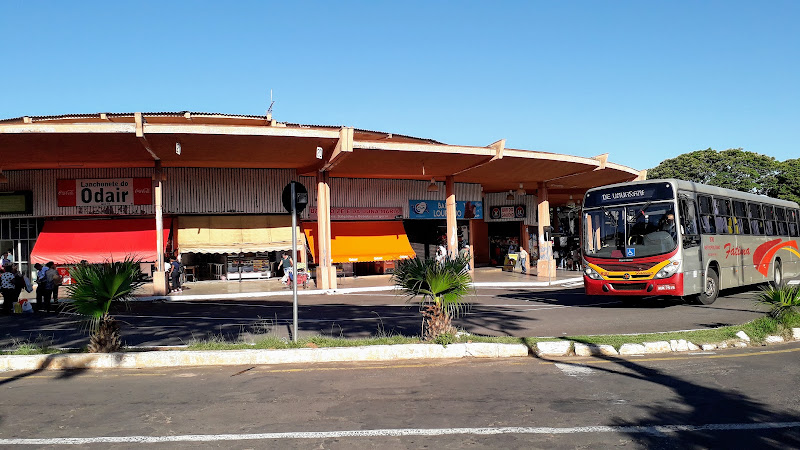
Terminal Rodoviário de Umuarama
About Terminal Rodoviário de Umuarama
The Terminal Rodoviário de Umuarama serves as the primary bus station for this northwestern city in Paraná, Brazil. This transportation hub connects travelers to destinations across the region and beyond, making it an essential stop for anyone exploring this part of the country. And honestly, it's one of those places that grows on you once you understand its rhythm.
The terminal operates around the clock, which I've found incredibly useful during those late-night arrivals or early morning departures that seem to define budget travel in Brazil. You'll find the facility maintains basic but functional amenities that cover the essentials - restrooms, baggage storage, and surprisingly good accessibility features that put many larger terminals to shame.
Like many bus stations throughout Brazil, this terminal reflects the real pulse of local life. But it's not all sunshine and roses - you'll encounter some social challenges here, including homeless individuals who often seek shelter in the facility. It's part of the authentic Brazilian travel experience, though it might catch first-time visitors off guard.
The terminal's design is straightforward and practical rather than impressive. You won't find fancy shops or gourmet restaurants here, but what you will discover is a genuine slice of regional transportation culture. The staff generally speaks Portuguese only, so brushing up on basic phrases will serve you well.
Key Features
Understanding what the Terminal Rodoviário de Umuarama offers helps set realistic expectations for your visit. Here's what awaits you:
- 24-hour operation - The terminal never sleeps, accommodating buses that arrive and depart at all hours
- Complete wheelchair accessibility - Entrance, parking, and restroom facilities all accommodate mobility needs
- Baggage storage services - Secure your belongings while exploring the city or during layovers
- Basic restroom facilities - Clean and accessible, though don't expect luxury
- Multiple bus company counters - Various operators serve different routes and destinations
- Waiting areas with seating - Basic but adequate for short to medium waits
- Small snack vendors - Limited food options but sufficient for basic needs
- Information boards - Departure and arrival times displayed in Portuguese
The accessibility features deserve special mention because they're genuinely well-implemented. I've seen travelers with mobility challenges navigate this terminal with relative ease, which isn't always the case in smaller Brazilian cities.
Best Time to Visit
Timing your visit to the Terminal Rodoviário de Umuarama can significantly impact your experience. The terminal sees its heaviest traffic during traditional travel periods, but the patterns might surprise you.
Early morning hours between 6 AM and 9 AM tend to be busiest as commuter and long-distance buses depart for major destinations. If you're catching a bus during this window, arrive at least 30 minutes early to navigate the crowds and secure your ticket.
Late evening arrivals, particularly between 9 PM and midnight, bring their own atmosphere. The terminal takes on a different character after dark - quieter in some ways, but with more transient individuals seeking shelter. It's not unsafe, but solo female travelers might prefer earlier departure times.
Weekends see increased activity as people travel to visit family or explore regional attractions. Friday evenings and Sunday afternoons are particularly busy, so plan accordingly if you're traveling during these peak times.
Weather considerations matter too. During Brazil's winter months (June through August), the terminal provides welcome shelter from cooler temperatures. But summer brings its own challenges - the facility can get stuffy, and the limited air conditioning struggles to keep up.
Honestly, there's no perfect time to visit any bus terminal, but mid-morning on weekdays offers the best balance of service availability and manageable crowds.
How to Get There
Reaching the Terminal Rodoviário de Umuarama requires some planning, especially if you're unfamiliar with the city's layout. The terminal sits in a location that's accessible but not necessarily central to tourist areas.
Local buses serve the terminal, though routes can be confusing for newcomers. Your best bet is asking at your hotel or accommodation for specific directions - most local staff know the bus lines that stop near the terminal. The fare is minimal, typically just a few reais, and buses run regularly throughout the day.
Taxis provide the most straightforward option, particularly if you're carrying luggage or traveling in a group. Most drivers know the terminal well, and the fare from central Umuarama hotels rarely exceeds 20 reais. Just be prepared to communicate in Portuguese or have your destination written down clearly.
Uber and similar ride-sharing services operate in Umuarama, though coverage can be spotty depending on the time of day. I've had good luck with Uber during daylight hours, but late-night availability is hit-or-miss.
Walking from central Umuarama is possible but not particularly pleasant - the route lacks sidewalks in some sections and isn't especially scenic. If you're staying nearby, it's manageable, but most travelers will prefer vehicular transport.
The terminal offers wheelchair-accessible parking for those arriving by car, which is genuinely helpful given that many Brazilian transportation facilities overlook this detail.
Tips for Visiting
Making the most of your time at Terminal Rodoviário de Umuarama comes down to preparation and realistic expectations. Here's what I've learned from multiple visits and conversations with fellow travelers.
Arrive with cash in hand - credit cards aren't universally accepted, and ATMs aren't always reliable. Bring small bills for snacks, drinks, and any service fees. And speaking of money, keep it secure but accessible since you'll need it for tickets and incidentals.
Language barriers are real here. Download a translation app or carry a Portuguese phrasebook. Basic phrases like "Que horas sai o ônibus?" (What time does the bus leave?) will serve you well. Station staff try to be helpful, but English proficiency is limited.
Food options are basic, so don't expect gourmet meals. The small vendors offer simple snacks, sodas, and coffee that's actually quite good. If you have dietary restrictions or prefer more variety, eat before arriving or bring your own provisions.
The baggage storage service is trustworthy, but keep valuables with you. It's perfect for larger luggage while you explore Umuarama during a layover, but don't store electronics, important documents, or significant amounts of cash.
Bathroom facilities are clean by Brazilian bus terminal standards, though bring your own toilet paper and hand sanitizer just in case. The accessibility features in the restrooms actually work well, which isn't always guaranteed.
Security is adequate but not exceptional. Keep an eye on your belongings and avoid flashing expensive items. The homeless population isn't generally aggressive, but some travelers feel uncomfortable with the situation. A respectful, firm "não, obrigado" usually handles any unwanted approaches.
Bus schedules change, sometimes without much notice. Confirm your departure time when you arrive, even if you purchased tickets in advance. Weather, mechanical issues, and other factors can affect timing.
Finally, patience goes a long way. This isn't São Paulo's Tietê terminal - things move at a smaller city pace, and that's part of the experience. Embrace the slower rhythm, strike up conversations with fellow travelers (Portuguese skills permitting), and you might find the Terminal Rodoviário de Umuarama more memorable than you expected.
You Might Also Like

Aerobunda
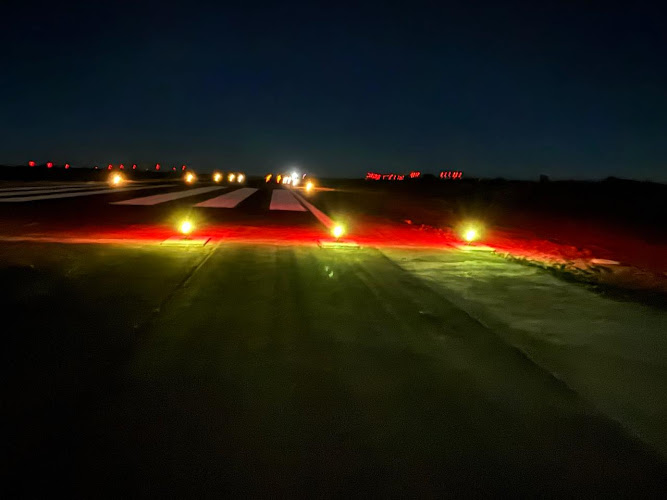
Aeródromo Campo Formoso - BA (SD27)
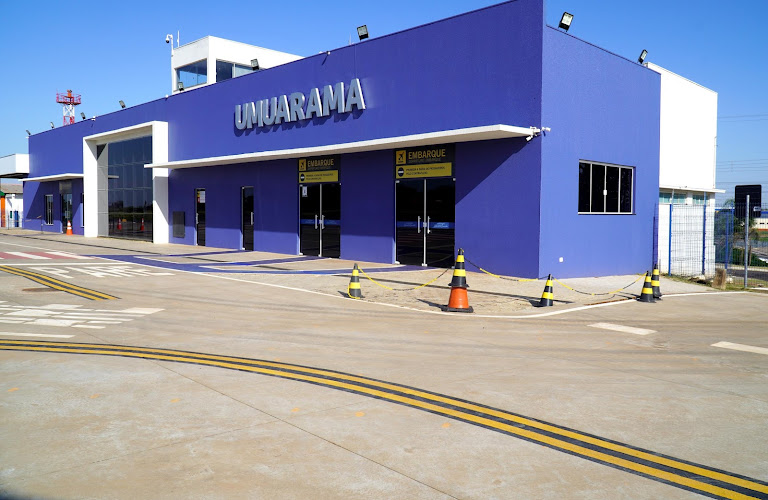
Aeroporto Municipal Orlando de Carvalho
Tours & Activities
GetYourGuide provides this tour inventory. We may earn a commission if you book through it; verify current availability, prices, and terms with the provider.
Visitor Reviews
There are no reviews yet. Be the first one to write one.
Share Your Experience
Have you visited Terminal Rodoviário de Umuarama? Help other travelers by leaving a review.