Templo del San Blas
About Templo del San Blas
Description
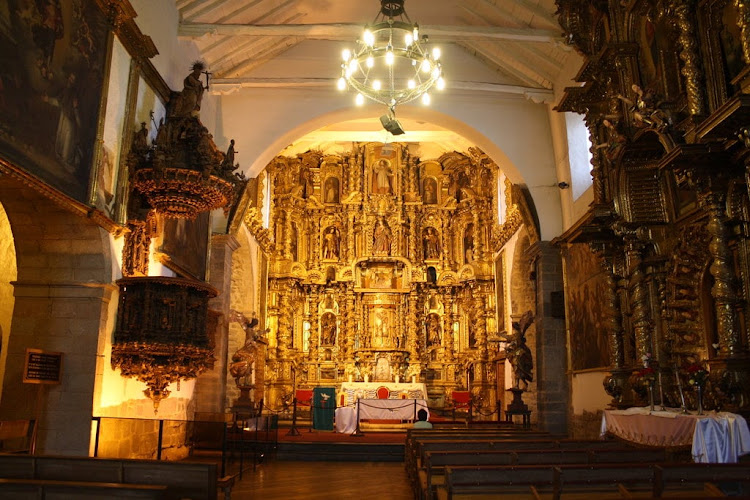
The Templo de San Blas stands as one of those historical gems that honestly makes you stop and think about the incredible craftsmanship of centuries past. Built during the mid-1500s, this Catholic church has been drawing visitors for nearly five centuries now, and when you step inside, you'll immediately understand why. The real showstopper here is the elaborately carved wooden pulpit, executed in the Spanish Churrigueresque style—a baroque architectural movement known for its dramatic ornamentation and almost overwhelming attention to detail. I've visited quite a few colonial churches throughout Mexico, and there's something particularly special about San Blas that sets it apart from the others. Maybe it's the way sunlight filters through the old windows and catches the intricacies of that pulpit, or perhaps it's just the weight of history you feel when you're standing in a space that's witnessed nearly 500 years of community life, prayer, and human experience. The Churrigueresque style wasn't subtle—it was meant to inspire awe and devotion through sheer artistic magnificence, and the artisans who created this pulpit certainly achieved that goal. What strikes most visitors first is the sense of stepping back in time. Unlike some heavily restored colonial structures that can feel a bit too polished, San Blas maintains an authentic character that speaks to its age and continuous use throughout the centuries. The church serves both as an active place of worship and as a significant tourist attraction, creating an interesting dynamic where spiritual tradition and cultural tourism coexist in the same sacred space.Key Features
The Templo de San Blas offers several remarkable elements that make it worth adding to any traveler's itinerary:- The magnificent wooden pulpit carved in Spanish Churrigueresque style, featuring intricate designs and craftsmanship that took skilled artisans considerable time to complete
- Original mid-1500s architecture that provides an authentic glimpse into colonial-era ecclesiastical design and construction techniques
- Active religious services that allow visitors to experience the church as a living, breathing community space rather than just a museum piece
- Historical significance as one of the region's oldest surviving colonial churches, connecting modern visitors to centuries of cultural heritage
- The ornate baroque details throughout the interior that showcase the artistic sensibilities of Spanish colonial religious architecture
- Relatively peaceful atmosphere compared to some of Mexico's more heavily touristed colonial churches, allowing for quiet contemplation and photography
- Architectural elements that reflect the meeting of Spanish colonial influences with local craftsmanship and materials
- Well-preserved interior features that have survived natural disasters, wars, and the general wear of nearly five centuries
Best Time to Visit
Timing your visit to Templo de San Blas can really enhance your experience, and I'd recommend considering a few different factors before you go. The church is open year-round, but the quality of your visit can vary quite a bit depending on when you show up. Early mornings are typically your best bet if you want to avoid crowds and experience the church in a more meditative, peaceful setting. There's something almost magical about being in these old colonial spaces before the tourist buses arrive—you can actually hear your footsteps echo and take your time examining all the details of that incredible pulpit without someone's selfie stick poking into your frame. Weekdays generally see fewer visitors than weekends, which makes sense since locals often attend services on Sundays and religious holidays. But here's the thing—if you want to see the church functioning as it was intended, attending a service can be a meaningful cultural experience. Just be respectful, dress modestly, and understand that you're a guest in someone's place of worship. The dry season, typically running from November through April, offers the most comfortable weather for exploring. You won't be dealing with the humidity and afternoon rainstorms that characterize the wetter months. That said, the rainy season has its own charm—fewer tourists and a certain dramatic quality to the atmosphere, especially if you catch the church just after a storm when the air is fresh and cool. If you're interested in photography, mid-morning light (around 10 AM to noon) tends to work beautifully for capturing the interior details. The natural light hits the pulpit and other carved elements at angles that really emphasize the depth and intricacy of the work. Major religious holidays like Easter week transform the church into an incredibly active space with special services and local celebrations. This can be fascinating from a cultural perspective, but don't expect a quiet, contemplative visit during these peak times.How to Get There
Getting to Templo de San Blas is generally straightforward, though your exact route will depend on where you're coming from and your preferred mode of transportation. The church is located in the historic center of the town, which means it's quite walkable once you've arrived in the general area. Many visitors find that exploring on foot is actually the best way to appreciate the colonial architecture and street life surrounding the church. And honestly, parking can be a bit tricky in the narrow colonial streets anyway, so walking eliminates that headache entirely. If you're driving from a nearby city, you'll want to head toward the town center and look for public parking areas on the periphery of the historic district. Local residents are usually pretty helpful if you need directions—don't be shy about asking. My experience has been that people appreciate when visitors make the effort to find these historical sites, and they're generally happy to point you in the right direction. Taxis and ride-sharing services can drop you quite close to the church, though you might need to walk the final block or two if vehicle access is restricted. Make sure to have the exact name ready—"Templo de San Blas"—because there might be other churches in the area and you don't want to end up at the wrong location. Public transportation options vary depending on the specific town, but local buses often have stops near the historic center. Ask your hotel or accommodation host for specific route numbers or bus names that will get you closest to the church. They'll usually have current information about schedules and fares. For those staying in the immediate area, the church is likely within easy walking distance from most hotels and guesthouses in the historic district. It's one of the advantages of these colonial town centers—everything tends to be compact and pedestrian-friendly.Tips for Visiting
Based on what I've learned about visiting colonial churches and what makes for a successful visit, here are some practical suggestions that'll help you make the most of your time at Templo de San Blas. Dress appropriately. This is still an active place of worship, not just a tourist attraction, so modest clothing is expected and appreciated. That means covering your shoulders and knees at minimum. I've seen people get turned away for wearing tank tops or short shorts, and it's an avoidable disappointment if you just plan ahead. Bring a light scarf or shawl if you're wearing something sleeveless—you can always drape it over your shoulders before entering. Photography policies can vary, so check before you start snapping pictures. Generally speaking, non-flash photography is allowed in many colonial churches, but this can change depending on whether services are happening or specific church policies. When in doubt, ask. And please, please don't use flash on that beautiful old wooden pulpit—it's disrespectful to other visitors and potentially damaging to the artwork. Take your time with the pulpit. It's easy to snap a quick photo and move on, but the Churrigueresque style is all about details within details. Spend a few minutes really looking at the carving work. You'll start noticing faces, patterns, and symbols you missed at first glance. Bring binoculars if you're really into architectural details—some of the finest work is in the upper sections. Visit during multiple times of day if you can. The changing natural light transforms the interior in surprising ways, and you'll notice different aspects of the architecture depending on how the sun is hitting the windows. Respect any services or prayers happening during your visit. If you walk in during mass or when someone is praying quietly, either wait or move very quietly and quickly. Your tourism is secondary to the church's primary function as a place of worship. Small donations are typically appreciated and help with maintenance of these historic structures. There's usually a collection box somewhere near the entrance. Even a small contribution helps preserve these incredible pieces of cultural heritage for future visitors. Combine your visit with exploring the surrounding historic district. The church didn't exist in isolation—it was part of a larger colonial town plan, and the surrounding streets, plazas, and buildings tell a broader story about life during that era. Bring water and wear comfortable shoes, especially if you're exploring the wider area. Colonial streets weren't designed for modern footwear, and cobblestones can be rough on your feet after a while. Learn a few basic phrases in Spanish if you don't speak the language. Even simple greetings and "thank you" go a long way in showing respect and often result in warmer interactions with locals and church staff. Check if there are any local guides available who can provide historical context and point out details you might otherwise miss. The stories behind these places really bring them to life in ways that just wandering around can't quite match. Be mindful that this is someone's community church, not a theme park. The people you see might be there for deeply personal spiritual reasons, so maintain an attitude of respect and quiet observation throughout your visit.Key Features
- Renowned carved wooden pulpit — considered one of Peru’s finest
- Small Baroque interior with colonial-era paintings and altarpieces
- Built in the mid-1500s on foundations that reflect pre-Columbian/Cusco layers
- Located in the artisan neighborhood of San Blas with narrow streets and craft shops
- Panoramic views of Cusco from the surrounding plaza and hilltop setting
More Details
Updated January 17, 2026
Table of Contents
Description
The Templo de San Blas stands as one of those historical gems that honestly makes you stop and think about the incredible craftsmanship of centuries past. Built during the mid-1500s, this Catholic church has been drawing visitors for nearly five centuries now, and when you step inside, you’ll immediately understand why. The real showstopper here is the elaborately carved wooden pulpit, executed in the Spanish Churrigueresque style—a baroque architectural movement known for its dramatic ornamentation and almost overwhelming attention to detail.
I’ve visited quite a few colonial churches throughout Mexico, and there’s something particularly special about San Blas that sets it apart from the others. Maybe it’s the way sunlight filters through the old windows and catches the intricacies of that pulpit, or perhaps it’s just the weight of history you feel when you’re standing in a space that’s witnessed nearly 500 years of community life, prayer, and human experience. The Churrigueresque style wasn’t subtle—it was meant to inspire awe and devotion through sheer artistic magnificence, and the artisans who created this pulpit certainly achieved that goal.
What strikes most visitors first is the sense of stepping back in time. Unlike some heavily restored colonial structures that can feel a bit too polished, San Blas maintains an authentic character that speaks to its age and continuous use throughout the centuries. The church serves both as an active place of worship and as a significant tourist attraction, creating an interesting dynamic where spiritual tradition and cultural tourism coexist in the same sacred space.
Key Features
The Templo de San Blas offers several remarkable elements that make it worth adding to any traveler’s itinerary:
- The magnificent wooden pulpit carved in Spanish Churrigueresque style, featuring intricate designs and craftsmanship that took skilled artisans considerable time to complete
- Original mid-1500s architecture that provides an authentic glimpse into colonial-era ecclesiastical design and construction techniques
- Active religious services that allow visitors to experience the church as a living, breathing community space rather than just a museum piece
- Historical significance as one of the region’s oldest surviving colonial churches, connecting modern visitors to centuries of cultural heritage
- The ornate baroque details throughout the interior that showcase the artistic sensibilities of Spanish colonial religious architecture
- Relatively peaceful atmosphere compared to some of Mexico’s more heavily touristed colonial churches, allowing for quiet contemplation and photography
- Architectural elements that reflect the meeting of Spanish colonial influences with local craftsmanship and materials
- Well-preserved interior features that have survived natural disasters, wars, and the general wear of nearly five centuries
Best Time to Visit
Timing your visit to Templo de San Blas can really enhance your experience, and I’d recommend considering a few different factors before you go. The church is open year-round, but the quality of your visit can vary quite a bit depending on when you show up.
Early mornings are typically your best bet if you want to avoid crowds and experience the church in a more meditative, peaceful setting. There’s something almost magical about being in these old colonial spaces before the tourist buses arrive—you can actually hear your footsteps echo and take your time examining all the details of that incredible pulpit without someone’s selfie stick poking into your frame.
Weekdays generally see fewer visitors than weekends, which makes sense since locals often attend services on Sundays and religious holidays. But here’s the thing—if you want to see the church functioning as it was intended, attending a service can be a meaningful cultural experience. Just be respectful, dress modestly, and understand that you’re a guest in someone’s place of worship.
The dry season, typically running from November through April, offers the most comfortable weather for exploring. You won’t be dealing with the humidity and afternoon rainstorms that characterize the wetter months. That said, the rainy season has its own charm—fewer tourists and a certain dramatic quality to the atmosphere, especially if you catch the church just after a storm when the air is fresh and cool.
If you’re interested in photography, mid-morning light (around 10 AM to noon) tends to work beautifully for capturing the interior details. The natural light hits the pulpit and other carved elements at angles that really emphasize the depth and intricacy of the work.
Major religious holidays like Easter week transform the church into an incredibly active space with special services and local celebrations. This can be fascinating from a cultural perspective, but don’t expect a quiet, contemplative visit during these peak times.
How to Get There
Getting to Templo de San Blas is generally straightforward, though your exact route will depend on where you’re coming from and your preferred mode of transportation.
The church is located in the historic center of the town, which means it’s quite walkable once you’ve arrived in the general area. Many visitors find that exploring on foot is actually the best way to appreciate the colonial architecture and street life surrounding the church. And honestly, parking can be a bit tricky in the narrow colonial streets anyway, so walking eliminates that headache entirely.
If you’re driving from a nearby city, you’ll want to head toward the town center and look for public parking areas on the periphery of the historic district. Local residents are usually pretty helpful if you need directions—don’t be shy about asking. My experience has been that people appreciate when visitors make the effort to find these historical sites, and they’re generally happy to point you in the right direction.
Taxis and ride-sharing services can drop you quite close to the church, though you might need to walk the final block or two if vehicle access is restricted. Make sure to have the exact name ready—”Templo de San Blas”—because there might be other churches in the area and you don’t want to end up at the wrong location.
Public transportation options vary depending on the specific town, but local buses often have stops near the historic center. Ask your hotel or accommodation host for specific route numbers or bus names that will get you closest to the church. They’ll usually have current information about schedules and fares.
For those staying in the immediate area, the church is likely within easy walking distance from most hotels and guesthouses in the historic district. It’s one of the advantages of these colonial town centers—everything tends to be compact and pedestrian-friendly.
Tips for Visiting
Based on what I’ve learned about visiting colonial churches and what makes for a successful visit, here are some practical suggestions that’ll help you make the most of your time at Templo de San Blas.
Dress appropriately. This is still an active place of worship, not just a tourist attraction, so modest clothing is expected and appreciated. That means covering your shoulders and knees at minimum. I’ve seen people get turned away for wearing tank tops or short shorts, and it’s an avoidable disappointment if you just plan ahead. Bring a light scarf or shawl if you’re wearing something sleeveless—you can always drape it over your shoulders before entering.
Photography policies can vary, so check before you start snapping pictures. Generally speaking, non-flash photography is allowed in many colonial churches, but this can change depending on whether services are happening or specific church policies. When in doubt, ask. And please, please don’t use flash on that beautiful old wooden pulpit—it’s disrespectful to other visitors and potentially damaging to the artwork.
Take your time with the pulpit. It’s easy to snap a quick photo and move on, but the Churrigueresque style is all about details within details. Spend a few minutes really looking at the carving work. You’ll start noticing faces, patterns, and symbols you missed at first glance. Bring binoculars if you’re really into architectural details—some of the finest work is in the upper sections.
Visit during multiple times of day if you can. The changing natural light transforms the interior in surprising ways, and you’ll notice different aspects of the architecture depending on how the sun is hitting the windows.
Respect any services or prayers happening during your visit. If you walk in during mass or when someone is praying quietly, either wait or move very quietly and quickly. Your tourism is secondary to the church’s primary function as a place of worship.
Small donations are typically appreciated and help with maintenance of these historic structures. There’s usually a collection box somewhere near the entrance. Even a small contribution helps preserve these incredible pieces of cultural heritage for future visitors.
Combine your visit with exploring the surrounding historic district. The church didn’t exist in isolation—it was part of a larger colonial town plan, and the surrounding streets, plazas, and buildings tell a broader story about life during that era.
Bring water and wear comfortable shoes, especially if you’re exploring the wider area. Colonial streets weren’t designed for modern footwear, and cobblestones can be rough on your feet after a while.
Learn a few basic phrases in Spanish if you don’t speak the language. Even simple greetings and “thank you” go a long way in showing respect and often result in warmer interactions with locals and church staff.
Check if there are any local guides available who can provide historical context and point out details you might otherwise miss. The stories behind these places really bring them to life in ways that just wandering around can’t quite match.
Be mindful that this is someone’s community church, not a theme park. The people you see might be there for deeply personal spiritual reasons, so maintain an attitude of respect and quiet observation throughout your visit.
Key Highlights
- Renowned carved wooden pulpit — considered one of Peru’s finest
- Small Baroque interior with colonial-era paintings and altarpieces
- Built in the mid-1500s on foundations that reflect pre-Columbian/Cusco layers
- Located in the artisan neighborhood of San Blas with narrow streets and craft shops
- Panoramic views of Cusco from the surrounding plaza and hilltop setting
Location
Places to Stay Near Templo del San Blas
Find and Book a Tour
Explore More Travel Guides
No reviews found! Be the first to review!
Traveler Reviews for Templo del San Blas
There are no reviews yet. Be the first one to write one.
Have you visited Templo del San Blas? Help other travelers by sharing your review.
Nearby Attractions
Find Accommodations Nearby
Recommended Tours & Activities
Visitor Reviews
There are no reviews yet. Be the first one to write one.
Share Your Experience
Have you visited Templo del San Blas? Help other travelers by leaving a review.
