About Cusco Planetarium

Description

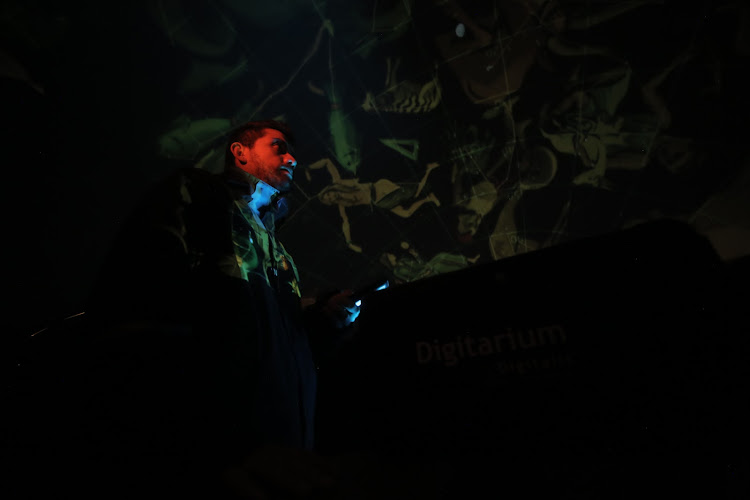
The Cusco Planetarium offers travelers something quite different from the usual archaeological sites and colonial churches that dominate most Peru itineraries. This women-owned astronomical observatory sits in the hills surrounding Cusco, providing visitors with a unique opportunity to understand how the ancient Incas perceived the night sky and why celestial observation was so central to their civilization. I've always found it fascinating how different cultures interpret the stars, and the Inca approach was completely unlike what most of us learned growing up in Western schools. While we tend to focus on bright stars forming constellations, the Incas also paid attention to the dark spaces between stars—what they called "dark cloud constellations." These patches of cosmic dust in the Milky Way represented animals and held deep spiritual significance for their agricultural calendar and religious practices. The planetarium experience typically begins before sunset, which might seem odd at first. But this timing allows visitors to learn about Inca cosmology indoors before heading outside to actually observe the southern hemisphere sky through professional-grade telescopes. The guides here don't just point at random celestial objects and call it a night. They weave together astronomy, history, mythology, and cultural context in a way that makes you see the night sky through entirely different eyes. What really sets this place apart is the connection between ancient knowledge and modern science. The presentations explain how Inca astronomers achieved remarkable accuracy without telescopes or modern instruments, using only careful observation and architectural alignments. They predicted solstices, equinoxes, and developed a sophisticated understanding of celestial cycles that governed their empire.

Key Features

  • Professional telescopes for observing planets, stars, and deep-sky objects visible from the southern hemisphere
  • Educational presentations about Inca astronomy and cosmology delivered by knowledgeable guides
  • Explanation of both Western constellations and Inca dark cloud constellations
  • Views of celestial objects not visible from the northern hemisphere, including the Southern Cross and Magellanic Clouds
  • Cultural context connecting astronomical knowledge to Inca agriculture, architecture, and spiritual beliefs
  • Family-friendly programming suitable for children and adults alike
  • Women-owned business supporting local entrepreneurship
  • Gender-neutral restroom facilities
  • Small group sizes ensuring personalized attention and better telescope viewing opportunities
  • Demonstrations showing how Inca astronomers tracked celestial movements

Best Time to Visit

The dry season from May through September represents the absolute best time for visiting the Cusco Planetarium. During these months, Cusco experiences predominantly clear skies with minimal cloud cover, which is obviously pretty crucial when you're trying to observe celestial objects. The chances of a successful stargazing session increase dramatically during this period. But here's where it gets interesting—the dry season also coincides with winter in the southern hemisphere, meaning longer nights and earlier darkness. This works in your favor because tours can start earlier in the evening, and you'll have more time under the stars. The trade-off? It gets genuinely cold after sunset at this altitude. We're talking temperatures that can drop near freezing. The wet season from November through March brings more challenging conditions. Cloud cover becomes frequent, and rain showers can appear suddenly, even if the day started beautifully. That said, I've heard from travelers who had crystal-clear nights in January, so it's not impossible. You're just rolling the dice a bit more. New moon phases during any month provide the darkest skies and best viewing conditions for faint celestial objects. If you're flexible with your Cusco itinerary, try scheduling your planetarium visit within a few days of the new moon. The difference in what you can see is remarkable compared to nights when a bright full moon washes out fainter stars. Consider visiting the planetarium early in your Cusco stay rather than on your last night. This gives you backup options if weather doesn't cooperate—you can potentially reschedule. And honestly, understanding Inca astronomy early in your trip adds context to other sites you'll visit. When you later see the intihuatana stone at Machu Picchu or the sun temple at Qorikancha, you'll appreciate their astronomical significance much more.

How to Get There

Getting to the Cusco Planetarium requires a bit of planning since it's located in the hills outside the city center. Most visitors arrange transportation through their hotel or as part of their planetarium booking, which honestly makes the most sense. Taxis from central Cusco take roughly 15-20 minutes depending on traffic and your starting point. The journey involves climbing into residential areas where street lighting becomes scarce—which is exactly why the planetarium is located there. If you're taking a regular taxi, make sure the driver knows the exact location and arrange a pickup time for after your tour. Standing around in the dark trying to flag down a cab isn't fun, especially when you're at altitude and it's cold. Many travelers opt for the convenience of organized transportation that some tour operators include with their planetarium tickets. This typically means a van picks you up from your accommodation, takes you to the planetarium, and returns you afterward. It costs more than a taxi but eliminates uncertainty and allows you to focus on the experience rather than logistics. Walking isn't really practical given the distance and steep terrain. Sure, you could hike up during daylight, but remember that your tour will end well after dark, and walking back down unlit hillside paths isn't advisable. Plus, you'll be at over 11,000 feet elevation, and unnecessary exertion doesn't help with acclimatization. If you're the independent type who's rented a car in Cusco (not common but some people do it), you'll find limited parking near the facility. The roads get narrow as you climb, and if you're not comfortable driving in developing countries with sometimes unclear road rules, this probably isn't the time to start. Whatever transportation method you choose, plan to arrive about 10-15 minutes before your scheduled tour time. This gives you a buffer for unexpected delays and a moment to catch your breath after the journey.

Tips for Visiting

Book your tickets in advance—this isn't optional advice, it's basically required. The planetarium operates with limited capacity to maintain quality experiences, and tours fill up quickly, especially during peak tourist season. I've met disappointed travelers who showed up hoping for same-day availability and got turned away. Dress warmer than you think necessary. Even if Cusco feels pleasant during the day, temperatures plummet after sunset, and you'll be standing outside observing through telescopes. We're talking multiple layers here—thermal underwear if you have it, a fleece or down jacket, hat, gloves. You'll feel silly bundling up so heavily, right until you step outside and realize everyone else did the same thing. The altitude factor deserves serious consideration. At over 11,000 feet, even simple activities can leave you breathless if you haven't acclimatized. Try to schedule your planetarium visit after you've spent at least a couple days in Cusco. The presentation itself isn't physically demanding, but you'll be standing and moving between indoor and outdoor areas, and you want to focus on the stars rather than your headache. Children are absolutely welcome, but parents should realistically assess whether their kids will engage with the content. The presentations involve standing, listening, and looking through telescopes—not exactly high-energy activities. Kids genuinely interested in space and science usually love it. Restless five-year-olds might struggle with the format. Bring your camera if you're into astrophotography, but manage your expectations. Photographing celestial objects requires specific equipment and skills. You can certainly capture some shots of the Milky Way if you have a camera with manual settings and a tripod, but smartphone photos typically disappoint. Sometimes it's better to just absorb the experience rather than struggle with technical challenges in the dark. Ask questions during your visit. The guides possess deep knowledge about both astronomy and Inca culture, and they genuinely enjoy sharing it. Don't be that person who stays quiet the whole time then leaves wishing they'd learned more about something specific. Note that wheelchair accessibility is limited due to the facility's hillside location and terrain. If you or someone in your group has mobility concerns, contact the planetarium directly before booking to discuss specific accommodations. Skip the heavy meal right before your visit. Between the altitude and standing around looking up through telescopes, some people experience mild nausea. A light snack is fine, but save the big dinner for after your tour. And finally, turn off your phone during the outdoor observation portion. The screen glows brighter than you realize and affects both your night vision and everyone else's viewing experience. Plus, you're standing under one of the clearest night skies you'll probably ever see—give it your full attention.

Key Features

  • Professional telescopes for observing planets, stars, and deep-sky objects visible from the southern hemisphere
  • Educational presentations about Inca astronomy and cosmology delivered by knowledgeable guides
  • Explanation of both Western constellations and Inca dark cloud constellations
  • Views of celestial objects not visible from the northern hemisphere, including the Southern Cross and Magellanic Clouds
  • Cultural context connecting astronomical knowledge to Inca agriculture, architecture, and spiritual beliefs
  • Family-friendly programming suitable for children and adults alike
  • Women-owned business supporting local entrepreneurship
  • Gender-neutral restroom facilities

More Details

Updated January 17, 2026

Description

The Cusco Planetarium offers travelers something quite different from the usual archaeological sites and colonial churches that dominate most Peru itineraries. This women-owned astronomical observatory sits in the hills surrounding Cusco, providing visitors with a unique opportunity to understand how the ancient Incas perceived the night sky and why celestial observation was so central to their civilization.

I’ve always found it fascinating how different cultures interpret the stars, and the Inca approach was completely unlike what most of us learned growing up in Western schools. While we tend to focus on bright stars forming constellations, the Incas also paid attention to the dark spaces between stars—what they called “dark cloud constellations.” These patches of cosmic dust in the Milky Way represented animals and held deep spiritual significance for their agricultural calendar and religious practices.

The planetarium experience typically begins before sunset, which might seem odd at first. But this timing allows visitors to learn about Inca cosmology indoors before heading outside to actually observe the southern hemisphere sky through professional-grade telescopes. The guides here don’t just point at random celestial objects and call it a night. They weave together astronomy, history, mythology, and cultural context in a way that makes you see the night sky through entirely different eyes.

What really sets this place apart is the connection between ancient knowledge and modern science. The presentations explain how Inca astronomers achieved remarkable accuracy without telescopes or modern instruments, using only careful observation and architectural alignments. They predicted solstices, equinoxes, and developed a sophisticated understanding of celestial cycles that governed their empire.

Key Features

  • Professional telescopes for observing planets, stars, and deep-sky objects visible from the southern hemisphere
  • Educational presentations about Inca astronomy and cosmology delivered by knowledgeable guides
  • Explanation of both Western constellations and Inca dark cloud constellations
  • Views of celestial objects not visible from the northern hemisphere, including the Southern Cross and Magellanic Clouds
  • Cultural context connecting astronomical knowledge to Inca agriculture, architecture, and spiritual beliefs
  • Family-friendly programming suitable for children and adults alike
  • Women-owned business supporting local entrepreneurship
  • Gender-neutral restroom facilities
  • Small group sizes ensuring personalized attention and better telescope viewing opportunities
  • Demonstrations showing how Inca astronomers tracked celestial movements

Best Time to Visit

The dry season from May through September represents the absolute best time for visiting the Cusco Planetarium. During these months, Cusco experiences predominantly clear skies with minimal cloud cover, which is obviously pretty crucial when you’re trying to observe celestial objects. The chances of a successful stargazing session increase dramatically during this period.

But here’s where it gets interesting—the dry season also coincides with winter in the southern hemisphere, meaning longer nights and earlier darkness. This works in your favor because tours can start earlier in the evening, and you’ll have more time under the stars. The trade-off? It gets genuinely cold after sunset at this altitude. We’re talking temperatures that can drop near freezing.

The wet season from November through March brings more challenging conditions. Cloud cover becomes frequent, and rain showers can appear suddenly, even if the day started beautifully. That said, I’ve heard from travelers who had crystal-clear nights in January, so it’s not impossible. You’re just rolling the dice a bit more.

New moon phases during any month provide the darkest skies and best viewing conditions for faint celestial objects. If you’re flexible with your Cusco itinerary, try scheduling your planetarium visit within a few days of the new moon. The difference in what you can see is remarkable compared to nights when a bright full moon washes out fainter stars.

Consider visiting the planetarium early in your Cusco stay rather than on your last night. This gives you backup options if weather doesn’t cooperate—you can potentially reschedule. And honestly, understanding Inca astronomy early in your trip adds context to other sites you’ll visit. When you later see the intihuatana stone at Machu Picchu or the sun temple at Qorikancha, you’ll appreciate their astronomical significance much more.

How to Get There

Getting to the Cusco Planetarium requires a bit of planning since it’s located in the hills outside the city center. Most visitors arrange transportation through their hotel or as part of their planetarium booking, which honestly makes the most sense.

Taxis from central Cusco take roughly 15-20 minutes depending on traffic and your starting point. The journey involves climbing into residential areas where street lighting becomes scarce—which is exactly why the planetarium is located there. If you’re taking a regular taxi, make sure the driver knows the exact location and arrange a pickup time for after your tour. Standing around in the dark trying to flag down a cab isn’t fun, especially when you’re at altitude and it’s cold.

Many travelers opt for the convenience of organized transportation that some tour operators include with their planetarium tickets. This typically means a van picks you up from your accommodation, takes you to the planetarium, and returns you afterward. It costs more than a taxi but eliminates uncertainty and allows you to focus on the experience rather than logistics.

Walking isn’t really practical given the distance and steep terrain. Sure, you could hike up during daylight, but remember that your tour will end well after dark, and walking back down unlit hillside paths isn’t advisable. Plus, you’ll be at over 11,000 feet elevation, and unnecessary exertion doesn’t help with acclimatization.

If you’re the independent type who’s rented a car in Cusco (not common but some people do it), you’ll find limited parking near the facility. The roads get narrow as you climb, and if you’re not comfortable driving in developing countries with sometimes unclear road rules, this probably isn’t the time to start.

Whatever transportation method you choose, plan to arrive about 10-15 minutes before your scheduled tour time. This gives you a buffer for unexpected delays and a moment to catch your breath after the journey.

Tips for Visiting

Book your tickets in advance—this isn’t optional advice, it’s basically required. The planetarium operates with limited capacity to maintain quality experiences, and tours fill up quickly, especially during peak tourist season. I’ve met disappointed travelers who showed up hoping for same-day availability and got turned away.

Dress warmer than you think necessary. Even if Cusco feels pleasant during the day, temperatures plummet after sunset, and you’ll be standing outside observing through telescopes. We’re talking multiple layers here—thermal underwear if you have it, a fleece or down jacket, hat, gloves. You’ll feel silly bundling up so heavily, right until you step outside and realize everyone else did the same thing.

The altitude factor deserves serious consideration. At over 11,000 feet, even simple activities can leave you breathless if you haven’t acclimatized. Try to schedule your planetarium visit after you’ve spent at least a couple days in Cusco. The presentation itself isn’t physically demanding, but you’ll be standing and moving between indoor and outdoor areas, and you want to focus on the stars rather than your headache.

Children are absolutely welcome, but parents should realistically assess whether their kids will engage with the content. The presentations involve standing, listening, and looking through telescopes—not exactly high-energy activities. Kids genuinely interested in space and science usually love it. Restless five-year-olds might struggle with the format.

Bring your camera if you’re into astrophotography, but manage your expectations. Photographing celestial objects requires specific equipment and skills. You can certainly capture some shots of the Milky Way if you have a camera with manual settings and a tripod, but smartphone photos typically disappoint. Sometimes it’s better to just absorb the experience rather than struggle with technical challenges in the dark.

Ask questions during your visit. The guides possess deep knowledge about both astronomy and Inca culture, and they genuinely enjoy sharing it. Don’t be that person who stays quiet the whole time then leaves wishing they’d learned more about something specific.

Note that wheelchair accessibility is limited due to the facility’s hillside location and terrain. If you or someone in your group has mobility concerns, contact the planetarium directly before booking to discuss specific accommodations.

Skip the heavy meal right before your visit. Between the altitude and standing around looking up through telescopes, some people experience mild nausea. A light snack is fine, but save the big dinner for after your tour.

And finally, turn off your phone during the outdoor observation portion. The screen glows brighter than you realize and affects both your night vision and everyone else’s viewing experience. Plus, you’re standing under one of the clearest night skies you’ll probably ever see—give it your full attention.

Key Highlights

  • Professional telescopes for observing planets, stars, and deep-sky objects visible from the southern hemisphere
  • Educational presentations about Inca astronomy and cosmology delivered by knowledgeable guides
  • Explanation of both Western constellations and Inca dark cloud constellations
  • Views of celestial objects not visible from the northern hemisphere, including the Southern Cross and Magellanic Clouds
  • Cultural context connecting astronomical knowledge to Inca agriculture, architecture, and spiritual beliefs
  • Family-friendly programming suitable for children and adults alike
  • Women-owned business supporting local entrepreneurship
  • Gender-neutral restroom facilities

Location

Places to Stay Near Cusco Planetarium

Find and Book a Tour

Explore More Travel Guides

No reviews found! Be the first to review!

Traveler Reviews for Cusco Planetarium

There are no reviews yet. Be the first one to write one.

Share Your Experience

Have you visited Cusco Planetarium? Help other travelers by sharing your review.

Find Accommodations Nearby

Recommended Tours & Activities

Visitor Reviews

There are no reviews yet. Be the first one to write one.

Share Your Experience

Have you visited Cusco Planetarium? Help other travelers by leaving a review.