
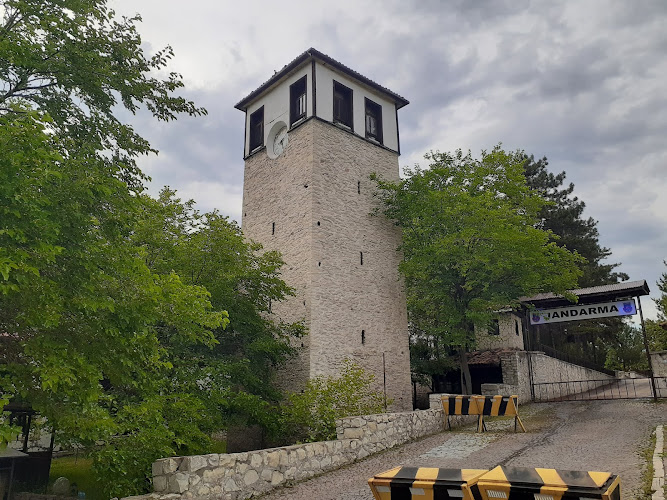
Tarihi Saat Kulesi
About Tarihi Saat Kulesi
Description
The Tarihi Saat Kulesi stands as one of Turkey's most captivating historical monuments, though it's often overshadowed by its more famous cousins in Istanbul and Izmir. Located in the UNESCO World Heritage town of Safranbolu, this clock tower tells a story that goes beyond just keeping time – it's a window into Ottoman engineering and the empire's fascinating relationship with European technology.
What makes this particular clock tower truly special isn't just its age or architecture, but the unique setting it finds itself in. The tower sits within what feels like an open-air museum, surrounded by 15 miniature replicas of other Ottoman clock towers from across the former empire. It's like getting a crash course in Ottoman municipal architecture without having to travel hundreds of miles between cities.
And here's something most visitors don't realize until they arrive – this isn't just a pretty facade. The Safranbolu clock tower still functions perfectly, its French-imported mechanism continuing to mark the hours just as it did over two centuries ago. There's something almost magical about hearing those chimes echo through the cobblestone streets, especially when you consider that the same sound has been marking time for generations of locals.
The tower itself reflects the Ottoman Empire's 19th-century modernization efforts, when Sultan Abdulhamid II was pushing to bring European innovations to Turkish cities. But unlike some historical sites that feel frozen in time, the Tarihi Saat Kulesi manages to feel alive and relevant, perhaps because it's still doing the job it was built for.
Key Features
Every visitor discovers something different about the Tarihi Saat Kulesi, but certain features consistently capture attention and imagination:
- Authentic French clockwork mechanism - The original timepieces were imported from France, representing the Ottoman Empire's embrace of European precision engineering during the 19th century
- 15 miniature clock tower replicas - These surrounding structures represent actual towers built across different Ottoman towns approximately 200 years ago, creating a unique comparative study
- Fully functional timekeeping - Unlike many historical clock towers that have been converted to static displays, this one continues its original purpose of marking time for the community
- Ottoman architectural details - The stonework and proportions reflect the empire's distinctive building style, blending Turkish traditions with European influences
- Strategic placement - Positioned to serve as both a practical timepiece and a symbol of municipal authority, following Ottoman urban planning principles
- Integration with Safranbolu's historic district - The tower complements the surrounding Ottoman houses and structures, creating a cohesive historical environment
- Educational context - The adjacent Kent History Museum provides deeper understanding of the tower's role in Ottoman municipal development
Best Time to Visit
Timing your visit to the Tarihi Saat Kulesi requires thinking about more than just weather – though that certainly matters in this part of Turkey. The spring months from April through early June offer the most comfortable conditions, with mild temperatures that make walking around Safranbolu's cobblestone streets genuinely pleasant rather than a endurance test.
But here's what guidebooks often miss: the best time to experience the clock tower isn't necessarily about the season, but about the time of day. Early morning visits, particularly around 8 or 9 AM, offer something special. The light hits the stonework beautifully, and you'll often have the space largely to yourself. Plus, hearing the clock chime in the quiet morning air feels almost meditative.
Summer can be quite warm, especially during July and August when temperatures regularly climb above 85°F (30°C). If you're visiting during these months, plan your clock tower exploration for early morning or late afternoon. The bonus? Late afternoon light creates fantastic photo opportunities, particularly when it filters through the surrounding Ottoman architecture.
Winter visits have their own charm, honestly. While it can get chilly, there's something atmospheric about seeing the clock tower against a backdrop of snow-covered rooftops. Just dress warmly and watch for icy cobblestones – those historical streets weren't designed with modern safety standards in mind.
Weekday visits tend to be less crowded than weekends, particularly if you're hoping to spend quality time examining the miniature clock tower replicas without jostling for position with tour groups.
How to Get There
Getting to the Tarihi Saat Kulesi involves reaching Safranbolu first, which is easier than many travelers expect. The town sits roughly 200 kilometers north of Ankara, making it accessible from Turkey's capital city via bus or car.
From Istanbul, the journey takes about 4-5 hours by bus, with several reputable bus companies running daily services to Safranbolu. Metro Turizm and Kamil Koç are reliable options that many locals use. The buses are comfortable and usually include amenities like WiFi and refreshments, making the trip quite bearable.
If you're driving, the route from Ankara follows the D100 and then D030 highways. The roads are generally well-maintained, though mountain sections can be winding. Having your own vehicle gives you flexibility to explore other attractions around Safranbolu at your own pace.
Once you're in Safranbolu, reaching the clock tower is straightforward – the entire historic center is walkable, and locals are typically happy to point visitors in the right direction. The tower is located within the historical district, so you'll likely pass several other Ottoman-era buildings on your way there.
For those preferring guided transportation, day tours from Ankara and even Istanbul sometimes include the Tarihi Saat Kulesi as part of broader Safranbolu itineraries. While these don't offer as much flexibility, they handle all the logistics and often include knowledgeable guides who can provide historical context.
Tips for Visiting
After watching countless visitors navigate their first encounter with the Tarihi Saat Kulesi, certain patterns emerge about what makes for the most rewarding experience. First and foremost – wear comfortable walking shoes. Those cobblestones are beautiful but unforgiving, and you'll want to spend time exploring the area around the tower, not just snapping a quick photo.
The miniature clock towers surrounding the main structure deserve more attention than most people give them. Each represents a different Ottoman town, and taking time to examine their variations provides insights into how the empire adapted architectural styles to local conditions and preferences. Bring a small notebook if you're interested in architecture – you'll want to jot down observations.
Photography enthusiasts should know that the lighting changes dramatically throughout the day. Morning light emphasizes the tower's stonework details, while late afternoon creates more dramatic shadows. And don't forget to capture some shots that include the surrounding miniature towers – they provide context that makes your photos more meaningful.
Budget extra time for the adjacent Kent History Museum. Many visitors treat it as an afterthought, but it provides crucial context about Safranbolu's role in Ottoman trade routes and urban development. The museum explains why towns like Safranbolu needed clock towers in the first place, which makes seeing the actual structure more meaningful.
Weather can change quickly in this region, so layer your clothing even during warmer months. The elevation and surrounding hills can create microclimates that catch visitors off guard.
Finally, engage with local shop owners and cafe proprietors in the area. Many have family stories about the clock tower, and some remember when it underwent restoration work. These personal connections often provide the most memorable aspects of visiting historical sites – the human stories that bring stone and mortar to life.
Consider timing your visit to coincide with the hourly chimes. There's something powerful about experiencing this tower as it was meant to be experienced – as a functioning part of daily life rather than just a tourist curiosity.
Key Features
- Key Features
- Best Time to Visit
- How to Get There
- Tips for Visiting
More Details
Updated September 14, 2025
Table of Contents
Description
The Tarihi Saat Kulesi stands as one of Turkey’s most captivating historical monuments, though it’s often overshadowed by its more famous cousins in Istanbul and Izmir. Located in the UNESCO World Heritage town of Safranbolu, this clock tower tells a story that goes beyond just keeping time – it’s a window into Ottoman engineering and the empire’s fascinating relationship with European technology.
What makes this particular clock tower truly special isn’t just its age or architecture, but the unique setting it finds itself in. The tower sits within what feels like an open-air museum, surrounded by 15 miniature replicas of other Ottoman clock towers from across the former empire. It’s like getting a crash course in Ottoman municipal architecture without having to travel hundreds of miles between cities.
And here’s something most visitors don’t realize until they arrive – this isn’t just a pretty facade. The Safranbolu clock tower still functions perfectly, its French-imported mechanism continuing to mark the hours just as it did over two centuries ago. There’s something almost magical about hearing those chimes echo through the cobblestone streets, especially when you consider that the same sound has been marking time for generations of locals.
The tower itself reflects the Ottoman Empire’s 19th-century modernization efforts, when Sultan Abdulhamid II was pushing to bring European innovations to Turkish cities. But unlike some historical sites that feel frozen in time, the Tarihi Saat Kulesi manages to feel alive and relevant, perhaps because it’s still doing the job it was built for.
Key Features
Every visitor discovers something different about the Tarihi Saat Kulesi, but certain features consistently capture attention and imagination:
- Authentic French clockwork mechanism – The original timepieces were imported from France, representing the Ottoman Empire’s embrace of European precision engineering during the 19th century
- 15 miniature clock tower replicas – These surrounding structures represent actual towers built across different Ottoman towns approximately 200 years ago, creating a unique comparative study
- Fully functional timekeeping – Unlike many historical clock towers that have been converted to static displays, this one continues its original purpose of marking time for the community
- Ottoman architectural details – The stonework and proportions reflect the empire’s distinctive building style, blending Turkish traditions with European influences
- Strategic placement – Positioned to serve as both a practical timepiece and a symbol of municipal authority, following Ottoman urban planning principles
- Integration with Safranbolu’s historic district – The tower complements the surrounding Ottoman houses and structures, creating a cohesive historical environment
- Educational context – The adjacent Kent History Museum provides deeper understanding of the tower’s role in Ottoman municipal development
Best Time to Visit
Timing your visit to the Tarihi Saat Kulesi requires thinking about more than just weather – though that certainly matters in this part of Turkey. The spring months from April through early June offer the most comfortable conditions, with mild temperatures that make walking around Safranbolu’s cobblestone streets genuinely pleasant rather than a endurance test.
But here’s what guidebooks often miss: the best time to experience the clock tower isn’t necessarily about the season, but about the time of day. Early morning visits, particularly around 8 or 9 AM, offer something special. The light hits the stonework beautifully, and you’ll often have the space largely to yourself. Plus, hearing the clock chime in the quiet morning air feels almost meditative.
Summer can be quite warm, especially during July and August when temperatures regularly climb above 85°F (30°C). If you’re visiting during these months, plan your clock tower exploration for early morning or late afternoon. The bonus? Late afternoon light creates fantastic photo opportunities, particularly when it filters through the surrounding Ottoman architecture.
Winter visits have their own charm, honestly. While it can get chilly, there’s something atmospheric about seeing the clock tower against a backdrop of snow-covered rooftops. Just dress warmly and watch for icy cobblestones – those historical streets weren’t designed with modern safety standards in mind.
Weekday visits tend to be less crowded than weekends, particularly if you’re hoping to spend quality time examining the miniature clock tower replicas without jostling for position with tour groups.
How to Get There
Getting to the Tarihi Saat Kulesi involves reaching Safranbolu first, which is easier than many travelers expect. The town sits roughly 200 kilometers north of Ankara, making it accessible from Turkey’s capital city via bus or car.
From Istanbul, the journey takes about 4-5 hours by bus, with several reputable bus companies running daily services to Safranbolu. Metro Turizm and Kamil Koç are reliable options that many locals use. The buses are comfortable and usually include amenities like WiFi and refreshments, making the trip quite bearable.
If you’re driving, the route from Ankara follows the D100 and then D030 highways. The roads are generally well-maintained, though mountain sections can be winding. Having your own vehicle gives you flexibility to explore other attractions around Safranbolu at your own pace.
Once you’re in Safranbolu, reaching the clock tower is straightforward – the entire historic center is walkable, and locals are typically happy to point visitors in the right direction. The tower is located within the historical district, so you’ll likely pass several other Ottoman-era buildings on your way there.
For those preferring guided transportation, day tours from Ankara and even Istanbul sometimes include the Tarihi Saat Kulesi as part of broader Safranbolu itineraries. While these don’t offer as much flexibility, they handle all the logistics and often include knowledgeable guides who can provide historical context.
Tips for Visiting
After watching countless visitors navigate their first encounter with the Tarihi Saat Kulesi, certain patterns emerge about what makes for the most rewarding experience. First and foremost – wear comfortable walking shoes. Those cobblestones are beautiful but unforgiving, and you’ll want to spend time exploring the area around the tower, not just snapping a quick photo.
The miniature clock towers surrounding the main structure deserve more attention than most people give them. Each represents a different Ottoman town, and taking time to examine their variations provides insights into how the empire adapted architectural styles to local conditions and preferences. Bring a small notebook if you’re interested in architecture – you’ll want to jot down observations.
Photography enthusiasts should know that the lighting changes dramatically throughout the day. Morning light emphasizes the tower’s stonework details, while late afternoon creates more dramatic shadows. And don’t forget to capture some shots that include the surrounding miniature towers – they provide context that makes your photos more meaningful.
Budget extra time for the adjacent Kent History Museum. Many visitors treat it as an afterthought, but it provides crucial context about Safranbolu’s role in Ottoman trade routes and urban development. The museum explains why towns like Safranbolu needed clock towers in the first place, which makes seeing the actual structure more meaningful.
Weather can change quickly in this region, so layer your clothing even during warmer months. The elevation and surrounding hills can create microclimates that catch visitors off guard.
Finally, engage with local shop owners and cafe proprietors in the area. Many have family stories about the clock tower, and some remember when it underwent restoration work. These personal connections often provide the most memorable aspects of visiting historical sites – the human stories that bring stone and mortar to life.
Consider timing your visit to coincide with the hourly chimes. There’s something powerful about experiencing this tower as it was meant to be experienced – as a functioning part of daily life rather than just a tourist curiosity.
Key Highlights
- Key Features
- Best Time to Visit
- How to Get There
- Tips for Visiting
Location
Places to Stay Near Tarihi Saat Kulesi
Find and Book a Tour
Explore More Travel Guides
No reviews found! Be the first to review!
Traveler Reviews for Tarihi Saat Kulesi
There are no reviews yet. Be the first one to write one.
Have you visited Tarihi Saat Kulesi? Help other travelers by sharing your review.
You Might Also Like
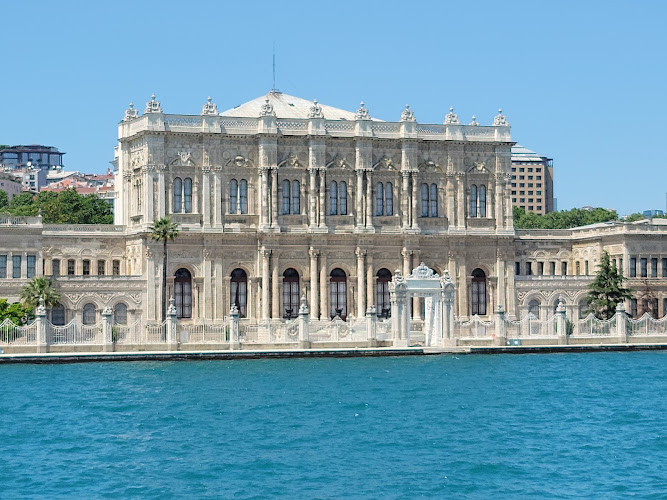
Dolmabahçe Palace

Gölet Park Alanı
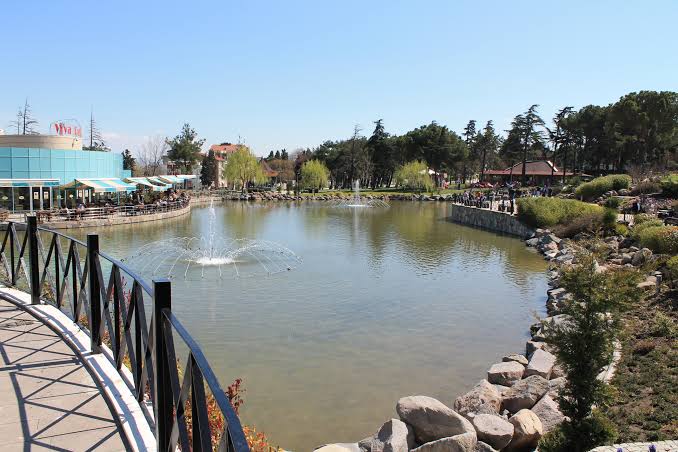
Atatürk Parkı Balıkesir
Find Accommodations Nearby
Recommended Tours & Activities
Visitor Reviews
There are no reviews yet. Be the first one to write one.
Share Your Experience
Have you visited Tarihi Saat Kulesi? Help other travelers by leaving a review.