About Taoyuan City

Description

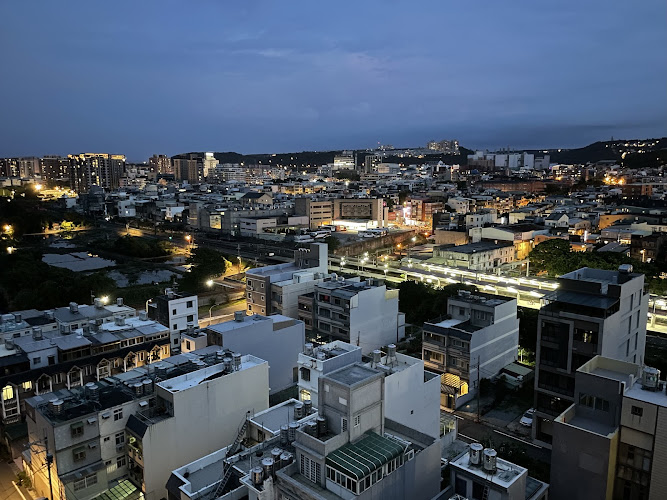
Taoyuan City stands as Taiwan's gateway to the world, and honestly, calling it just a transit point would be doing it a serious disservice. This special municipality in northwestern Taiwan has grown into something far more interesting than travelers initially expect. I remember my first time there – I was just passing through on my way to Taipei, but ended up staying three extra days because there was so much more to discover than I'd anticipated. The city sprawls across northwestern Taiwan, sharing borders with New Taipei City, Yilan County, and Hsinchu County. What makes Taoyuan particularly fascinating is how it manages to balance its role as Taiwan's international aviation hub with a surprisingly rich cultural heritage and natural beauty. The Taoyuan District serves as the seat of municipal government, while together with Zhongli District, it creates this bustling metropolitan area that feels authentically Taiwanese rather than overly touristy. But here's what most guidebooks won't tell you – Taoyuan is where you'll find Taiwan's immigrant communities thriving in ways that create this incredible cultural mosaic. The Southeast Asian influence here is stronger than almost anywhere else on the island, which means the food scene is absolutely phenomenal. And the city hasn't lost its historical soul either, with Hakka culture deeply woven into its identity. The landscape shifts dramatically as you move through the municipality. You've got urban centers that pulse with modern energy, then suddenly you're in pastoral countryside where rice paddies stretch toward mountains. Taoyuan Tableland dominates the geography, creating this unique terrain that ancient settlers found perfect for farming. The numerous irrigation ponds scattered throughout the region earned Taoyuan its nickname – the "Thousand-Pond Township" – though development has reduced that number significantly over the years.

Key Features

Travelers who venture into Taoyuan discover a municipality packed with unexpected experiences that go well beyond airport convenience:
  • Taiwan Taoyuan International Airport serves as the nation's primary gateway, handling over 48 million passengers annually before the pandemic
  • Daxi Old Street preserves Japanese colonial architecture and traditional Taiwanese shophouses where artisans still craft the region's famous dried tofu
  • Shimen Reservoir offers stunning mountain and water views alongside recreational activities, serving as northern Taiwan's critical water source since 1964
  • Cihu Mausoleum area contains the former resting place of Chiang Kai-shek, surrounded by beautiful gardens and an unusual collection of his statues
  • Window on China Theme Park recreates famous worldwide landmarks at miniature scale, providing quirky photo opportunities
  • Lala Mountain Nature Reserve features ancient cypress trees over 2,000 years old and excellent hiking trails through cloud forests
  • Xiao Wulai Scenic Area showcases waterfalls and a glass-bottomed skywalk suspended over the gorge
  • Night markets throughout the city, particularly Zhongli and Taoyuan Night Markets, serve authentic local street food away from tourist crowds
  • Numerous temples including the ornate Tzuhui Temple and Longshan Temple represent traditional religious architecture
  • Agricultural areas where visitors can experience seasonal fruit picking, especially for Taoyuan's famous peaches
  • Modern shopping districts and outlet malls offering duty-free shopping advantages
  • The former Taoyuan Air Force Base area now transformed into cultural and recreational spaces

Best Time to Visit

Timing your Taoyuan visit requires thinking about what you actually want to experience, not just chasing perfect weather. The city experiences a humid subtropical climate, which means it can get pretty steamy in summer and occasionally chilly in winter. Fall months from October through November offer probably the most comfortable conditions. Temperatures hover in the pleasant low-to-mid 70s Fahrenheit, humidity drops from summer's oppressive levels, and rainfall decreases considerably. I've found this period ideal for exploring outdoor attractions like Shimen Reservoir or hiking in Lala Mountain without feeling like you're swimming through the air. Spring, particularly March through May, presents another excellent window. The weather's generally cooperative, though you'll encounter more rain than fall. But that rainfall keeps everything lush and green, and if you time it right around late March or early April, you might catch plum and cherry blossoms in mountain areas. The temperature sits comfortably in the 60s and 70s Fahrenheit. Summer from June through September brings heat and humidity that can test your patience. Temperatures regularly climb into the high 80s and low 90s Fahrenheit, and the muggy conditions make outdoor activities feel like endurance tests. Typhoon season peaks during these months too, particularly in July and August. However, summer fruit season makes this worthwhile for food enthusiasts – the peaches, lychees, and mangoes are absolutely incredible. Winter months of December through February see temperatures dropping to the 50s and 60s Fahrenheit. It rarely gets truly cold, but the dampness can make it feel chillier than the thermometer suggests. Mountain areas like Lala Mountain occasionally see frost or even light snow, creating beautiful scenery. Tourist crowds thin out considerably, making this appealing for travelers who prefer solitude. Avoid major Taiwanese holidays like Lunar New Year and Dragon Boat Festival unless you specifically want to experience the cultural celebrations. Transportation gets packed, prices increase, and popular sites become extremely crowded.

How to Get There

Getting to Taoyuan is refreshingly straightforward, especially compared to some destinations where simply arriving feels like an accomplishment. Most international travelers land directly at Taiwan Taoyuan International Airport, which makes things almost too easy. The airport sits in Dayuan District, and you're technically already in Taoyuan City the moment you clear customs. From there, you've got multiple options for reaching different parts of the municipality. The Taoyuan Airport MRT connects the airport to central Taoyuan and continues all the way to Taipei. The express trains take about 20 minutes to reach Taoyuan HSR Station, while local trains stop at more stations including A8 for central Taoyuan District. This system started operations in 2017 and honestly transformed accessibility. Trains run every 15-20 minutes, and the journey costs just a fraction of taxi fare. Taiwan's High Speed Rail stops at Taoyuan HSR Station, connecting the city to Taipei in roughly 20 minutes and to Kaohsiung in the south in about 90 minutes. If you're already elsewhere in Taiwan, the HSR represents the fastest option. The station sits in Zhongli District and connects to the Airport MRT line. Conventional Taiwan Railways Administration trains serve several stations throughout Taoyuan, including Taoyuan Station, Zhongli Station, and others. These slower trains cost less than HSR and work perfectly well if you're not in a rush. The journey from Taipei takes about 40-50 minutes depending on train type. Buses offer another alternative, with numerous intercity services connecting Taoyuan to Taipei, Hsinchu, and other cities. The bus system can seem intimidating at first with all the different companies and routes, but Google Maps navigation works surprisingly well for planning bus journeys in Taiwan. Driving works if you're comfortable navigating Taiwan's sometimes chaotic traffic. National Highway 1 and National Highway 3 both pass through Taoyuan, making road access convenient. International visitors need an International Driving Permit along with their home country license to rent vehicles. Within Taoyuan itself, getting around requires some planning since public transportation, while improving, doesn't match Taipei's comprehensive network. Buses serve most areas, but routes and schedules can confuse newcomers. Taxis and ride-sharing services fill the gaps, and rental scooters (requiring proper licensing) offer the most flexibility for exploring.

Tips for Visiting

Taoyuan rewards travelers who approach it with curiosity rather than treating it as merely a layover location. Here's what I've learned through multiple visits that guidebooks typically overlook. Language can present challenges outside the immediate airport area. English signage exists at major tourist sites, but becomes scarce in local neighborhoods. Download a translation app and learn basic Mandarin phrases – even clumsy attempts earn appreciative smiles. The Hakka population also speaks their distinct language, though Mandarin works universally. The EasyCard stored-value card works throughout Taoyuan for transit, convenience store purchases, and even some restaurants. Buy one immediately at the airport and load it with money. This saves enormous hassle compared to buying individual tickets constantly. Accommodation prices drop significantly the further you get from the airport area. If you're spending several days exploring Taoyuan rather than just catching a flight, consider staying in Zhongli or central Taoyuan District where hotels cost less and you'll experience more authentic local life. Food exploration requires an adventurous spirit. Yes, you'll find familiar international chains, but the real culinary treasures hide in traditional markets, family-run restaurants, and food stalls that have operated for decades. Daxi dried tofu, Hakka cuisine, and Southeast Asian restaurants run by immigrant communities offer flavors you won't find elsewhere in Taiwan. Don't be afraid of places where you're the only obvious tourist – that's usually where the best food lives. Weather preparation matters more than you'd think. The humidity can be brutal, so pack light, breathable clothing and leave heavy fabrics at home. Rain happens suddenly and frequently, making a compact umbrella or rain jacket essential year-round. Summer visitors should seriously consider UV protection because the sun feels intense. Taoyuan's attractions spread across a large area, requiring transportation planning. Don't assume you can easily visit Shimen Reservoir, Daxi, and Lala Mountain all in one day without a car. Group sites geographically and allow more travel time than Google Maps suggests – traffic around Taoyuan can get congested, particularly during rush hours and weekends. The immigration communities, particularly from Southeast Asia, have created cultural enclaves throughout the city. Zhongli especially features Thai, Vietnamese, Indonesian, and Filipino neighborhoods with authentic restaurants, grocery stores, and cultural centers. These areas offer fascinating glimpses into Taiwan's growing multicultural identity. Cash still dominates transactions outside major establishments. While convenience stores and chain restaurants accept cards, smaller shops, market vendors, and local restaurants often operate cash-only. ATMs are plentiful, but withdrawing money before heading to rural areas prevents frustration. Temple etiquette matters if you're visiting religious sites. Remove hats, speak quietly, and ask before photographing ceremonies or worshippers. Most temples welcome respectful visitors regardless of faith, but showing cultural sensitivity ensures positive interactions. Seasonal fruit picking at farms offers memorable experiences, particularly for families. Taoyuan's peach farms welcome visitors during harvest season, typically summer months, where you can pick fruit directly from trees. Call ahead to confirm availability and opening times since many farms operate informally. The shopping opportunities around the airport and in outlet malls can tempt travelers, but prices don't always beat what you'd find in Taipei or online. Compare before making major purchases. Finally, and this genuinely surprised me, don't rush through Taoyuan on your way somewhere else. The city unfolds slowly, revealing its character to travelers who invest time in wandering beyond the obvious tourist checkpoints. Some of my favorite Taiwan memories come from random Taoyuan encounters – a temple festival I stumbled into, a dumpling shop where the owner insisted I try every variety, mountain trails where I saw maybe three other people all day. These moments don't happen when you're racing through.

Key Features

  • Major international gateway — Taiwan Taoyuan International Airport
  • Hakka cultural heritage and cuisine
  • Accessible transportation links (MRT, HSR connections nearby, highways)
  • Natural sites: wetlands, rivers, and coastal geology
  • Local markets, temples, and industrial-to-creative urban revitalization

More Details

Updated January 18, 2026

Description

Taoyuan City stands as Taiwan’s gateway to the world, and honestly, calling it just a transit point would be doing it a serious disservice. This special municipality in northwestern Taiwan has grown into something far more interesting than travelers initially expect. I remember my first time there – I was just passing through on my way to Taipei, but ended up staying three extra days because there was so much more to discover than I’d anticipated.

The city sprawls across northwestern Taiwan, sharing borders with New Taipei City, Yilan County, and Hsinchu County. What makes Taoyuan particularly fascinating is how it manages to balance its role as Taiwan’s international aviation hub with a surprisingly rich cultural heritage and natural beauty. The Taoyuan District serves as the seat of municipal government, while together with Zhongli District, it creates this bustling metropolitan area that feels authentically Taiwanese rather than overly touristy.

But here’s what most guidebooks won’t tell you – Taoyuan is where you’ll find Taiwan’s immigrant communities thriving in ways that create this incredible cultural mosaic. The Southeast Asian influence here is stronger than almost anywhere else on the island, which means the food scene is absolutely phenomenal. And the city hasn’t lost its historical soul either, with Hakka culture deeply woven into its identity.

The landscape shifts dramatically as you move through the municipality. You’ve got urban centers that pulse with modern energy, then suddenly you’re in pastoral countryside where rice paddies stretch toward mountains. Taoyuan Tableland dominates the geography, creating this unique terrain that ancient settlers found perfect for farming. The numerous irrigation ponds scattered throughout the region earned Taoyuan its nickname – the “Thousand-Pond Township” – though development has reduced that number significantly over the years.

Key Features

Travelers who venture into Taoyuan discover a municipality packed with unexpected experiences that go well beyond airport convenience:

  • Taiwan Taoyuan International Airport serves as the nation’s primary gateway, handling over 48 million passengers annually before the pandemic
  • Daxi Old Street preserves Japanese colonial architecture and traditional Taiwanese shophouses where artisans still craft the region’s famous dried tofu
  • Shimen Reservoir offers stunning mountain and water views alongside recreational activities, serving as northern Taiwan’s critical water source since 1964
  • Cihu Mausoleum area contains the former resting place of Chiang Kai-shek, surrounded by beautiful gardens and an unusual collection of his statues
  • Window on China Theme Park recreates famous worldwide landmarks at miniature scale, providing quirky photo opportunities
  • Lala Mountain Nature Reserve features ancient cypress trees over 2,000 years old and excellent hiking trails through cloud forests
  • Xiao Wulai Scenic Area showcases waterfalls and a glass-bottomed skywalk suspended over the gorge
  • Night markets throughout the city, particularly Zhongli and Taoyuan Night Markets, serve authentic local street food away from tourist crowds
  • Numerous temples including the ornate Tzuhui Temple and Longshan Temple represent traditional religious architecture
  • Agricultural areas where visitors can experience seasonal fruit picking, especially for Taoyuan’s famous peaches
  • Modern shopping districts and outlet malls offering duty-free shopping advantages
  • The former Taoyuan Air Force Base area now transformed into cultural and recreational spaces

Best Time to Visit

Timing your Taoyuan visit requires thinking about what you actually want to experience, not just chasing perfect weather. The city experiences a humid subtropical climate, which means it can get pretty steamy in summer and occasionally chilly in winter.

Fall months from October through November offer probably the most comfortable conditions. Temperatures hover in the pleasant low-to-mid 70s Fahrenheit, humidity drops from summer’s oppressive levels, and rainfall decreases considerably. I’ve found this period ideal for exploring outdoor attractions like Shimen Reservoir or hiking in Lala Mountain without feeling like you’re swimming through the air.

Spring, particularly March through May, presents another excellent window. The weather’s generally cooperative, though you’ll encounter more rain than fall. But that rainfall keeps everything lush and green, and if you time it right around late March or early April, you might catch plum and cherry blossoms in mountain areas. The temperature sits comfortably in the 60s and 70s Fahrenheit.

Summer from June through September brings heat and humidity that can test your patience. Temperatures regularly climb into the high 80s and low 90s Fahrenheit, and the muggy conditions make outdoor activities feel like endurance tests. Typhoon season peaks during these months too, particularly in July and August. However, summer fruit season makes this worthwhile for food enthusiasts – the peaches, lychees, and mangoes are absolutely incredible.

Winter months of December through February see temperatures dropping to the 50s and 60s Fahrenheit. It rarely gets truly cold, but the dampness can make it feel chillier than the thermometer suggests. Mountain areas like Lala Mountain occasionally see frost or even light snow, creating beautiful scenery. Tourist crowds thin out considerably, making this appealing for travelers who prefer solitude.

Avoid major Taiwanese holidays like Lunar New Year and Dragon Boat Festival unless you specifically want to experience the cultural celebrations. Transportation gets packed, prices increase, and popular sites become extremely crowded.

How to Get There

Getting to Taoyuan is refreshingly straightforward, especially compared to some destinations where simply arriving feels like an accomplishment.

Most international travelers land directly at Taiwan Taoyuan International Airport, which makes things almost too easy. The airport sits in Dayuan District, and you’re technically already in Taoyuan City the moment you clear customs. From there, you’ve got multiple options for reaching different parts of the municipality.

The Taoyuan Airport MRT connects the airport to central Taoyuan and continues all the way to Taipei. The express trains take about 20 minutes to reach Taoyuan HSR Station, while local trains stop at more stations including A8 for central Taoyuan District. This system started operations in 2017 and honestly transformed accessibility. Trains run every 15-20 minutes, and the journey costs just a fraction of taxi fare.

Taiwan’s High Speed Rail stops at Taoyuan HSR Station, connecting the city to Taipei in roughly 20 minutes and to Kaohsiung in the south in about 90 minutes. If you’re already elsewhere in Taiwan, the HSR represents the fastest option. The station sits in Zhongli District and connects to the Airport MRT line.

Conventional Taiwan Railways Administration trains serve several stations throughout Taoyuan, including Taoyuan Station, Zhongli Station, and others. These slower trains cost less than HSR and work perfectly well if you’re not in a rush. The journey from Taipei takes about 40-50 minutes depending on train type.

Buses offer another alternative, with numerous intercity services connecting Taoyuan to Taipei, Hsinchu, and other cities. The bus system can seem intimidating at first with all the different companies and routes, but Google Maps navigation works surprisingly well for planning bus journeys in Taiwan.

Driving works if you’re comfortable navigating Taiwan’s sometimes chaotic traffic. National Highway 1 and National Highway 3 both pass through Taoyuan, making road access convenient. International visitors need an International Driving Permit along with their home country license to rent vehicles.

Within Taoyuan itself, getting around requires some planning since public transportation, while improving, doesn’t match Taipei’s comprehensive network. Buses serve most areas, but routes and schedules can confuse newcomers. Taxis and ride-sharing services fill the gaps, and rental scooters (requiring proper licensing) offer the most flexibility for exploring.

Tips for Visiting

Taoyuan rewards travelers who approach it with curiosity rather than treating it as merely a layover location. Here’s what I’ve learned through multiple visits that guidebooks typically overlook.

Language can present challenges outside the immediate airport area. English signage exists at major tourist sites, but becomes scarce in local neighborhoods. Download a translation app and learn basic Mandarin phrases – even clumsy attempts earn appreciative smiles. The Hakka population also speaks their distinct language, though Mandarin works universally.

The EasyCard stored-value card works throughout Taoyuan for transit, convenience store purchases, and even some restaurants. Buy one immediately at the airport and load it with money. This saves enormous hassle compared to buying individual tickets constantly.

Accommodation prices drop significantly the further you get from the airport area. If you’re spending several days exploring Taoyuan rather than just catching a flight, consider staying in Zhongli or central Taoyuan District where hotels cost less and you’ll experience more authentic local life.

Food exploration requires an adventurous spirit. Yes, you’ll find familiar international chains, but the real culinary treasures hide in traditional markets, family-run restaurants, and food stalls that have operated for decades. Daxi dried tofu, Hakka cuisine, and Southeast Asian restaurants run by immigrant communities offer flavors you won’t find elsewhere in Taiwan. Don’t be afraid of places where you’re the only obvious tourist – that’s usually where the best food lives.

Weather preparation matters more than you’d think. The humidity can be brutal, so pack light, breathable clothing and leave heavy fabrics at home. Rain happens suddenly and frequently, making a compact umbrella or rain jacket essential year-round. Summer visitors should seriously consider UV protection because the sun feels intense.

Taoyuan’s attractions spread across a large area, requiring transportation planning. Don’t assume you can easily visit Shimen Reservoir, Daxi, and Lala Mountain all in one day without a car. Group sites geographically and allow more travel time than Google Maps suggests – traffic around Taoyuan can get congested, particularly during rush hours and weekends.

The immigration communities, particularly from Southeast Asia, have created cultural enclaves throughout the city. Zhongli especially features Thai, Vietnamese, Indonesian, and Filipino neighborhoods with authentic restaurants, grocery stores, and cultural centers. These areas offer fascinating glimpses into Taiwan’s growing multicultural identity.

Cash still dominates transactions outside major establishments. While convenience stores and chain restaurants accept cards, smaller shops, market vendors, and local restaurants often operate cash-only. ATMs are plentiful, but withdrawing money before heading to rural areas prevents frustration.

Temple etiquette matters if you’re visiting religious sites. Remove hats, speak quietly, and ask before photographing ceremonies or worshippers. Most temples welcome respectful visitors regardless of faith, but showing cultural sensitivity ensures positive interactions.

Seasonal fruit picking at farms offers memorable experiences, particularly for families. Taoyuan’s peach farms welcome visitors during harvest season, typically summer months, where you can pick fruit directly from trees. Call ahead to confirm availability and opening times since many farms operate informally.

The shopping opportunities around the airport and in outlet malls can tempt travelers, but prices don’t always beat what you’d find in Taipei or online. Compare before making major purchases.

Finally, and this genuinely surprised me, don’t rush through Taoyuan on your way somewhere else. The city unfolds slowly, revealing its character to travelers who invest time in wandering beyond the obvious tourist checkpoints. Some of my favorite Taiwan memories come from random Taoyuan encounters – a temple festival I stumbled into, a dumpling shop where the owner insisted I try every variety, mountain trails where I saw maybe three other people all day. These moments don’t happen when you’re racing through.

Key Highlights

  • Major international gateway — Taiwan Taoyuan International Airport
  • Hakka cultural heritage and cuisine
  • Accessible transportation links (MRT, HSR connections nearby, highways)
  • Natural sites: wetlands, rivers, and coastal geology
  • Local markets, temples, and industrial-to-creative urban revitalization

Location

Places to Stay Near Taoyuan City

Find and Book a Tour

Explore More Travel Guides

No reviews found! Be the first to review!

Traveler Reviews for Taoyuan City

There are no reviews yet. Be the first one to write one.

Share Your Experience

Have you visited Taoyuan City? Help other travelers by sharing your review.

Nearby Attractions

Daxi Old Street and Daxi Wood Art Ecomuseum Shimen Reservoir and surrounding hiking trails Taoyuan Wetland Park / Gaomei-style wetlands and birdwatching areas

Find Accommodations Nearby

Recommended Tours & Activities

Visitor Reviews

There are no reviews yet. Be the first one to write one.

Share Your Experience

Have you visited Taoyuan City? Help other travelers by leaving a review.