
Tam-awan Village
About Tam-awan Village
Description
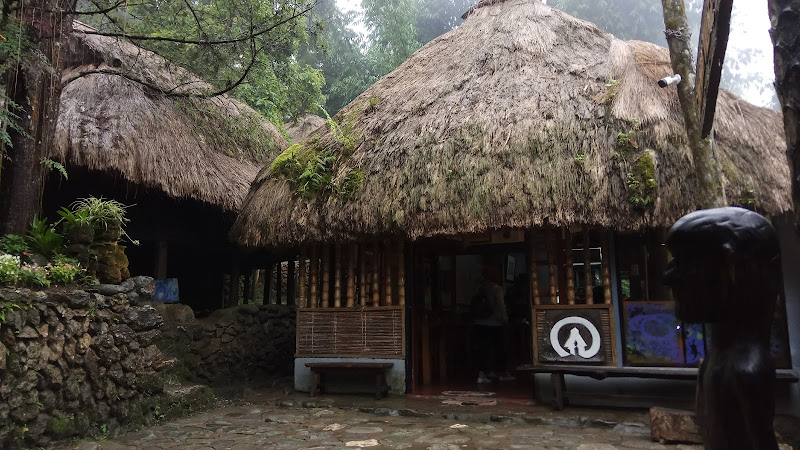
Tam-awan Village is one of those places that quietly messes with your expectations. It presents itself as a reconstructed Cordillera village, but it’s not trying to be a museum with velvet ropes or a theme park with forced smiles. It’s more like a lived-in idea. Built by artists and cultural advocates, the site brings together traditional huts inspired by Ifugao and Kalinga architecture, winding forest paths, small galleries, and a café that smells like strong local coffee and damp pine needles after rain. The whole place sits on a hillside, which means you’re walking up and down most of the time. That matters, because it shapes the experience: slow, a bit sweaty, and very human.
The village focuses on Cordillera culture, but not in a textbook way. There are handwoven fabrics, wooden sculptures, sketches pinned casually on walls, and bits of storytelling scattered around. Some huts feel almost intimate, like you’ve wandered into someone’s creative space and they just stepped out for a minute. Others are more curated, with clear explanations about rituals, symbols, and daily life in the highlands. And then there are moments where things feel unfinished or rough around the edges. Honestly, that’s part of the charm, though some travelers do expect polish and get a little surprised.
For travelers, Tam-awan Village works best as a place to slow down. This isn’t the kind of attraction you rush through in 20 minutes just to tick a box. Give it at least a couple of hours. Sit. Watch. Listen. When I first visited, I remember overhearing a local artist explain a carving to a kid who asked way too many questions. Instead of brushing him off, the artist laughed and turned it into a mini-lesson. That kind of interaction doesn’t always happen, but when it does, it sticks with you.
It’s also worth being honest: Tam-awan Village isn’t perfect. Some signage could be clearer. Maintenance varies depending on the season. And if you’re expecting a grand spectacle, you might feel underwhelmed. But if you’re curious about Cordillera culture, contemporary Filipino art, and how tradition and modern creativity collide, this place quietly delivers.
Key Features
- Reconstructed Cordillera huts inspired by Ifugao and Kalinga designs, built using traditional concepts and materials.
- Art galleries and installations showcasing works by local and regional artists, often rotating and evolving.
- Cultural information displays that explain indigenous practices, symbols, and everyday life in the highlands.
- Nature-integrated layout with forested paths, uneven stone steps, and shaded resting spots.
- Onsite café serving local dishes and drinks, a good excuse to sit and people-watch.
- Light hiking experience as you move uphill and downhill through the village.
- Occasional workshops and talks led by artists or cultural workers, depending on the schedule.
Best Time to Visit
The best time to visit Tam-awan Village is during the dry months, roughly from November to May. Paths can get slippery after rain, and since much of the village is outdoors, weather really affects your comfort. Morning visits are a personal favorite. The air is cooler, the light filters through the trees in a soft way, and you’re more likely to have quiet moments before tour groups trickle in. And yes, mornings mean better photos, even if you swear you’re not here just for Instagram.
Weekdays tend to be calmer than weekends. If you’re someone who likes reading every sign and lingering over artwork without feeling rushed, aim for a weekday morning. Weekends have their own energy though. More families, more chatter, sometimes live art activities. It depends on your mood. I once visited on a busy Saturday and ended up chatting with a couple from Manila who admitted they came for coffee and accidentally stayed three hours. That happens.
During local festivals in Baguio, the village can get busier. Some travelers like that festive overlap, others don’t. There’s no wrong choice, just know that festival seasons mean more noise and less solitude.
How to Get There
Tam-awan Village is accessible from the city center by taxi or private vehicle. Most drivers know the place, though sometimes you’ll need to say it slowly, maybe twice. Public transportation can get you part of the way, followed by a short walk uphill. That last stretch is important to note. It’s not brutal, but it’s not flat either.
For travelers who enjoy walking, combining the visit with nearby spots can feel like a mini-adventure. Just wear decent shoes. I made the mistake of wearing thin-soled sandals once, thinking it would be fine. It was not fine. My feet complained the whole afternoon, and they were right to do so.
Because the entrance and pathways aren’t wheelchair accessible, travelers with mobility concerns should plan carefully. There’s no sugarcoating that. The terrain is uneven, and stairs are part of the experience.
Tips for Visiting
First, wear comfortable shoes. This sounds obvious, but it really matters here. You’ll be walking on stone steps, dirt paths, and wooden floors. Second, bring a light jacket. Even on sunny days, shaded areas can feel cool, especially in the afternoon.
Don’t rush. This is not a place that rewards speed. Take time to sit in the huts, read the notes, and watch other visitors interact with the space. If an artist is around and seems open to conversation, ask a question. Most are happy to talk, and those spontaneous exchanges often become the highlight of the visit.
Manage expectations. Tam-awan Village is an art center and cultural space first, a tourist attraction second. Some areas feel raw or unfinished, and that’s intentional to a point. If you go in expecting luxury or highly polished displays, you might miss what the place is actually offering.
Bring cash for small purchases at the café or for art pieces. And yes, consider supporting local artists if something speaks to you. Buying a small print or handmade item feels more meaningful here than grabbing another generic souvenir elsewhere.
Lastly, give yourself permission to just be there. Sit with your coffee. Listen to the wind through the trees. Let the place work on you a little. Travel doesn’t always have to be loud or flashy. Sometimes it’s about walking slowly uphill, slightly out of breath, and realizing you’re learning something without trying too hard. And Tam-awan Village, in its quiet, imperfect way, is pretty good at that.
Key Features
- Key Features
- Best Time to Visit
- How to Get There
- Tips for Visiting
More Details
Updated December 31, 2025
Table of Contents
Description
Tam-awan Village is one of those places that quietly messes with your expectations. It presents itself as a reconstructed Cordillera village, but it’s not trying to be a museum with velvet ropes or a theme park with forced smiles. It’s more like a lived-in idea. Built by artists and cultural advocates, the site brings together traditional huts inspired by Ifugao and Kalinga architecture, winding forest paths, small galleries, and a café that smells like strong local coffee and damp pine needles after rain. The whole place sits on a hillside, which means you’re walking up and down most of the time. That matters, because it shapes the experience: slow, a bit sweaty, and very human.
The village focuses on Cordillera culture, but not in a textbook way. There are handwoven fabrics, wooden sculptures, sketches pinned casually on walls, and bits of storytelling scattered around. Some huts feel almost intimate, like you’ve wandered into someone’s creative space and they just stepped out for a minute. Others are more curated, with clear explanations about rituals, symbols, and daily life in the highlands. And then there are moments where things feel unfinished or rough around the edges. Honestly, that’s part of the charm, though some travelers do expect polish and get a little surprised.
For travelers, Tam-awan Village works best as a place to slow down. This isn’t the kind of attraction you rush through in 20 minutes just to tick a box. Give it at least a couple of hours. Sit. Watch. Listen. When I first visited, I remember overhearing a local artist explain a carving to a kid who asked way too many questions. Instead of brushing him off, the artist laughed and turned it into a mini-lesson. That kind of interaction doesn’t always happen, but when it does, it sticks with you.
It’s also worth being honest: Tam-awan Village isn’t perfect. Some signage could be clearer. Maintenance varies depending on the season. And if you’re expecting a grand spectacle, you might feel underwhelmed. But if you’re curious about Cordillera culture, contemporary Filipino art, and how tradition and modern creativity collide, this place quietly delivers.
Key Features
- Reconstructed Cordillera huts inspired by Ifugao and Kalinga designs, built using traditional concepts and materials.
- Art galleries and installations showcasing works by local and regional artists, often rotating and evolving.
- Cultural information displays that explain indigenous practices, symbols, and everyday life in the highlands.
- Nature-integrated layout with forested paths, uneven stone steps, and shaded resting spots.
- Onsite café serving local dishes and drinks, a good excuse to sit and people-watch.
- Light hiking experience as you move uphill and downhill through the village.
- Occasional workshops and talks led by artists or cultural workers, depending on the schedule.
Best Time to Visit
The best time to visit Tam-awan Village is during the dry months, roughly from November to May. Paths can get slippery after rain, and since much of the village is outdoors, weather really affects your comfort. Morning visits are a personal favorite. The air is cooler, the light filters through the trees in a soft way, and you’re more likely to have quiet moments before tour groups trickle in. And yes, mornings mean better photos, even if you swear you’re not here just for Instagram.
Weekdays tend to be calmer than weekends. If you’re someone who likes reading every sign and lingering over artwork without feeling rushed, aim for a weekday morning. Weekends have their own energy though. More families, more chatter, sometimes live art activities. It depends on your mood. I once visited on a busy Saturday and ended up chatting with a couple from Manila who admitted they came for coffee and accidentally stayed three hours. That happens.
During local festivals in Baguio, the village can get busier. Some travelers like that festive overlap, others don’t. There’s no wrong choice, just know that festival seasons mean more noise and less solitude.
How to Get There
Tam-awan Village is accessible from the city center by taxi or private vehicle. Most drivers know the place, though sometimes you’ll need to say it slowly, maybe twice. Public transportation can get you part of the way, followed by a short walk uphill. That last stretch is important to note. It’s not brutal, but it’s not flat either.
For travelers who enjoy walking, combining the visit with nearby spots can feel like a mini-adventure. Just wear decent shoes. I made the mistake of wearing thin-soled sandals once, thinking it would be fine. It was not fine. My feet complained the whole afternoon, and they were right to do so.
Because the entrance and pathways aren’t wheelchair accessible, travelers with mobility concerns should plan carefully. There’s no sugarcoating that. The terrain is uneven, and stairs are part of the experience.
Tips for Visiting
First, wear comfortable shoes. This sounds obvious, but it really matters here. You’ll be walking on stone steps, dirt paths, and wooden floors. Second, bring a light jacket. Even on sunny days, shaded areas can feel cool, especially in the afternoon.
Don’t rush. This is not a place that rewards speed. Take time to sit in the huts, read the notes, and watch other visitors interact with the space. If an artist is around and seems open to conversation, ask a question. Most are happy to talk, and those spontaneous exchanges often become the highlight of the visit.
Manage expectations. Tam-awan Village is an art center and cultural space first, a tourist attraction second. Some areas feel raw or unfinished, and that’s intentional to a point. If you go in expecting luxury or highly polished displays, you might miss what the place is actually offering.
Bring cash for small purchases at the café or for art pieces. And yes, consider supporting local artists if something speaks to you. Buying a small print or handmade item feels more meaningful here than grabbing another generic souvenir elsewhere.
Lastly, give yourself permission to just be there. Sit with your coffee. Listen to the wind through the trees. Let the place work on you a little. Travel doesn’t always have to be loud or flashy. Sometimes it’s about walking slowly uphill, slightly out of breath, and realizing you’re learning something without trying too hard. And Tam-awan Village, in its quiet, imperfect way, is pretty good at that.
Key Highlights
- Key Features
- Best Time to Visit
- How to Get There
- Tips for Visiting
Location
Places to Stay Near Tam-awan Village
Find and Book a Tour
Explore More Travel Guides
No reviews found! Be the first to review!
Traveler Reviews for Tam-awan Village
There are no reviews yet. Be the first one to write one.
Have you visited Tam-awan Village? Help other travelers by sharing your review.
You Might Also Like

Mirador Heritage and Eco Park

Butterfly Sanctuary
Baguio City Market
Find Accommodations Nearby
Recommended Tours & Activities
Visitor Reviews
There are no reviews yet. Be the first one to write one.
Share Your Experience
Have you visited Tam-awan Village? Help other travelers by leaving a review.