
Baguio City Market
About Baguio City Market
Description
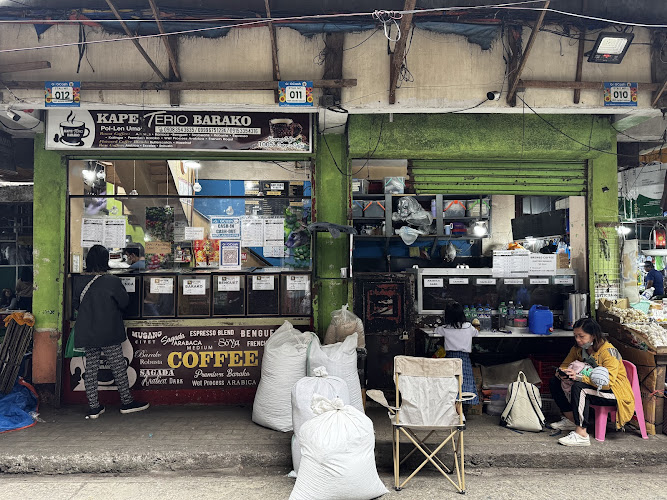
Baguio City Market is the kind of place that doesn’t really care if you’re ready for it or not. It just happens to you. One minute you’re walking down a quiet street with pine-scented air, the next you’re shoulder-to-shoulder with locals bargaining over strawberries and carrots the size of your forearm. This public market has been around forever, and honestly, it feels like it knows it. There’s a confidence to it. No frills, no pretending. Just rows and rows of stalls selling what people in Baguio actually use, eat, wear, and take home as pasalubong.
For travelers, the market is more than a shopping stop. It’s a crash course in daily life up in the Cordilleras. Early mornings are especially telling. Vendors arrive before sunrise, unloading sacks of vegetables straight from nearby farms. You’ll see fog still hanging in the air while someone sharpens a knife for chopping meat. And yes, it can get chaotic. The aisles are narrow. The sounds are loud. And sometimes you’ll wonder if you accidentally walked into someone’s storage room. But that’s part of the charm, even when it’s a bit messy.
What stands out to many visitors is how affordable things are, especially produce. Cabbage, lettuce, carrots, strawberries, even herbs you can’t pronounce, all stacked high and sold at prices that make city dwellers do a double take. But it’s not all food. Upstairs and around the outer sections, you’ll find clothes, ukay-ukay finds, blankets, kitchen tools, and souvenirs stamped with Baguio pride. I once bought a wooden spoon here that’s still in my kitchen, slightly crooked, works just fine.
The market isn’t perfect, and it doesn’t try to be. Some parts smell strongly of fish. Some stalls feel cramped. And on busy days, you’ll need patience, or at least a sense of humor. But overall, it leaves most people impressed, sometimes surprised, often exhausted, and usually happy they came. It’s one of those places where the flaws are part of the story you tell later.
Key Features
- Fresh produce sourced from nearby highland farms, including strawberries, root crops, and leafy greens that thrive in Baguio’s cool climate
- Dedicated sections for meat, seafood, and dried goods, clearly divided so you know what you’re getting into before the smell hits
- Upper floors and surrounding stalls selling clothing, jackets, blankets, and affordable cold-weather wear
- Wide selection of pasalubong items such as jam, peanut brittle, woven goods, and locally made souvenirs
- Onsite restrooms available, which you’ll appreciate after wandering for hours
- Wheelchair accessible entrance and parking areas, making it easier for travelers with mobility needs
- Food stalls nearby serving quick local meals, perfect for refueling mid-exploration
- Vendors who are generally open to bargaining, especially if you’re buying in bulk or showing genuine interest
Best Time to Visit
If there’s one thing to know about Baguio City Market, it’s that timing matters. A lot. Early morning, around 5:00 to 7:00 AM, is when the market is at its most authentic. This is when restaurant buyers and locals do their serious shopping. The produce is freshest, the air is cooler, and the crowd feels purposeful rather than touristy. I’ll admit, waking up that early on vacation hurts a little. But every time I’ve done it, I’ve thought, okay, worth it.
Late morning to early afternoon is when most travelers arrive. It’s busier, louder, and yes, more chaotic. But it’s also when all stalls are fully open. If you’re here to browse souvenirs or clothes, this is a good window. Just expect slow-moving foot traffic and the occasional elbow. Weekends amplify everything. More people, more noise, more waiting. If you don’t love crowds, maybe plan around that.
Seasonally, the cooler months from November to February feel great for walking around, but they’re also peak tourist season. Summer months can still be pleasant compared to lowland cities, though rain pops up unexpectedly. When it rains, parts of the market get slippery, and movement slows down. Not ideal, but manageable if you’re patient.
And a small personal note, don’t come here hungry without a plan. The smells will mess with your head. I’ve made impulsive food decisions here that I both regret and cherish.
How to Get There
Baguio City Market sits right in the city center, so getting there is fairly straightforward. Most travelers staying in town can reach it by walking, especially if they’re near Burnham Park or Session Road. The walk itself is part of the experience, passing jeepneys, bakeries, and small shops that feel very Baguio.
If walking isn’t an option, jeepneys and taxis are everywhere. Just say public market, and drivers know exactly where you mean. Keep in mind that traffic around the area can get heavy, especially mid-morning. Taxis might drop you a short walk away, and honestly, that’s fine. Walking the last stretch helps you ease into the madness.
For those driving, parking exists but fills up fast. Early morning gives you the best shot. Otherwise, it’s usually easier to park a bit farther and walk. Baguio isn’t huge, and the stroll often turns into a mini sightseeing moment.
Tips for Visiting
First tip, bring cash. While some vendors are adapting, cash is still king here. Small bills make transactions smoother and keep you from that awkward, sorry po wala akong panukli moment. And yes, it happens.
Second, dress comfortably. Closed shoes are your friend. The floors can be wet, uneven, and occasionally questionable. Wear something you don’t mind brushing against sacks of onions or crates of fish. This is not the place for white sneakers you’re emotionally attached to.
Third, keep your bag in front of you. The market is generally safe, but it’s crowded. Basic city awareness goes a long way. I usually use a crossbody bag and keep one hand on it, just in case. Call it instinct.
Fourth, don’t be shy to ask questions. Vendors are often happy to explain where produce comes from or how to use certain ingredients. I once asked about a strange-looking root vegetable and got a mini cooking lesson I didn’t expect. Moments like that stick.
Fifth, pace yourself. The market is bigger than it looks. Take breaks. Step outside, grab a snack, breathe. You don’t need to see everything in one go. And honestly, you probably can’t.
Lastly, manage expectations. This isn’t a polished tourist market with curated stalls and photo spots. It’s a working market. It’s loud, crowded, sometimes smelly, and a little rough around the edges. But if you come with curiosity instead of complaints, it rewards you with stories, flavors, and a clearer picture of Baguio beyond the postcards.
Baguio City Market isn’t just a stop on an itinerary. It’s a lesson in how a city feeds itself, clothes itself, and keeps moving day after day. And when you leave carrying a bag of strawberries or a slightly crooked wooden spoon, you’ll realize you took home more than just stuff.
Key Features
- Fresh produce sourced from nearby highland farms, including strawberries, root crops, and leafy greens that thrive in Baguio’s cool climate
- Dedicated sections for meat, seafood, and dried goods, clearly divided so you know what you’re getting into before the smell hits
- Upper floors and surrounding stalls selling clothing, jackets, blankets, and affordable cold-weather wear
- Wide selection of pasalubong items such as jam, peanut brittle, woven goods, and locally made souvenirs
- Onsite restrooms available, which you’ll appreciate after wandering for hours
- Wheelchair accessible entrance and parking areas, making it easier for travelers with mobility needs
- Food stalls nearby serving quick local meals, perfect for refueling mid-exploration
- Vendors who are generally open to bargaining, especially if you’re buying in bulk or showing genuine interest
More Details
Updated December 31, 2025
Table of Contents
Description
Baguio City Market is the kind of place that doesn’t really care if you’re ready for it or not. It just happens to you. One minute you’re walking down a quiet street with pine-scented air, the next you’re shoulder-to-shoulder with locals bargaining over strawberries and carrots the size of your forearm. This public market has been around forever, and honestly, it feels like it knows it. There’s a confidence to it. No frills, no pretending. Just rows and rows of stalls selling what people in Baguio actually use, eat, wear, and take home as pasalubong.
For travelers, the market is more than a shopping stop. It’s a crash course in daily life up in the Cordilleras. Early mornings are especially telling. Vendors arrive before sunrise, unloading sacks of vegetables straight from nearby farms. You’ll see fog still hanging in the air while someone sharpens a knife for chopping meat. And yes, it can get chaotic. The aisles are narrow. The sounds are loud. And sometimes you’ll wonder if you accidentally walked into someone’s storage room. But that’s part of the charm, even when it’s a bit messy.
What stands out to many visitors is how affordable things are, especially produce. Cabbage, lettuce, carrots, strawberries, even herbs you can’t pronounce, all stacked high and sold at prices that make city dwellers do a double take. But it’s not all food. Upstairs and around the outer sections, you’ll find clothes, ukay-ukay finds, blankets, kitchen tools, and souvenirs stamped with Baguio pride. I once bought a wooden spoon here that’s still in my kitchen, slightly crooked, works just fine.
The market isn’t perfect, and it doesn’t try to be. Some parts smell strongly of fish. Some stalls feel cramped. And on busy days, you’ll need patience, or at least a sense of humor. But overall, it leaves most people impressed, sometimes surprised, often exhausted, and usually happy they came. It’s one of those places where the flaws are part of the story you tell later.
Key Features
- Fresh produce sourced from nearby highland farms, including strawberries, root crops, and leafy greens that thrive in Baguio’s cool climate
- Dedicated sections for meat, seafood, and dried goods, clearly divided so you know what you’re getting into before the smell hits
- Upper floors and surrounding stalls selling clothing, jackets, blankets, and affordable cold-weather wear
- Wide selection of pasalubong items such as jam, peanut brittle, woven goods, and locally made souvenirs
- Onsite restrooms available, which you’ll appreciate after wandering for hours
- Wheelchair accessible entrance and parking areas, making it easier for travelers with mobility needs
- Food stalls nearby serving quick local meals, perfect for refueling mid-exploration
- Vendors who are generally open to bargaining, especially if you’re buying in bulk or showing genuine interest
Best Time to Visit
If there’s one thing to know about Baguio City Market, it’s that timing matters. A lot. Early morning, around 5:00 to 7:00 AM, is when the market is at its most authentic. This is when restaurant buyers and locals do their serious shopping. The produce is freshest, the air is cooler, and the crowd feels purposeful rather than touristy. I’ll admit, waking up that early on vacation hurts a little. But every time I’ve done it, I’ve thought, okay, worth it.
Late morning to early afternoon is when most travelers arrive. It’s busier, louder, and yes, more chaotic. But it’s also when all stalls are fully open. If you’re here to browse souvenirs or clothes, this is a good window. Just expect slow-moving foot traffic and the occasional elbow. Weekends amplify everything. More people, more noise, more waiting. If you don’t love crowds, maybe plan around that.
Seasonally, the cooler months from November to February feel great for walking around, but they’re also peak tourist season. Summer months can still be pleasant compared to lowland cities, though rain pops up unexpectedly. When it rains, parts of the market get slippery, and movement slows down. Not ideal, but manageable if you’re patient.
And a small personal note, don’t come here hungry without a plan. The smells will mess with your head. I’ve made impulsive food decisions here that I both regret and cherish.
How to Get There
Baguio City Market sits right in the city center, so getting there is fairly straightforward. Most travelers staying in town can reach it by walking, especially if they’re near Burnham Park or Session Road. The walk itself is part of the experience, passing jeepneys, bakeries, and small shops that feel very Baguio.
If walking isn’t an option, jeepneys and taxis are everywhere. Just say public market, and drivers know exactly where you mean. Keep in mind that traffic around the area can get heavy, especially mid-morning. Taxis might drop you a short walk away, and honestly, that’s fine. Walking the last stretch helps you ease into the madness.
For those driving, parking exists but fills up fast. Early morning gives you the best shot. Otherwise, it’s usually easier to park a bit farther and walk. Baguio isn’t huge, and the stroll often turns into a mini sightseeing moment.
Tips for Visiting
First tip, bring cash. While some vendors are adapting, cash is still king here. Small bills make transactions smoother and keep you from that awkward, sorry po wala akong panukli moment. And yes, it happens.
Second, dress comfortably. Closed shoes are your friend. The floors can be wet, uneven, and occasionally questionable. Wear something you don’t mind brushing against sacks of onions or crates of fish. This is not the place for white sneakers you’re emotionally attached to.
Third, keep your bag in front of you. The market is generally safe, but it’s crowded. Basic city awareness goes a long way. I usually use a crossbody bag and keep one hand on it, just in case. Call it instinct.
Fourth, don’t be shy to ask questions. Vendors are often happy to explain where produce comes from or how to use certain ingredients. I once asked about a strange-looking root vegetable and got a mini cooking lesson I didn’t expect. Moments like that stick.
Fifth, pace yourself. The market is bigger than it looks. Take breaks. Step outside, grab a snack, breathe. You don’t need to see everything in one go. And honestly, you probably can’t.
Lastly, manage expectations. This isn’t a polished tourist market with curated stalls and photo spots. It’s a working market. It’s loud, crowded, sometimes smelly, and a little rough around the edges. But if you come with curiosity instead of complaints, it rewards you with stories, flavors, and a clearer picture of Baguio beyond the postcards.
Baguio City Market isn’t just a stop on an itinerary. It’s a lesson in how a city feeds itself, clothes itself, and keeps moving day after day. And when you leave carrying a bag of strawberries or a slightly crooked wooden spoon, you’ll realize you took home more than just stuff.
Key Highlights
- Fresh produce sourced from nearby highland farms, including strawberries, root crops, and leafy greens that thrive in Baguio’s cool climate
- Dedicated sections for meat, seafood, and dried goods, clearly divided so you know what you’re getting into before the smell hits
- Upper floors and surrounding stalls selling clothing, jackets, blankets, and affordable cold-weather wear
- Wide selection of pasalubong items such as jam, peanut brittle, woven goods, and locally made souvenirs
- Onsite restrooms available, which you’ll appreciate after wandering for hours
- Wheelchair accessible entrance and parking areas, making it easier for travelers with mobility needs
- Food stalls nearby serving quick local meals, perfect for refueling mid-exploration
- Vendors who are generally open to bargaining, especially if you’re buying in bulk or showing genuine interest
Location
Places to Stay Near Baguio City Market
Find and Book a Tour
Explore More Travel Guides
No reviews found! Be the first to review!
Traveler Reviews for Baguio City Market
There are no reviews yet. Be the first one to write one.
Have you visited Baguio City Market? Help other travelers by sharing your review.
You Might Also Like
Sunshine Park
Wright Park

Baguio Museum
Find Accommodations Nearby
Recommended Tours & Activities
Visitor Reviews
There are no reviews yet. Be the first one to write one.
Share Your Experience
Have you visited Baguio City Market? Help other travelers by leaving a review.