
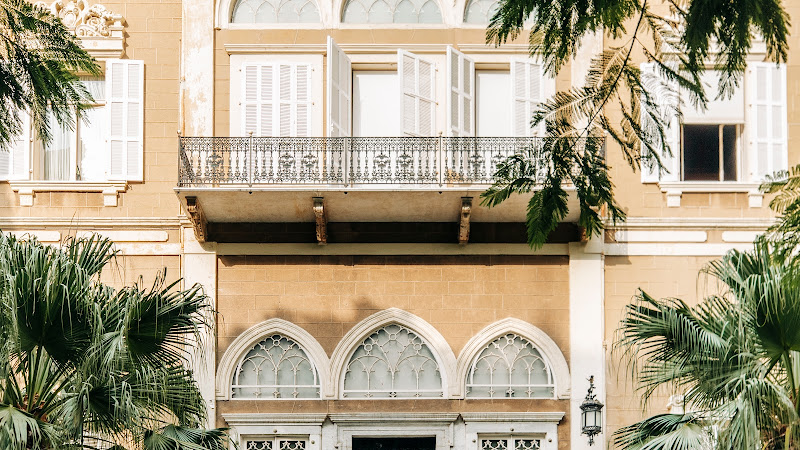
Sursock Palace
About Sursock Palace
Description
Sursock Palace is one of those rare places that somehow manages to feel both grand and deeply personal. Built in the 19th century by Moussa Sursock, a member of one of Beirut’s most distinguished families, the palace has stood through wars, rebuilding, and the city’s ever-changing rhythm. It’s not just a building—it’s a living testament to Lebanon’s layered history. The palace, completed around 1860, still carries the air of old-world charm, with its ornate Ottoman-style architecture and the quiet dignity of its lush gardens. When you walk through its gates, you can almost imagine the rustle of silk gowns and the soft echo of music from long-ago soirées.
What makes the Sursock Palace special is that it isn’t simply a relic of the past—it continues to play a role in modern Beirut’s cultural and social life. It hosts private events, weddings, and sometimes intimate art gatherings that bring together the city’s creative crowd. Sure, it’s a bit of an architectural show-off, with its marble columns and triple arches, but it’s also surprisingly welcoming. The palace feels like a bridge between eras, where tradition and elegance meet the pulse of contemporary Lebanon.
And honestly, there’s something magical about seeing the sunlight hit those old stone walls in the late afternoon. You get that strange mix of nostalgia and awe—the kind that makes you want to slow down and just take it all in. While some visitors might find it a bit formal or even slightly faded in places, that’s part of its charm. The imperfections tell stories. Every crack, every faded fresco, every piece of antique furniture whispers a bit of Beirut’s soul.
Key Features
- Historical Significance: Constructed in the 1860s by the Sursock family, one of Beirut’s most influential dynasties, it has witnessed over a century and a half of Lebanese history.
- Architectural Style: A stunning example of Ottoman and Venetian influences, featuring triple arches, marble columns, and intricate plaster ceilings.
- Gardens: The surrounding gardens offer a serene escape from the city’s bustle, often used for elegant outdoor receptions and quiet walks.
- Cultural Heritage: The palace has hosted countless cultural and social events, from art exhibitions to high-profile weddings.
- Accessibility: The site includes wheelchair-accessible entrances, parking, and restrooms, ensuring that all visitors can enjoy the experience comfortably.
- Modern Amenities: Restrooms and onsite services are available, and visitors can even make online appointments for guided tours or private events.
One of the things that stands out about Sursock Palace is how it balances grandeur with intimacy. You can sense that it was built as a home, not just a showpiece. The grand hall, with its painted ceilings and antique furniture, feels like a time capsule. And while it has seen its share of restoration—especially after the 2020 Beirut Port explosion—it still carries that unmistakable authenticity that only age can give.
Best Time to Visit
If you ask locals, they’ll tell you that the best time to visit Sursock Palace is during the spring or early autumn. The weather is just right—warm enough to enjoy the gardens without melting under the summer sun. The flowers are in full bloom, and there’s something about the light in Beirut during those months that makes the palace glow a little brighter.
I once visited in late April, and I still remember sitting under a cypress tree with a cup of Lebanese coffee, just watching the shadows move across the courtyard. It felt like stepping into another century. Summer can be lovely too, especially if you’re attending an evening event when the palace is lit up against the night sky. But if you hate crowds, avoid major holidays or weekends, as that’s when locals and tourists alike tend to flock there.
Winter visits have their charm as well. The air is crisp, and the palace feels quieter, more introspective. You might not get the full garden experience, but you’ll have more space to wander and take in the architecture without distraction. Each season gives the palace a different personality—spring is lively, summer is glamorous, autumn is poetic, and winter is contemplative.
How to Get There
Getting to Sursock Palace is quite straightforward if you’re staying in central Beirut. Most travelers prefer taking a taxi or a rideshare service—it’s affordable and saves you the hassle of parking. The palace is located in one of the city’s most charming districts, surrounded by narrow streets lined with old mansions and modern cafés. If you’re the kind of traveler who enjoys walking, you can easily include it as part of a day exploring nearby attractions like the Sursock Museum or Gemmayzeh’s art galleries.
Public transportation in Beirut can be a bit unpredictable, so unless you’re feeling adventurous, stick to private transport. Some hotels even offer shuttle services or guided tours that stop at the palace. And if you’re driving yourself, there’s accessible parking nearby—just be prepared for Beirut’s famously chaotic traffic.
One piece of advice: plan your route in advance. The streets around Sursock can be a maze, and GPS doesn’t always behave well in the older parts of the city. But getting a little lost isn’t the worst thing—you might stumble upon a hidden café or a local artisan shop along the way. That’s part of the fun of exploring Beirut.
Tips for Visiting
Visiting Sursock Palace isn’t just about ticking off a sightseeing spot—it’s an experience that rewards curiosity and patience. Here are a few tips to make the most of your time there:
- Book ahead: If you’re planning to attend an event or take a guided tour, it’s best to arrange it in advance. The palace sometimes closes for private functions or maintenance.
- Dress comfortably but respectfully: While there’s no strict dress code, it’s still a historic and somewhat formal setting. Light, modest clothing works best, especially if you’re exploring the gardens.
- Bring a camera: The architectural details are incredible—especially the arches and stained glass windows. But remember to be discreet if events are happening.
- Take your time: Don’t rush through. The palace has layers of design and history that reveal themselves slowly. Sit on a bench, watch the light shift, and let the place speak to you.
- Combine your visit: Pair it with nearby attractions or a leisurely lunch in Achrafieh. The area has some of Beirut’s best cafés and art spaces.
- Mind accessibility: The palace is wheelchair accessible, but some garden paths can be uneven, so plan accordingly.
If you’re lucky enough to attend a wedding or private event there, you’ll see the palace come alive in a way that few public visits can capture. The lights, the music, the laughter—it’s as if the walls themselves remember every celebration they’ve witnessed. And even if you’re just there for a quiet afternoon stroll, the atmosphere has a way of pulling you in.
I’ve heard people say that Sursock Palace is “just another old house,” but I couldn’t disagree more. It’s a piece of Beirut’s beating heart—a reminder of what the city has endured and what it continues to stand for. Whether you’re a history buff, an architecture enthusiast, or simply someone who loves beautiful places with a story to tell, this palace is worth your time.
So, take your camera, your curiosity, and maybe a bit of patience with Beirut’s traffic, and go see it for yourself. Because no matter how many photos or descriptions you read, nothing compares to standing there in person, surrounded by the scent of jasmine and the quiet hum of a city that never truly sleeps.
Key Features
- Key Features
- Best Time to Visit
- How to Get There
- Tips for Visiting
More Details
Updated October 8, 2025
Table of Contents
Description
Sursock Palace is one of those rare places that somehow manages to feel both grand and deeply personal. Built in the 19th century by Moussa Sursock, a member of one of Beirut’s most distinguished families, the palace has stood through wars, rebuilding, and the city’s ever-changing rhythm. It’s not just a building—it’s a living testament to Lebanon’s layered history. The palace, completed around 1860, still carries the air of old-world charm, with its ornate Ottoman-style architecture and the quiet dignity of its lush gardens. When you walk through its gates, you can almost imagine the rustle of silk gowns and the soft echo of music from long-ago soirées.
What makes the Sursock Palace special is that it isn’t simply a relic of the past—it continues to play a role in modern Beirut’s cultural and social life. It hosts private events, weddings, and sometimes intimate art gatherings that bring together the city’s creative crowd. Sure, it’s a bit of an architectural show-off, with its marble columns and triple arches, but it’s also surprisingly welcoming. The palace feels like a bridge between eras, where tradition and elegance meet the pulse of contemporary Lebanon.
And honestly, there’s something magical about seeing the sunlight hit those old stone walls in the late afternoon. You get that strange mix of nostalgia and awe—the kind that makes you want to slow down and just take it all in. While some visitors might find it a bit formal or even slightly faded in places, that’s part of its charm. The imperfections tell stories. Every crack, every faded fresco, every piece of antique furniture whispers a bit of Beirut’s soul.
Key Features
- Historical Significance: Constructed in the 1860s by the Sursock family, one of Beirut’s most influential dynasties, it has witnessed over a century and a half of Lebanese history.
- Architectural Style: A stunning example of Ottoman and Venetian influences, featuring triple arches, marble columns, and intricate plaster ceilings.
- Gardens: The surrounding gardens offer a serene escape from the city’s bustle, often used for elegant outdoor receptions and quiet walks.
- Cultural Heritage: The palace has hosted countless cultural and social events, from art exhibitions to high-profile weddings.
- Accessibility: The site includes wheelchair-accessible entrances, parking, and restrooms, ensuring that all visitors can enjoy the experience comfortably.
- Modern Amenities: Restrooms and onsite services are available, and visitors can even make online appointments for guided tours or private events.
One of the things that stands out about Sursock Palace is how it balances grandeur with intimacy. You can sense that it was built as a home, not just a showpiece. The grand hall, with its painted ceilings and antique furniture, feels like a time capsule. And while it has seen its share of restoration—especially after the 2020 Beirut Port explosion—it still carries that unmistakable authenticity that only age can give.
Best Time to Visit
If you ask locals, they’ll tell you that the best time to visit Sursock Palace is during the spring or early autumn. The weather is just right—warm enough to enjoy the gardens without melting under the summer sun. The flowers are in full bloom, and there’s something about the light in Beirut during those months that makes the palace glow a little brighter.
I once visited in late April, and I still remember sitting under a cypress tree with a cup of Lebanese coffee, just watching the shadows move across the courtyard. It felt like stepping into another century. Summer can be lovely too, especially if you’re attending an evening event when the palace is lit up against the night sky. But if you hate crowds, avoid major holidays or weekends, as that’s when locals and tourists alike tend to flock there.
Winter visits have their charm as well. The air is crisp, and the palace feels quieter, more introspective. You might not get the full garden experience, but you’ll have more space to wander and take in the architecture without distraction. Each season gives the palace a different personality—spring is lively, summer is glamorous, autumn is poetic, and winter is contemplative.
How to Get There
Getting to Sursock Palace is quite straightforward if you’re staying in central Beirut. Most travelers prefer taking a taxi or a rideshare service—it’s affordable and saves you the hassle of parking. The palace is located in one of the city’s most charming districts, surrounded by narrow streets lined with old mansions and modern cafés. If you’re the kind of traveler who enjoys walking, you can easily include it as part of a day exploring nearby attractions like the Sursock Museum or Gemmayzeh’s art galleries.
Public transportation in Beirut can be a bit unpredictable, so unless you’re feeling adventurous, stick to private transport. Some hotels even offer shuttle services or guided tours that stop at the palace. And if you’re driving yourself, there’s accessible parking nearby—just be prepared for Beirut’s famously chaotic traffic.
One piece of advice: plan your route in advance. The streets around Sursock can be a maze, and GPS doesn’t always behave well in the older parts of the city. But getting a little lost isn’t the worst thing—you might stumble upon a hidden café or a local artisan shop along the way. That’s part of the fun of exploring Beirut.
Tips for Visiting
Visiting Sursock Palace isn’t just about ticking off a sightseeing spot—it’s an experience that rewards curiosity and patience. Here are a few tips to make the most of your time there:
- Book ahead: If you’re planning to attend an event or take a guided tour, it’s best to arrange it in advance. The palace sometimes closes for private functions or maintenance.
- Dress comfortably but respectfully: While there’s no strict dress code, it’s still a historic and somewhat formal setting. Light, modest clothing works best, especially if you’re exploring the gardens.
- Bring a camera: The architectural details are incredible—especially the arches and stained glass windows. But remember to be discreet if events are happening.
- Take your time: Don’t rush through. The palace has layers of design and history that reveal themselves slowly. Sit on a bench, watch the light shift, and let the place speak to you.
- Combine your visit: Pair it with nearby attractions or a leisurely lunch in Achrafieh. The area has some of Beirut’s best cafés and art spaces.
- Mind accessibility: The palace is wheelchair accessible, but some garden paths can be uneven, so plan accordingly.
If you’re lucky enough to attend a wedding or private event there, you’ll see the palace come alive in a way that few public visits can capture. The lights, the music, the laughter—it’s as if the walls themselves remember every celebration they’ve witnessed. And even if you’re just there for a quiet afternoon stroll, the atmosphere has a way of pulling you in.
I’ve heard people say that Sursock Palace is “just another old house,” but I couldn’t disagree more. It’s a piece of Beirut’s beating heart—a reminder of what the city has endured and what it continues to stand for. Whether you’re a history buff, an architecture enthusiast, or simply someone who loves beautiful places with a story to tell, this palace is worth your time.
So, take your camera, your curiosity, and maybe a bit of patience with Beirut’s traffic, and go see it for yourself. Because no matter how many photos or descriptions you read, nothing compares to standing there in person, surrounded by the scent of jasmine and the quiet hum of a city that never truly sleeps.
Key Highlights
- Key Features
- Best Time to Visit
- How to Get There
- Tips for Visiting
Location
Places to Stay Near Sursock Palace
Find and Book a Tour
Explore More Travel Guides
No reviews found! Be the first to review!
Traveler Reviews for Sursock Palace
There are no reviews yet. Be the first one to write one.
Have you visited Sursock Palace? Help other travelers by sharing your review.
You Might Also Like

St. Nicolas Stairs

Corniche El Manara

Horsh Beirut
Find Accommodations Nearby
Recommended Tours & Activities
Visitor Reviews
There are no reviews yet. Be the first one to write one.
Share Your Experience
Have you visited Sursock Palace? Help other travelers by leaving a review.