
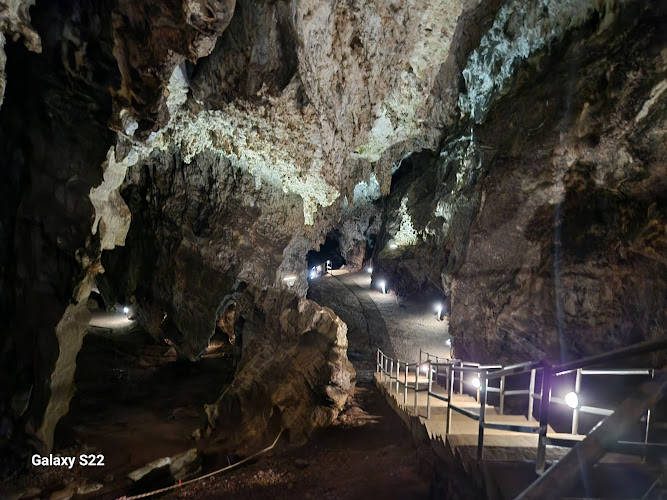
Sterkfontein Caves
About Sterkfontein Caves
Description
The Sterkfontein Caves, tucked away in the heart of South Africa’s Cradle of Humankind, are one of those places that make you pause and think about how ridiculously old our planet really is. These caves aren’t just holes in the ground — they’re time capsules. Inside, scientists have unearthed fossils that go back more than three million years, including the famous Australopithecus skeleton that changed how we understand human evolution. It’s wild to imagine that the very ground beneath your feet once sheltered our ancient ancestors.
Walking through the cool, echoing chambers feels a bit surreal. The air smells faintly of limestone and earth, and the sound of dripping water is oddly calming. You can almost feel the weight of history pressing in around you. I remember the first time I visited — I was half-expecting to bump into a paleontologist crouched over a fossil, brush in hand. And honestly, that’s not far from reality. The site is still an active research area, and it’s thrilling to know that new discoveries could be happening just a few meters away from where you’re standing.
While the caves are scientifically significant, they’re also surprisingly accessible. There’s a well-organized visitor center, guided tours that explain the geology and anthropology in plain English, and even a small museum that brings everything to life with interactive exhibits. It’s not just about fossils — it’s about connecting the dots between who we were and who we are now. Some folks find it deeply moving; others just find it fascinating. Either way, it’s not a place you forget easily.
Key Features
- Home to some of the oldest and most important hominid fossils ever discovered, including the 3-million-year-old Australopithecus skeleton.
- Part of the UNESCO World Heritage Site known as the Cradle of Humankind.
- Guided tours available that explore both the scientific and cultural significance of the caves.
- Wheelchair-accessible facilities and parking for visitors with mobility needs.
- Kid-friendly hikes and educational displays that make it great for families.
- Onsite amenities such as public restrooms and a small café for a quick snack or coffee.
- Accepts credit cards, debit cards, and mobile payments, making transactions easy for travelers.
- Hiking trails nearby for those who want to explore the surrounding nature preserve after the cave tour.
Best Time to Visit
If you’re planning a trip, aim for the dry months — roughly May through September. The weather is mild, and the air is crisp, which makes walking through the site more comfortable. Plus, the visibility underground tends to be better when it’s cooler outside. During summer, especially December and January, it can get hot and humid, and the crowds swell with school holidays. I made that mistake once — standing in line with a bunch of sweaty tourists while the sun beat down wasn’t exactly my idea of fun. So, if you can, go in the shoulder seasons when it’s quieter. Early mornings are ideal too; you’ll have more space to soak in the atmosphere without feeling rushed.
That said, the caves are open year-round, and each season has its own charm. In winter, the air feels clean and the landscape outside turns golden. In summer, the surrounding hills are lush and green. If you’re a photographer, both offer great light — just remember to bring a tripod if you want to capture the dimly lit interiors.
How to Get There
Getting to the Sterkfontein Caves is pretty straightforward. They’re located about an hour’s drive from Johannesburg, and the route is scenic enough to make the journey part of the adventure. If you’re driving, follow the signs toward the Cradle of Humankind — you’ll spot plenty of brown heritage markers along the way. The roads are in decent condition, though a few stretches can be a bit bumpy. I’d recommend using a GPS or Google Maps rather than relying on old-school directions; some of the smaller turnoffs can be easy to miss.
For those without a car, there are guided day tours that include transport from Johannesburg or Pretoria. These are great if you prefer someone else to handle the logistics, and they often include a stop at the nearby Maropeng Visitor Centre, which ties everything together beautifully. Taxis and rideshare services are another option, though they can get pricey if you’re staying for a few hours. Just make sure to arrange your return trip in advance — it’s a rural area, and you don’t want to be stranded with only the local birds for company.
Tips for Visiting
A few things I wish someone had told me before my first visit. First, wear comfortable shoes — the cave floors can be uneven and a little slippery in spots. Don’t underestimate how much walking you’ll do; even though the tour isn’t long, you’ll be on your feet for a while. Second, bring a light jacket. The temperature inside the caves stays cool year-round, and the sudden drop from the warm outside air can be surprising.
Photography is allowed in certain areas, but flash is usually restricted to protect the delicate formations and fossils. So, if you’re hoping for those moody underground shots, crank up your ISO and steady your hands. And here’s a small but important tip: buy your tickets in advance. The tours can fill up quickly, especially on weekends and holidays. I learned that the hard way when I showed up without a booking and ended up waiting nearly two hours for the next available slot.
If you’re traveling with kids, you’ll be glad to know it’s a surprisingly family-friendly site. The guides do a great job of keeping younger visitors engaged, and there are plenty of hands-on exhibits outside the caves. For those with mobility needs, the site has wheelchair-accessible entrances and parking, though some parts of the cave system may still be challenging due to natural terrain.
One last thing — take a moment, once you’re deep inside, to just stand still and listen. There’s something humbling about being in a place where time moves differently. You can almost hear the echoes of the past, the whispers of early humans who once called this place home. It’s a reminder that our story is far older and more intertwined with the Earth than we often realize.
In short, the Sterkfontein Caves aren’t just another tourist stop; they’re a bridge to our origins. Whether you’re a history buff, a nature lover, or just someone looking for a unique experience near Johannesburg, this site delivers something rare — a genuine connection to deep time. And that’s not something you find every day.
Key Features
- Home to some of the oldest and most important hominid fossils ever discovered, including the 3-million-year-old Australopithecus skeleton.
- Part of the UNESCO World Heritage Site known as the Cradle of Humankind.
- Guided tours available that explore both the scientific and cultural significance of the caves.
- Wheelchair-accessible facilities and parking for visitors with mobility needs.
- Kid-friendly hikes and educational displays that make it great for families.
- Onsite amenities such as public restrooms and a small café for a quick snack or coffee.
- Accepts credit cards, debit cards, and mobile payments, making transactions easy for travelers.
- Hiking trails nearby for those who want to explore the surrounding nature preserve after the cave tour.
More Details
Updated October 10, 2025
Table of Contents
Description
The Sterkfontein Caves, tucked away in the heart of South Africa’s Cradle of Humankind, are one of those places that make you pause and think about how ridiculously old our planet really is. These caves aren’t just holes in the ground — they’re time capsules. Inside, scientists have unearthed fossils that go back more than three million years, including the famous Australopithecus skeleton that changed how we understand human evolution. It’s wild to imagine that the very ground beneath your feet once sheltered our ancient ancestors.
Walking through the cool, echoing chambers feels a bit surreal. The air smells faintly of limestone and earth, and the sound of dripping water is oddly calming. You can almost feel the weight of history pressing in around you. I remember the first time I visited — I was half-expecting to bump into a paleontologist crouched over a fossil, brush in hand. And honestly, that’s not far from reality. The site is still an active research area, and it’s thrilling to know that new discoveries could be happening just a few meters away from where you’re standing.
While the caves are scientifically significant, they’re also surprisingly accessible. There’s a well-organized visitor center, guided tours that explain the geology and anthropology in plain English, and even a small museum that brings everything to life with interactive exhibits. It’s not just about fossils — it’s about connecting the dots between who we were and who we are now. Some folks find it deeply moving; others just find it fascinating. Either way, it’s not a place you forget easily.
Key Features
- Home to some of the oldest and most important hominid fossils ever discovered, including the 3-million-year-old Australopithecus skeleton.
- Part of the UNESCO World Heritage Site known as the Cradle of Humankind.
- Guided tours available that explore both the scientific and cultural significance of the caves.
- Wheelchair-accessible facilities and parking for visitors with mobility needs.
- Kid-friendly hikes and educational displays that make it great for families.
- Onsite amenities such as public restrooms and a small café for a quick snack or coffee.
- Accepts credit cards, debit cards, and mobile payments, making transactions easy for travelers.
- Hiking trails nearby for those who want to explore the surrounding nature preserve after the cave tour.
Best Time to Visit
If you’re planning a trip, aim for the dry months — roughly May through September. The weather is mild, and the air is crisp, which makes walking through the site more comfortable. Plus, the visibility underground tends to be better when it’s cooler outside. During summer, especially December and January, it can get hot and humid, and the crowds swell with school holidays. I made that mistake once — standing in line with a bunch of sweaty tourists while the sun beat down wasn’t exactly my idea of fun. So, if you can, go in the shoulder seasons when it’s quieter. Early mornings are ideal too; you’ll have more space to soak in the atmosphere without feeling rushed.
That said, the caves are open year-round, and each season has its own charm. In winter, the air feels clean and the landscape outside turns golden. In summer, the surrounding hills are lush and green. If you’re a photographer, both offer great light — just remember to bring a tripod if you want to capture the dimly lit interiors.
How to Get There
Getting to the Sterkfontein Caves is pretty straightforward. They’re located about an hour’s drive from Johannesburg, and the route is scenic enough to make the journey part of the adventure. If you’re driving, follow the signs toward the Cradle of Humankind — you’ll spot plenty of brown heritage markers along the way. The roads are in decent condition, though a few stretches can be a bit bumpy. I’d recommend using a GPS or Google Maps rather than relying on old-school directions; some of the smaller turnoffs can be easy to miss.
For those without a car, there are guided day tours that include transport from Johannesburg or Pretoria. These are great if you prefer someone else to handle the logistics, and they often include a stop at the nearby Maropeng Visitor Centre, which ties everything together beautifully. Taxis and rideshare services are another option, though they can get pricey if you’re staying for a few hours. Just make sure to arrange your return trip in advance — it’s a rural area, and you don’t want to be stranded with only the local birds for company.
Tips for Visiting
A few things I wish someone had told me before my first visit. First, wear comfortable shoes — the cave floors can be uneven and a little slippery in spots. Don’t underestimate how much walking you’ll do; even though the tour isn’t long, you’ll be on your feet for a while. Second, bring a light jacket. The temperature inside the caves stays cool year-round, and the sudden drop from the warm outside air can be surprising.
Photography is allowed in certain areas, but flash is usually restricted to protect the delicate formations and fossils. So, if you’re hoping for those moody underground shots, crank up your ISO and steady your hands. And here’s a small but important tip: buy your tickets in advance. The tours can fill up quickly, especially on weekends and holidays. I learned that the hard way when I showed up without a booking and ended up waiting nearly two hours for the next available slot.
If you’re traveling with kids, you’ll be glad to know it’s a surprisingly family-friendly site. The guides do a great job of keeping younger visitors engaged, and there are plenty of hands-on exhibits outside the caves. For those with mobility needs, the site has wheelchair-accessible entrances and parking, though some parts of the cave system may still be challenging due to natural terrain.
One last thing — take a moment, once you’re deep inside, to just stand still and listen. There’s something humbling about being in a place where time moves differently. You can almost hear the echoes of the past, the whispers of early humans who once called this place home. It’s a reminder that our story is far older and more intertwined with the Earth than we often realize.
In short, the Sterkfontein Caves aren’t just another tourist stop; they’re a bridge to our origins. Whether you’re a history buff, a nature lover, or just someone looking for a unique experience near Johannesburg, this site delivers something rare — a genuine connection to deep time. And that’s not something you find every day.
Key Highlights
- Home to some of the oldest and most important hominid fossils ever discovered, including the 3-million-year-old Australopithecus skeleton.
- Part of the UNESCO World Heritage Site known as the Cradle of Humankind.
- Guided tours available that explore both the scientific and cultural significance of the caves.
- Wheelchair-accessible facilities and parking for visitors with mobility needs.
- Kid-friendly hikes and educational displays that make it great for families.
- Onsite amenities such as public restrooms and a small café for a quick snack or coffee.
- Accepts credit cards, debit cards, and mobile payments, making transactions easy for travelers.
- Hiking trails nearby for those who want to explore the surrounding nature preserve after the cave tour.
Location
Places to Stay Near Sterkfontein Caves
Find and Book a Tour
Explore More Travel Guides
No reviews found! Be the first to review!
Traveler Reviews for Sterkfontein Caves
There are no reviews yet. Be the first one to write one.
Have you visited Sterkfontein Caves? Help other travelers by sharing your review.
You Might Also Like

Montecasino Bird Gardens
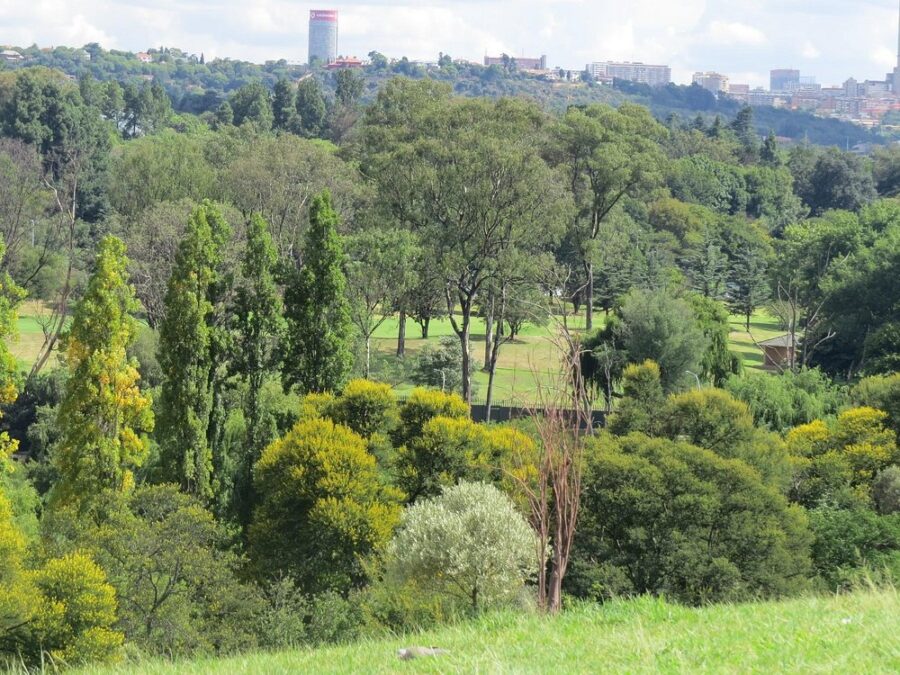
James & Ethel Gray Park
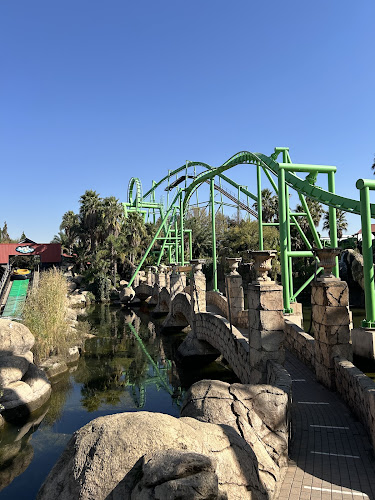
Gold Reef City Theme Park
Find Accommodations Nearby
Recommended Tours & Activities
Visitor Reviews
There are no reviews yet. Be the first one to write one.
Share Your Experience
Have you visited Sterkfontein Caves? Help other travelers by leaving a review.