
Johannesburg Holocaust & Genocide Centre
About Johannesburg Holocaust & Genocide Centre
Key Features
More Details
Updated June 26, 2025
Johannesburg Holocaust & Genocide Centre : 2021 Ce qu’il faut savoir pour votre visite – Tripadvisor
## Johannesburg Holocaust & Genocide Centre: what to expect, how to plan, and why it’s worth your time
If you’re building an honest understanding of Johannesburg beyond the usual “highlights,” the Johannesburg Holocaust & Genocide Centre (JHGC) is a serious, carefully constructed stop. The Centre positions itself as a place of memory, education, dialogue, and “lessons for humanity,” using the Holocaust and the 1994 genocide in Rwanda as core case studies and connecting them to contemporary human-rights issues in South Africa.
This is not a quick photo-op museum. It’s a guided, emotionally demanding narrative space built around testimony, artifacts, film, and themes like prejudice, discrimination, and “othering.”
—
## Key visitor info (save this before you go)
### Location + coordinates
– Address: 1 Duncombe Road, Forest Town, Johannesburg, 2193, South Africa
– Coordinates: -26.1716984, 28.0332787 (from your dataset)
### Opening hours
– Mon–Fri: 09:00–16:30
– Sat, Sun & Public Holidays: 09:00–15:00
– Seasonal closures noted by the Centre: 25–27 December and 1 January
### Admission
– Free entry (donations appreciated for educational programmes).
### Getting there (useful specifics)
– Accessible via the City Sightseeing Johannesburg bus at stop 11.
– Secure underground parking is available free of charge.
– Bring ID (the Centre notes that identification such as an ID or driver’s licence is required for entrance).
### Accessibility
– The Centre states it is fully accessible, with elevators to all floors, ramps where floor heights change, and accessible restrooms on the ground level.
### Guided tours + groups
– The Centre says tour guides are available, including explanation of architectural symbolism and the Centre’s history/activities.
– For group reservations, the Centre lists a contact email and phone.
—
## What you’ll actually see inside (based on the Centre’s own exhibit description)
### A permanent exhibition designed as a structured narrative
The Centre’s permanent exhibition is described as over 420 m², exploring the history of the Holocaust and 20th-century genocide through a thematic lens across nine dedicated spaces. It includes photos, testimonies, films, multimedia, and artifacts from the Holocaust and the 1994 genocide in Rwanda, with contributions from survivors and families based in Johannesburg.
### The “genocide” framework: why definitions matter
The exhibition includes a section explaining that the word “genocide” did not exist before 1944, and introduces the story of Raphael Lemkin and the term’s creation—paired with the idea that prevention remains a challenge globally.
### Holocaust history, explicitly defined
The Centre defines the Holocaust (Shoah) as the systematic, state-sponsored persecution and murder of Europe’s Jews between 1933 and 1945, noting that six million Jews were killed and that the Nazi regime and collaborators also persecuted and murdered millions of other people.
(Important: the Holocaust’s scale and documentation are widely established historically; here I’m specifically reflecting the Centre’s own published framing.)
### Rwanda, 1994: a second anchor case study
The Centre’s permanent exhibition also covers the 1994 genocide in Rwanda, describing it as a deliberate, systematic mass killing of the Tutsi population. It notes that at least 800,000 people were killed in less than three months, and situates this within political extremism and long-term social/colonial dynamics.
### A reflective space and a “today” lens
– Garden of Reflection: described as featuring music/soundscape by Philip Miller, developed with Holocaust survivors and Rwanda-genocide survivors, drawing on testimonies and workshop material (2016).
– Issues of Today: the Centre states it promotes awareness of racism, xenophobia, and hate speech, focusing particularly on xenophobia in South Africa through photojournalism.
—
## How long to budget (practical planning, not marketing copy)
Most visitors do best with:
– 90 minutes minimum if you move briskly and skip deep reading.
– 2–3 hours if you watch films, read panels, and spend time in reflective sections.
– More time if you join a guided tour (especially if you’re interested in architectural symbolism, which the Centre explicitly offers via guides).
—
## Visiting with care: content and inclusivity notes
This site deals with genocide, hate, and dehumanization. A few grounded, visitor-respect practices help:
– Keep voices low and phones away; the space is built for testimony and reflection.
– If you’re visiting with children or teens, consider readiness for explicit historical violence; the Centre runs educational programmes, but individual comfort varies.
– If you or someone in your group is trauma-affected by genocide, racism, or persecution, plan decompression time afterward (nearby café stop, quiet park, or direct return to accommodation).
—
## A small but important detail many people miss
Bring ID. The Centre specifically notes identification is required for entrance. This is the kind of trip-derailer you only want to experience once.
—
## Quick facts from your dataset (with an “accuracy” flag)
– Rating: 4.6 (as provided). Ratings are inherently time-sensitive and can change week to week, so treat this as a snapshot rather than a stable attribute.
—
## Bottom line
The Johannesburg Holocaust & Genocide Centre is best approached as a learning-focused, evidence-led institution: a permanent exhibition with testimony, artifacts, and a deliberate bridge from historical genocide to present-day human-rights challenges in South Africa.
If you plan around the Centre’s posted hours, bring ID, and give yourself enough time to move slowly, it’s one of the most meaningful museum visits you can make in Johannesburg.
Table of Contents
- Key Highlights
- Location
- Places to Stay Near Johannesburg Holocaust & Genocide Centre"... the powerful prayer that these things should never happen again."
- Find and Book a Tour
- Explore More Travel Guides
- Nearby Places You Might Like
- Traveler Reviews for Johannesburg Holocaust & Genocide Centre
- Share Your Experience
Key Highlights
Johannesburg Holocaust & Genocide Centre
Location
Places to Stay Near Johannesburg Holocaust & Genocide Centre"... the powerful prayer that these things should never happen again."
Find and Book a Tour
Explore More Travel Guides
No reviews found! Be the first to review!
Traveler Reviews for Johannesburg Holocaust & Genocide Centre
There are no reviews yet. Be the first one to write one.
Have you visited Johannesburg Holocaust & Genocide Centre? Help other travelers by sharing your review.
You Might Also Like
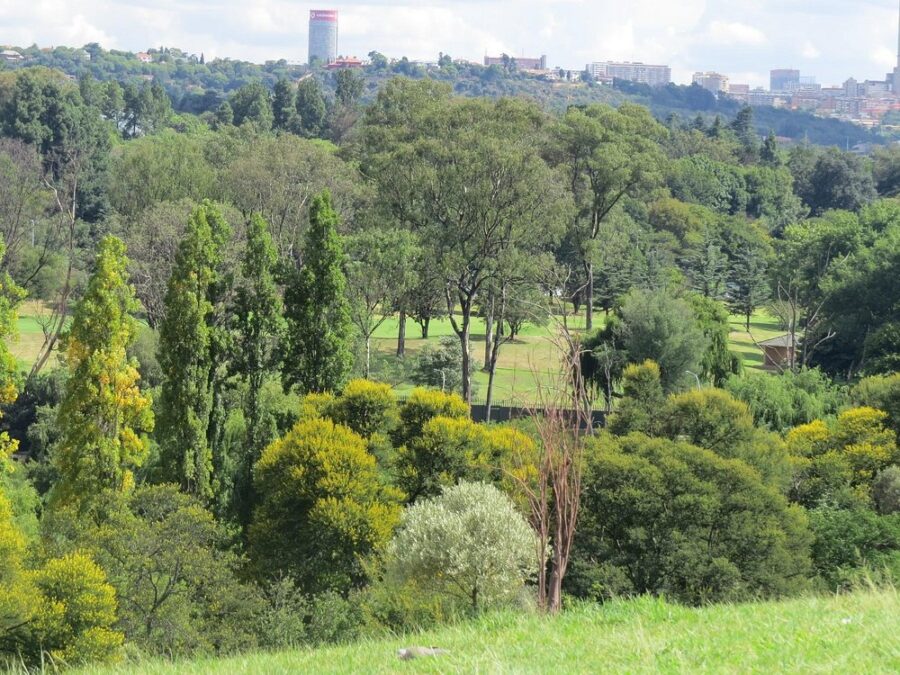
James & Ethel Gray Park
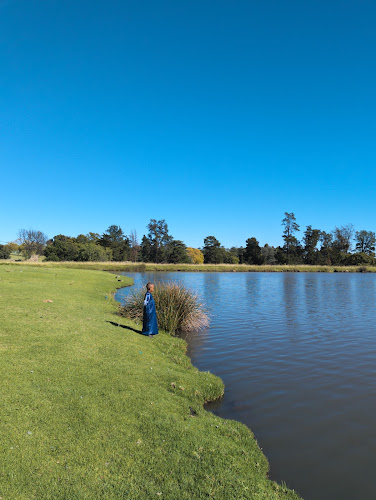
Coronation Park
Gold Reef City Casino
Find Accommodations Nearby
Recommended Tours & Activities
Visitor Reviews
There are no reviews yet. Be the first one to write one.
Share Your Experience
Have you visited Johannesburg Holocaust & Genocide Centre? Help other travelers by leaving a review.