
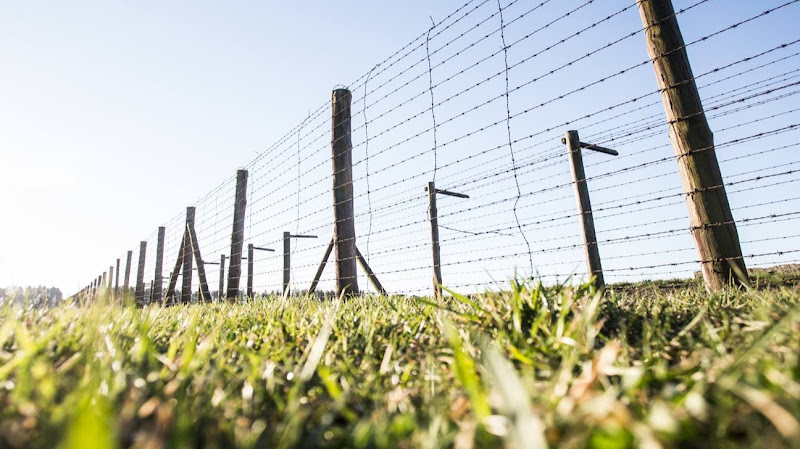
State Museum at Majdanek
About State Museum at Majdanek
Description
The State Museum at Majdanek in Lublin, Poland, is one of those places that you don’t just visit—you experience it. It sits quietly on the grounds of what was once the Majdanek concentration and extermination camp, a haunting reminder of one of the darkest chapters in human history. Established in 1944, it was actually the first museum in Europe to preserve the site of a Nazi concentration camp, which says a lot about Poland’s commitment to remembrance and education. Walking through the grounds, you can almost feel the weight of history in the air—each barrack, each artifact, each photograph telling a story that demands to be heard.
Unlike many museums that polish their exhibits and soften the edges, Majdanek feels raw and unfiltered. And honestly, that’s what makes it so powerful. The site includes original camp structures, personal belongings of prisoners, and haunting memorials that speak louder than words ever could. There’s a dome-shaped mausoleum that holds the ashes of victims, and the inscription above it reads something like a plea to humanity—a reminder of what happens when compassion is lost. It’s not an easy place to visit, but it’s one of those experiences that stays with you long after you leave.
What I personally found most moving was how quiet it is. Even when there are visitors around, people speak in hushed tones, as if instinctively aware that this is sacred ground. There’s a strange calmness that contrasts sharply with the horror that once unfolded here. It’s not a tourist attraction in the usual sense—it’s a place for reflection, for understanding, and for remembering. And maybe, in some small way, for healing too.
Key Features
- Authentic Historical Site: The museum preserves original camp structures, including barracks, watchtowers, and gas chambers, offering an unfiltered look at history.
- Permanent Exhibitions: Displays include photographs, documents, and personal items belonging to prisoners, each telling a deeply personal story.
- Mausoleum and Monument: A striking dome-shaped mausoleum holds the ashes of victims, serving as a central point of remembrance.
- Educational Programs: The museum organizes lectures, workshops, and guided tours to help visitors understand the historical context and human impact of the Holocaust.
- Accessibility: The site is wheelchair accessible, with assistive hearing loops and accessible restrooms, making it inclusive for all visitors.
- Peaceful Surroundings: The open landscape around the museum adds a contemplative atmosphere, encouraging quiet reflection.
- Visitor Facilities: Restrooms, Wi-Fi, and a paid parking area are available onsite for convenience.
Best Time to Visit
If you ask me, there’s no “perfect” time to visit a place like Majdanek—it’s meaningful all year round. But practically speaking, spring and early autumn tend to be the most comfortable seasons. The weather in Lublin is mild then, and the grounds are easier to walk. Summer can get quite warm, and since much of the site is outdoors, it can be a bit draining under the sun. Winter visits, though cold, have their own kind of atmosphere—the snow adds a stark, haunting beauty that somehow deepens the emotional experience.
Weekdays are generally quieter, which allows for a more personal and reflective visit. If you can, try to go early in the morning or later in the afternoon when the light softens and the crowds thin out. There’s something about the golden hour at Majdanek that feels almost symbolic—a gentle light falling over a place once consumed by darkness.
How to Get There
Majdanek is located just a short distance from the center of Lublin, which makes it quite accessible. If you’re coming from the city, local buses and taxis can get you there easily. Many travelers prefer taking a short taxi ride—it’s straightforward, inexpensive, and drops you right at the entrance. For those driving, there’s a paid parking lot conveniently located near the main gate.
If you’re traveling from Warsaw, the journey takes about two and a half hours by car, or you can catch a train to Lublin and then a local bus or taxi to the museum. The route itself is scenic in parts, passing through quiet Polish countryside, which somehow sets the mood for what’s to come. I remember taking that drive once—fields stretching endlessly on both sides—and thinking how surreal it was that such beauty could coexist so close to a place of such sorrow.
Tips for Visiting
Visiting the State Museum at Majdanek isn’t like visiting other museums—it’s an emotional journey. Here are a few tips to make your experience more meaningful and comfortable:
- Give Yourself Time: Don’t rush. The museum covers a large area, and you’ll want time to absorb everything. Two to three hours is a good minimum.
- Dress Comfortably: Most of the visit involves walking outdoors, so wear comfortable shoes and dress for the weather.
- Be Respectful: This is a memorial site. Keep your voice low, avoid taking selfies, and remember that for many, this is a place of mourning.
- Use a Guide: If possible, join a guided tour. The guides are knowledgeable and can provide context that you might miss on your own. It transforms the experience from simply seeing to truly understanding.
- Bring Water: Especially in summer. There’s no restaurant onsite, so it’s wise to bring your own bottle of water or a small snack.
- Stay Connected: Wi-Fi is available, which is handy if you want to access digital resources or translations during your visit.
- Reflect Afterwards: Take a moment after your visit to sit quietly or write down your thoughts. It helps process what you’ve seen and felt.
One thing I’ll say from personal experience—don’t plan too many other activities for the same day. The visit can be emotionally heavy, and you might find yourself needing some quiet time afterward. When I first visited, I thought I’d head straight to Lublin’s Old Town for dinner, but I ended up just sitting by the river for a while, letting it all sink in. It’s that kind of place—it changes the way you see things, even if just a little.
For travelers who value meaningful experiences, the State Museum at Majdanek is a must. It’s not about checking off a sightseeing list—it’s about connecting with history on a deeply human level. You walk away with more than just knowledge; you walk away with empathy, perspective, and a renewed appreciation for peace. And that, in my opinion, is what travel should be about.
Key Features
- Key Features
- Best Time to Visit
- How to Get There
- Tips for Visiting
More Details
Updated December 1, 2025
Table of Contents
Description
The State Museum at Majdanek in Lublin, Poland, is one of those places that you don’t just visit—you experience it. It sits quietly on the grounds of what was once the Majdanek concentration and extermination camp, a haunting reminder of one of the darkest chapters in human history. Established in 1944, it was actually the first museum in Europe to preserve the site of a Nazi concentration camp, which says a lot about Poland’s commitment to remembrance and education. Walking through the grounds, you can almost feel the weight of history in the air—each barrack, each artifact, each photograph telling a story that demands to be heard.
Unlike many museums that polish their exhibits and soften the edges, Majdanek feels raw and unfiltered. And honestly, that’s what makes it so powerful. The site includes original camp structures, personal belongings of prisoners, and haunting memorials that speak louder than words ever could. There’s a dome-shaped mausoleum that holds the ashes of victims, and the inscription above it reads something like a plea to humanity—a reminder of what happens when compassion is lost. It’s not an easy place to visit, but it’s one of those experiences that stays with you long after you leave.
What I personally found most moving was how quiet it is. Even when there are visitors around, people speak in hushed tones, as if instinctively aware that this is sacred ground. There’s a strange calmness that contrasts sharply with the horror that once unfolded here. It’s not a tourist attraction in the usual sense—it’s a place for reflection, for understanding, and for remembering. And maybe, in some small way, for healing too.
Key Features
- Authentic Historical Site: The museum preserves original camp structures, including barracks, watchtowers, and gas chambers, offering an unfiltered look at history.
- Permanent Exhibitions: Displays include photographs, documents, and personal items belonging to prisoners, each telling a deeply personal story.
- Mausoleum and Monument: A striking dome-shaped mausoleum holds the ashes of victims, serving as a central point of remembrance.
- Educational Programs: The museum organizes lectures, workshops, and guided tours to help visitors understand the historical context and human impact of the Holocaust.
- Accessibility: The site is wheelchair accessible, with assistive hearing loops and accessible restrooms, making it inclusive for all visitors.
- Peaceful Surroundings: The open landscape around the museum adds a contemplative atmosphere, encouraging quiet reflection.
- Visitor Facilities: Restrooms, Wi-Fi, and a paid parking area are available onsite for convenience.
Best Time to Visit
If you ask me, there’s no “perfect” time to visit a place like Majdanek—it’s meaningful all year round. But practically speaking, spring and early autumn tend to be the most comfortable seasons. The weather in Lublin is mild then, and the grounds are easier to walk. Summer can get quite warm, and since much of the site is outdoors, it can be a bit draining under the sun. Winter visits, though cold, have their own kind of atmosphere—the snow adds a stark, haunting beauty that somehow deepens the emotional experience.
Weekdays are generally quieter, which allows for a more personal and reflective visit. If you can, try to go early in the morning or later in the afternoon when the light softens and the crowds thin out. There’s something about the golden hour at Majdanek that feels almost symbolic—a gentle light falling over a place once consumed by darkness.
How to Get There
Majdanek is located just a short distance from the center of Lublin, which makes it quite accessible. If you’re coming from the city, local buses and taxis can get you there easily. Many travelers prefer taking a short taxi ride—it’s straightforward, inexpensive, and drops you right at the entrance. For those driving, there’s a paid parking lot conveniently located near the main gate.
If you’re traveling from Warsaw, the journey takes about two and a half hours by car, or you can catch a train to Lublin and then a local bus or taxi to the museum. The route itself is scenic in parts, passing through quiet Polish countryside, which somehow sets the mood for what’s to come. I remember taking that drive once—fields stretching endlessly on both sides—and thinking how surreal it was that such beauty could coexist so close to a place of such sorrow.
Tips for Visiting
Visiting the State Museum at Majdanek isn’t like visiting other museums—it’s an emotional journey. Here are a few tips to make your experience more meaningful and comfortable:
- Give Yourself Time: Don’t rush. The museum covers a large area, and you’ll want time to absorb everything. Two to three hours is a good minimum.
- Dress Comfortably: Most of the visit involves walking outdoors, so wear comfortable shoes and dress for the weather.
- Be Respectful: This is a memorial site. Keep your voice low, avoid taking selfies, and remember that for many, this is a place of mourning.
- Use a Guide: If possible, join a guided tour. The guides are knowledgeable and can provide context that you might miss on your own. It transforms the experience from simply seeing to truly understanding.
- Bring Water: Especially in summer. There’s no restaurant onsite, so it’s wise to bring your own bottle of water or a small snack.
- Stay Connected: Wi-Fi is available, which is handy if you want to access digital resources or translations during your visit.
- Reflect Afterwards: Take a moment after your visit to sit quietly or write down your thoughts. It helps process what you’ve seen and felt.
One thing I’ll say from personal experience—don’t plan too many other activities for the same day. The visit can be emotionally heavy, and you might find yourself needing some quiet time afterward. When I first visited, I thought I’d head straight to Lublin’s Old Town for dinner, but I ended up just sitting by the river for a while, letting it all sink in. It’s that kind of place—it changes the way you see things, even if just a little.
For travelers who value meaningful experiences, the State Museum at Majdanek is a must. It’s not about checking off a sightseeing list—it’s about connecting with history on a deeply human level. You walk away with more than just knowledge; you walk away with empathy, perspective, and a renewed appreciation for peace. And that, in my opinion, is what travel should be about.
Key Highlights
- Key Features
- Best Time to Visit
- How to Get There
- Tips for Visiting
Location
Places to Stay Near State Museum at Majdanek
Find and Book a Tour
Explore More Travel Guides
No reviews found! Be the first to review!
Traveler Reviews for State Museum at Majdanek
There are no reviews yet. Be the first one to write one.
Have you visited State Museum at Majdanek? Help other travelers by sharing your review.
You Might Also Like
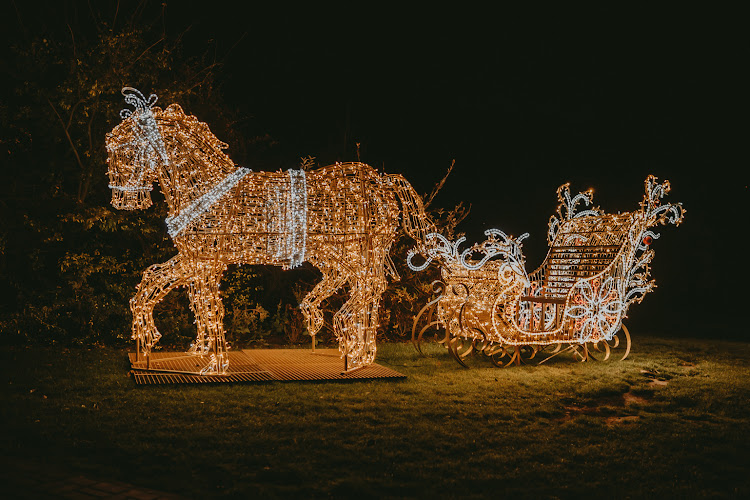
Lumina Park Lublin
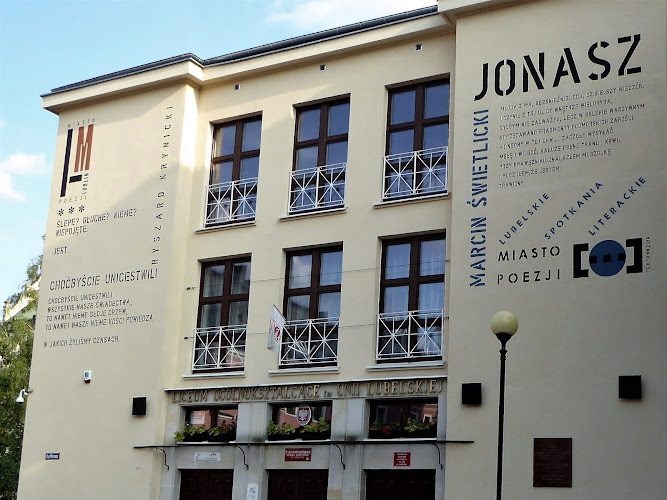
Mural Lublin miasto poezji
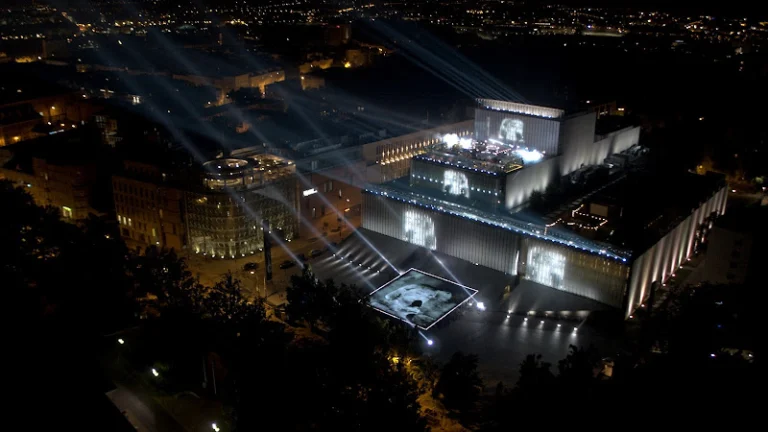
Centre for the Meeting of Cultures in Lublin
Find Accommodations Nearby
Recommended Tours & Activities
Visitor Reviews
There are no reviews yet. Be the first one to write one.
Share Your Experience
Have you visited State Museum at Majdanek? Help other travelers by leaving a review.