
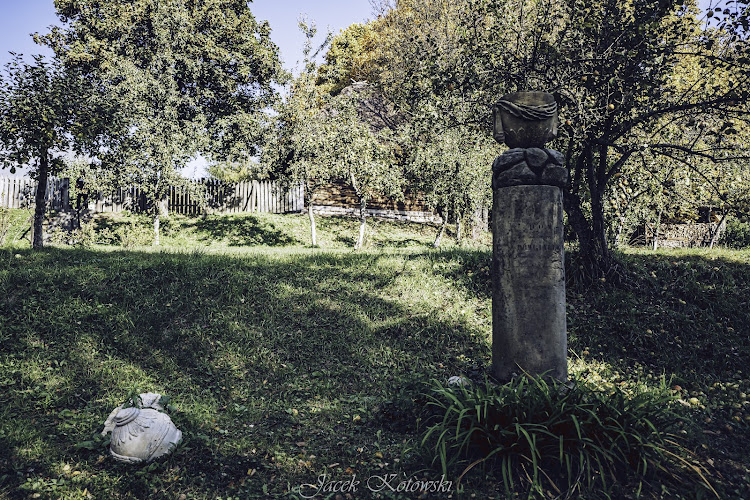
Lapidarium na terenie Muzeum Wsi Lubelskiej
About Lapidarium na terenie Muzeum Wsi Lubelskiej
Description
The Lapidarium located within the Museum of the Lublin Countryside is one of those places that quietly impresses you. It’s not the kind of attraction that shouts for attention, but rather one that rewards curiosity. Tucked within the open-air museum grounds, this lapidarium brings together fragments of history carved in stone—literally. It’s a collection of old architectural elements, gravestones, sculptures, and decorative stonework that once adorned buildings, churches, and cemeteries across the Lublin region. Each piece has its own story, and together they form a kind of open-air archive of local craftsmanship and memory.
Walking through the lapidarium, visitors can sense the weight of time in the textures and inscriptions. The stones are weathered, some with faint engravings that tell of long-forgotten names or artisans. It’s both beautiful and slightly melancholic, like flipping through the pages of an old family album. What’s particularly fascinating is how the museum has integrated these artifacts into the natural landscape. The stones aren’t simply displayed—they’re arranged thoughtfully, almost poetically, among trees and grassy paths. You can wander freely, stopping when something catches your eye. And something always does.
For travelers who love uncovering hidden corners of history, this place feels like a secret worth sharing. It’s not just about the stones themselves but about what they represent: the endurance of culture, the artistry of local masons, and the quiet dignity of materials that outlast their creators. I remember visiting on a slightly overcast afternoon, the kind of day when shadows are soft and colors muted. The air smelled faintly of damp earth and pine. There was a hush in the air, broken only by birdsong and the crunch of gravel underfoot. It felt like stepping into a dialogue between the past and the present.
What makes the Lapidarium within the Museum of the Lublin Countryside stand out is its authenticity. There’s no artificial polish here, no attempt to modernize or dramatize the experience. Instead, it invites reflection. It’s educational, yes, but also emotional. You don’t need to be a historian to appreciate it. Even children, with their natural curiosity, find it intriguing—touching the stones, asking questions about the carvings, or imagining the people who once made them. It’s a quiet yet powerful experience that lingers long after you leave.
Key Features
- Authentic stone artifacts: The lapidarium showcases original stone elements salvaged from historic buildings and cemeteries across the Lublin region, preserving centuries of craftsmanship.
- Open-air setting: Located within the Museum of the Lublin Countryside, the lapidarium blends seamlessly with nature, allowing visitors to explore at their own pace.
- Educational value: Ideal for history enthusiasts and families alike, it offers insights into local architecture, art, and cultural traditions.
- Peaceful atmosphere: The tranquil setting encourages reflection, photography, and slow exploration—away from the city’s bustle.
- Accessible for children: The museum grounds are family-friendly, with open spaces where kids can safely explore while learning about history in a hands-on way.
- Connection to regional identity: Each artifact tells a story of the Lublin area’s evolution, from rural churches to manor houses, revealing the region’s layered past.
- Seasonal beauty: The lapidarium changes character with the seasons—lush and green in summer, golden in autumn, and quietly serene under a dusting of snow.
Best Time to Visit
Honestly, there’s no wrong time to visit the Lapidarium. But each season paints it differently. Spring brings a freshness that feels almost symbolic—new life surrounding old stones. The grass is soft, the trees are in bloom, and the air smells like rain and earth. It’s a lovely time if you enjoy photography or simply being outdoors without too many crowds.
Summer, on the other hand, has its own charm. The museum grounds come alive with visitors, picnics, and the hum of life. The sunlight catches on the rough surfaces of the stones, making their carvings stand out more sharply. It can get warm, so bringing water and a hat is a good idea. I once spent an entire afternoon here in July, sitting on a bench under a birch tree, sketching one of the stone crosses. It was peaceful in a way that’s hard to find in most tourist spots.
Autumn might be my personal favorite. The leaves turn shades of amber and rust, and the stones seem to take on deeper hues too. There’s something poetic about walking among relics of the past while nature itself is changing. It’s also a quieter time—perfect for travelers who prefer a slower pace.
Winter visits are less common, but they have their own magic. The snow softens everything, and the lapidarium looks almost surreal. The silence becomes profound, and you might find yourself alone with the stones, which is both eerie and beautiful. If you’re the kind of traveler who likes solitude and atmosphere, this might just be your season.
How to Get There
Reaching the Lapidarium inside the Museum of the Lublin Countryside is straightforward, and part of the fun is that the journey itself gives you a glimpse of Lublin’s outskirts. If you’re coming from the city center, it’s just a short drive north. You can take a local bus or even cycle if you’re feeling energetic—the route is scenic, passing through fields and small residential areas that hint at the region’s rural roots.
For those traveling by public transport, buses and taxis are reliable options. The museum is well-known among locals, so even if you ask for directions, people will point you the right way with a smile. Parking is available near the entrance of the museum grounds, and from there, it’s a leisurely walk to the lapidarium area. The paths are well-marked, and the walk itself is part of the experience—lined with traditional wooden buildings and gardens that make you feel like you’ve slipped back in time.
If you’re planning to include the lapidarium as part of a broader exploration of Lublin’s cultural attractions, it fits perfectly into a half-day itinerary. Visit in the morning, then enjoy lunch at one of the nearby cafes or picnic spots. The museum’s rural setting makes it easy to unwind after exploring the city’s busier landmarks.
Tips for Visiting
First and foremost, take your time. The Lapidarium isn’t a place to rush through. It’s about noticing details—the chisel marks on a stone, the way moss grows between the carvings, or how sunlight filters through the trees. Bring a camera if you like photography, but also take a few moments to just look without a lens between you and the world.
Comfortable shoes are a must. The terrain is natural, with gravel and grassy paths, and you’ll likely find yourself wandering farther than expected. If you’re visiting with children, let them explore freely but remind them that the stones are fragile historical artifacts, not playground equipment. They’ll probably be fascinated anyway—kids have a way of finding wonder in the smallest things.
Consider visiting early in the day or later in the afternoon. The light is softer then, and the atmosphere feels more intimate. Midday can be busier, especially on weekends or during school trips. And if you’re someone who enjoys sketching or journaling, bring your supplies. There’s something deeply satisfying about capturing the essence of a place like this in your own way.
Weather-wise, check the forecast before you go. While the lapidarium is outdoors, it’s enjoyable even in light rain (just bring a good umbrella or raincoat). The stones glisten beautifully when wet, and the smell of rain-soaked earth adds to the sensory experience. On hot days, sunscreen and water are essential—there’s shade, but not everywhere.
Lastly, approach the visit with curiosity rather than expectation. The Lapidarium within the Museum of the Lublin Countryside isn’t flashy or grand, but it’s rich in meaning. It’s the kind of place that rewards those who slow down and look closely. You might leave with more questions than answers, and that’s part of its charm. It reminds us that history isn’t just in books or museums—it’s under our feet, etched in stone, waiting to be noticed.
So, if you find yourself in Lublin and crave a quieter, more contemplative experience, take the time to wander through this lapidarium. It’s a small corner of the world where the past whispers softly through stone, and all you have to do is listen.
Key Features
- Key Features
- Best Time to Visit
- How to Get There
- Tips for Visiting
More Details
Updated December 1, 2025
Table of Contents
- Description
- Key Features
- Best Time to Visit
- How to Get There
- Tips for Visiting
- Key Highlights
- Location
- Places to Stay Near Lapidarium na terenie Muzeum Wsi Lubelskiej
- Find and Book a Tour
- Explore More Travel Guides
- Nearby Places You Might Like
- Traveler Reviews for Lapidarium na terenie Muzeum Wsi Lubelskiej
- Share Your Experience
Description
The Lapidarium located within the Museum of the Lublin Countryside is one of those places that quietly impresses you. It’s not the kind of attraction that shouts for attention, but rather one that rewards curiosity. Tucked within the open-air museum grounds, this lapidarium brings together fragments of history carved in stone—literally. It’s a collection of old architectural elements, gravestones, sculptures, and decorative stonework that once adorned buildings, churches, and cemeteries across the Lublin region. Each piece has its own story, and together they form a kind of open-air archive of local craftsmanship and memory.
Walking through the lapidarium, visitors can sense the weight of time in the textures and inscriptions. The stones are weathered, some with faint engravings that tell of long-forgotten names or artisans. It’s both beautiful and slightly melancholic, like flipping through the pages of an old family album. What’s particularly fascinating is how the museum has integrated these artifacts into the natural landscape. The stones aren’t simply displayed—they’re arranged thoughtfully, almost poetically, among trees and grassy paths. You can wander freely, stopping when something catches your eye. And something always does.
For travelers who love uncovering hidden corners of history, this place feels like a secret worth sharing. It’s not just about the stones themselves but about what they represent: the endurance of culture, the artistry of local masons, and the quiet dignity of materials that outlast their creators. I remember visiting on a slightly overcast afternoon, the kind of day when shadows are soft and colors muted. The air smelled faintly of damp earth and pine. There was a hush in the air, broken only by birdsong and the crunch of gravel underfoot. It felt like stepping into a dialogue between the past and the present.
What makes the Lapidarium within the Museum of the Lublin Countryside stand out is its authenticity. There’s no artificial polish here, no attempt to modernize or dramatize the experience. Instead, it invites reflection. It’s educational, yes, but also emotional. You don’t need to be a historian to appreciate it. Even children, with their natural curiosity, find it intriguing—touching the stones, asking questions about the carvings, or imagining the people who once made them. It’s a quiet yet powerful experience that lingers long after you leave.
Key Features
- Authentic stone artifacts: The lapidarium showcases original stone elements salvaged from historic buildings and cemeteries across the Lublin region, preserving centuries of craftsmanship.
- Open-air setting: Located within the Museum of the Lublin Countryside, the lapidarium blends seamlessly with nature, allowing visitors to explore at their own pace.
- Educational value: Ideal for history enthusiasts and families alike, it offers insights into local architecture, art, and cultural traditions.
- Peaceful atmosphere: The tranquil setting encourages reflection, photography, and slow exploration—away from the city’s bustle.
- Accessible for children: The museum grounds are family-friendly, with open spaces where kids can safely explore while learning about history in a hands-on way.
- Connection to regional identity: Each artifact tells a story of the Lublin area’s evolution, from rural churches to manor houses, revealing the region’s layered past.
- Seasonal beauty: The lapidarium changes character with the seasons—lush and green in summer, golden in autumn, and quietly serene under a dusting of snow.
Best Time to Visit
Honestly, there’s no wrong time to visit the Lapidarium. But each season paints it differently. Spring brings a freshness that feels almost symbolic—new life surrounding old stones. The grass is soft, the trees are in bloom, and the air smells like rain and earth. It’s a lovely time if you enjoy photography or simply being outdoors without too many crowds.
Summer, on the other hand, has its own charm. The museum grounds come alive with visitors, picnics, and the hum of life. The sunlight catches on the rough surfaces of the stones, making their carvings stand out more sharply. It can get warm, so bringing water and a hat is a good idea. I once spent an entire afternoon here in July, sitting on a bench under a birch tree, sketching one of the stone crosses. It was peaceful in a way that’s hard to find in most tourist spots.
Autumn might be my personal favorite. The leaves turn shades of amber and rust, and the stones seem to take on deeper hues too. There’s something poetic about walking among relics of the past while nature itself is changing. It’s also a quieter time—perfect for travelers who prefer a slower pace.
Winter visits are less common, but they have their own magic. The snow softens everything, and the lapidarium looks almost surreal. The silence becomes profound, and you might find yourself alone with the stones, which is both eerie and beautiful. If you’re the kind of traveler who likes solitude and atmosphere, this might just be your season.
How to Get There
Reaching the Lapidarium inside the Museum of the Lublin Countryside is straightforward, and part of the fun is that the journey itself gives you a glimpse of Lublin’s outskirts. If you’re coming from the city center, it’s just a short drive north. You can take a local bus or even cycle if you’re feeling energetic—the route is scenic, passing through fields and small residential areas that hint at the region’s rural roots.
For those traveling by public transport, buses and taxis are reliable options. The museum is well-known among locals, so even if you ask for directions, people will point you the right way with a smile. Parking is available near the entrance of the museum grounds, and from there, it’s a leisurely walk to the lapidarium area. The paths are well-marked, and the walk itself is part of the experience—lined with traditional wooden buildings and gardens that make you feel like you’ve slipped back in time.
If you’re planning to include the lapidarium as part of a broader exploration of Lublin’s cultural attractions, it fits perfectly into a half-day itinerary. Visit in the morning, then enjoy lunch at one of the nearby cafes or picnic spots. The museum’s rural setting makes it easy to unwind after exploring the city’s busier landmarks.
Tips for Visiting
First and foremost, take your time. The Lapidarium isn’t a place to rush through. It’s about noticing details—the chisel marks on a stone, the way moss grows between the carvings, or how sunlight filters through the trees. Bring a camera if you like photography, but also take a few moments to just look without a lens between you and the world.
Comfortable shoes are a must. The terrain is natural, with gravel and grassy paths, and you’ll likely find yourself wandering farther than expected. If you’re visiting with children, let them explore freely but remind them that the stones are fragile historical artifacts, not playground equipment. They’ll probably be fascinated anyway—kids have a way of finding wonder in the smallest things.
Consider visiting early in the day or later in the afternoon. The light is softer then, and the atmosphere feels more intimate. Midday can be busier, especially on weekends or during school trips. And if you’re someone who enjoys sketching or journaling, bring your supplies. There’s something deeply satisfying about capturing the essence of a place like this in your own way.
Weather-wise, check the forecast before you go. While the lapidarium is outdoors, it’s enjoyable even in light rain (just bring a good umbrella or raincoat). The stones glisten beautifully when wet, and the smell of rain-soaked earth adds to the sensory experience. On hot days, sunscreen and water are essential—there’s shade, but not everywhere.
Lastly, approach the visit with curiosity rather than expectation. The Lapidarium within the Museum of the Lublin Countryside isn’t flashy or grand, but it’s rich in meaning. It’s the kind of place that rewards those who slow down and look closely. You might leave with more questions than answers, and that’s part of its charm. It reminds us that history isn’t just in books or museums—it’s under our feet, etched in stone, waiting to be noticed.
So, if you find yourself in Lublin and crave a quieter, more contemplative experience, take the time to wander through this lapidarium. It’s a small corner of the world where the past whispers softly through stone, and all you have to do is listen.
Key Highlights
- Key Features
- Best Time to Visit
- How to Get There
- Tips for Visiting
Location
Places to Stay Near Lapidarium na terenie Muzeum Wsi Lubelskiej
Find and Book a Tour
Explore More Travel Guides
No reviews found! Be the first to review!
Traveler Reviews for Lapidarium na terenie Muzeum Wsi Lubelskiej
There are no reviews yet. Be the first one to write one.
Have you visited Lapidarium na terenie Muzeum Wsi Lubelskiej? Help other travelers by sharing your review.
You Might Also Like
Cracow Gate
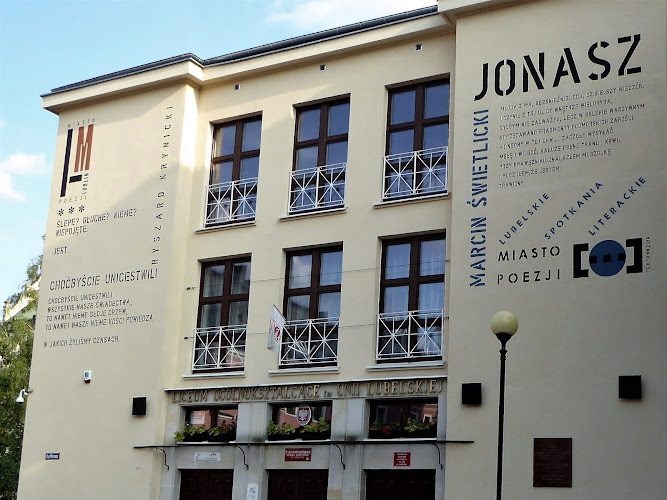
Mural Lublin miasto poezji
Idziego Radziszewskiego 17
Find Accommodations Nearby
Recommended Tours & Activities
Visitor Reviews
There are no reviews yet. Be the first one to write one.
Share Your Experience
Have you visited Lapidarium na terenie Muzeum Wsi Lubelskiej? Help other travelers by leaving a review.