St. Konstantin & Elena Church
About St. Konstantin & Elena Church
Description
St. Konstantin & Elena Church is the kind of place travelers often say they “felt” before they fully understood it. It’s an Orthodox church, yes, but it’s also a quiet witness to centuries of faith, routine, and everyday human hope. Walking up to it, you might not get that jaw-dropping, postcard-perfect first impression. And that’s actually part of its charm. This church doesn’t perform for visitors. It simply exists, steady and calm, doing what it’s always done.
Inside, the atmosphere shifts. The air smells faintly of wax and incense, and there’s that soft, echoing hush that Orthodox churches do so well. Even if you’re not religious, you’ll probably find yourself lowering your voice without thinking about it. I remember visiting on a random weekday afternoon, expecting five minutes and a few photos. I stayed nearly half an hour, just sitting on a wooden bench, watching locals come and go, crossing themselves, lighting candles for reasons they didn’t feel the need to explain.
The church is dedicated to Saints Constantine and Helena, figures deeply rooted in Christian history. Constantine, the Roman emperor who legalized Christianity, and Helena, his mother, associated with the discovery of the True Cross. Their story gives the church a sense of historical weight, but what stands out more is how alive it still feels. This isn’t a museum pretending to be holy. It’s an active place of worship that just happens to welcome travelers who behave respectfully.
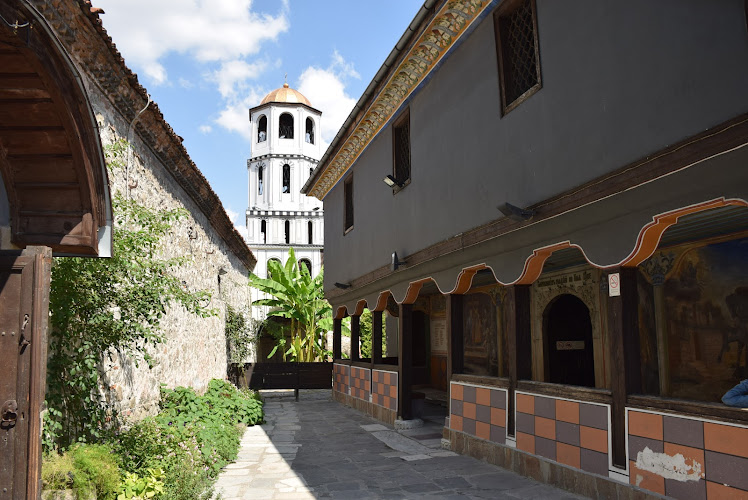
Architecturally, St. Konstantin & Elena Church leans traditional rather than flashy. Expect classic Orthodox elements: domes, iconography, and thick walls that keep the interior cool even when the outside world is buzzing. Some travelers notice minor wear and tear, and honestly, that feels appropriate. A building that’s been prayed in for generations should look a little lived-in. Perfection would almost feel wrong.
For travelers interested in cultural tourism, religious heritage, or simply slowing down for a moment, this church offers something genuine. It’s not trying to sell you an experience. You meet it on its terms, and if you’re open to that, it leaves a quiet mark.
Key Features
- Traditional Orthodox iconostasis with hand-painted icons that reward a closer look
- A calm, contemplative interior atmosphere ideal for reflection or quiet observation
- Regular religious services that offer insight into living Orthodox traditions
- Historical dedication to Saints Constantine and Helena, significant figures in Christianity
- Candle-lighting area where visitors can participate respectfully, even as outsiders
- Thick stone walls and classic architectural proportions that create natural acoustics
- A strong sense of local community presence rather than a tourist-only feel
Best Time to Visit
Timing matters here, but not in the usual “beat the crowds” way. The best time to visit St. Konstantin & Elena Church is usually in the morning, when the light filters softly through the windows and the space feels especially calm. Early hours also mean you’re less likely to interrupt services, or you can quietly observe one from the back if that interests you.
Late afternoon is another good window, especially if you like that golden, end-of-day glow. The church takes on a warmer tone then, and locals often stop by after work. It feels more communal at that hour, a bit like you’re stepping into someone’s daily rhythm instead of touring a landmark.
If your travel schedule allows, visiting during a religious feast day dedicated to Saints Constantine and Helena can be powerful. Just be prepared for more people and a longer service. It’s not the moment for photography or wandering around. But as an experience, standing quietly while chants fill the space is something you’ll remember. I still catch myself humming a tune I heard there, years later, without knowing a single word.
Season-wise, the church works year-round. In warmer months, it offers a cool refuge. In colder seasons, the thick walls and candlelight create a surprisingly cozy feeling. And honestly, rainy days are underrated. The sound of rain outside while the interior stays hushed is… well, kind of perfect.
How to Get There
Getting to St. Konstantin & Elena Church is usually straightforward, though it depends on where you’re staying. Most travelers reach it easily by public transport or taxi, especially if they’re based in nearby tourist areas. Drivers will generally know the church by name, even if pronunciation varies a bit. Don’t stress about that; close enough usually works.
If you’re walking, give yourself time. The approach is part of the experience. You’ll likely pass everyday scenes: locals chatting, small shops, maybe a bakery smell drifting through the air. I once got mildly lost on the way, and it turned into one of those happy accidents. Found a tiny café, had the strongest coffee of my trip, then continued on feeling oddly grateful for my bad sense of direction.
For those with mobility concerns, it’s worth noting that accessibility can be limited. Uneven paths and steps may make entry challenging. It’s not impossible, but it does require planning and sometimes assistance. This is one area where expectations should be realistic.
Parking availability varies, and spaces close by may be limited during busy times or service hours. If you’re driving, patience helps. And maybe a willingness to walk a little extra, which, honestly, rarely hurts when you’re traveling.
Tips for Visiting
First things first: dress respectfully. This isn’t about strict rules, but modest clothing goes a long way in showing respect. Covered shoulders and knees are a safe bet. I’ve seen visitors turned away, and it’s awkward for everyone involved.
Keep your phone on silent. Not vibrate. Silent. Orthodox churches amplify sound in ways you wouldn’t expect, and one buzzing phone can feel like a foghorn. Trust me, I learned this the embarrassed way.
Photography is sometimes allowed, sometimes not. And even when it is, be discreet. No flash, no posing, no blocking paths. If in doubt, don’t take the photo. The memory will stick anyway.
If a service is happening, stand to the side or at the back. You don’t need to participate, but observing quietly is usually welcome. Watch how locals move, when they stand, when they cross themselves. You don’t have to copy them, but understanding the rhythm helps you blend in rather than stick out.
Lighting a candle is generally acceptable for visitors, even non-Orthodox ones. If you choose to do so, follow what others are doing and move slowly. It’s not a race. And if you’re unsure, just watch first. No one’s judging you, despite what your inner critic might say.
Lastly, give yourself time. This isn’t a five-minute stop unless you truly want it to be. Sit. Breathe. Let the place do its thing. In a travel world obsessed with checklists and highlights, St. Konstantin & Elena Church quietly reminds you that some experiences don’t need to be optimized. They just need your attention.
Key Features
- Traditional Orthodox iconostasis with hand-painted icons that reward a closer look
- A calm, contemplative interior atmosphere ideal for reflection or quiet observation
- Regular religious services that offer insight into living Orthodox traditions
- Historical dedication to Saints Constantine and Helena, significant figures in Christianity
- Candle-lighting area where visitors can participate respectfully, even as outsiders
- Thick stone walls and classic architectural proportions that create natural acoustics
- A strong sense of local community presence rather than a tourist-only feel
More Details
Updated December 31, 2025
Table of Contents
Description
St. Konstantin & Elena Church is the kind of place travelers often say they “felt” before they fully understood it. It’s an Orthodox church, yes, but it’s also a quiet witness to centuries of faith, routine, and everyday human hope. Walking up to it, you might not get that jaw-dropping, postcard-perfect first impression. And that’s actually part of its charm. This church doesn’t perform for visitors. It simply exists, steady and calm, doing what it’s always done.
Inside, the atmosphere shifts. The air smells faintly of wax and incense, and there’s that soft, echoing hush that Orthodox churches do so well. Even if you’re not religious, you’ll probably find yourself lowering your voice without thinking about it. I remember visiting on a random weekday afternoon, expecting five minutes and a few photos. I stayed nearly half an hour, just sitting on a wooden bench, watching locals come and go, crossing themselves, lighting candles for reasons they didn’t feel the need to explain.
The church is dedicated to Saints Constantine and Helena, figures deeply rooted in Christian history. Constantine, the Roman emperor who legalized Christianity, and Helena, his mother, associated with the discovery of the True Cross. Their story gives the church a sense of historical weight, but what stands out more is how alive it still feels. This isn’t a museum pretending to be holy. It’s an active place of worship that just happens to welcome travelers who behave respectfully.
Architecturally, St. Konstantin & Elena Church leans traditional rather than flashy. Expect classic Orthodox elements: domes, iconography, and thick walls that keep the interior cool even when the outside world is buzzing. Some travelers notice minor wear and tear, and honestly, that feels appropriate. A building that’s been prayed in for generations should look a little lived-in. Perfection would almost feel wrong.
For travelers interested in cultural tourism, religious heritage, or simply slowing down for a moment, this church offers something genuine. It’s not trying to sell you an experience. You meet it on its terms, and if you’re open to that, it leaves a quiet mark.
Key Features
- Traditional Orthodox iconostasis with hand-painted icons that reward a closer look
- A calm, contemplative interior atmosphere ideal for reflection or quiet observation
- Regular religious services that offer insight into living Orthodox traditions
- Historical dedication to Saints Constantine and Helena, significant figures in Christianity
- Candle-lighting area where visitors can participate respectfully, even as outsiders
- Thick stone walls and classic architectural proportions that create natural acoustics
- A strong sense of local community presence rather than a tourist-only feel
Best Time to Visit
Timing matters here, but not in the usual “beat the crowds” way. The best time to visit St. Konstantin & Elena Church is usually in the morning, when the light filters softly through the windows and the space feels especially calm. Early hours also mean you’re less likely to interrupt services, or you can quietly observe one from the back if that interests you.
Late afternoon is another good window, especially if you like that golden, end-of-day glow. The church takes on a warmer tone then, and locals often stop by after work. It feels more communal at that hour, a bit like you’re stepping into someone’s daily rhythm instead of touring a landmark.
If your travel schedule allows, visiting during a religious feast day dedicated to Saints Constantine and Helena can be powerful. Just be prepared for more people and a longer service. It’s not the moment for photography or wandering around. But as an experience, standing quietly while chants fill the space is something you’ll remember. I still catch myself humming a tune I heard there, years later, without knowing a single word.
Season-wise, the church works year-round. In warmer months, it offers a cool refuge. In colder seasons, the thick walls and candlelight create a surprisingly cozy feeling. And honestly, rainy days are underrated. The sound of rain outside while the interior stays hushed is… well, kind of perfect.
How to Get There
Getting to St. Konstantin & Elena Church is usually straightforward, though it depends on where you’re staying. Most travelers reach it easily by public transport or taxi, especially if they’re based in nearby tourist areas. Drivers will generally know the church by name, even if pronunciation varies a bit. Don’t stress about that; close enough usually works.
If you’re walking, give yourself time. The approach is part of the experience. You’ll likely pass everyday scenes: locals chatting, small shops, maybe a bakery smell drifting through the air. I once got mildly lost on the way, and it turned into one of those happy accidents. Found a tiny café, had the strongest coffee of my trip, then continued on feeling oddly grateful for my bad sense of direction.
For those with mobility concerns, it’s worth noting that accessibility can be limited. Uneven paths and steps may make entry challenging. It’s not impossible, but it does require planning and sometimes assistance. This is one area where expectations should be realistic.
Parking availability varies, and spaces close by may be limited during busy times or service hours. If you’re driving, patience helps. And maybe a willingness to walk a little extra, which, honestly, rarely hurts when you’re traveling.
Tips for Visiting
First things first: dress respectfully. This isn’t about strict rules, but modest clothing goes a long way in showing respect. Covered shoulders and knees are a safe bet. I’ve seen visitors turned away, and it’s awkward for everyone involved.
Keep your phone on silent. Not vibrate. Silent. Orthodox churches amplify sound in ways you wouldn’t expect, and one buzzing phone can feel like a foghorn. Trust me, I learned this the embarrassed way.
Photography is sometimes allowed, sometimes not. And even when it is, be discreet. No flash, no posing, no blocking paths. If in doubt, don’t take the photo. The memory will stick anyway.
If a service is happening, stand to the side or at the back. You don’t need to participate, but observing quietly is usually welcome. Watch how locals move, when they stand, when they cross themselves. You don’t have to copy them, but understanding the rhythm helps you blend in rather than stick out.
Lighting a candle is generally acceptable for visitors, even non-Orthodox ones. If you choose to do so, follow what others are doing and move slowly. It’s not a race. And if you’re unsure, just watch first. No one’s judging you, despite what your inner critic might say.
Lastly, give yourself time. This isn’t a five-minute stop unless you truly want it to be. Sit. Breathe. Let the place do its thing. In a travel world obsessed with checklists and highlights, St. Konstantin & Elena Church quietly reminds you that some experiences don’t need to be optimized. They just need your attention.

Key Highlights
- Traditional Orthodox iconostasis with hand-painted icons that reward a closer look
- A calm, contemplative interior atmosphere ideal for reflection or quiet observation
- Regular religious services that offer insight into living Orthodox traditions
- Historical dedication to Saints Constantine and Helena, significant figures in Christianity
- Candle-lighting area where visitors can participate respectfully, even as outsiders
- Thick stone walls and classic architectural proportions that create natural acoustics
- A strong sense of local community presence rather than a tourist-only feel
Location
Places to Stay Near St. Konstantin & Elena Church
Find and Book a Tour
Explore More Travel Guides
No reviews found! Be the first to review!
Traveler Reviews for St. Konstantin & Elena Church
There are no reviews yet. Be the first one to write one.
Have you visited St. Konstantin & Elena Church? Help other travelers by sharing your review.
Find Accommodations Nearby
Recommended Tours & Activities
Visitor Reviews
There are no reviews yet. Be the first one to write one.
Share Your Experience
Have you visited St. Konstantin & Elena Church? Help other travelers by leaving a review.