
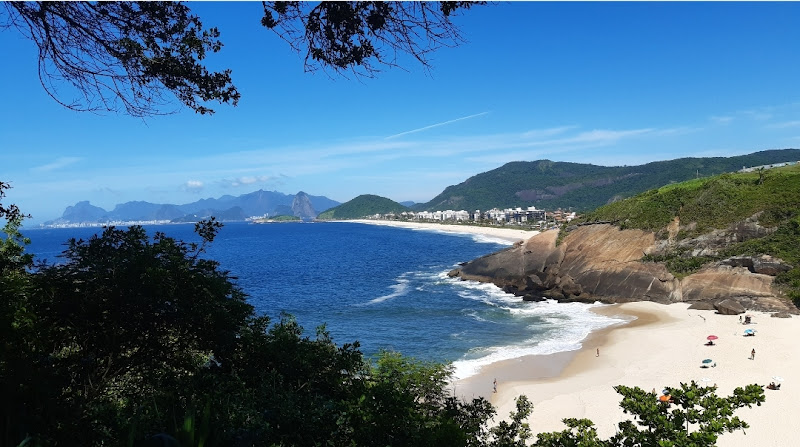
Sossego Beach
About Sossego Beach
Description
Sossego Beach has this way of making you feel like you've stumbled onto something secret, even though thousands of visitors have already discovered it. The name itself translates to "tranquility" in Portuguese, and honestly, whoever named it wasn't kidding around. This beach requires a bit of effort to reach – you can't just roll up in your rental car and plop down on the sand – which is probably why it maintains that peaceful atmosphere that seems increasingly rare in popular coastal destinations. The journey to Sossego involves a trail that winds through Atlantic rainforest, and I've heard from countless travelers that this approach is half the magic. You're walking through dense vegetation one moment, catching glimpses of the ocean through the trees, and then suddenly the path opens up to reveal this gorgeous crescent of sand tucked between rocky outcrops. The beach itself isn't massive – maybe 100 meters of golden sand – but that's part of its charm. It feels intimate rather than crowded, assuming you time your visit right. What really sets Sossego apart is the combination of calm, clear waters and the surrounding rock formations that create natural pools during certain tidal conditions. The geological features here are genuinely impressive, with massive boulders framing the beach and creating those Instagram-worthy compositions that probably fill up your feed if you follow any Brazilian travel accounts. But beyond the aesthetics, these rocks serve a practical purpose – they provide shade during the hottest parts of the day and shelter the beach from stronger currents, making it considerably safer for swimming than some of its neighboring beaches. The water clarity here can be exceptional on calm days. We're talking that kind of turquoise-green that makes you question whether the photos have been edited (they usually haven't). The seabed is relatively sandy with some rocky areas, so water shoes aren't a bad idea if you have sensitive feet. The beach faces northeast, which means it catches beautiful morning light and tends to be protected from the afternoon winds that can whip up other nearby stretches of coastline.Key Features
Travelers consistently mention several standout characteristics that make Sossego Beach worth the trek: • The hiking trail access through preserved Atlantic rainforest adds an adventure element to your beach day and filters out visitors who only want drive-up convenience • Natural rock formations create protected swimming areas and tidal pools that are particularly appealing for families with children • Water conditions are generally calmer than exposed beaches in the region, with less wave action and undertow • Limited infrastructure means you're getting an authentic, undeveloped beach experience without commercial development • The surrounding vegetation comes right down to the sand line in places, providing natural shade and creating that tropical paradise aesthetic • Morning visits often reward early risers with practically private beach conditions before day-trippers arrive • The compact size makes it easy to keep an eye on your belongings and children while enjoying the water • Rocky areas around the beach perimeter attract small fish and occasional sea turtles during nesting season • Photography opportunities are genuinely spectacular with the combination of boulders, vegetation, and crystalline water • The relatively protected location means the beach is often swimmable even when other area beaches have rough conditionsBest Time to Visit
Timing your visit to Sossego Beach can make the difference between having a magical experience and fighting crowds while getting sunburned. The Brazilian summer months from December through March bring the warmest weather and the most visitors. Water temperatures hover around 25-27°C (77-81°F) during this period, which feels absolutely perfect for extended swimming sessions. But here's the thing – everyone knows this, so you'll be sharing the beach with significantly more people. I'd personally lean toward visiting during the shoulder seasons of April-May or September-November. The weather is still quite pleasant, water temperatures remain comfortable enough for swimming, and you'll encounter fewer crowds. April can be particularly nice because you're just past the peak season but conditions are still excellent. September and October can bring slightly cooler water, but nothing that would stop most people from enjoying themselves. The Brazilian winter from June through August sees fewer visitors and cooler temperatures, though "cool" is relative – we're still talking daytime temps in the low 20s Celsius (around 70°F). The water does get noticeably cooler, maybe 21-23°C (70-73°F), which some find refreshing and others find a bit too chilly for long swimming sessions. If you prefer having beaches more to yourself and don't mind slightly less ideal swimming conditions, winter visits have their appeal. Regarding time of day, getting to Sossego Beach early in the morning is genuinely worthwhile. The trail is cooler, the beach is quieter, and the light is beautiful. By 10 or 11 AM, more people start arriving, especially on weekends and holidays. Late afternoon can also be lovely, though you'll want to ensure you have enough daylight for the hike back – navigating that trail in darkness isn't something I'd recommend. Weather patterns do matter here. The region can experience rainy periods, particularly from March through July. Checking the forecast before your visit is just common sense. And pay attention to tidal information if you can find it – low tide exposes more beach area and reveals those natural pools, while high tide brings water right up to the vegetation line in places.How to Get There
Getting to Sossego Beach requires some planning since there isn't direct road access. Most visitors approach from the main road and then hike in. The trailhead is accessible from the coastal route, and you'll find a parking area where you can leave your vehicle. During peak season, this parking can fill up, so arriving earlier gives you better odds of finding a spot close to the trail entrance. The hike itself takes roughly 15-20 minutes for people with average fitness levels, though it can take longer if you're carrying lots of beach gear or traveling with small children. The trail is moderately maintained – it's not a pristine boardwalk situation, but it's also not bushwhacking through untouched jungle. You'll encounter some uneven terrain, exposed roots, and potentially muddy sections if there's been recent rain. Proper footwear makes a real difference here. Those flip-flops you're wearing on the beach? Keep them in your bag until you arrive. The path descends toward the beach, which means – and I can't stress this enough – you'll be hiking uphill on your return journey. It's not a brutal climb, but after several hours in the sun and saltwater, that incline can feel more challenging than it did on the way down. Pace yourself and maybe save some water for the trek back. If you're staying in nearby accommodations, some local guides and tour operators offer organized trips to Sossego Beach. This option can be worthwhile if you prefer not to navigate on your own or if you want some local knowledge about the area's ecology and history. These tours typically handle transportation and sometimes provide beach equipment and refreshments. Public transportation options to the trailhead area exist but can be limited depending on exactly where you're coming from. Most travelers find that renting a car or arranging private transportation offers more flexibility for beach visits, especially if you're planning to explore multiple beaches in the region.Tips for Visiting
After hearing from numerous travelers who've made the journey to Sossego Beach, certain tips come up repeatedly as genuinely useful advice. Bring everything you'll need for the day because there are no facilities, vendors, or services at the beach itself. That means adequate water – more than you think you'll need because you're hiking and spending time in the sun. Food and snacks are essential since you can't pop out to grab lunch. A cooler bag with ice packs keeps things fresh during your beach time. Sun protection deserves serious attention. The combination of reflected light off water and sand plus limited shade means you can burn quickly even on partly cloudy days. Reef-safe sunscreen is the responsible choice given the marine environment. A beach umbrella or sun tent is worth carrying if you're planning to spend several hours, though you'll need to haul it down the trail. Water shoes or sandals with good grip serve dual purposes – they protect your feet on the rocky areas of the beach and provide better traction on the trail than regular flip-flops. Some sections of the trail can be slippery, especially after rain. Waterproof bags or cases for your phone and valuables are smart since there's nowhere secure to store belongings. You're basically keeping everything with you or leaving it unattended on your beach towel. A dry bag works perfectly for this purpose. The beach doesn't have bathrooms, so plan accordingly. There are natural areas along the trail, but this requires some discretion and respect for the environment. Visiting the restroom before starting the hike just makes sense. Trash removal is entirely your responsibility. Whatever you carry in, you carry out. Bringing a dedicated trash bag makes this easier and helps preserve the beach's natural beauty. The lack of trash bins is intentional – it maintains the undeveloped character of the location. Snorkeling gear can enhance your experience if water conditions are good. The rocky areas and clear water create decent snorkeling opportunities, though it's not world-class reef snorkeling or anything. But seeing the fish and underwater rock formations adds another dimension to your visit. Be mindful of your physical limitations. That 20-minute hike down becomes a 30-minute hike up when you're tired and carrying wet beach gear. If you have mobility issues or health concerns, honestly assess whether this particular beach is the right choice. Watch your belongings while swimming since the beach's relative isolation means there's less natural surveillance than at more developed beaches. Going with a group where someone can always stay with your stuff makes things easier. Weekday visits typically mean fewer people than weekends. If you have flexibility in your schedule, Tuesday through Thursday often provides the best balance of good weather and manageable crowds. Check weather forecasts and consider ocean conditions before making the trip. The hike isn't pleasant in heavy rain, and rough seas diminish the beach experience significantly. Finally, respect the natural environment. The preserved forest and relatively pristine beach exist because previous visitors treated them with care. Staying on marked trails, not disturbing wildlife, and leaving no trace ensures Sossego Beach remains the peaceful escape that draws people there in the first place.Key Features
- Small sheltered cove with calm, clear waters
- Soft sand beaches ideal for swimming and sunbathing
- Rocky outcrops and tide pools for light exploration
- Blue Flag sustainability recognition (environmental standards)
- Quiet, local atmosphere away from large tourist crowds
More Details
Updated March 30, 2026
Table of Contents
Description
Sossego Beach has this way of making you feel like you’ve stumbled onto something secret, even though thousands of visitors have already discovered it. The name itself translates to “tranquility” in Portuguese, and honestly, whoever named it wasn’t kidding around. This beach requires a bit of effort to reach – you can’t just roll up in your rental car and plop down on the sand – which is probably why it maintains that peaceful atmosphere that seems increasingly rare in popular coastal destinations.
The journey to Sossego involves a trail that winds through Atlantic rainforest, and I’ve heard from countless travelers that this approach is half the magic. You’re walking through dense vegetation one moment, catching glimpses of the ocean through the trees, and then suddenly the path opens up to reveal this gorgeous crescent of sand tucked between rocky outcrops. The beach itself isn’t massive – maybe 100 meters of golden sand – but that’s part of its charm. It feels intimate rather than crowded, assuming you time your visit right.
What really sets Sossego apart is the combination of calm, clear waters and the surrounding rock formations that create natural pools during certain tidal conditions. The geological features here are genuinely impressive, with massive boulders framing the beach and creating those Instagram-worthy compositions that probably fill up your feed if you follow any Brazilian travel accounts. But beyond the aesthetics, these rocks serve a practical purpose – they provide shade during the hottest parts of the day and shelter the beach from stronger currents, making it considerably safer for swimming than some of its neighboring beaches.
The water clarity here can be exceptional on calm days. We’re talking that kind of turquoise-green that makes you question whether the photos have been edited (they usually haven’t). The seabed is relatively sandy with some rocky areas, so water shoes aren’t a bad idea if you have sensitive feet. The beach faces northeast, which means it catches beautiful morning light and tends to be protected from the afternoon winds that can whip up other nearby stretches of coastline.
Key Features
Travelers consistently mention several standout characteristics that make Sossego Beach worth the trek:
• The hiking trail access through preserved Atlantic rainforest adds an adventure element to your beach day and filters out visitors who only want drive-up convenience
• Natural rock formations create protected swimming areas and tidal pools that are particularly appealing for families with children
• Water conditions are generally calmer than exposed beaches in the region, with less wave action and undertow
• Limited infrastructure means you’re getting an authentic, undeveloped beach experience without commercial development
• The surrounding vegetation comes right down to the sand line in places, providing natural shade and creating that tropical paradise aesthetic
• Morning visits often reward early risers with practically private beach conditions before day-trippers arrive
• The compact size makes it easy to keep an eye on your belongings and children while enjoying the water
• Rocky areas around the beach perimeter attract small fish and occasional sea turtles during nesting season
• Photography opportunities are genuinely spectacular with the combination of boulders, vegetation, and crystalline water
• The relatively protected location means the beach is often swimmable even when other area beaches have rough conditions
Best Time to Visit
Timing your visit to Sossego Beach can make the difference between having a magical experience and fighting crowds while getting sunburned. The Brazilian summer months from December through March bring the warmest weather and the most visitors. Water temperatures hover around 25-27°C (77-81°F) during this period, which feels absolutely perfect for extended swimming sessions. But here’s the thing – everyone knows this, so you’ll be sharing the beach with significantly more people.
I’d personally lean toward visiting during the shoulder seasons of April-May or September-November. The weather is still quite pleasant, water temperatures remain comfortable enough for swimming, and you’ll encounter fewer crowds. April can be particularly nice because you’re just past the peak season but conditions are still excellent. September and October can bring slightly cooler water, but nothing that would stop most people from enjoying themselves.
The Brazilian winter from June through August sees fewer visitors and cooler temperatures, though “cool” is relative – we’re still talking daytime temps in the low 20s Celsius (around 70°F). The water does get noticeably cooler, maybe 21-23°C (70-73°F), which some find refreshing and others find a bit too chilly for long swimming sessions. If you prefer having beaches more to yourself and don’t mind slightly less ideal swimming conditions, winter visits have their appeal.
Regarding time of day, getting to Sossego Beach early in the morning is genuinely worthwhile. The trail is cooler, the beach is quieter, and the light is beautiful. By 10 or 11 AM, more people start arriving, especially on weekends and holidays. Late afternoon can also be lovely, though you’ll want to ensure you have enough daylight for the hike back – navigating that trail in darkness isn’t something I’d recommend.
Weather patterns do matter here. The region can experience rainy periods, particularly from March through July. Checking the forecast before your visit is just common sense. And pay attention to tidal information if you can find it – low tide exposes more beach area and reveals those natural pools, while high tide brings water right up to the vegetation line in places.
How to Get There
Getting to Sossego Beach requires some planning since there isn’t direct road access. Most visitors approach from the main road and then hike in. The trailhead is accessible from the coastal route, and you’ll find a parking area where you can leave your vehicle. During peak season, this parking can fill up, so arriving earlier gives you better odds of finding a spot close to the trail entrance.
The hike itself takes roughly 15-20 minutes for people with average fitness levels, though it can take longer if you’re carrying lots of beach gear or traveling with small children. The trail is moderately maintained – it’s not a pristine boardwalk situation, but it’s also not bushwhacking through untouched jungle. You’ll encounter some uneven terrain, exposed roots, and potentially muddy sections if there’s been recent rain. Proper footwear makes a real difference here. Those flip-flops you’re wearing on the beach? Keep them in your bag until you arrive.
The path descends toward the beach, which means – and I can’t stress this enough – you’ll be hiking uphill on your return journey. It’s not a brutal climb, but after several hours in the sun and saltwater, that incline can feel more challenging than it did on the way down. Pace yourself and maybe save some water for the trek back.
If you’re staying in nearby accommodations, some local guides and tour operators offer organized trips to Sossego Beach. This option can be worthwhile if you prefer not to navigate on your own or if you want some local knowledge about the area’s ecology and history. These tours typically handle transportation and sometimes provide beach equipment and refreshments.
Public transportation options to the trailhead area exist but can be limited depending on exactly where you’re coming from. Most travelers find that renting a car or arranging private transportation offers more flexibility for beach visits, especially if you’re planning to explore multiple beaches in the region.
Tips for Visiting
After hearing from numerous travelers who’ve made the journey to Sossego Beach, certain tips come up repeatedly as genuinely useful advice.
Bring everything you’ll need for the day because there are no facilities, vendors, or services at the beach itself. That means adequate water – more than you think you’ll need because you’re hiking and spending time in the sun. Food and snacks are essential since you can’t pop out to grab lunch. A cooler bag with ice packs keeps things fresh during your beach time.
Sun protection deserves serious attention. The combination of reflected light off water and sand plus limited shade means you can burn quickly even on partly cloudy days. Reef-safe sunscreen is the responsible choice given the marine environment. A beach umbrella or sun tent is worth carrying if you’re planning to spend several hours, though you’ll need to haul it down the trail.
Water shoes or sandals with good grip serve dual purposes – they protect your feet on the rocky areas of the beach and provide better traction on the trail than regular flip-flops. Some sections of the trail can be slippery, especially after rain.
Waterproof bags or cases for your phone and valuables are smart since there’s nowhere secure to store belongings. You’re basically keeping everything with you or leaving it unattended on your beach towel. A dry bag works perfectly for this purpose.
The beach doesn’t have bathrooms, so plan accordingly. There are natural areas along the trail, but this requires some discretion and respect for the environment. Visiting the restroom before starting the hike just makes sense.
Trash removal is entirely your responsibility. Whatever you carry in, you carry out. Bringing a dedicated trash bag makes this easier and helps preserve the beach’s natural beauty. The lack of trash bins is intentional – it maintains the undeveloped character of the location.
Snorkeling gear can enhance your experience if water conditions are good. The rocky areas and clear water create decent snorkeling opportunities, though it’s not world-class reef snorkeling or anything. But seeing the fish and underwater rock formations adds another dimension to your visit.
Be mindful of your physical limitations. That 20-minute hike down becomes a 30-minute hike up when you’re tired and carrying wet beach gear. If you have mobility issues or health concerns, honestly assess whether this particular beach is the right choice.
Watch your belongings while swimming since the beach’s relative isolation means there’s less natural surveillance than at more developed beaches. Going with a group where someone can always stay with your stuff makes things easier.
Weekday visits typically mean fewer people than weekends. If you have flexibility in your schedule, Tuesday through Thursday often provides the best balance of good weather and manageable crowds.
Check weather forecasts and consider ocean conditions before making the trip. The hike isn’t pleasant in heavy rain, and rough seas diminish the beach experience significantly.
Finally, respect the natural environment. The preserved forest and relatively pristine beach exist because previous visitors treated them with care. Staying on marked trails, not disturbing wildlife, and leaving no trace ensures Sossego Beach remains the peaceful escape that draws people there in the first place.
Key Highlights
- Small sheltered cove with calm, clear waters
- Soft sand beaches ideal for swimming and sunbathing
- Rocky outcrops and tide pools for light exploration
- Blue Flag sustainability recognition (environmental standards)
- Quiet, local atmosphere away from large tourist crowds
Location
Places to Stay Near Sossego Beach
Find and Book a Tour
Explore More Travel Guides
No reviews found! Be the first to review!
Sossego Beach is a prominent Outdoors & Nature located in BR.
Traveler Reviews for Sossego Beach
There are no reviews yet. Be the first one to write one.
Have you visited Sossego Beach? Help other travelers by sharing your review.
Nearby Attractions
You Might Also Like
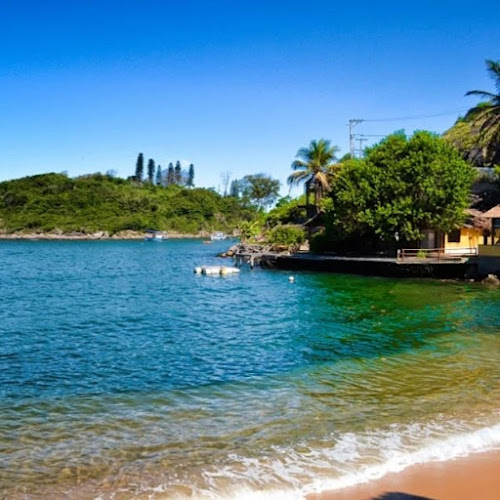
Praia do Bananal
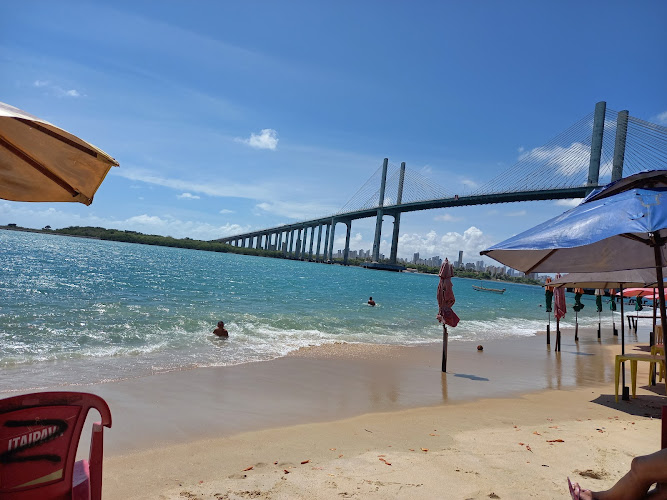
Redinha beach
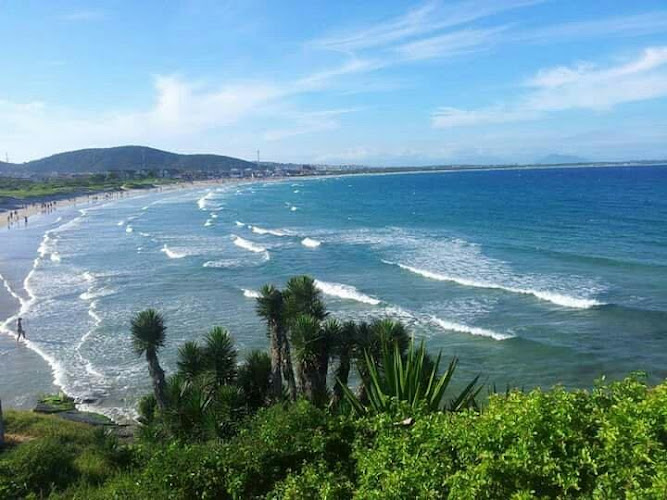
Peró Beach
Find Accommodations Nearby
Recommended Tours & Activities
Visitor Reviews
There are no reviews yet. Be the first one to write one.
Share Your Experience
Have you visited Sossego Beach? Help other travelers by leaving a review.